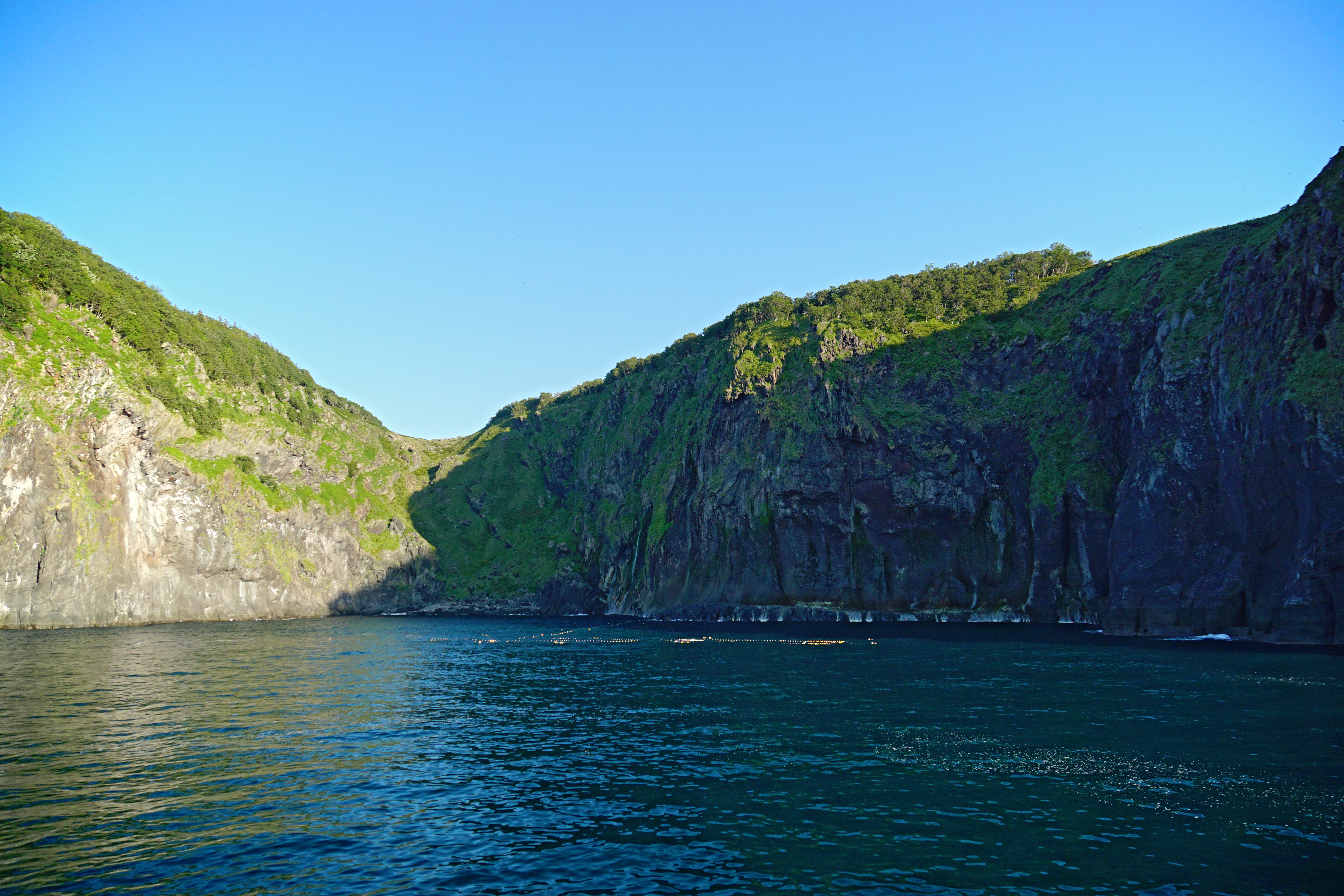
Shiretoko is a narrow peninsula jutting northeast from Hokkaido into the Sea of Okhotsk, and it is as wild as Japan gets. The name comes from the Ainu word for "the end of the earth," and the peninsula still earns that description — a rugged ridge of volcanoes running to a tip that can only be reached by sea or on foot. UNESCO listed Shiretoko as a World Heritage Site in 2005, recognising its extraordinary mixing of marine and terrestrial ecosystems at the meeting point of the world's southernmost drift ice.
The wildlife is what draws most visitors. Shiretoko has one of the highest concentrations of brown bears in Japan, and bear sightings along the coastal road are common from spring through autumn. Steller's sea eagles and white-tailed eagles roost here in large numbers. In winter, Blakiston's fish owl — one of the world's largest owls — hunts the rivers, and drift ice from the Sea of Okhotsk piles up along the coast. The combination of cold ocean and rich volcanic soils feeds an exceptionally productive food chain.
The main base is Utoro on the west coast, with a cluster of hotels, onsen, and restaurants facing the sea. Shiretoko Goko Lakes are the most popular attraction — five crater lakes surrounded by forest with a boardwalk loop offering views of the mountains. Kamuiwakka Falls is a hot spring cascade where you can wade up the warm waterfall pools. The tip of the peninsula beyond the road's end is accessible only by sightseeing boat from Utoro or on a registered guided hike.
The flip side of the peninsula — Rausu on the east coast — is a real fishing town with a different character entirely. The road between Utoro and Rausu crosses a dramatic mountain pass through the heart of the peninsula; in winter it closes completely. Shiretoko is remote by any standard: plan a minimum of two days, and more if you want to hike the interior.