Iraq al-Amir is a small village in the Wadi Seer valley, about 30 kilometres west of Amman. It makes an easy half-day trip from the capital and offers one of the few Hellenistic sites in Jordan — a reminder that this part of the world was once ruled by the successors of Alexander the Great.
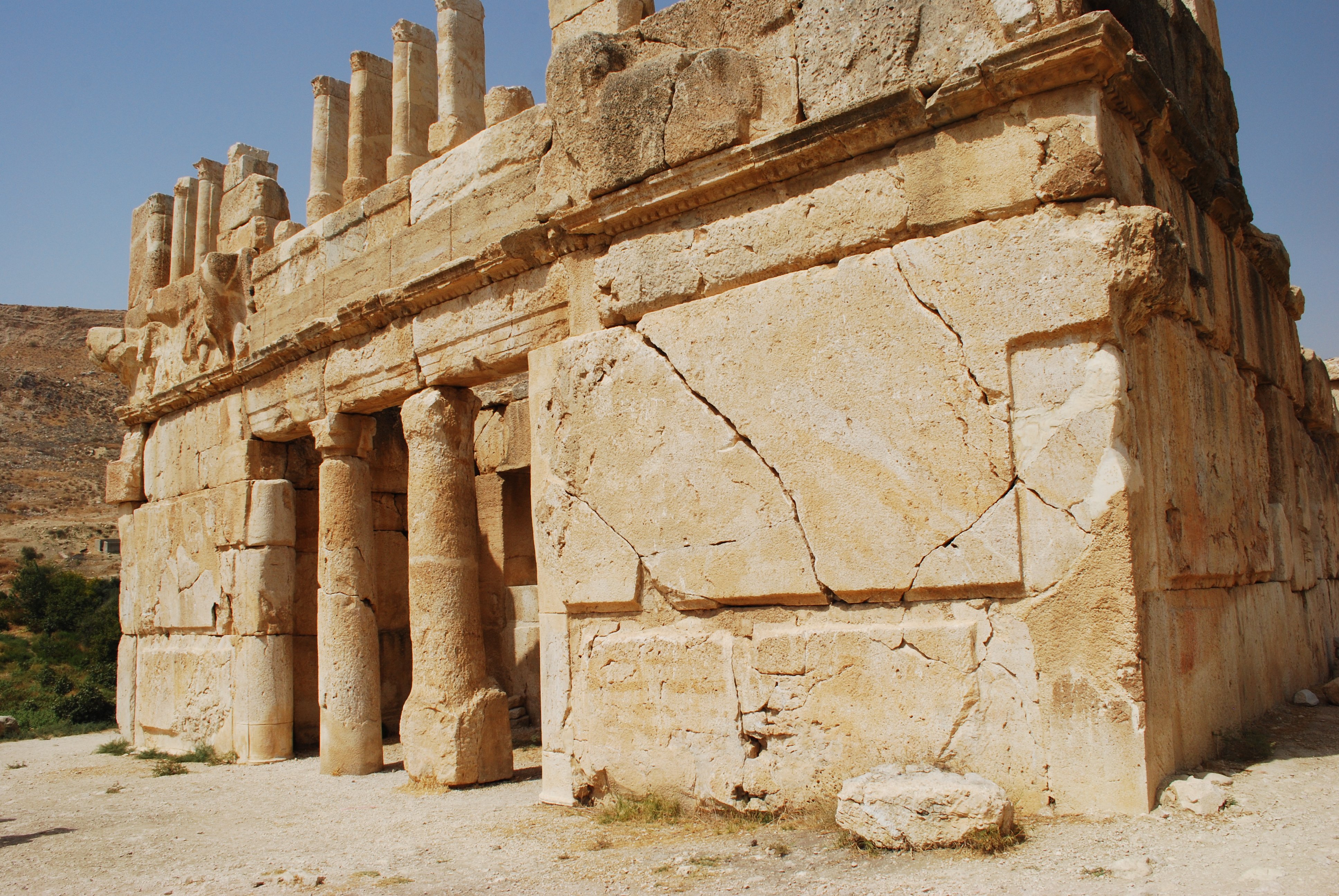
The centrepiece is Qasr al-Abd (Castle of the Slave), a partially reconstructed 2nd-century BC palace built by Hyrcanus of the powerful Tobiad family. The building is remarkable for its carved stone lions and eagles, and for the sheer ambition of its construction — some of the largest individual stone blocks in any ancient structure in the Middle East, fitted together without mortar.
The surrounding valley is green and pleasant, a sharp contrast to the arid plateau above. The caves in the cliffs bear what may be the oldest inscriptions in Jordan — the name 'Tobiah' in Aramaic, cut into the stone millennia ago. A few simple restaurants near the site serve tea and lunch. The drive from Amman winds down through increasingly rural scenery and is part of the appeal.