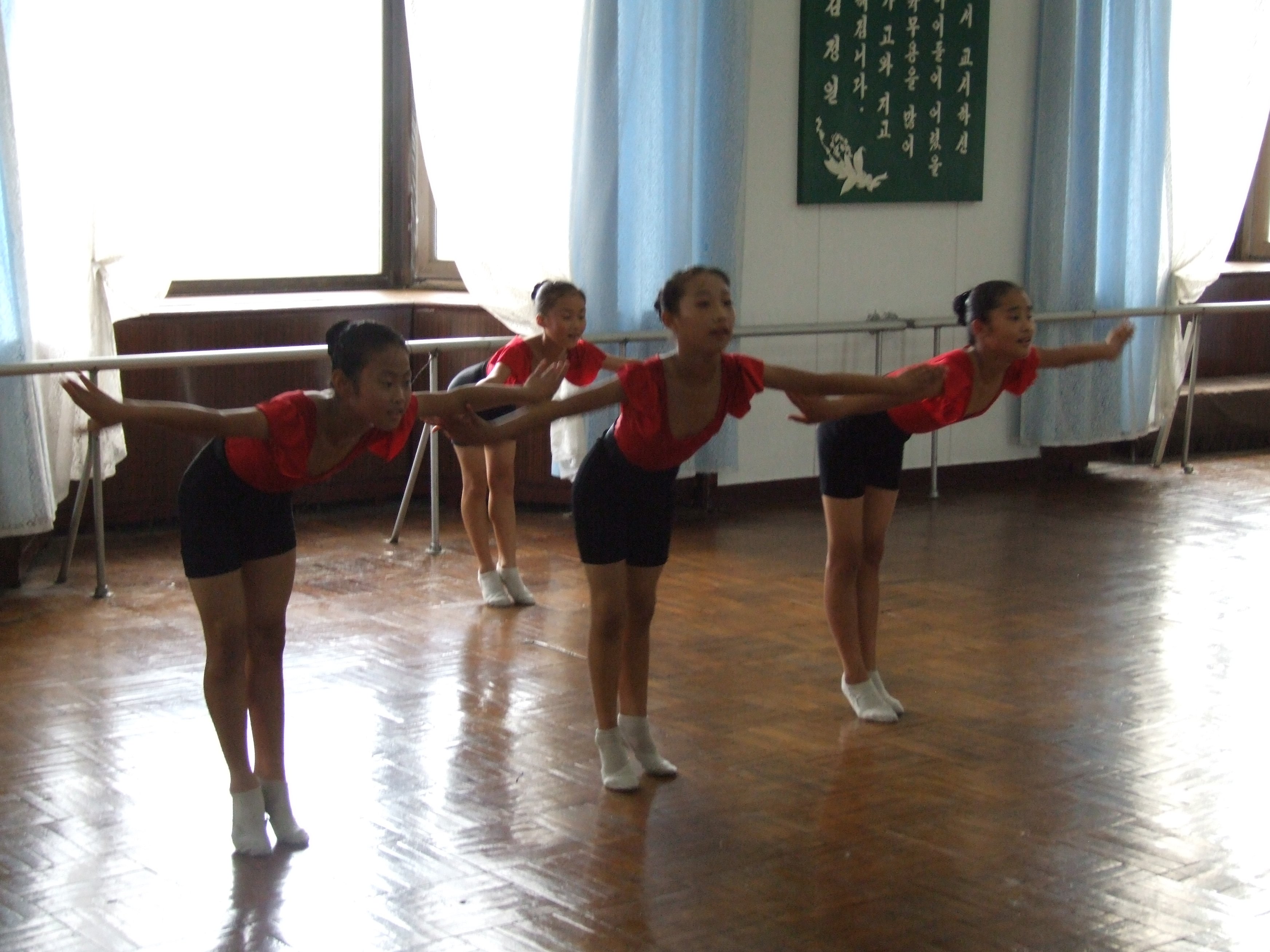
North Korea — officially the Democratic People's Republic of Korea — is the most closed country on earth and, for that reason, one of the most compelling. Every visitor goes as a guest of the state. You will be met at the airport, escorted everywhere by two government-assigned guides, and shown a carefully curated version of the country. You will not wander freely. You will not speak to locals without a minder present. And yet people come back transformed.
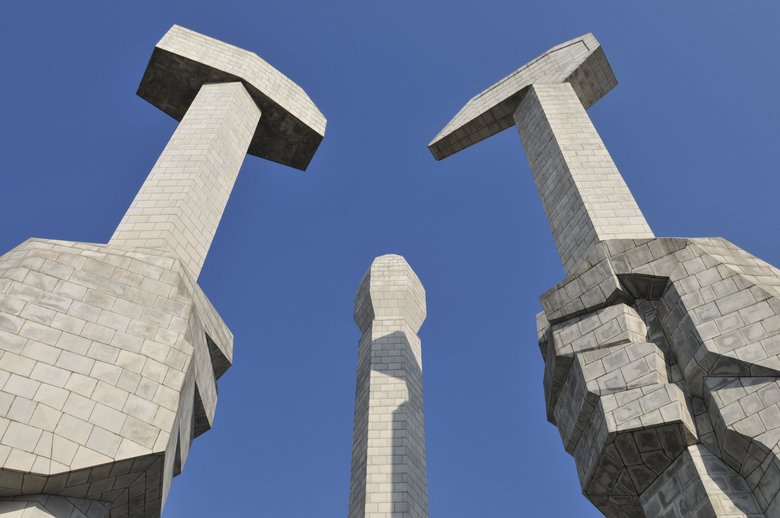
The country is a living museum of mid-20th century socialist architecture, ideology made physical: vast plazas, bronze statues on every ridge, murals of beaming workers, and a city — Pyongyang — unlike anywhere else on earth. Beyond the capital lie mountains, ancient kingdoms, and a countryside that moves at a different pace entirely.
Be honest with yourself before you go. Tourism here funds the regime. Your presence is used for propaganda purposes. Those are real considerations, and thoughtful people disagree about whether visiting does more harm or good. The counterargument — that engagement and human contact matter, that understanding is better than ignorance — is also real. You will have to make your own call.
What you will not get is a typical holiday. North Korea is demanding, strange, occasionally tedious (a lot of monuments), and utterly unforgettable.
Accessibility in 2026
North Korea closed its borders completely in January 2020 at the start of COVID and has not fully reopened for Western tourism. As of early 2026, the Pyongyang Marathon — which had previously brought limited foreign visitors — was cancelled at short notice. The international passenger train between Beijing and Pyongyang resumed in March 2026, and Air China relaunched its Beijing–Pyongyang route, suggesting gradual reopening. Russian citizens have had limited access to the Wonsan-Kalma beach resort. Most Western nationals should assume that tourism remains suspended; check with Koryo Tours or Young Pioneer Tours for current status before making any plans.
US citizens face additional restrictions: the US State Department has prohibited use of US passports for travel to North Korea since 2017, with exceptions only for journalists and humanitarian workers.
Where to go
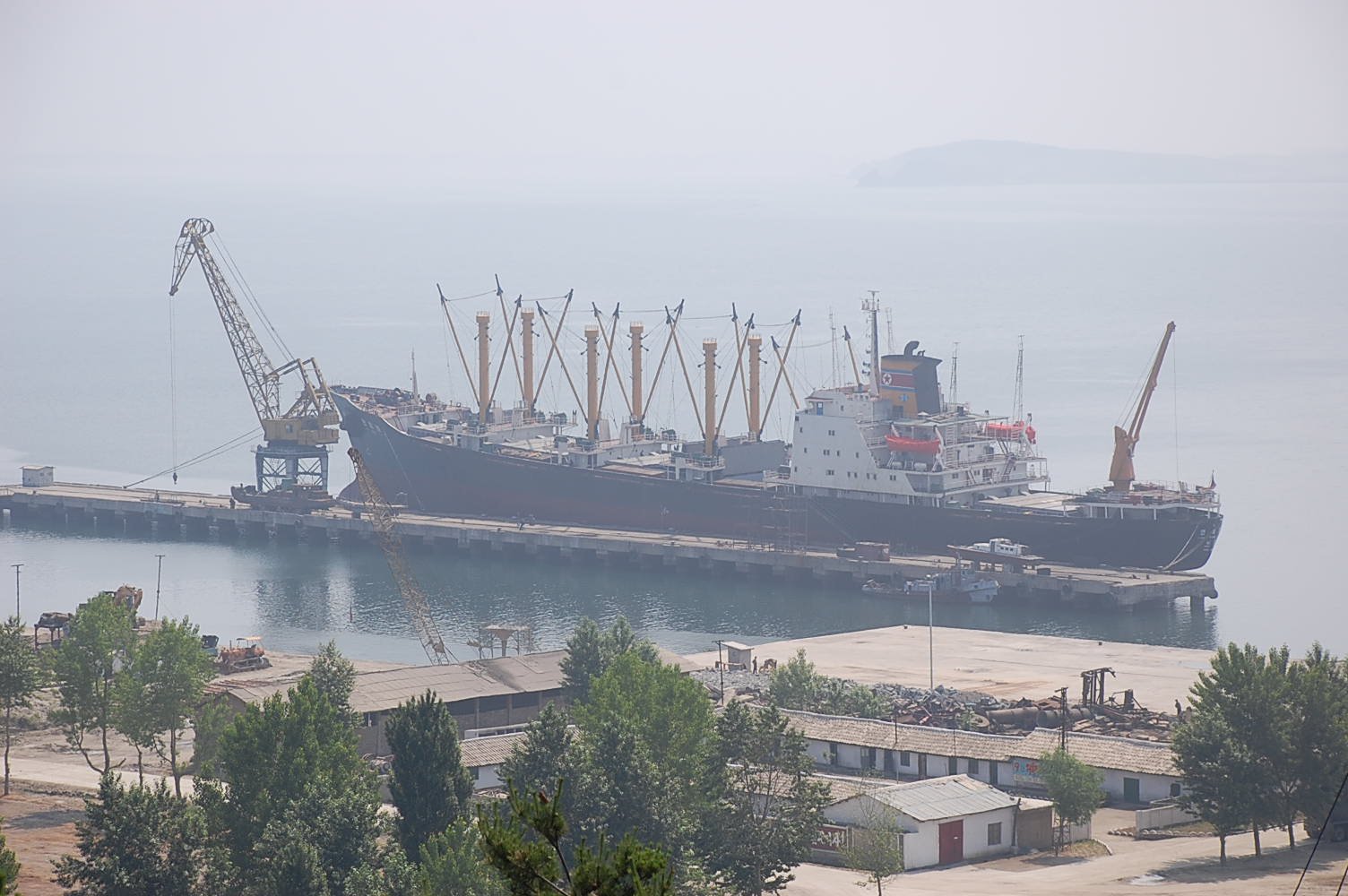
Pyongyang is the showcase capital — where almost all tours begin and end. Kaesong, the ancient Koryo dynasty capital near the DMZ, is a day trip from Pyongyang and has genuine historical depth. Myoyangsan (Mt. Myohyang) is two hours north of Pyongyang, known for its forests, Buddhist temples, and the extraordinary International Friendship Exhibition. Wonsan on the east coast has a new mega-resort and decent beaches.
Outside these main destinations, access depends entirely on your tour operator and what the authorities permit for that particular week.