Nampo
©
Nampo

Nampo

North Korean port city at the Taedong River mouth, known for the West Sea Barrage.

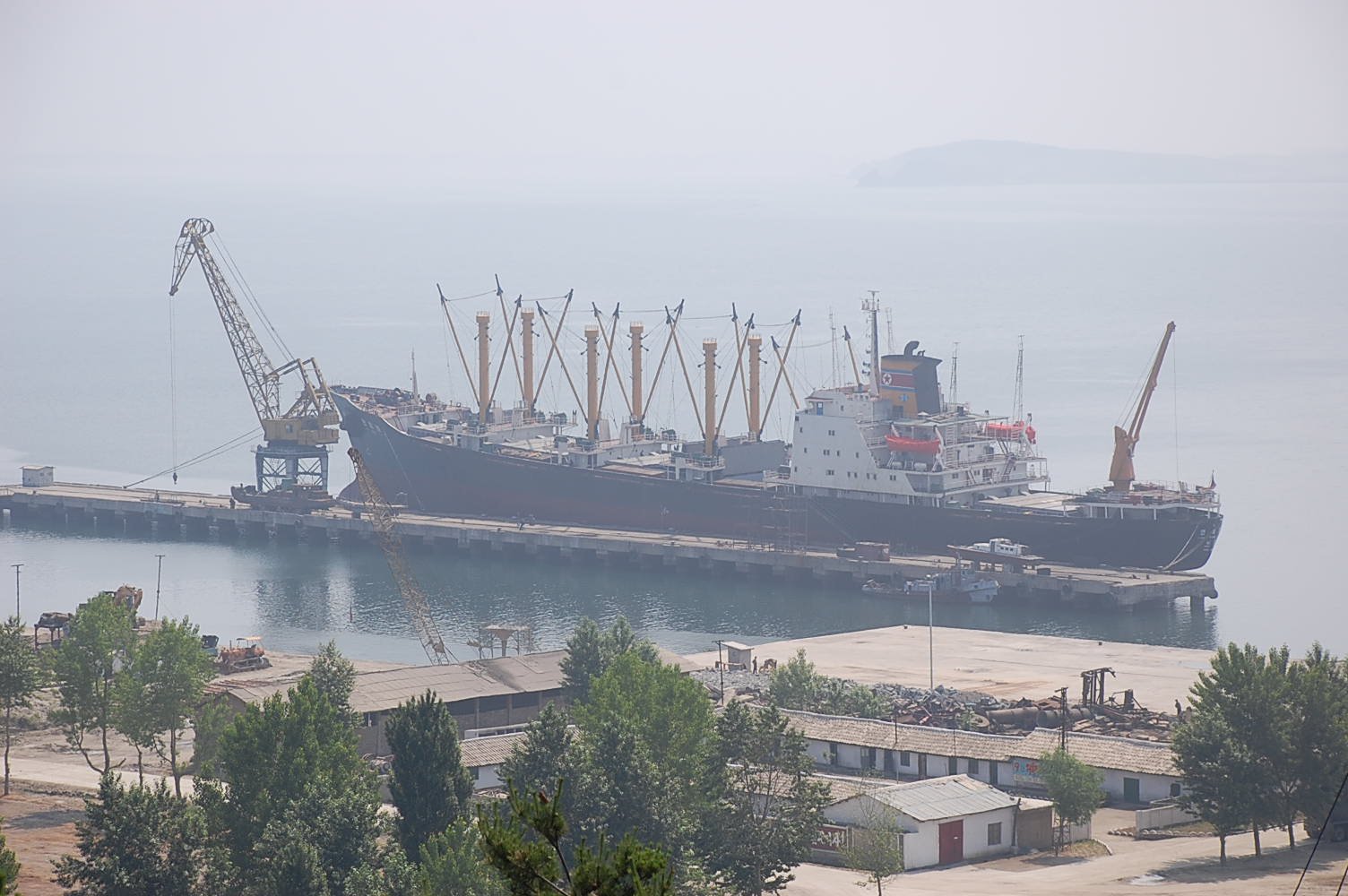
Nampo is North Korea's main port city, sitting at the mouth of the Taedong River on the west coast, about 50km from Pyongyang. Most of the country's seaborne trade passes through here, and the city has a functional, working feel that is a world away from the capital's monumental theatrics.

The one sight worth your time is the West Sea Barrage: an 8km dam and lock system completed in 1986 that tames the tidal mouth of the Taedong and delivers fresh water to the Pyongyang plains. The engineering is genuinely impressive on the ground, and it shows up on virtually every extended tour itinerary as a half-day excursion from the capital.

Beyond the barrage, Nampo is an industrial and port city without the ideological set-pieces of Pyongyang or the historical weight of Kaesong. Come to see the barrage; don't expect much more.

Guide

Getting There

Nampo is reached only on an organised tour. The standard arrangement is a half-day or full-day excursion by road from Pyongyang, which is about 50km north-east — under an hour each way on the Pyongyang–Nampo Youth Hero Highway, one of the country's better roads.

Some tours combine Nampo with the cooperative farms at Chongsan-ri or with the hot springs at Onchon. There is no self-arranged access; you cannot turn up on a train, despite Nampo having a working passenger station on the Pyongnam line. Foreign tourists travel only with their assigned guides.

Guide

Things to Do

Nampo is a working port city; expectations should be set accordingly. The West Sea Barrage at the mouth of the Taedong River is the single sight that justifies the half-day trip from Pyongyang. Tour itineraries also sometimes include a visit to a cooperative farm in the rural hinterland, the Nampo Stadium (occasionally used for staged mass events), and the hot springs at nearby Onchon if the guide is in a generous mood.

You will not wander Nampo on your own. The city is shown to foreign visitors only on guided tours, and the routes are tightly choreographed. Bring a notebook and observe.