Malay
©
Malay

Malay

Aklan municipality on Panay's northwest tip, serving as the mainland gateway to Boracay.

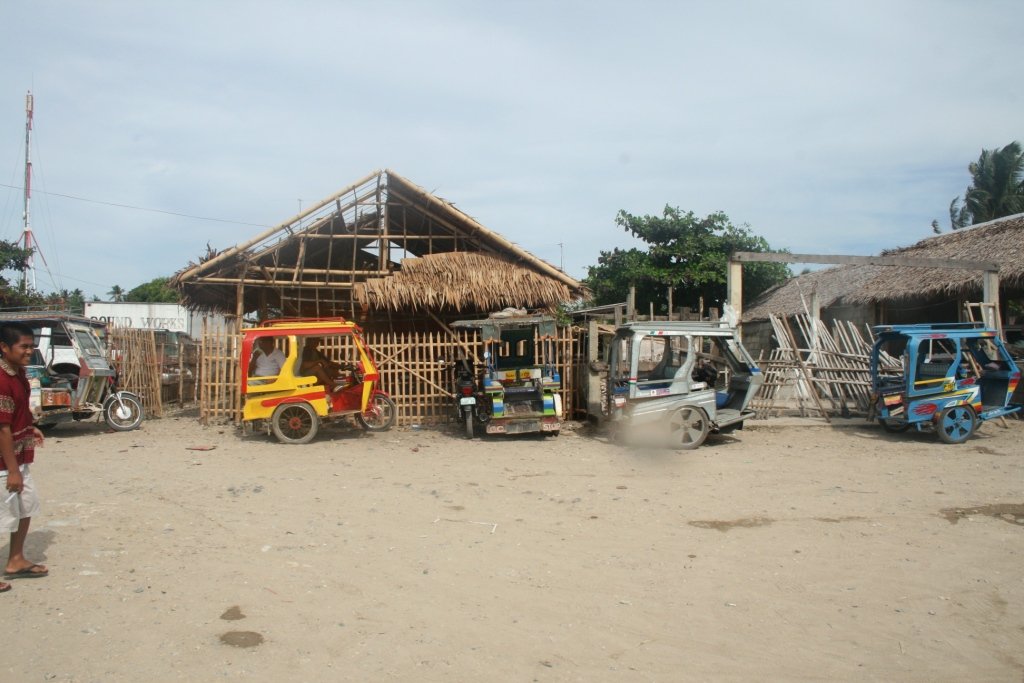
Malay is a municipality on the northwestern tip of Panay Island in Aklan province, and for most travellers it means one thing: the gateway to Boracay. The Caticlan Jetty Port, where boats depart for the ten-minute crossing to the island, is in Malay's Caticlan barangay.

If your flight arrives at Caticlan Airport (officially Godofredo P. Ramos Airport), you are already in Malay -- the airport is a short tricycle ride from the jetty. Travellers arriving by bus from Kalibo or other parts of Panay will be dropped at the Caticlan transport terminal.

Beyond being a transit point, Malay has its own quiet appeal. The mainland coast has some undeveloped beaches, and the surrounding countryside is green and hilly — the protected Northwest Panay Peninsula Natural Park inland still holds endemic warty pigs and hornbills, and the community-run Motag Living Museum gives an unvarnished look at Aklanon village life. But most visitors pass through quickly, eyes fixed on the white sand across the water.

Guide

Day Trips

The obvious day trip from anywhere in Malay is Boracay, ten minutes across the strait by pumpboat from Caticlan jetty. Most travellers stay on the island, but a day visit from Caticlan is perfectly possible and lets you skip the high room rates.

Beyond Boracay, the mangrove channels of Buruanga can be paddled by kayak; the small fishing village of Tabon has uncrowded beaches; and the Nabaoy River, inland from Caticlan, has clear pools, a swimming spot, and a series of small waterfalls reached by a short hike.

Guide

Getting There

By air. The small Godofredo P. Ramos (Caticlan) Airport in Malay is a 5-minute tricycle ride from the Boracay jetty port. Cebu Pacific, AirAsia and Philippine Airlines fly from Manila and Cebu, with most flights operated on smaller aircraft. Kalibo International Airport, about an hour to the south by van, takes larger long-haul aircraft and is often cheaper.

By boat and bus. Vans and buses run from Kalibo to Caticlan on a tarmacked road, leaving frequently from the airport when flights land. From further afield, 2GO runs ferries from Manila to Caticlan that take about 12 hours. The crossing to Boracay itself is a 10-minute pumpboat ride from the jetty — pay the boat fare, environmental fee and terminal fee at the three booths before boarding.

Guide

Things to Do

Most visitors only encounter Malay as the gateway to Boracay, but the mainland deserves a brief look in its own right. The Caticlan Jetty Port is the boat departure point for the famous island, and the small bayside town of Caticlan itself has a handful of family-run restaurants serving fresh seafood and Aklanon dishes.

Further inland, the green hills of mainland Malay are dotted with small barangays, mangrove channels, and the protected forest of the Northwest Panay Peninsula Natural Park, a rare patch of lowland rainforest home to the endangered Visayan warty pig and rufous hornbill. Motag Living Museum in barangay Motag, just south of Caticlan, gives visitors an honest look at Aklanon rural village life — rice farming, weaving, traditional games — with no theme-park polish.

Guide

When to Go

The Philippines has a dry/wet split, and Malay is no exception. November to April is the dry, cool, and reliable season — sunny days, calm seas, and crowded Boracay beaches. December to January in particular sees high prices and full flights; book well ahead.

May to October is wet season, with afternoon storms and the threat of the habagat monsoon. The seas are rougher and Boracay's main White Beach can be choppy, but the island's east side (Bulabog) actually picks up its best winds for kitesurfing during these months. Typhoons can pass between June and November — keep an eye on forecasts before booking.