Cebu is a long, thin island in the middle of the Visayas — the oldest part of Spanish Philippines, where Magellan landed in 1521 and died shortly afterwards in a battle with the local chieftain Lapu-Lapu. It remains one of the most developed parts of the country outside Luzon: a busy central city, a major international airport, and strings of white-sand islands to the north and south.
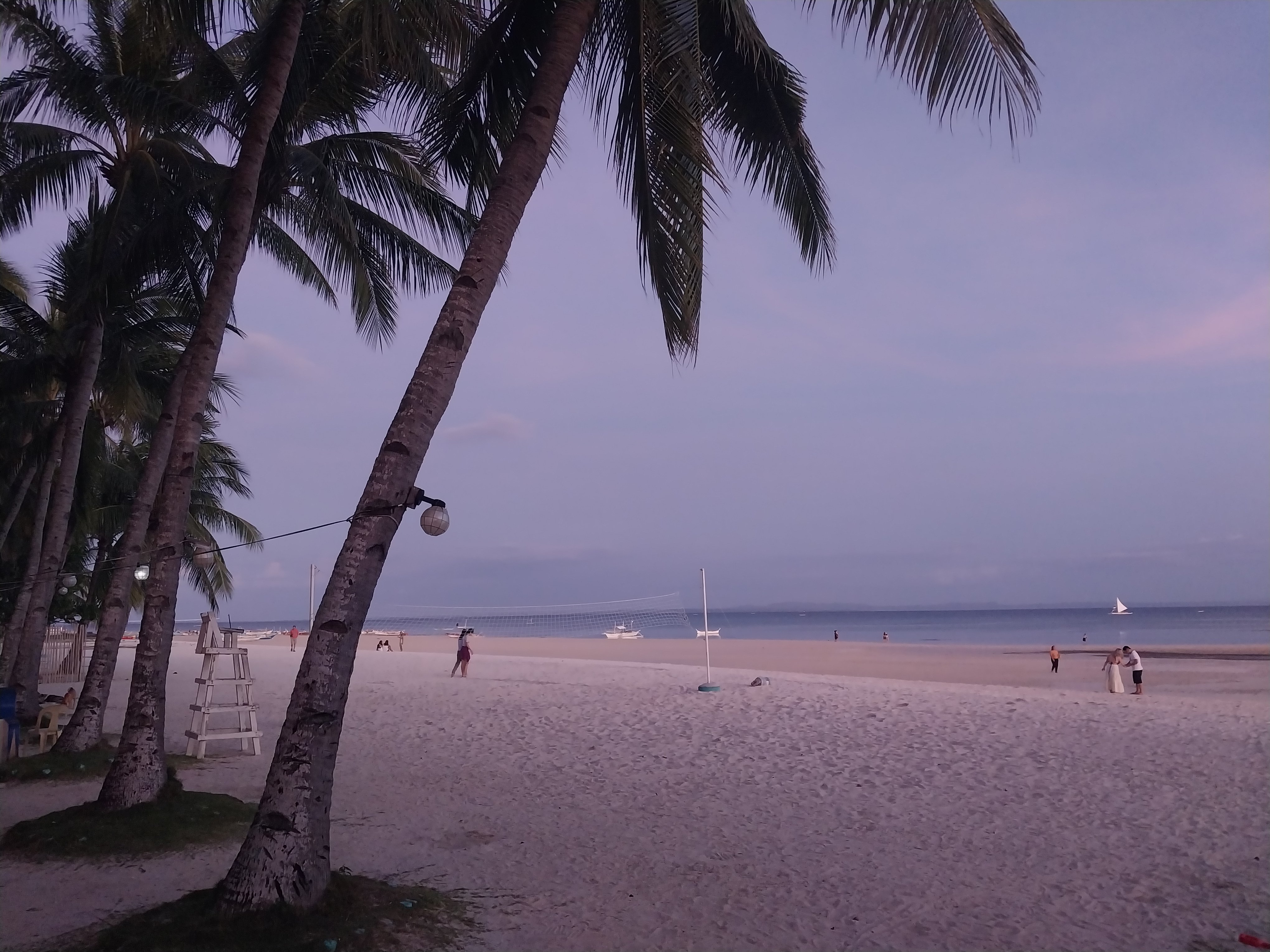
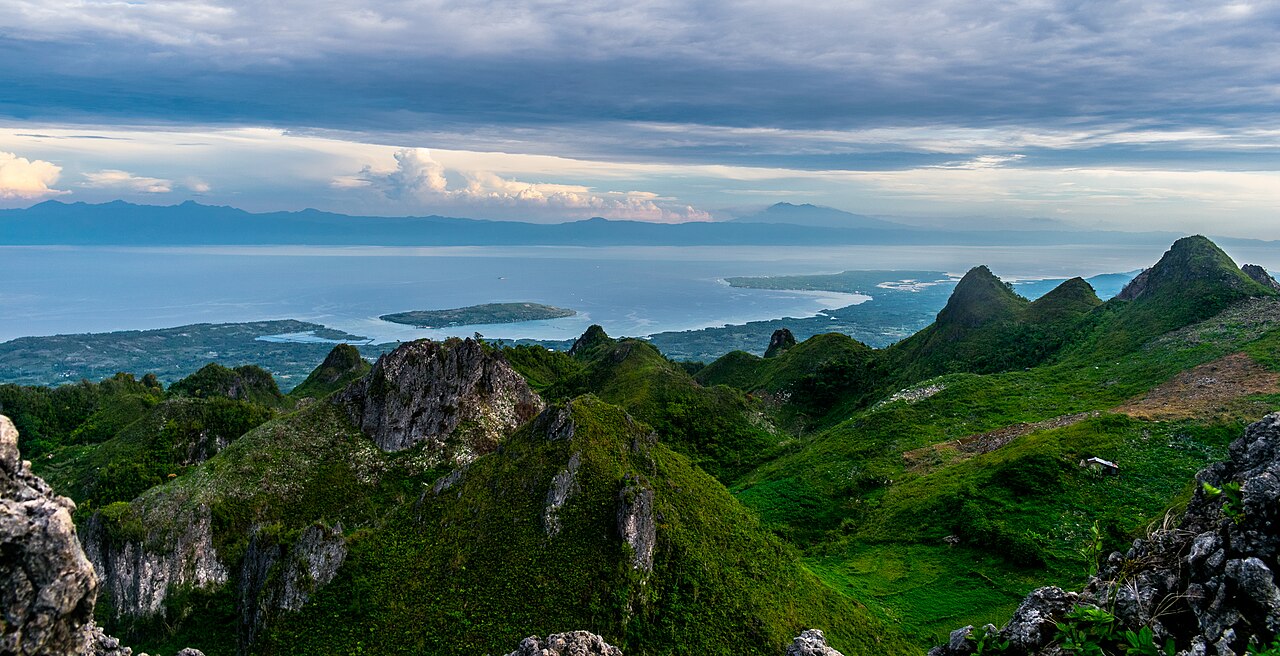
Most visitors base themselves in Cebu City, the provincial capital and the self-styled "Queen City of the South". The old town around Fort San Pedro and the Basílica del Santo Niño still carries the imprint of 300 years of Spanish rule, while Mactan — the airport island across the bridge — is lined with resorts and dive operators. Further afield, Bantayan island and Malapascua in the north draw divers and beach travellers, while Moalboal and Oslob on the south coast offer sardine runs and (controversially) whale-shark tourism. Inland, the green ridges of the central mountains produce most of the Philippines' mangoes.
The Cebuanos themselves are proud of their place. They speak their own language (Cebuano, not Tagalog), play their own basketball, and throw the country's biggest religious festival — Sinulog, in late January — which draws millions to the city for a week of drumming, dancing and devotion to the Santo Niño.