Mahasarakham
©
Mahasarakham

Mahasarakham

Isan college town whose universities give a young energy to otherwise untouristed central Thailand.

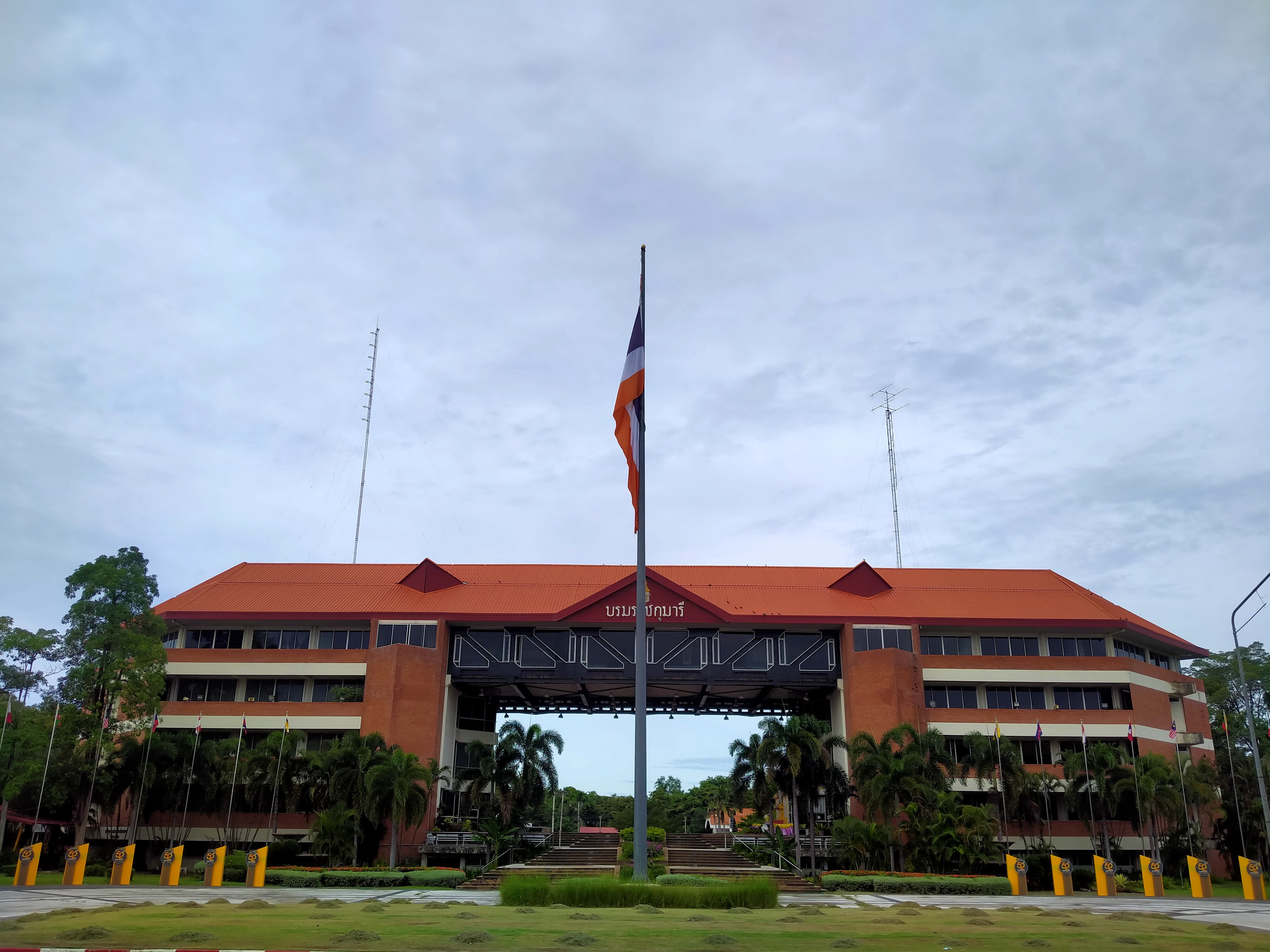
Mahasarakham is an Isan college town that few foreign visitors see. With seven institutions of higher learning — led by Mahasarakham University and its 30,000 students — it has the energy and cheap prices that come with a young population, without any of the tourist infrastructure. If you want to see a real central Isan town rather than a polished destination, this is a good place to do it.

The Museum of Northeastern Isan Culture on the MSU downtown campus is worth a visit for its overview of the region's history and traditions. The university's second campus at Khamriang, nine kilometres north of town, is striking in itself — modern brick buildings set against rice paddies where farmers still plough with buffalo.

The fresh food market near the central clock tower is the best window into daily life — and turns into a busy food street at dusk. The principal city temple Wat Mahachai holds a regionally important collection of palm-leaf manuscripts. For an outing further afield, the Dvaravati-era chedi at Phra That Na Dun is the closest thing the province has to a heritage destination. The best time to visit is November through January, when the weather is cool and dry.

Guide

Day Trips

Mahasarakham sits roughly equidistant between three of Isan's larger provincial capitals: Khon Kaen to the north, Roi Et to the east, and Kalasin to the northeast. Each is around an hour by bus and makes a comfortable day excursion. Khon Kaen has the regional museum and a better range of restaurants and shops. Roi Et has a pleasantly compact old centre around its central lake and the tall walking Buddha of Wat Burapha Phiram. Kalasin has the country's most important dinosaur fossil site at Phu Kum Khao, a worthwhile half day for anyone travelling with children.

For an unusual outing closer to home, the chedi of Phra That Na Dun an hour south of town is the closest thing the province has to a heritage destination — a modern monument over a major Dvaravati-period reliquary deposit. The route there passes through working agricultural country and gives a sense of rural Isan that the town itself does not.

Guide

Eating Out

This is a college town in Isan, which means cheap, plentiful, and unapologetically regional. You will eat well for 40 to 80 baht a meal almost anywhere; you will rarely eat anything dull. The standard Isan trio of som tam (papaya salad), gai yang (grilled chicken with sticky rice), and laap (a minced-meat salad with herbs, lime, roasted rice powder, and a great deal of chilli) is on every menu and gets better the further you get from the centre.

The food street that opens each evening around the central fresh market and clock tower is the best single place to graze. The other obvious zones are the streets running directly outside the downtown MSU gate, where students keep half a dozen noodle-soup, khao man gai, and stir-fry stalls in business until late, and the side streets around the Khamriang campus, which run cheaper and rougher. Look for gaeng om (a fragrant Isan herb stew), sai krok Isan (fermented rice-and-pork sausages), and neua dad diao (sun-dried beef, deep-fried until crisp).

Guide

Getting Around

Central Mahasarakham is walkable: the clock tower, the central market, the downtown MSU campus, and Wat Mahachai are all within a 15-minute walk of each other. For anything further — the Khamriang campus, Kaeng Loeng Chan, the long-distance bus station — songthaews (covered pickup trucks running fixed routes) and motorbike taxis are the local options.

Songthaews to Khamriang run from a stop near the clock tower roughly every 15 minutes during the day, with a fare of around 20 baht. Motorbike taxis cluster at the market and outside the university gates; agree the price (usually 40 to 80 baht for anything in town) before you climb on. Motorbike rental is cheap if you have the experience for it — 250 baht a day for a 110cc scooter is standard. There are no metered taxis. Bicycle rental is available from one or two small shops near the downtown campus and is a reasonable way to get to Kaeng Loeng Chan in the cool months.

Guide

Getting There

The nearest airport is at Khon Kaen, about 90 minutes away by bus. Flights connect Khon Kaen to Bangkok. From Khon Kaen's bus station, buses run to Mahasarakham every hour or so.

Direct buses from Bangkok's Northeastern Bus Station (Mo Chit) take about eight hours, with both daytime and overnight services. The night train from Bangkok to Khon Kaen is another option — arrive early morning and catch a bus onward.

Within the Isan region, frequent cheap buses connect Mahasarakham to Khon Kaen, Roi Et, and other nearby towns.

Guide

Things to Do

Mahasarakham's attractions are an Isan town's: a couple of working temples in the centre, a low-key cultural museum on the university campus, a fresh market that doubles as the town's living room, and a quiet lake or two on the outskirts where students cycle on Sunday afternoons. None of this is going to wrench you off the Chiang Mai-Bangkok-Phuket loop on its own merits — but if you have ended up here for any reason, there is enough to fill a long, slow day.

The best single thing to do in town is to wander between the central market, the Cultural Centre at the downtown MSU campus, and one of the food streets that run alongside the university gates. The most rewarding short trip out is to the Dvaravati-era Phra That Na Dun chedi an hour to the south.

Guide

When to Go

The best time to visit Mahasarakham is November to early February, the cool dry season for Isan, when daytime temperatures sit between 25 and 30°C and the mornings can be pleasantly cool. This is the part of the year when the rice harvest is finishing in the surrounding paddies and village festivals are most frequent.

March to May is the hot dry season, when temperatures push above 35°C and the air over central Isan becomes hazy from agricultural burning. The university summer break in April and May empties the town of students, and the food street and bar scene are noticeably quieter. June to October is the wet season — short, heavy afternoon storms rather than sustained rain, plenty of mosquitos, and lush green paddies. Avoid the week of Songkran (around 13–15 April), when long-distance buses are booked solid and prices spike, and Loy Krathong in November, when the candles on Bueng Bon make for a quiet but pretty evening if you happen to be in town.