Prachinburi
©
Prachinburi

Prachinburi

Quiet Thai province east of Bangkok, bordering Khao Yai and Thap Lan national parks.

Prachinburi is a quiet province about 135 kilometres east of Bangkok, largely bypassed by tourists heading for the coast or the northeast. That is part of its appeal. The province borders two of Thailand's great national parks — Khao Yai and Thap Lan — which together form part of the Dong Phayayen–Khao Yai Forest Complex, a UNESCO World Heritage Site. The eastern approach to Khao Yai through Prachinburi province sees far fewer visitors than the busy northern entrance via Pak Chong.

The province also has a deep history. Prachinburi was an important centre of the Dvāravatī Kingdom (6th–11th centuries CE), and the ruins and artefacts left behind — particularly at the ancient city of Sri Mahosot and Sa Morakot — are among the most significant Dvāravatī sites in Thailand. The Prachinburi National Museum holds a strong collection of finds from these excavations.

The provincial capital is a small, low-key town straddling the Prachinburi River, with a few colonial-era shophouses along the riverside and a quiet market district that has barely changed in decades. It rewards travellers who have their own transport and an interest in getting past the surface.

Guide

Getting There

Prachinburi is about 135 kilometres east of Bangkok — roughly 2.5 hours by car or bus, depending on traffic.

By road: Highway 304 is the most direct route from Bangkok, heading northeast through Chachoengsao and into the provincial capital. The road is well-maintained and fast outside peak hours. If you are driving yourself, Highway 304 also gives direct access to the national park zone further east: continue past Prachinburi town toward Kabin Buri to reach the fringes of the Dong Phayayen–Khao Yai Forest Complex.

By bus: Buses depart regularly from Bangkok's Ekkamai (Eastern Bus Terminal) and Mo Chit (Northern Bus Terminal) to Prachinburi. Journey time is 2.5 to 3 hours. Minivans also run from Ratchadaphisek area and are faster but less comfortable.

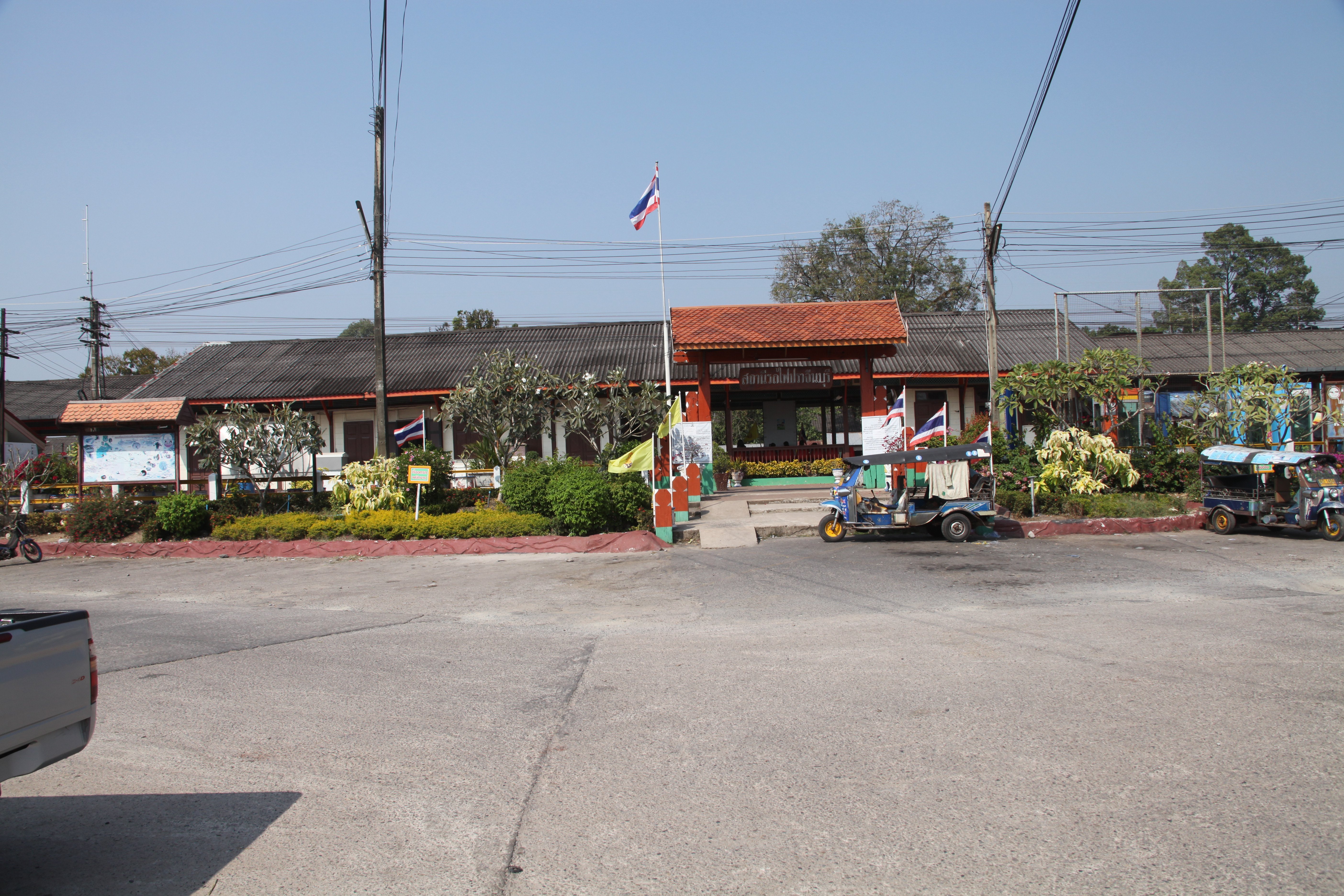
By train: Prachinburi has a railway station on the eastern line. Several trains a day run from Hua Lamphong station in Bangkok, with journey times of 3.5 to 4.5 hours on the ordinary trains. The line continues east toward Sa Kaeo. Train travel is slower than the bus but gives a more relaxed journey through the central plains.

From Khao Yai (Pak Chong): If you have already visited Khao Yai from the northern side, you can continue through the park and exit via the Prachinburi side — though check that the through-road is open, as it is sometimes restricted. Otherwise, backtrack to Pak Chong and take Route 304 south and east.

Guide

Things to Do

Prachinburi town itself is quiet, but the surrounding province has a good spread of natural and historical sights. The waterfalls are best visited during or just after the rainy season (June to October), when they are at their most impressive. The Khmer ruins and museum can be visited year-round.

Khao Ito Waterfall is a popular local picnicking spot surrounded by natural forest, with food stalls nearby. The Chakrapong Dam (Khao Ito Dam) is close by. Takro Waterfall, inside Khao Yai National Park, cascades over a series of huge rocks in a forested valley and is particularly dramatic during the wet season.

Prachinburi National Museum, behind the Provincial Hall, holds a fine collection of Dvaravati and Khmer artefacts from the ancient city of Sri Mahosot. Morakot Historical Park at Wat Sramorakot (23 km from town via Route 319) contains a group of ruins dating from the 14th to 18th centuries. Nearby, Sa Morakot is an ancient Khmer reservoir at Ban Sa Khoi village, where the original laterite sluices and Naga sculptures survive.

Wat Phra Si Maha Pho in Amphoe Khok Pip, about 20 km from town, is home to the largest and oldest Bodhi tree in Thailand, grown from a seedling brought from Bodh Gaya in India.