Udon Thani is a mid-sized city in Thailand's northeastern region of Isan, some 560 kilometres from Bangkok. It rarely makes it into the top-ten lists, but that is part of the appeal — the streets are easy to navigate, the food is excellent and cheap, and the pace of life is genuinely relaxed.
The city's greatest claim to fame lies about 56 kilometres to the east: Ban Chiang, a UNESCO World Heritage Site where excavations have uncovered pottery and bronze artefacts dating back more than 3,000 years, making it one of the most important prehistoric sites in Southeast Asia. The swirling red patterns on Ban Chiang pots show up on souvenirs and café walls all over the city.
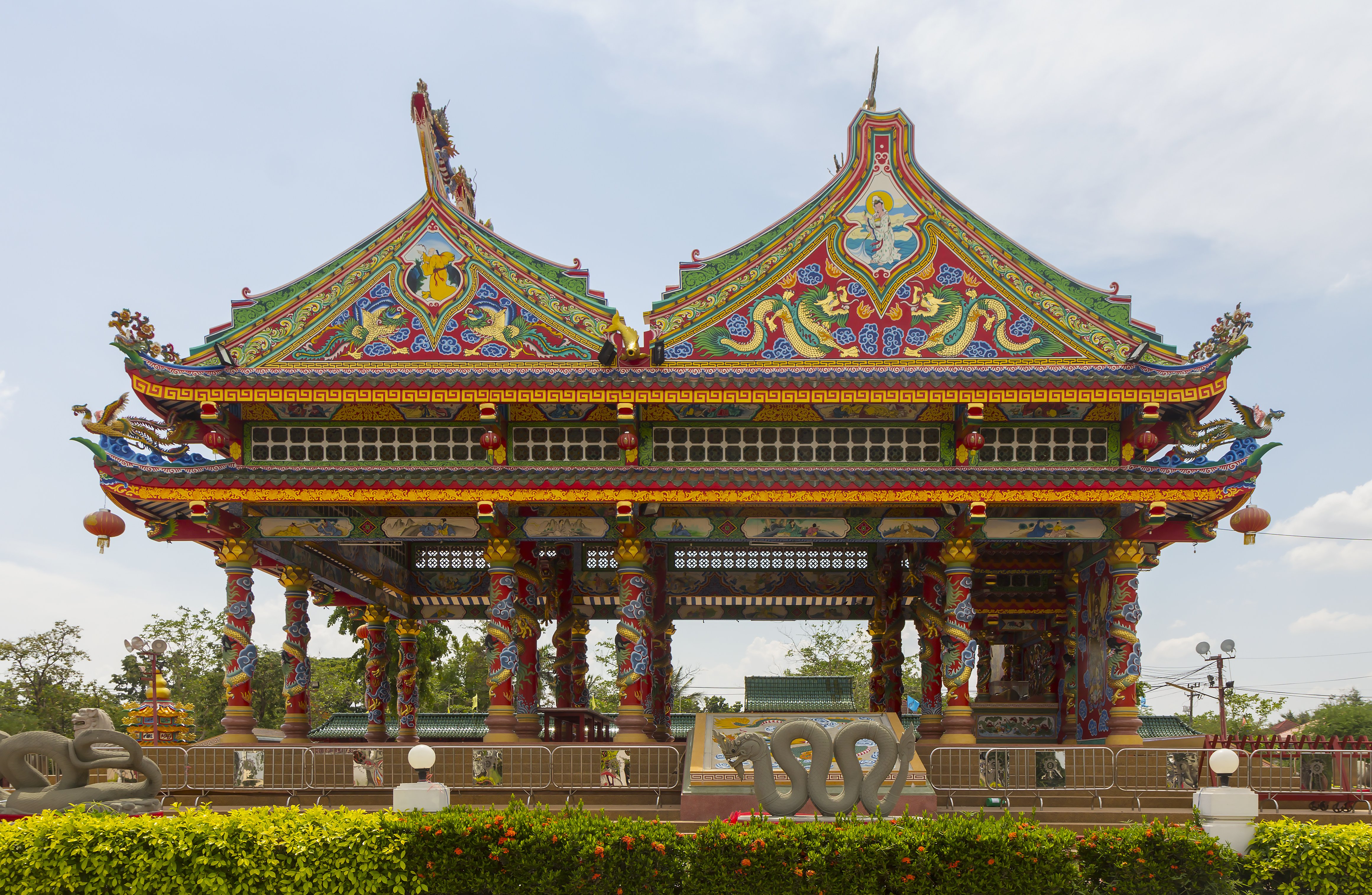
In town, Nong Prachak Lake — the large body of water in the northwestern part of the city — is where locals come to exercise, eat street food in the evening, and watch the lotus flowers drift. It is a good place to get your bearings and feel the rhythm of the city. Just east of the lake, the Pu-ya Shrine is the busy heart of Thai-Chinese religious life in Isan. Further afield, the Red Lotus Sea at Kumphawapi turns pink each winter, and Phu Phra Bat hides Dvaravati-era Buddhist carvings among mushroom-shaped rocks.
Udon Thani grew significantly during the Vietnam War, when a large US air base operated nearby and brought a wave of infrastructure and international residents. That history has left the city with a broader-than-usual expat community and a handful of international restaurants and services that make it easier to use as a base for exploring the surrounding region.