Liwa
©
Liwa

Liwa

Abu Dhabi oasis chain on the Rub al Khali edge, homeland of ruling families and giant dunes.

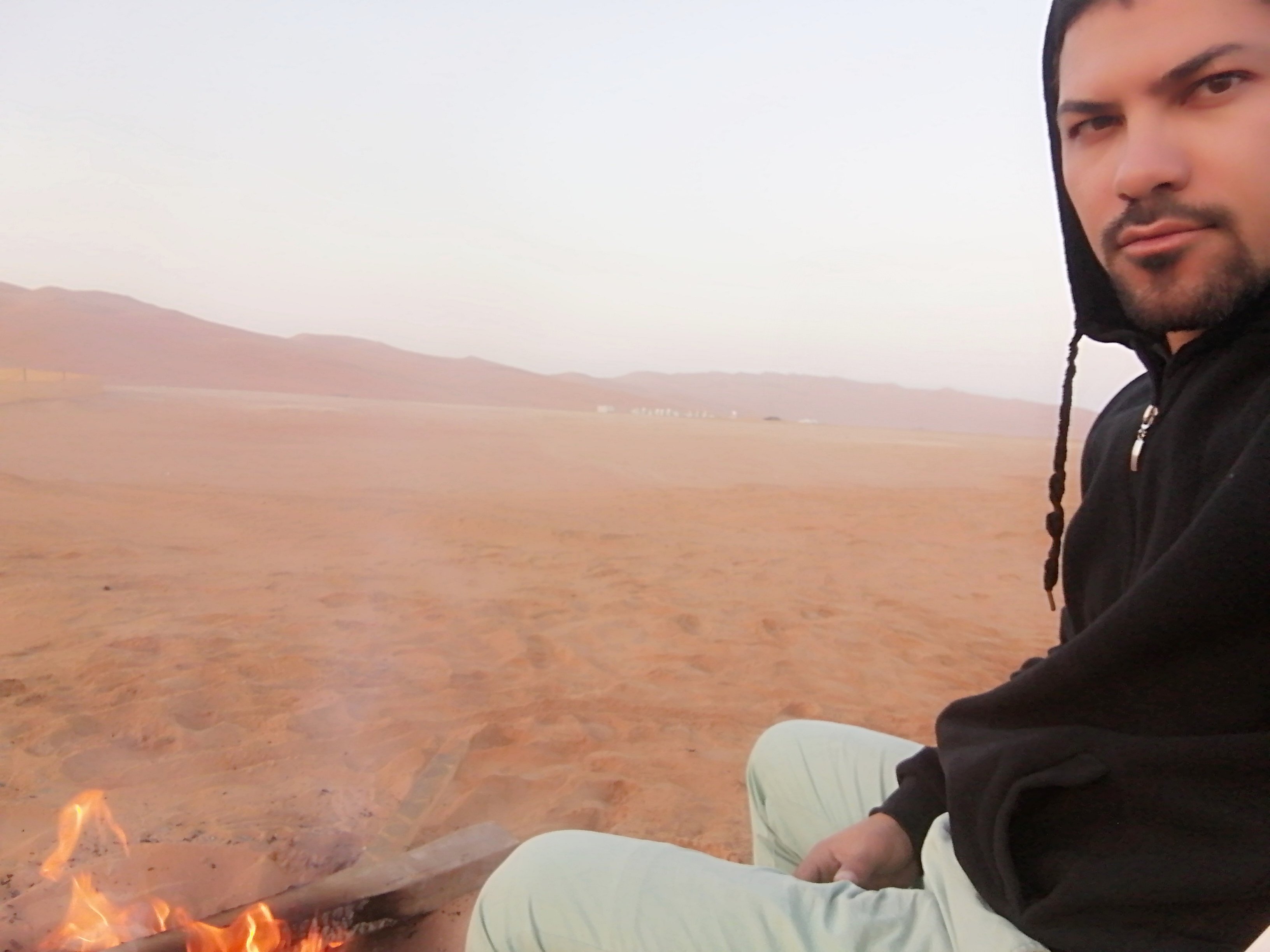
Liwa is a string of oasis settlements along the northern edge of the Rub al Khali — the Empty Quarter — in the Western Region of Abu Dhabi. It is the ancestral homeland of the ruling families of both Abu Dhabi and Dubai, and the landscape is as dramatic as anywhere in the UAE: enormous orange sand dunes rising to over 300 metres, date palm plantations in the valleys between them, and very little else.

The main reason to come here is the desert itself. The dunes around Tal Moreeb, one of the tallest in the world, are popular for dune bashing and sandboarding. The Liwa International Festival in late December and January draws visitors for dune-climbing races, camel competitions, and a date market. The Qasr Al Sarab resort, built to look like a desert fortress, sits among the dunes south of town and is worth seeing even if you are not staying there.

Liwa is about 300 kilometres southwest of Abu Dhabi city, roughly a three-hour drive. There is no public transport — you will need a car, preferably a 4x4 if you plan to go off-road. Bring water and fuel; services are sparse once you leave the main road.

Guide

Getting There

Liwa is about 300 km southwest of Abu Dhabi city, a drive of roughly three hours on the E11 highway via Madinat Zayed. There is no public transport to or within Liwa — a car is essential, and a 4x4 is strongly recommended if you plan to venture off the tarmac onto the dunes. Hire cars are available in Abu Dhabi city and at the airport; make sure your insurance covers off-road driving if you intend to use it.

Fuel up in Madinat Zayed before heading south — petrol stations become sparse along the Liwa road. Bring water. Mobile coverage is thin in the more remote areas of the oasis.

Guide

Things to Do

Liwa's main draw is the desert itself. The Rub al Khali — the Empty Quarter — begins right at the settlement's southern edge, and the dunes here are among the largest in the world. Tal Moreeb, the most famous of them, tops 300 metres and draws dune bashers and sandboarders year-round. The access road is paved; everything beyond it is very much not.

The date palm plantations of the oasis are worth exploring at a slower pace. The trees grow in long rows between the dunes, irrigated by underground channels that have kept this stretch of desert productive for millennia. The Khalas dates grown here are considered the finest in the UAE — small, amber, and almost caramel-sweet.

In winter the Liwa International Festival brings a liveliness to the area that is otherwise absent. There are dune-climbing races, camel competitions, and a date market. The rest of the year, Liwa is quiet, hot, and — in its own austere way — spectacular.

Guide

When to Go

October through March is the only sensible time to visit. Daytime temperatures are manageable — typically 18–28°C — and nights in the desert can be genuinely cool. Between April and September, daytime heat regularly exceeds 45°C, making outdoor activity dangerous and the dunes unpleasant to touch.

The Liwa International Festival takes place in late December and early January, coinciding with the date harvest season. It is the most animated time to visit, with races, markets, and visitors from across the Emirates. Book accommodation well in advance if you plan to come then.