Dubai is the spectacle of the modern Arabian Peninsula — a trading post that, in the span of a single generation, transformed itself from a small pearl-diving settlement into a global financial centre with the world's tallest building, the busiest international airport by passenger traffic, and enough engineered islands, indoor ski slopes, and seven-star hotels to make Las Vegas look restrained. Love it or hate it, there is no other city quite like it.
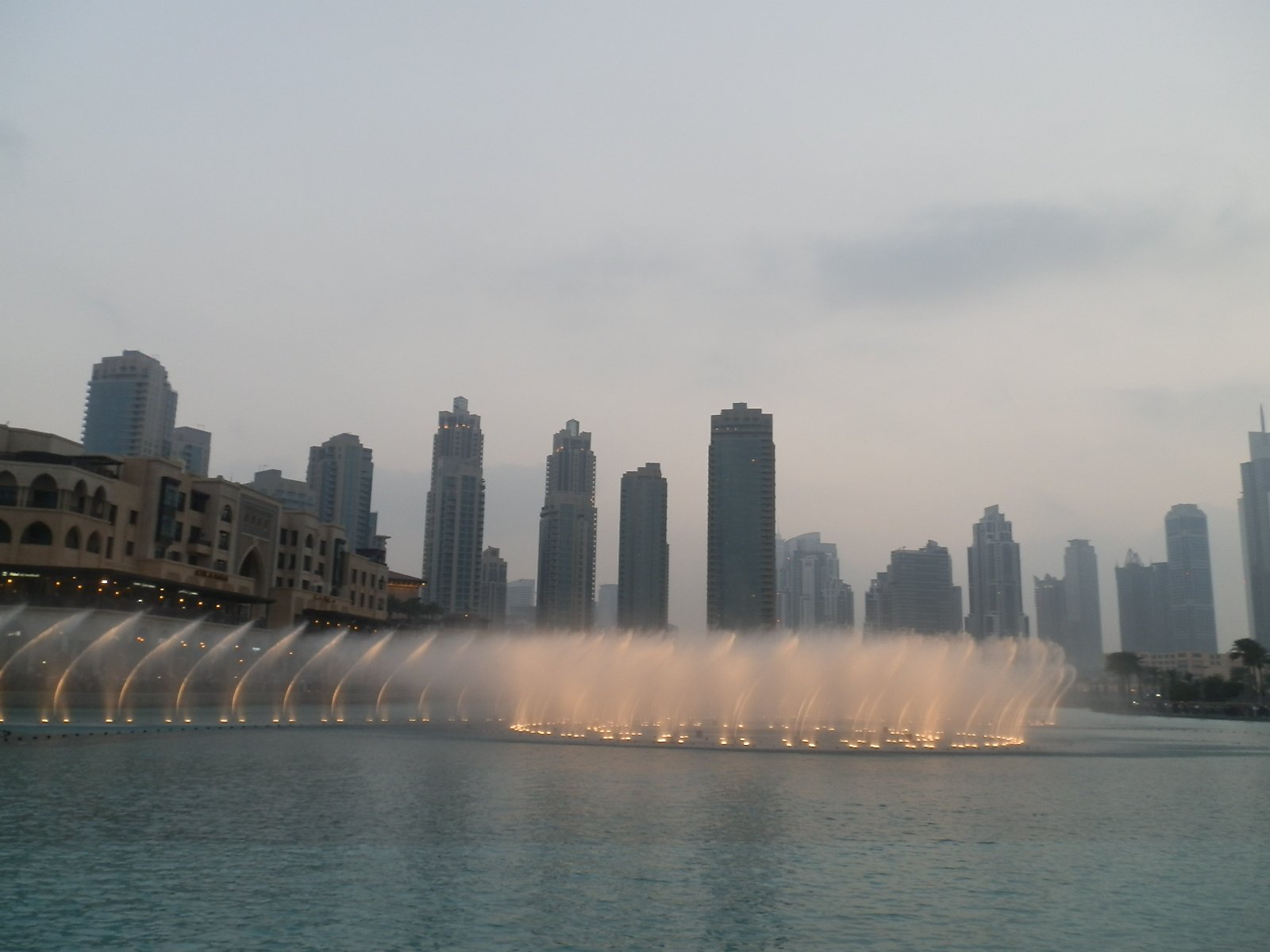
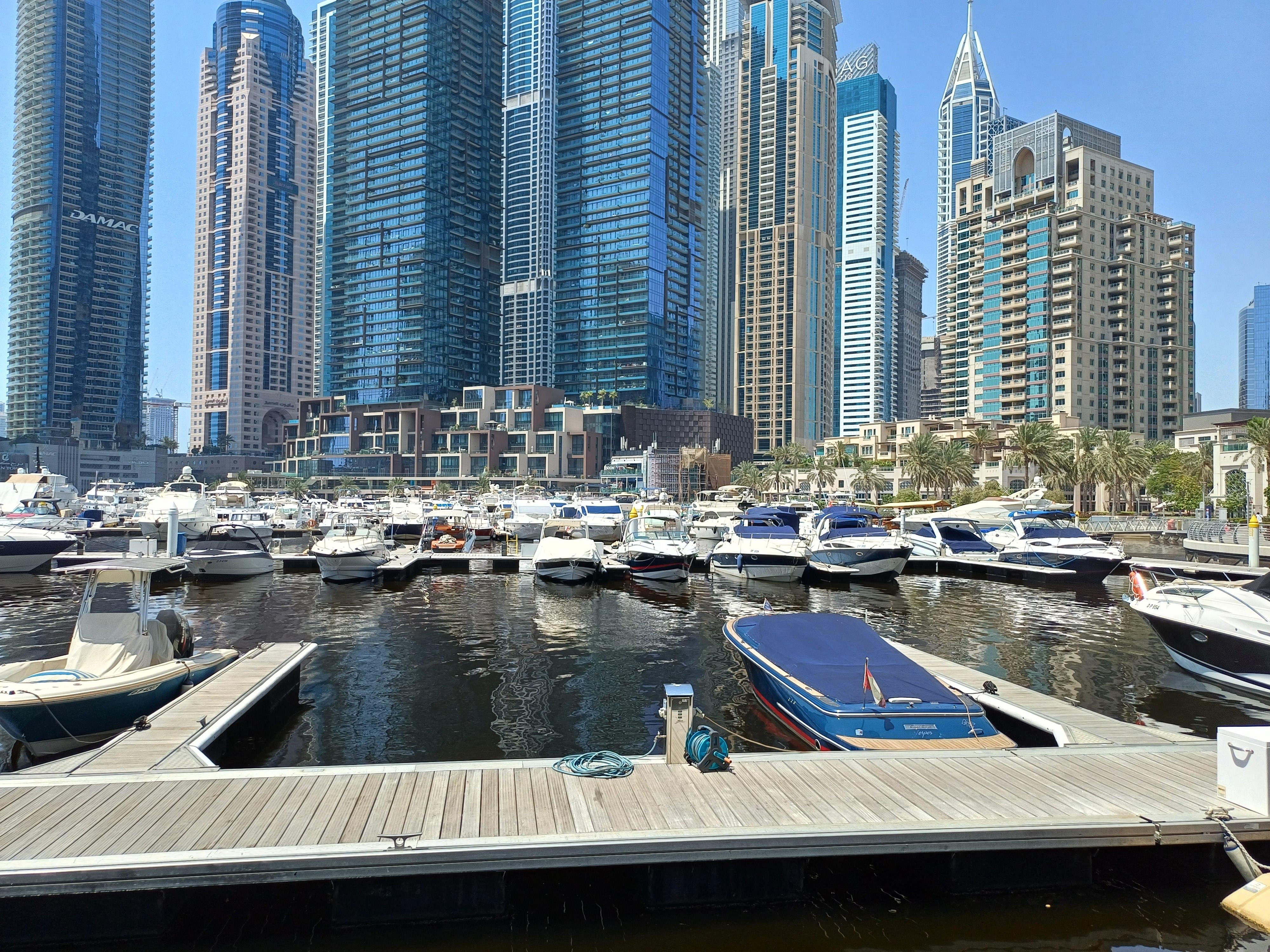
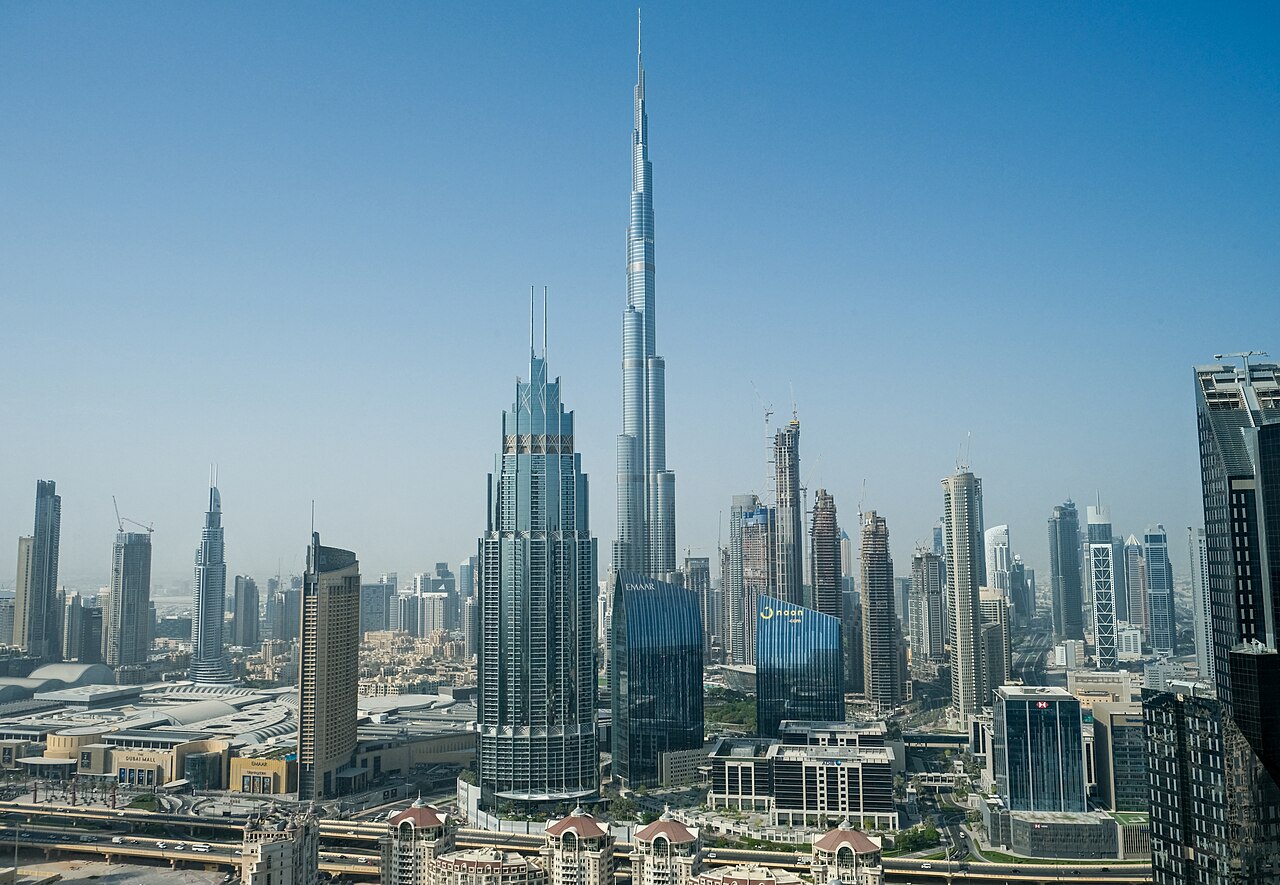
The Burj Khalifa — 828 metres, the tallest structure in the world — dominates the skyline of Downtown Dubai along Sheikh Zayed Road. Its 124th and 148th floor observation decks are open to visitors; book tickets well in advance for sunset. At its base, the Dubai Mall is one of the largest in the world (an indoor aquarium, an ice rink, 1,200 shops) and the nightly Dubai Fountain water-and-music show in the lake outside is well worth the ten-minute wait. Further south, the man-made canal city of Dubai Marina holds the New Dubai high-rises and a 3.5 km waterfront promenade lined with restaurants.
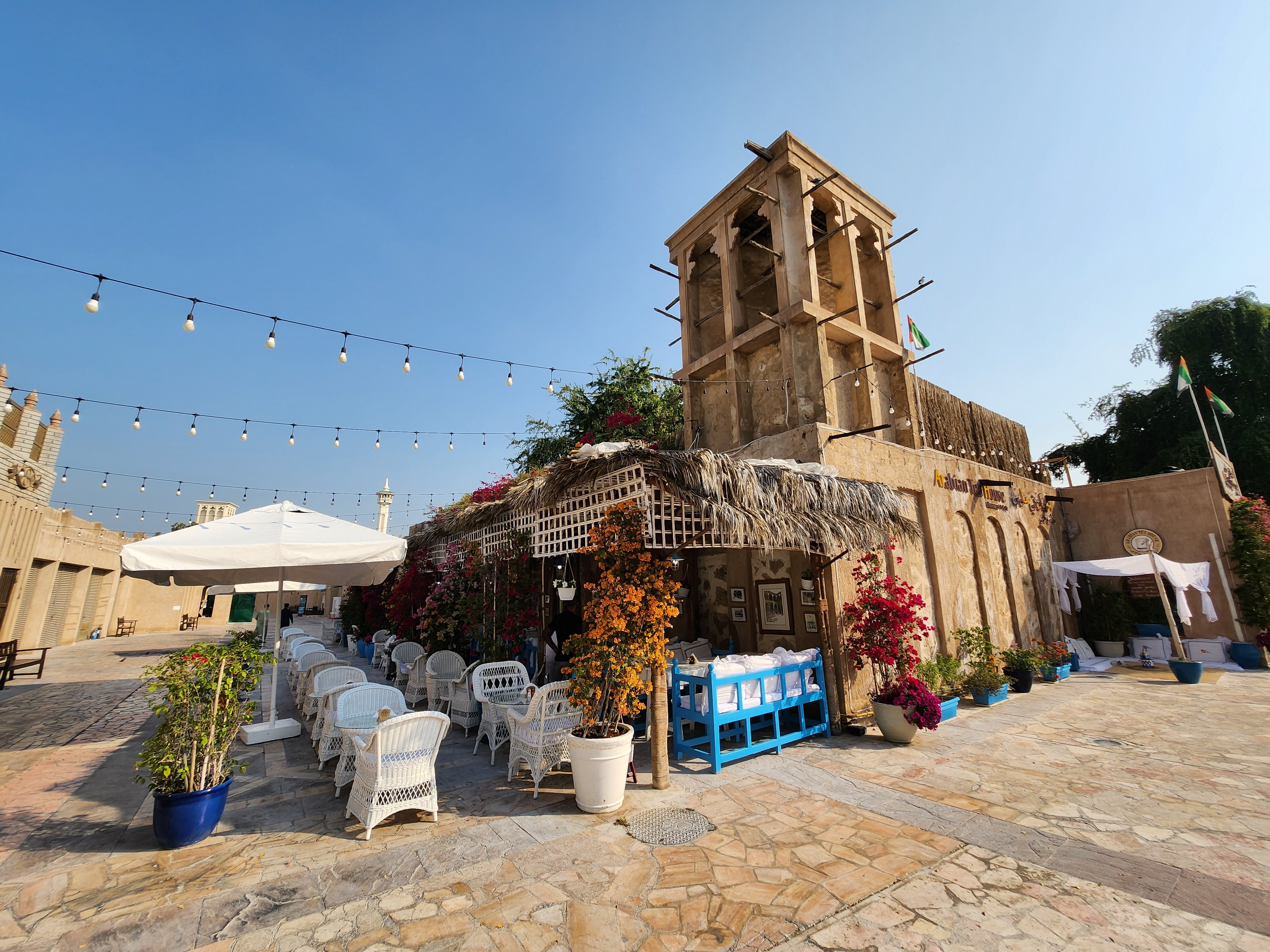
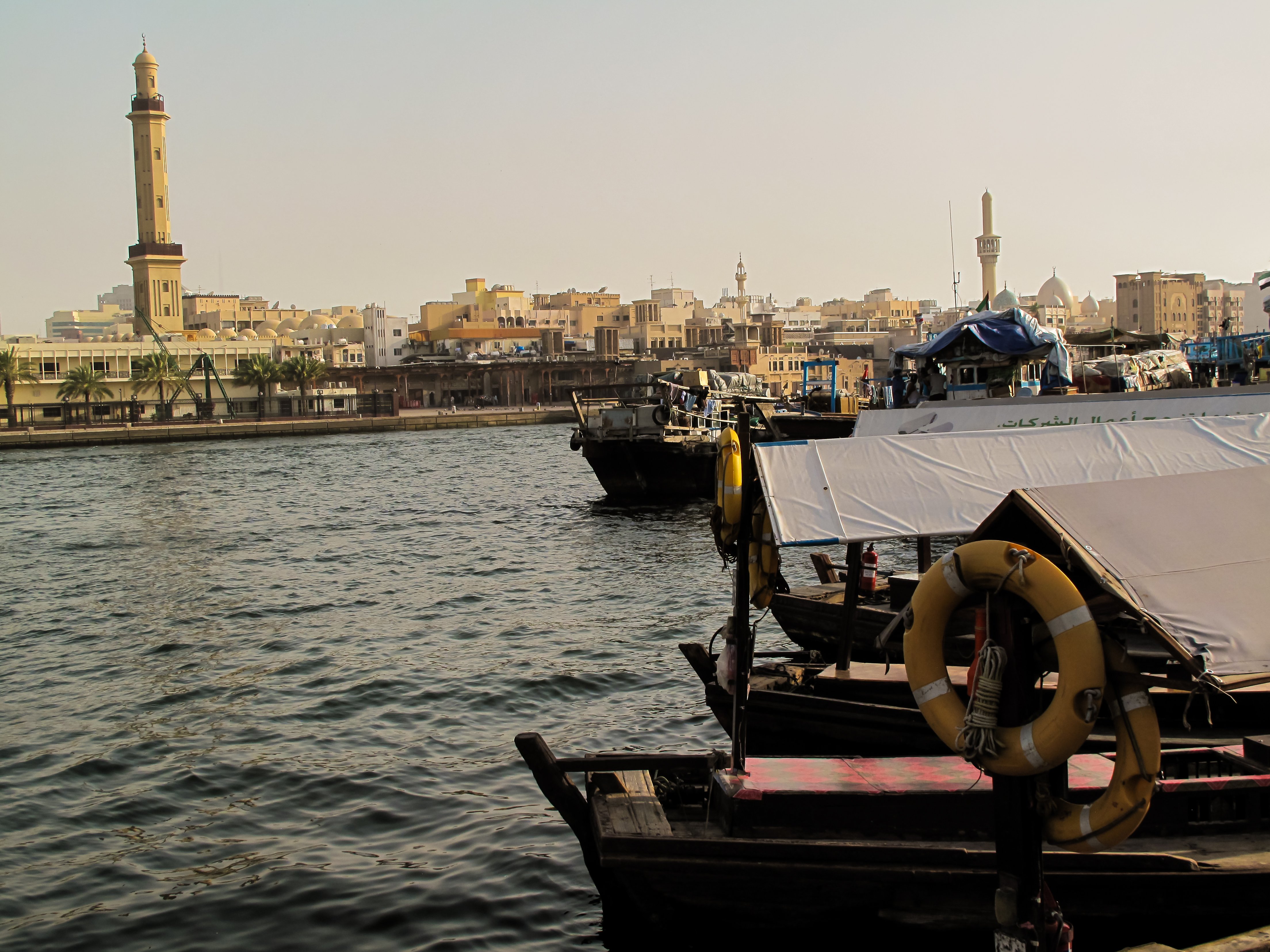
For a sense of the pre-oil city, head to the Al Fahidi Historical Neighbourhood (Bastakiya) — a quarter of restored coral-block merchants' houses in the old Bur Dubai district, with courtyards, traditional wind towers (barjeel), and the Dubai Museum in the 18th-century Al Fahidi Fort. From Bastakiya, small wooden abra water taxis cross the Dubai Creek for one dirham (less than 30 US cents) to the Deira side, home to the Gold Souk and Spice Souk — the chaotic, pungent side of Dubai that still exists beneath the glass towers.
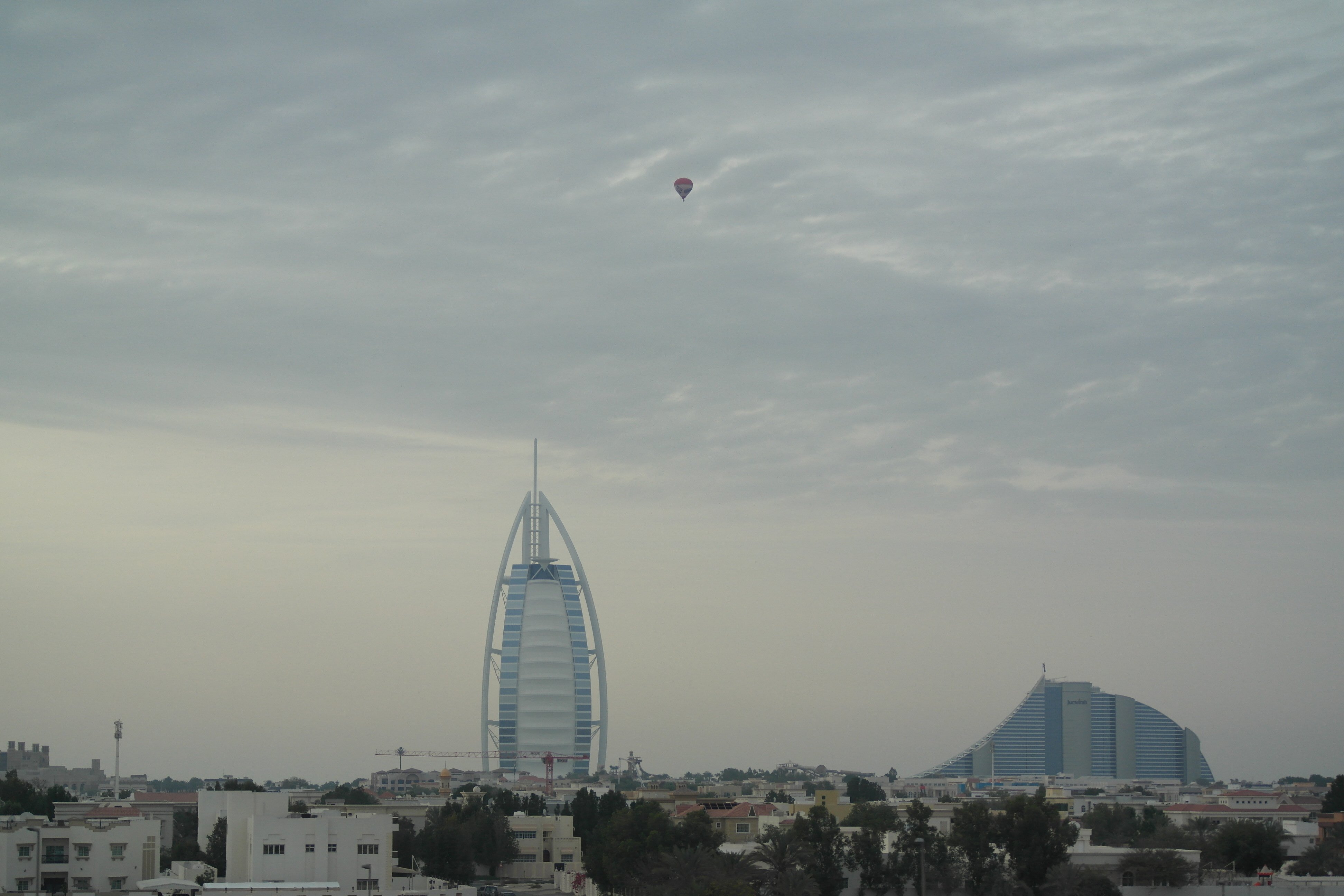
The Jumeirah strip along the coast holds most of the famous beaches and hotels, including the sail-shaped Burj Al Arab and the palm-tree-shaped artificial island of Palm Jumeirah with the enormous Atlantis water park at its tip. Kite Beach is the most accessible public beach and probably the best.
Out of town, the Hatta enclave in the Hajar mountains is an easy day trip (90 minutes by car through Oman — bring passports); the desert safari begins immediately east of the city and 4x4 dune-bashing tours combined with camel rides and Bedouin-style dinner camps are the classic Dubai excursion. The Al Marmoom Camel Racing Track is a more local experience, with robot jockeys and early-morning weekend races that draw no tourist infrastructure.
Dubai runs on air-conditioning from May to October when temperatures routinely exceed 40°C and humidity is brutal. November to March is the good season — warm days, cool evenings, and a calendar packed with food festivals, golf tournaments, tennis and horse-racing. The dress code is relaxed by Gulf standards but covering shoulders and knees away from the beaches and hotel pools is expected. Alcohol is available in hotel restaurants and licensed bars but not in most restaurants.