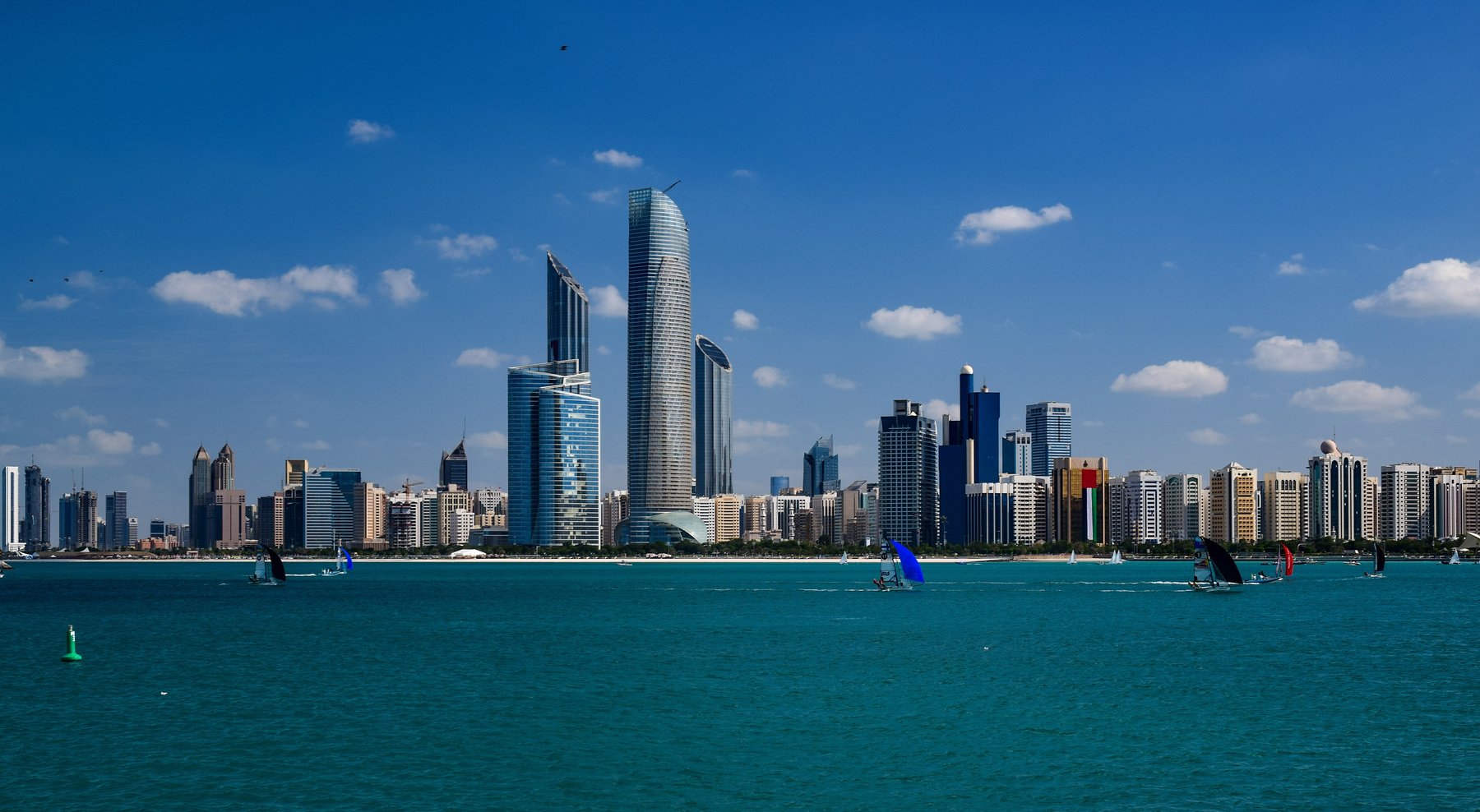
The United Arab Emirates is a federation of seven emirates on the southeastern tip of the Arabian Peninsula, bordered by Saudi Arabia to the south and west and Oman to the east. It has transformed itself within a single generation from a collection of pearl-diving and fishing settlements into one of the wealthiest countries in the world, built on oil revenues and a determined project of urban development and economic diversification.
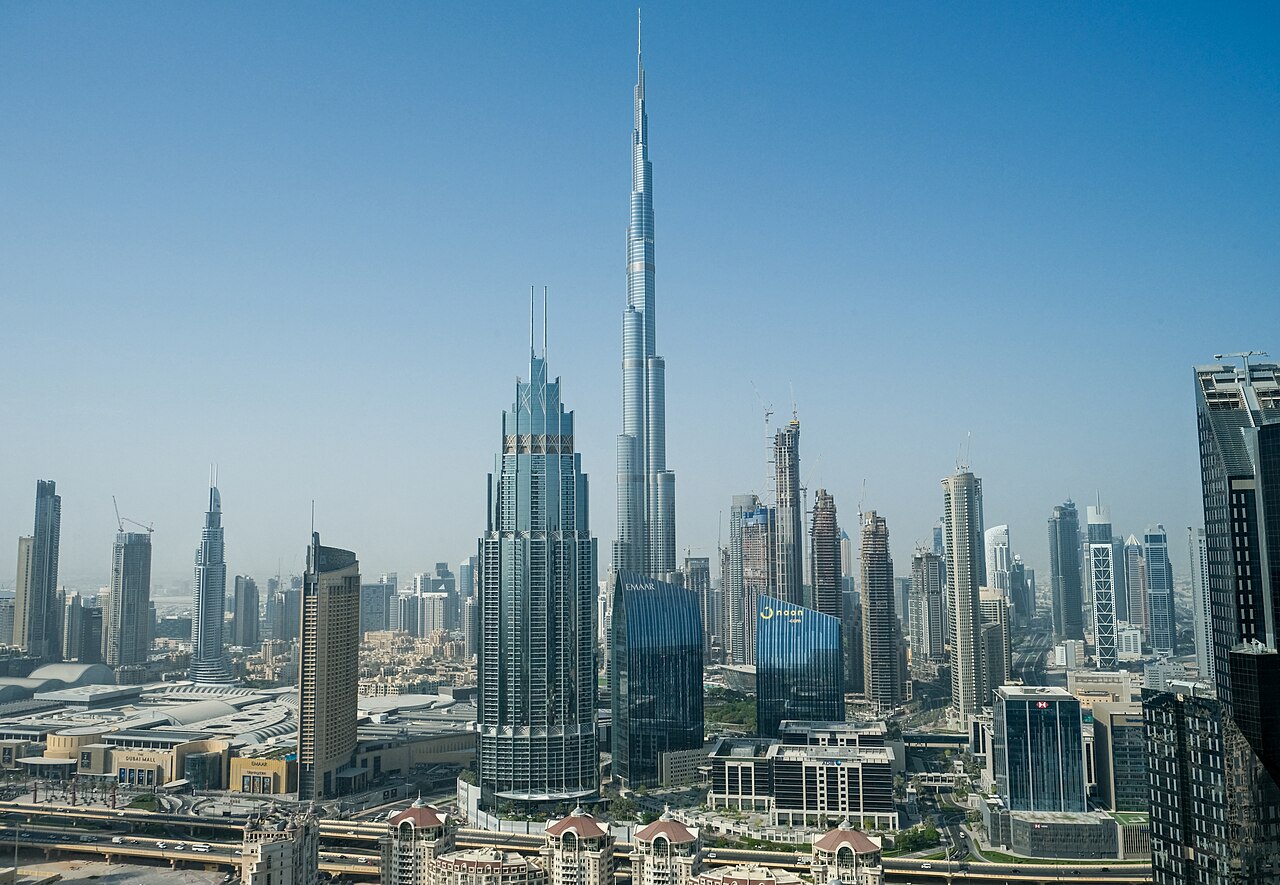
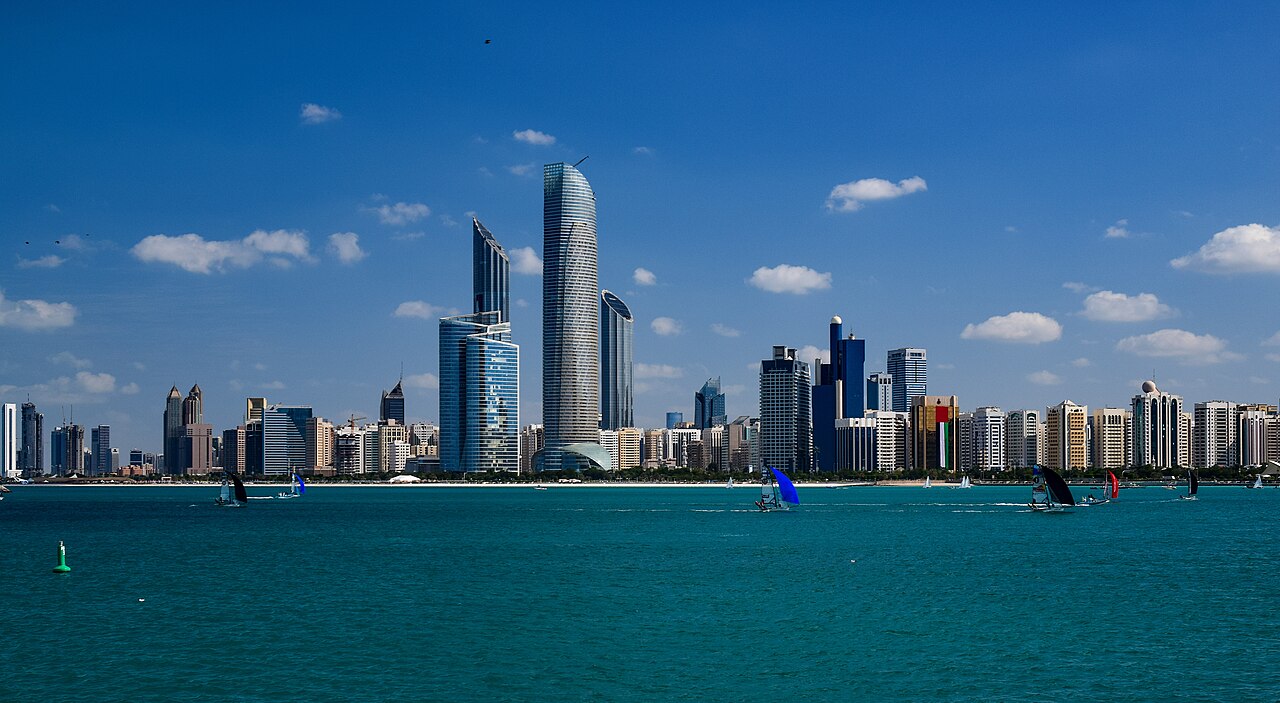
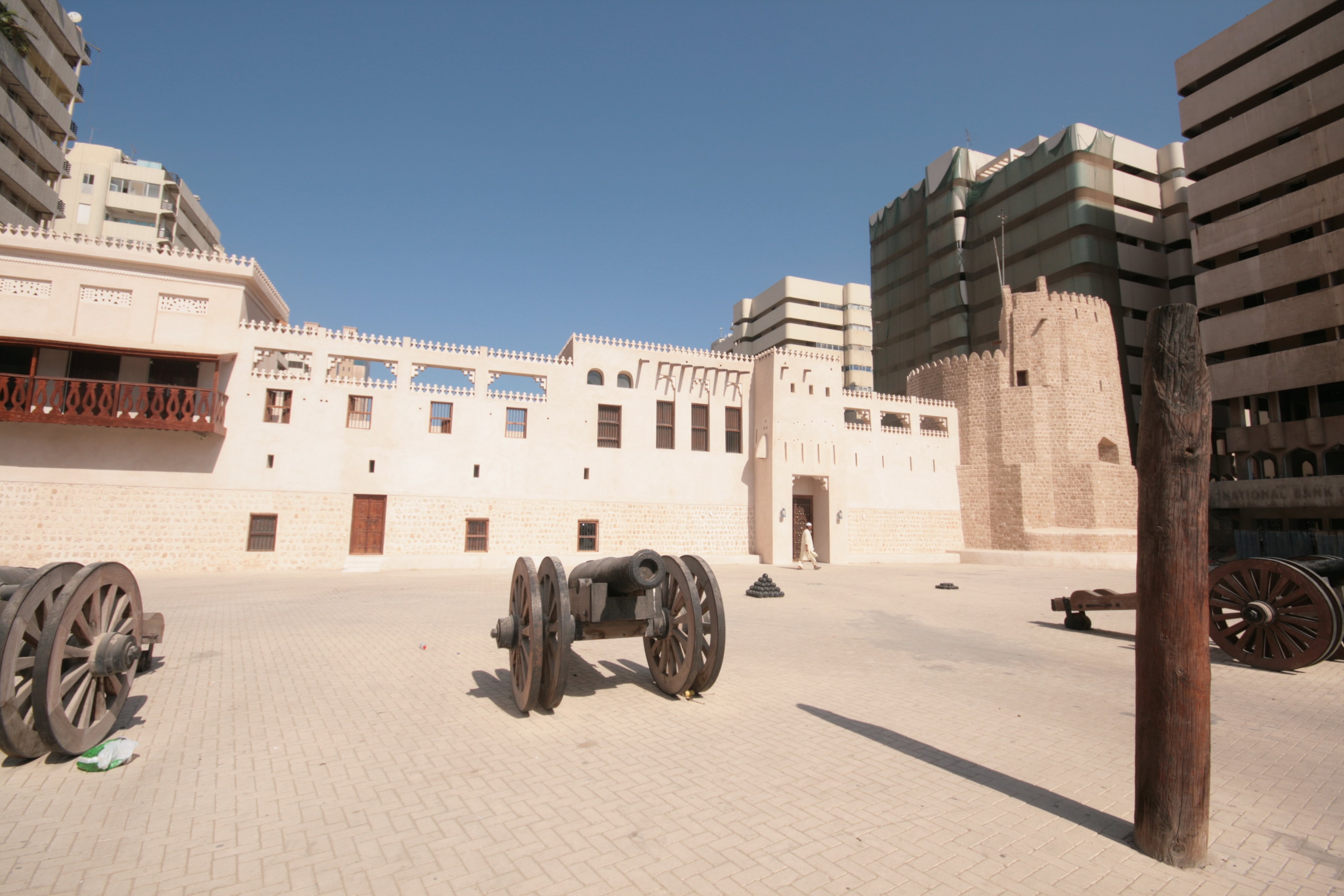
Dubai is the most visited of the seven, a global city that has staked its reputation on superlatives: the tallest building, the largest shopping mall, the most ambitious artificial islands. It rewards those who engage with it on its own terms — the old Creek district, the gold and spice souks, and the neighbourhood of Al Fahidi still carry traces of the pre-oil city — but it is fundamentally a 21st-century invention. Abu Dhabi, the capital and largest emirate, has a more stately character and is home to the Louvre Abu Dhabi, the Sheikh Zayed Grand Mosque, and the oil wealth that underwrites the federation. Sharjah, between them, has reinvented itself as a cultural emirate with exceptional museums.
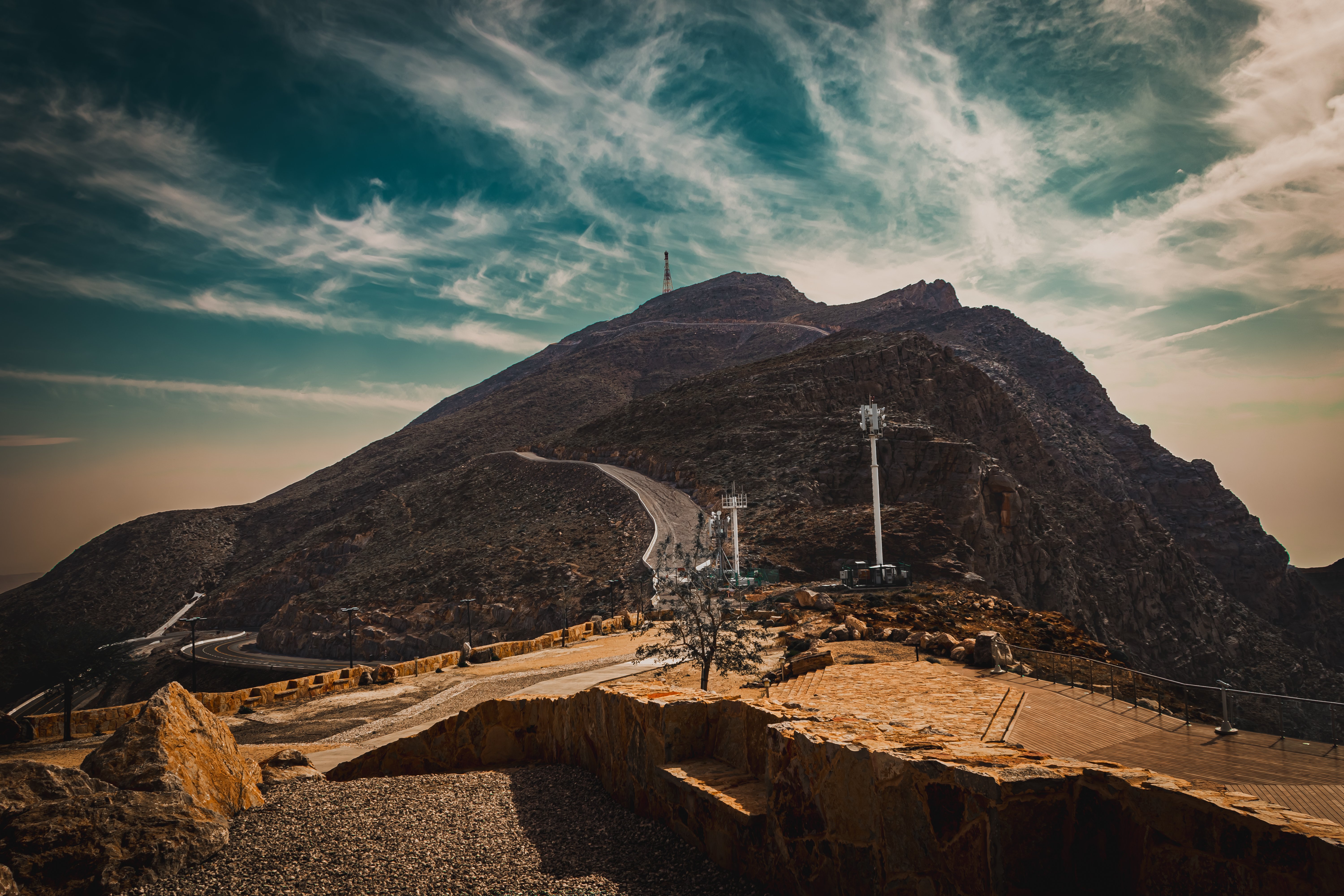
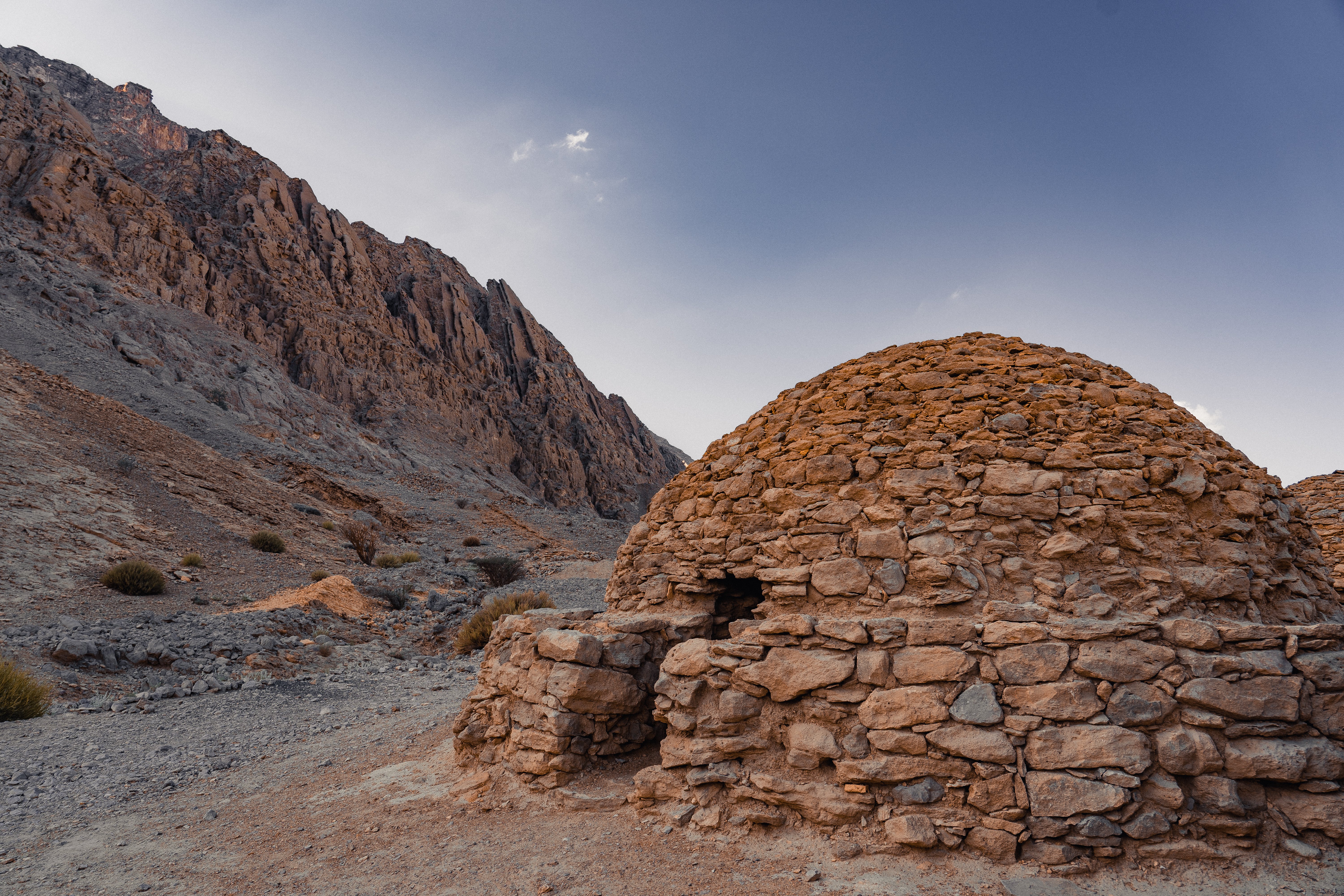
The outer emirates — Fujairah on the Gulf of Oman coast, Ras Al Khaimah in the north, Ajman and Umm Al Quwain on the Gulf — are less developed and offer a different, quieter experience. Fujairah in particular has good snorkelling and diving, rugged mountain scenery in the Hajar range, and the oldest mosque in the UAE at Badiyah. Al Ain, inland in the Abu Dhabi emirate, is an oasis city with UNESCO-listed falaj irrigation systems and a well-preserved old market. The Liwa oasis in the Empty Quarter is the most dramatic desert landscape, with dunes that rival anything in the Sahara.