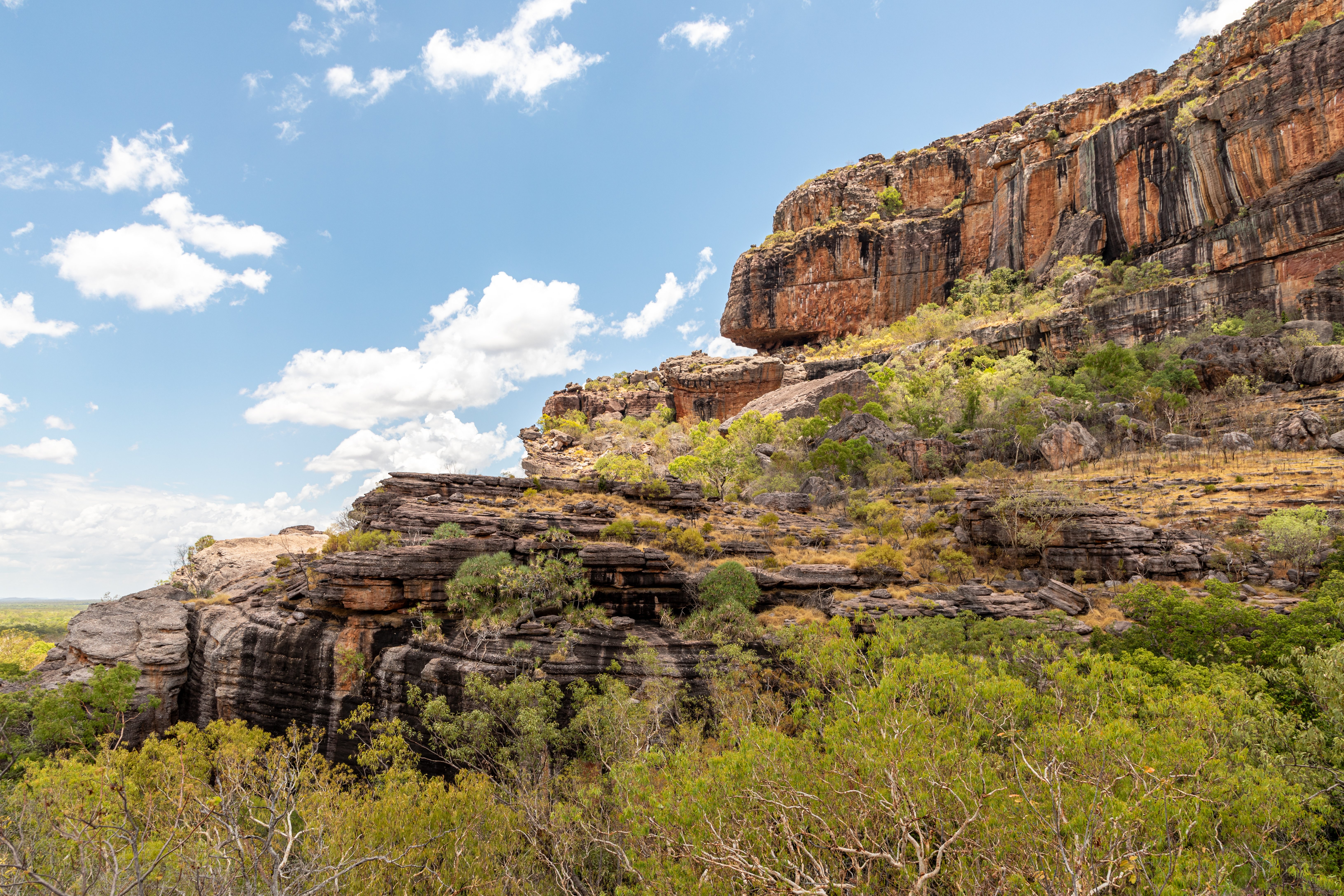
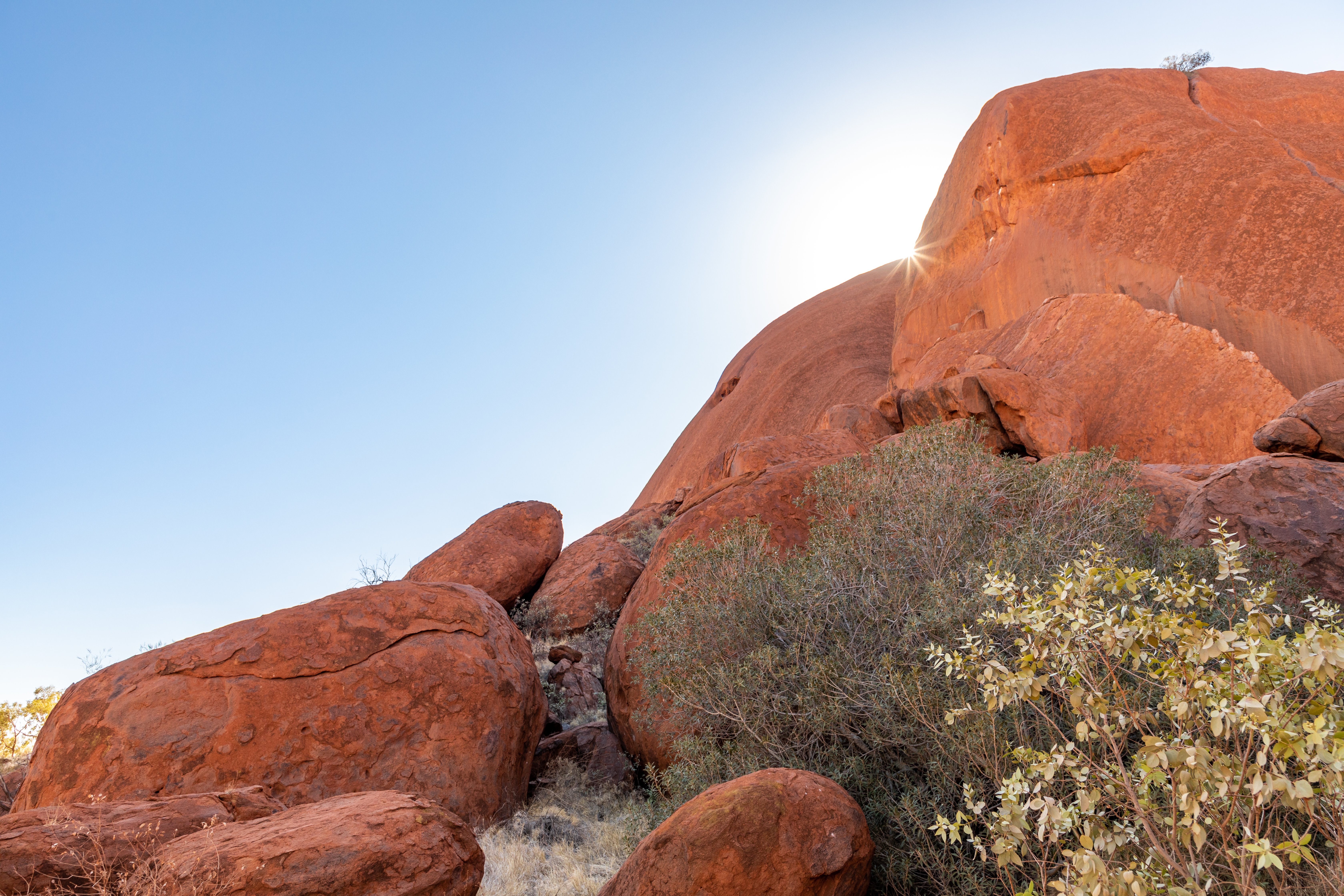
The Northern Territory covers roughly one-sixth of Australia's land area but holds less than one percent of its population. It is a place of enormous distances, extreme climates, and landscapes that have no equivalent on earth. The red desert of the Centre, the monsoon wetlands of the Top End, and the ancient sandstone ranges between them are all here, along with some of Australia's most significant Aboriginal cultural sites and national parks.
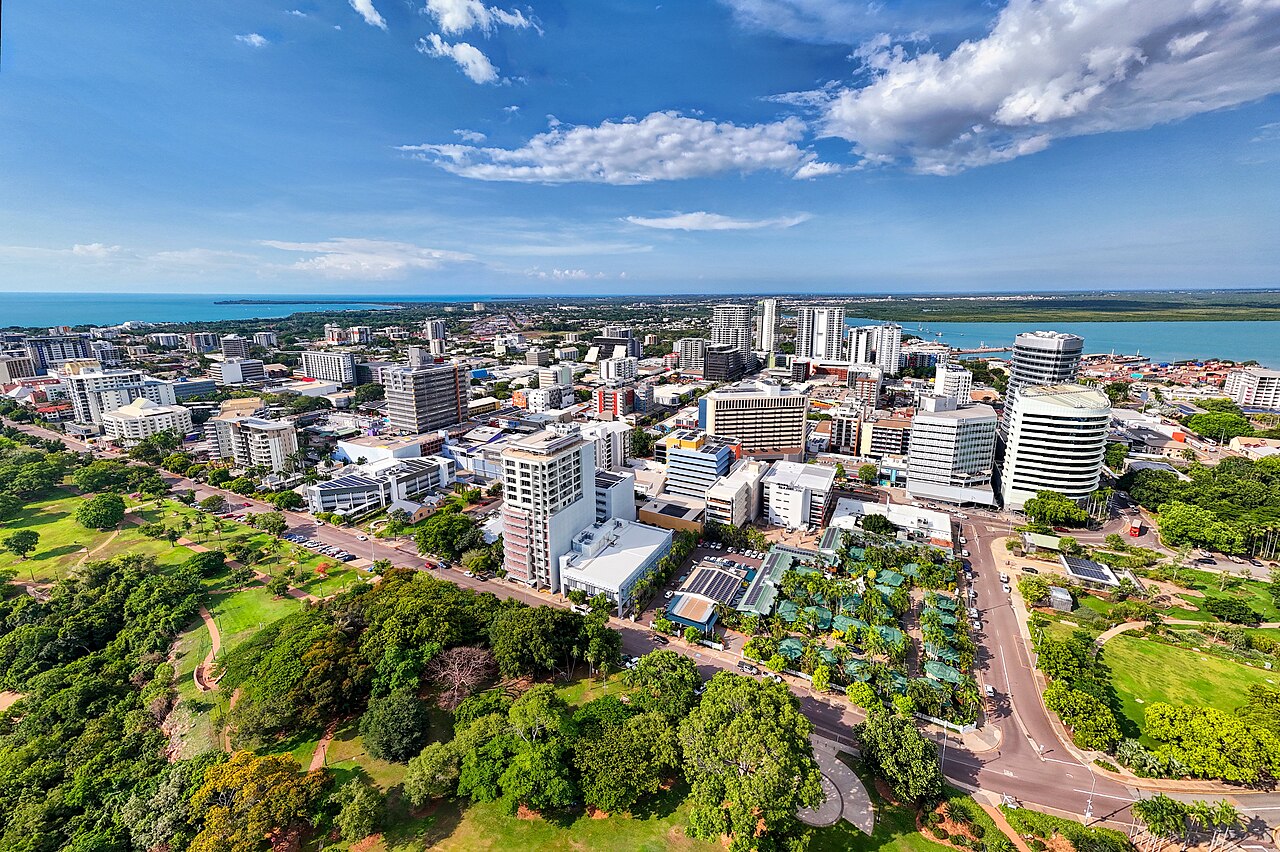
Darwin is the capital, a compact tropical city at the Top End that was bombed by Japan in 1942 and flattened by Cyclone Tracy in 1974. It has rebuilt with considerable energy and now serves as the gateway to Kakadu National Park to the east, which contains Aboriginal rock art dating back tens of thousands of years, vast floodplains full of birds and crocodiles, and waterfalls that drop from sandstone escarpments in the wet season. Litchfield National Park, an hour south of Darwin, is less visited and has excellent crocodile-free swimming holes under its waterfalls.
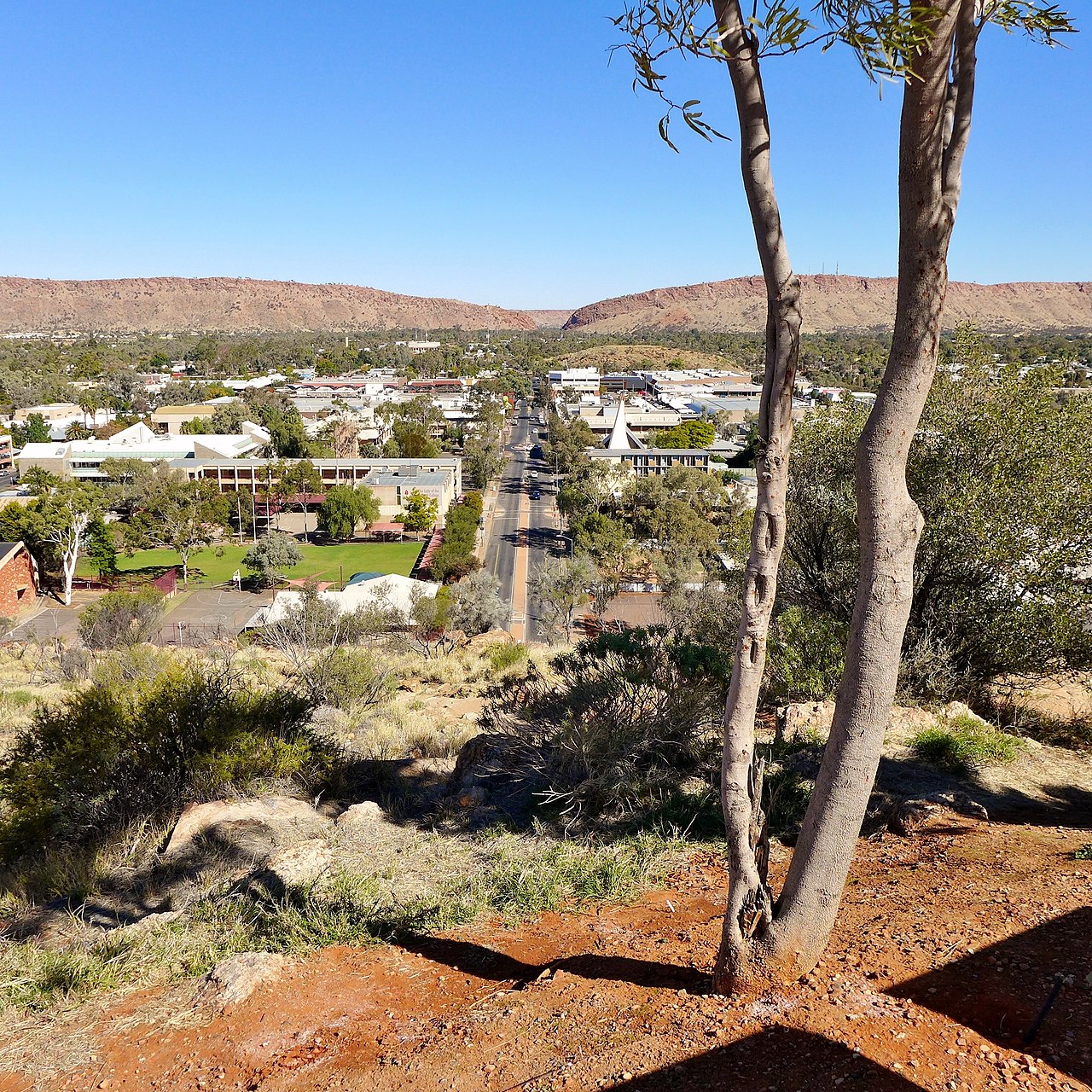
Alice Springs is the hub of the Red Centre, a surprisingly lively town in a valley of the MacDonnell Ranges about 1,500 km south of Darwin. It is the jumping-off point for Uluru-Kata Tjuta National Park, home to the great monolith that has become the most recognisable landscape image in Australia. The Anangu traditional owners jointly manage the park, and climbing Uluru is permanently closed at their request. The surrounding West MacDonnell Ranges offer excellent gorge-walking within easy reach of town. Further north, Tennant Creek gives the Stuart Highway a small but worthwhile stop for Warumungu culture, telegraph history, and Barkly outback landscapes. The Territory has significant Aboriginal social challenges, particularly in remote communities; travellers should approach these realities with awareness and respect.