Australia is the world's sixth-largest country and its only continent-nation — a place of extreme distances, extraordinary wildlife, and a culture that is at once deeply relaxed and quietly competitive. Most of it is empty. The population of 27 million clusters along the coastline, particularly the southeast, leaving vast interior regions to red desert, salt flats, and the occasional outback town.
The first Australians arrived at least 50,000–65,000 years ago. Aboriginal and Torres Strait Islander peoples developed one of the world's oldest continuous cultures — complex, place-specific, and built on oral tradition and deep ecological knowledge. British colonisation, beginning in 1788, was catastrophic for Indigenous peoples. That history is not resolved and shapes the country's politics and identity in ways that visitors sometimes find unexpected.
Modern Australia is heavily migrant. Waves of arrivals — British and Irish convicts and settlers, Chinese during the gold rushes, post-war Europeans, then Southeast Asians, then South Asians — have made it one of the world's most diverse countries. About 30% of Australians were born overseas. The cities, particularly Sydney and Melbourne, reflect this in their food, their neighbourhoods, and their cultural life.
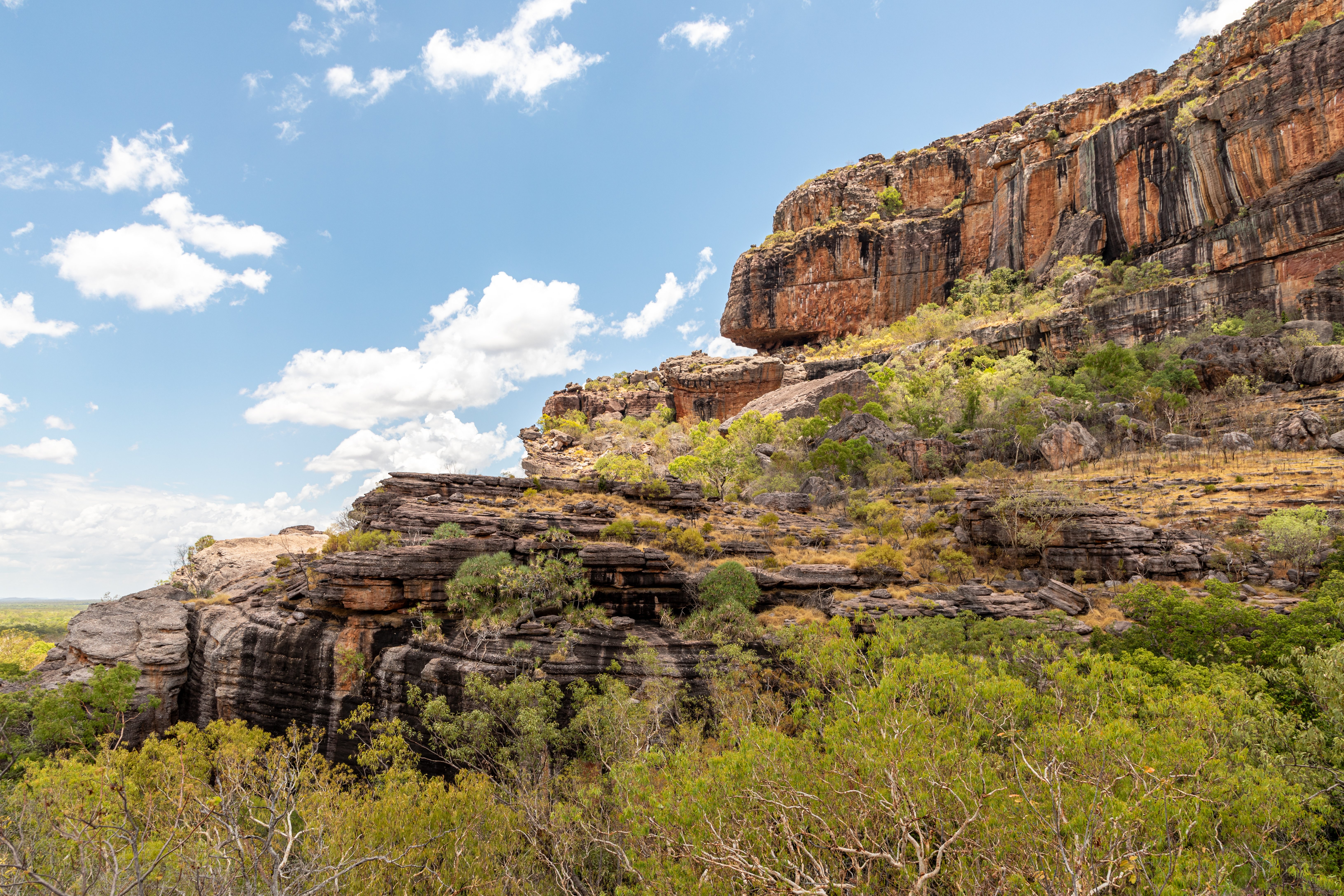
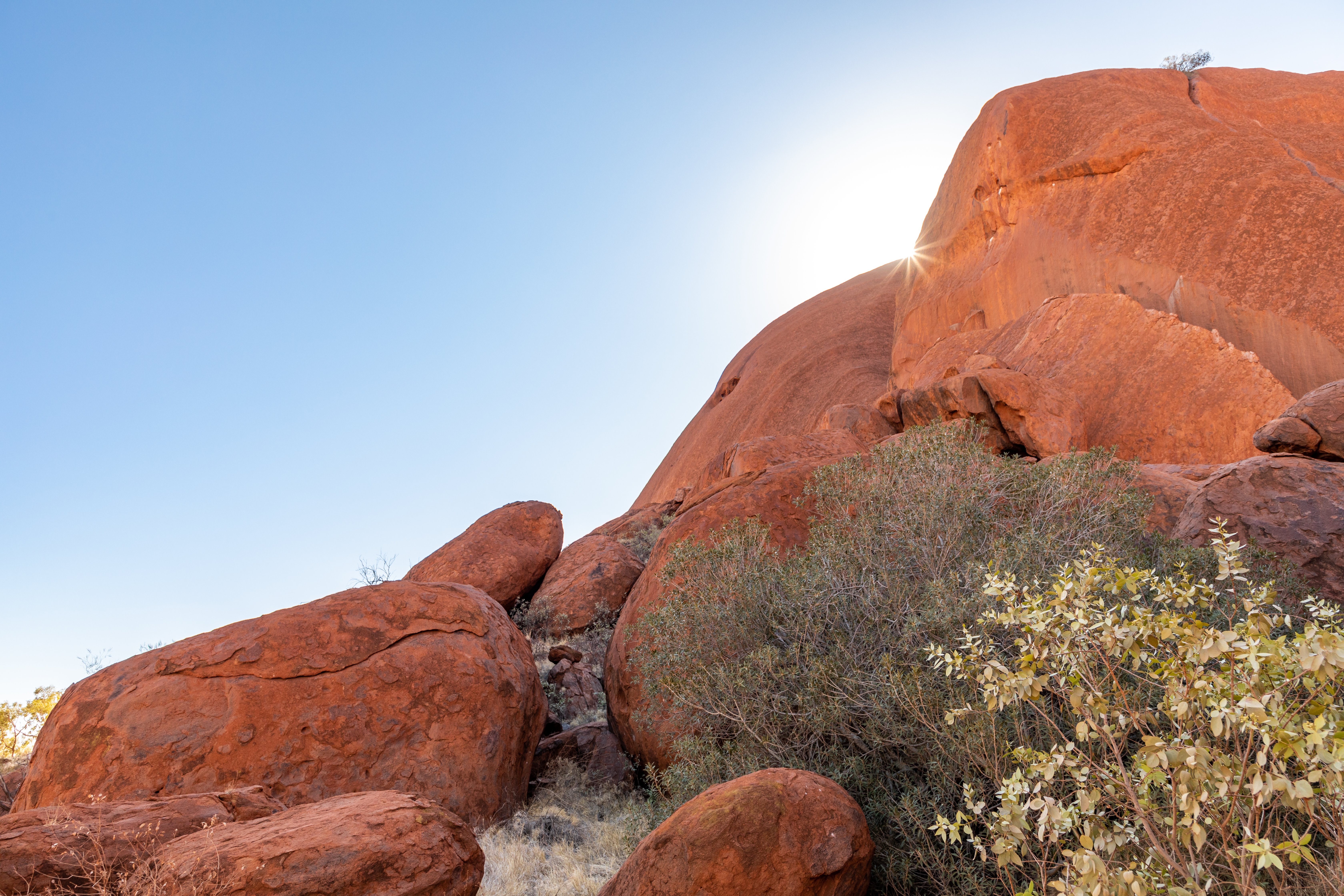
The landscape is what makes Australia singular. The Red Centre — Uluru rising from the flat desert, the gorges of the MacDonnell Ranges, the spinifex stretching to every horizon — is like nowhere else on earth. The Great Barrier Reef is the world's largest living structure. The ancient rainforests of the Daintree are older than the Amazon. Tasmania's wilderness has mountains and rivers to equal Patagonia.
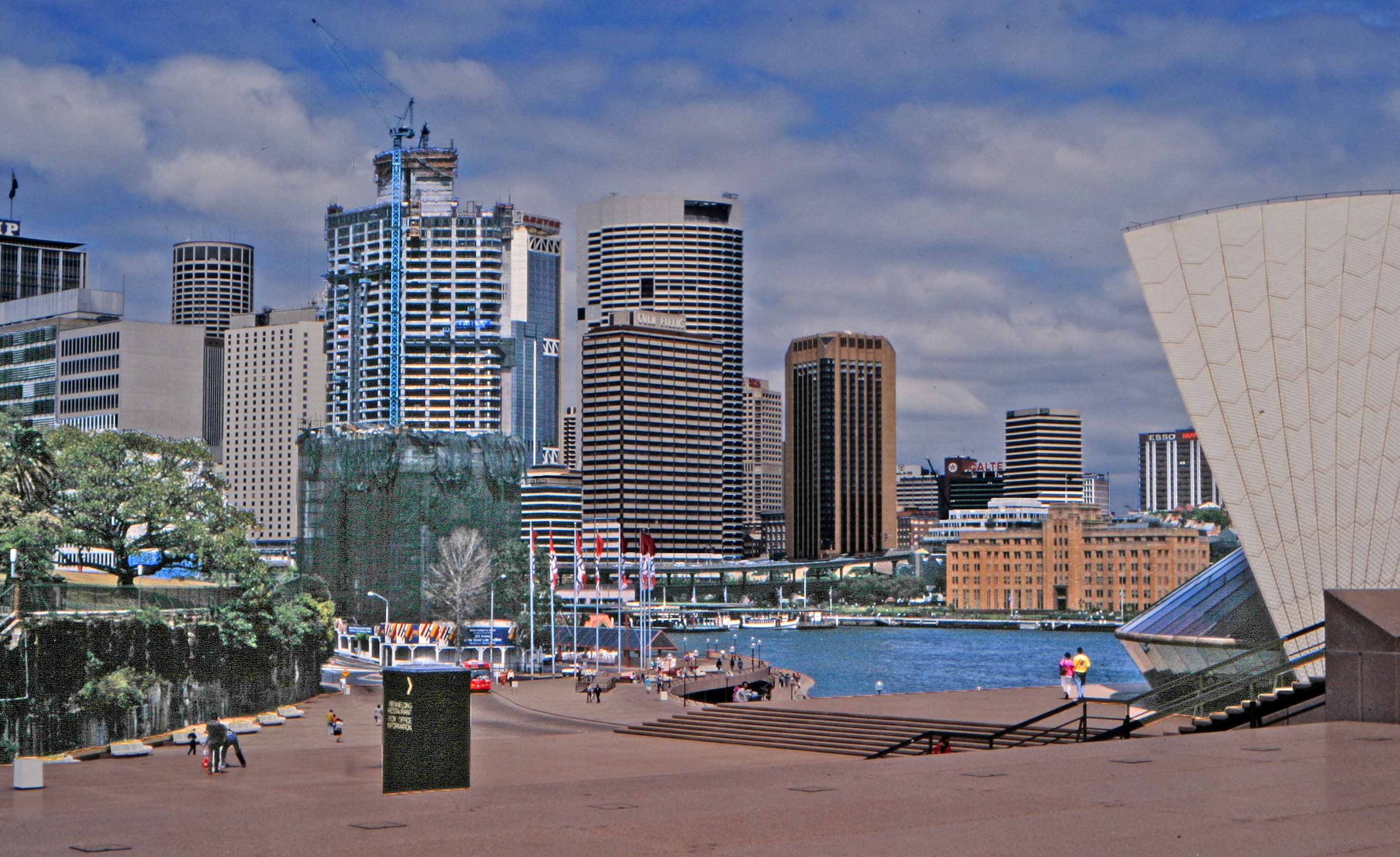
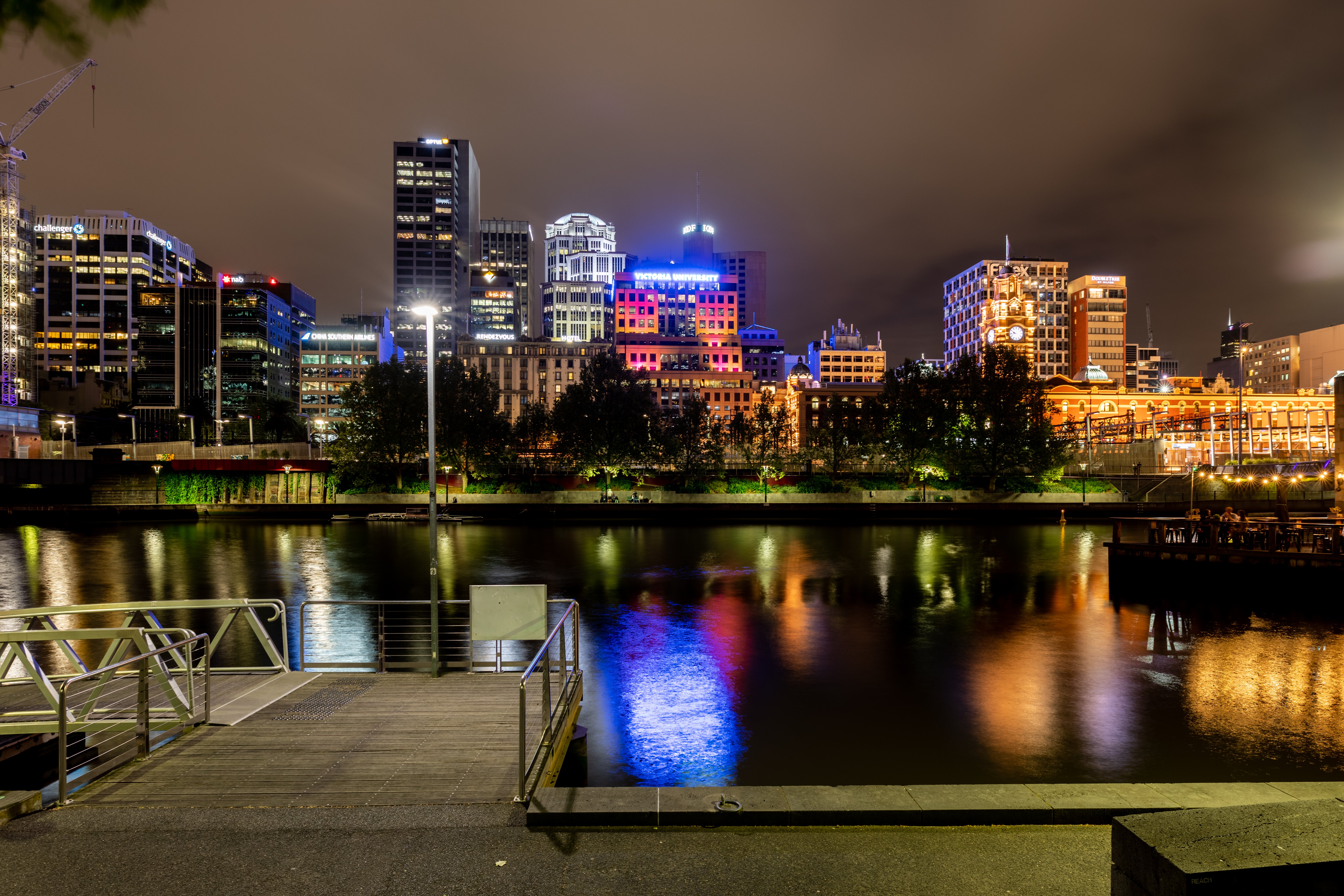
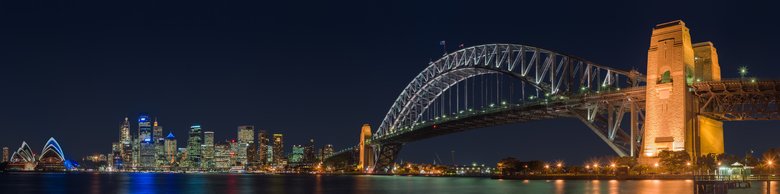
The cities are more European in feel than most Australians would admit. Melbourne has excellent food, art, and a tram network. Sydney has the harbour. Adelaide has the best arts festival in the country. Perth sits closer to Singapore than to Sydney, remote and self-sufficient on the Indian Ocean. Darwin is a frontier city with a hot tropical climate and easy access to Kakadu.
Australia is expensive, and the distances make it time-consuming to explore fully. Most visitors pick a coast (usually the east), add the Red Centre, and leave with a clear intention to return for the rest. That's a sensible approach.
Destinations in Australia
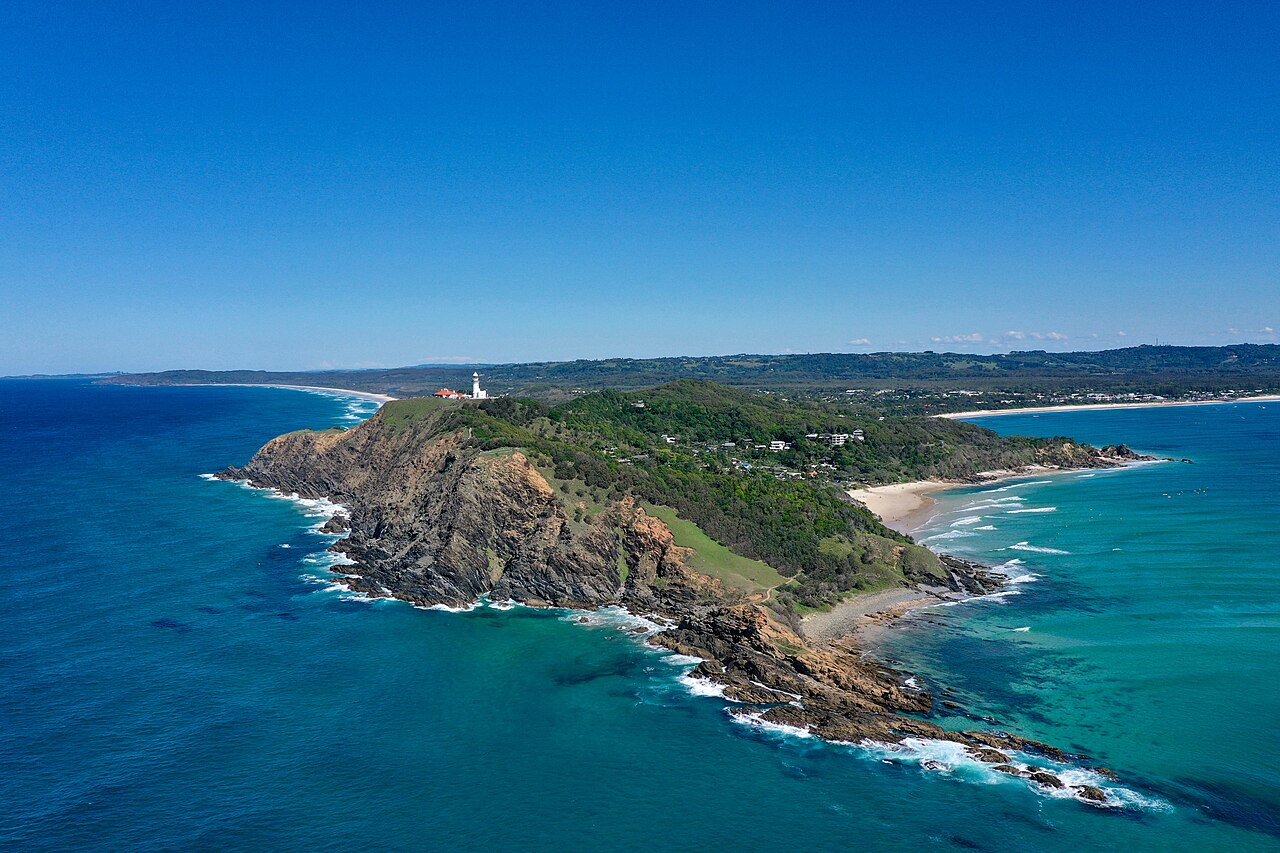
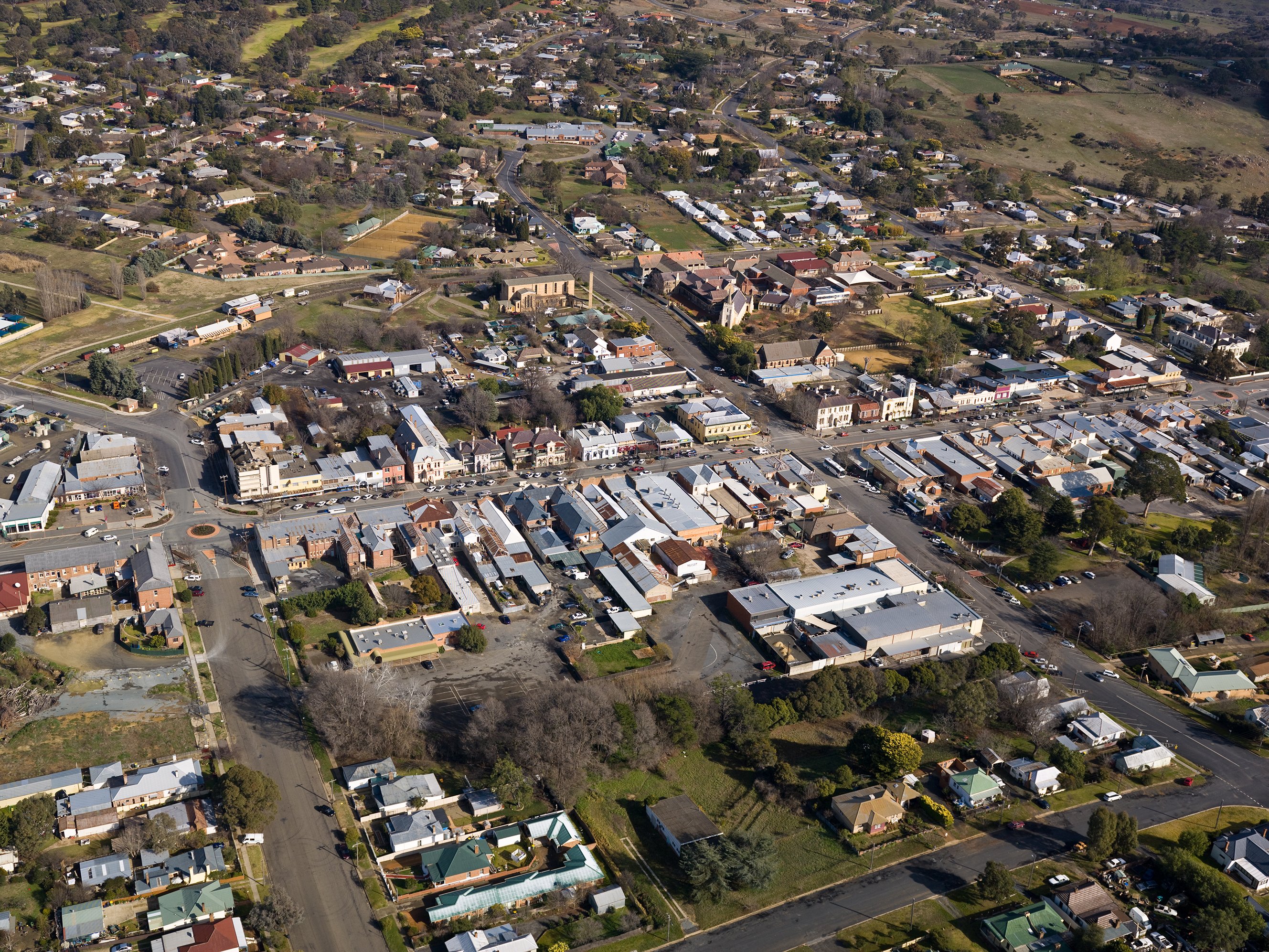
- New South Wales — Sydney, the Blue Mountains, Byron Bay
- Queensland — Brisbane, Cairns, the Great Barrier Reef
- Victoria — Melbourne, the Great Ocean Road
- South Australia — Adelaide, the Barossa Valley
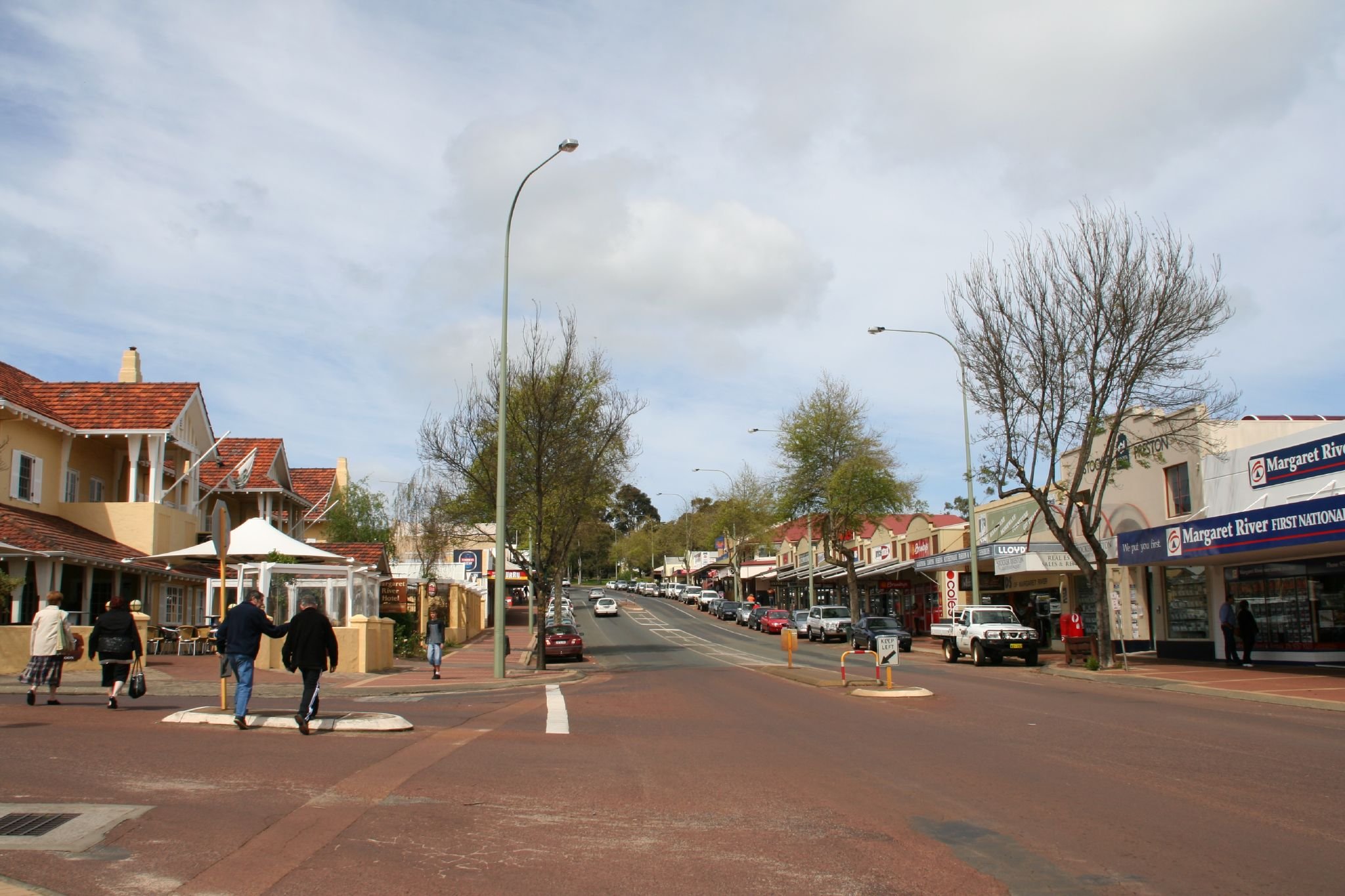
- Western Australia — Perth, Margaret River, the Kimberley
- Northern Territory — Darwin, Uluru, Kakadu
- Tasmania — Hobart, Cradle Mountain, MONA
- Australian Capital Territory — Canberra