Majuro
©
Majuro

Majuro

Marshallese capital atoll where the D-U-D urban strip runs along a narrow coral lagoon

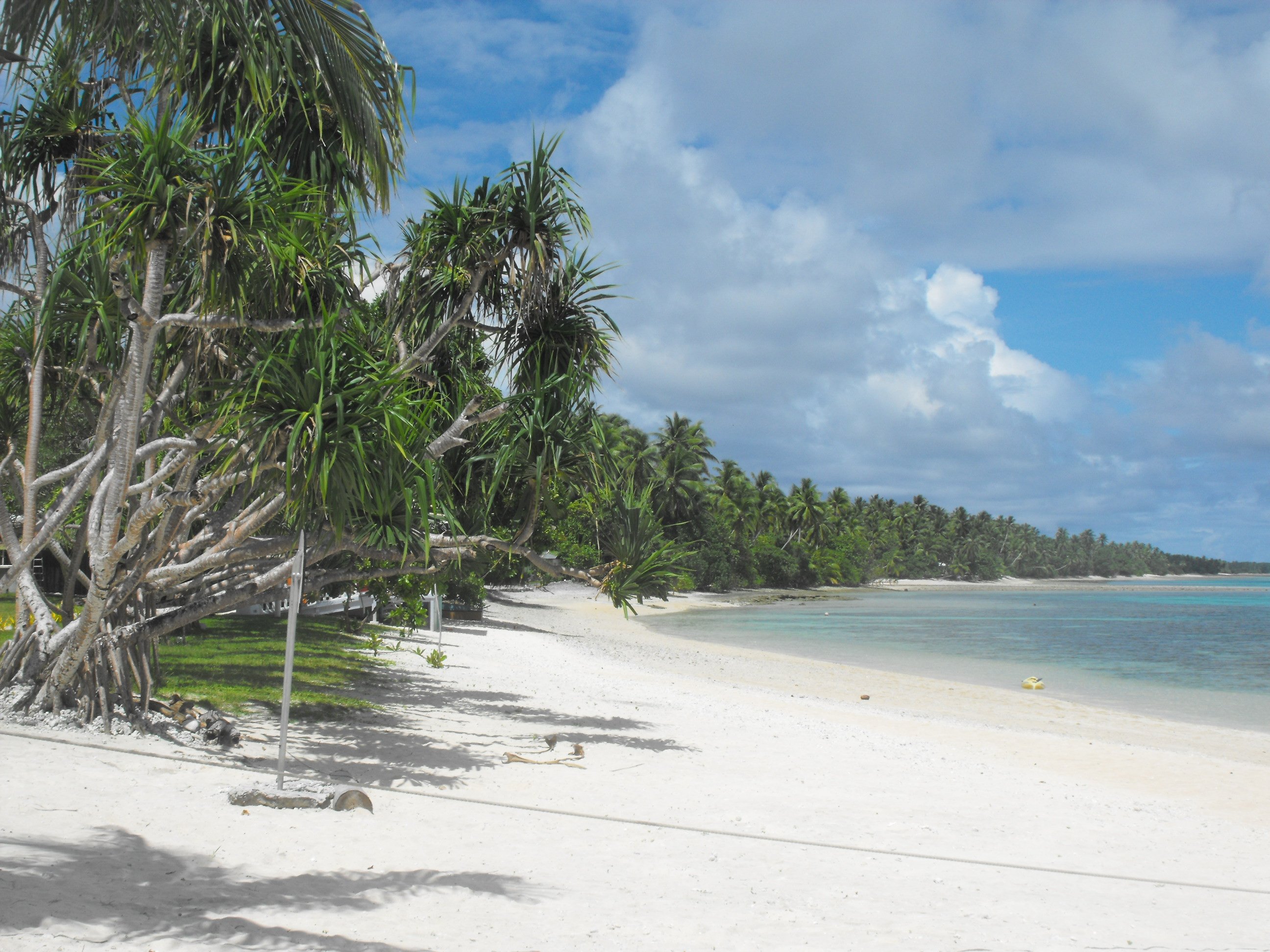
Majuro is the capital atoll of the Marshall Islands, a long, narrow ring of coral islets enclosing a large lagoon in the central Pacific. Three of its islets — Delap, Uliga, and Darrit (known collectively as D-U-D) — form the urban centre, home to most of the country's population and its government buildings, shops, and services.

The D-U-D strip feels surprisingly urban for a Pacific atoll: concrete buildings, busy roads, and a modernistic capitol building that looks out of place against the coconut palms. The Alele Museum downtown covers the traditional and colonial history of the Marshalls, with canoe displays, traditional tools, and photographs from the German, Japanese, and American eras. The Marshall Islands War Memorial Park in Delap marks the site of the massive US Navy base that operated here during the Second World War. The Cathedral of the Assumption is the most prominent church on the atoll, a legacy of the German colonial period.

Head west along the atoll road to Laura Beach, about 35 kilometres from Delap, for a different Majuro altogether. Laura has the best beaches on the atoll, the most authentic village life, and good snorkelling on the reef just offshore. The drive itself passes through quieter communities where traditional Marshallese life is more visible. The Majuro Lagoon — one of the largest in the Pacific — is calm, extraordinarily clear, and easy to explore by kayak or with a local dive operator.

Guide

Getting There

Majuro International Airport (MAJ) sits on the D-U-D strip and is the only international entry point for the Marshall Islands. Flights are limited. United Airlines operates the Island Hopper service connecting Honolulu to Majuro via Johnston Atoll, Kwajalein, Pohnpei, Chuuk, and Guam — a journey of several days if you take every stop. The same route runs in the opposite direction from Guam. Air Marshall Islands connects Majuro to other atolls within the country.

There is no regular ferry or sea link to international destinations. Some visitors arrive by sailing yacht or as part of cruise itineraries, but commercial sea access is not practical for most travellers. Expect to plan your routing carefully: flights fill up, and delays ripple across all onward connections on this part of the route.

Guide

When to Go

Majuro sits just north of the equator and has a consistently warm tropical climate year-round, with temperatures hovering around 27–30°C. The dry season runs roughly from December through April, with lower humidity and less rain. This is the most comfortable time to visit.

The wet season from May through November brings heavier rainfall, but showers are typically short and intense rather than days-long grey spells. Typhoon risk is low — the Marshall Islands sit south of the main typhoon track — but occasional tropical systems can disrupt flights and rough up the lagoon. The ocean temperature barely varies across the year, making diving and snorkelling good at any time. Constitution Day (1 May) and Fishermen's Day (first Friday in July) are the main local celebrations.