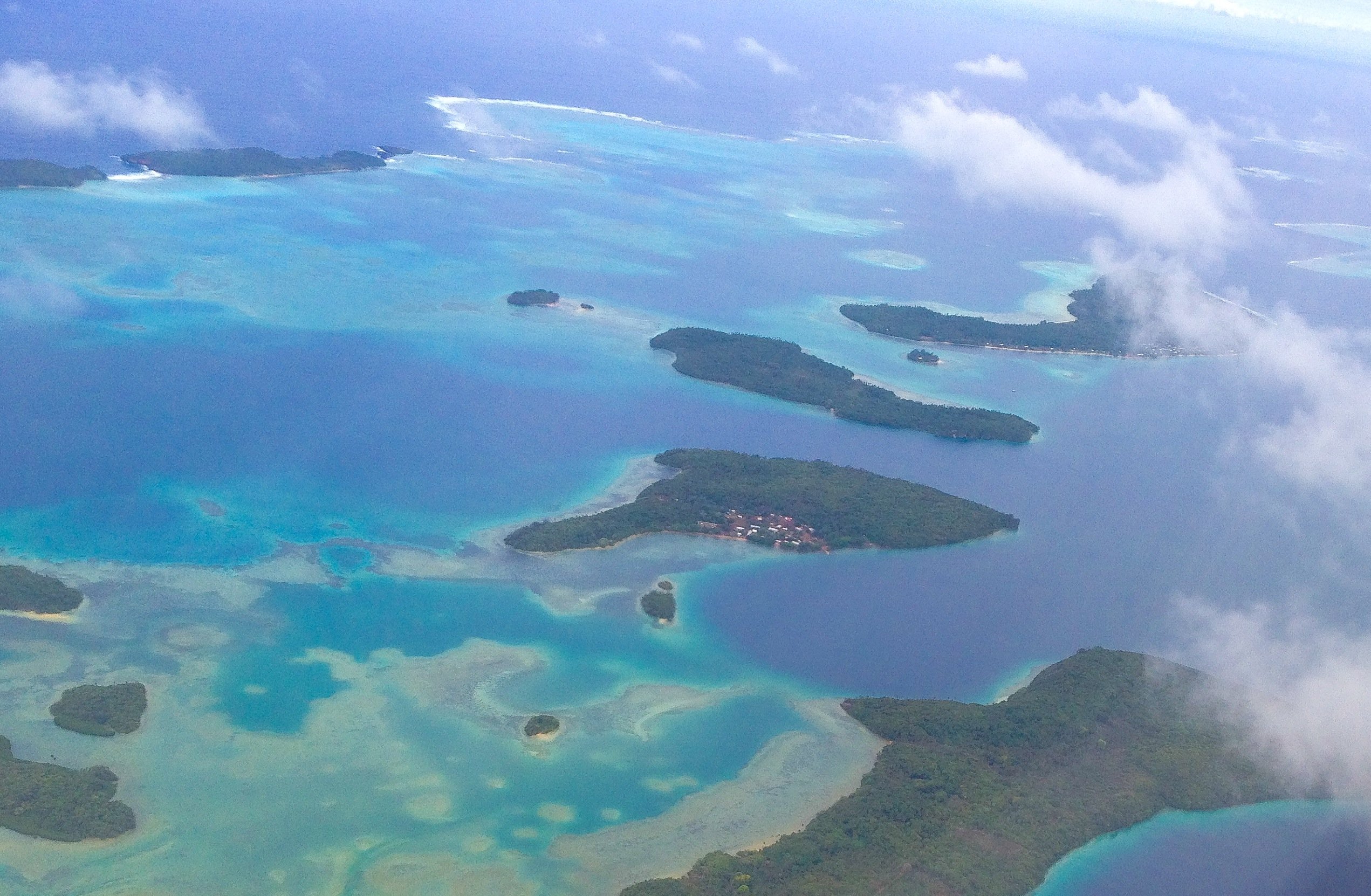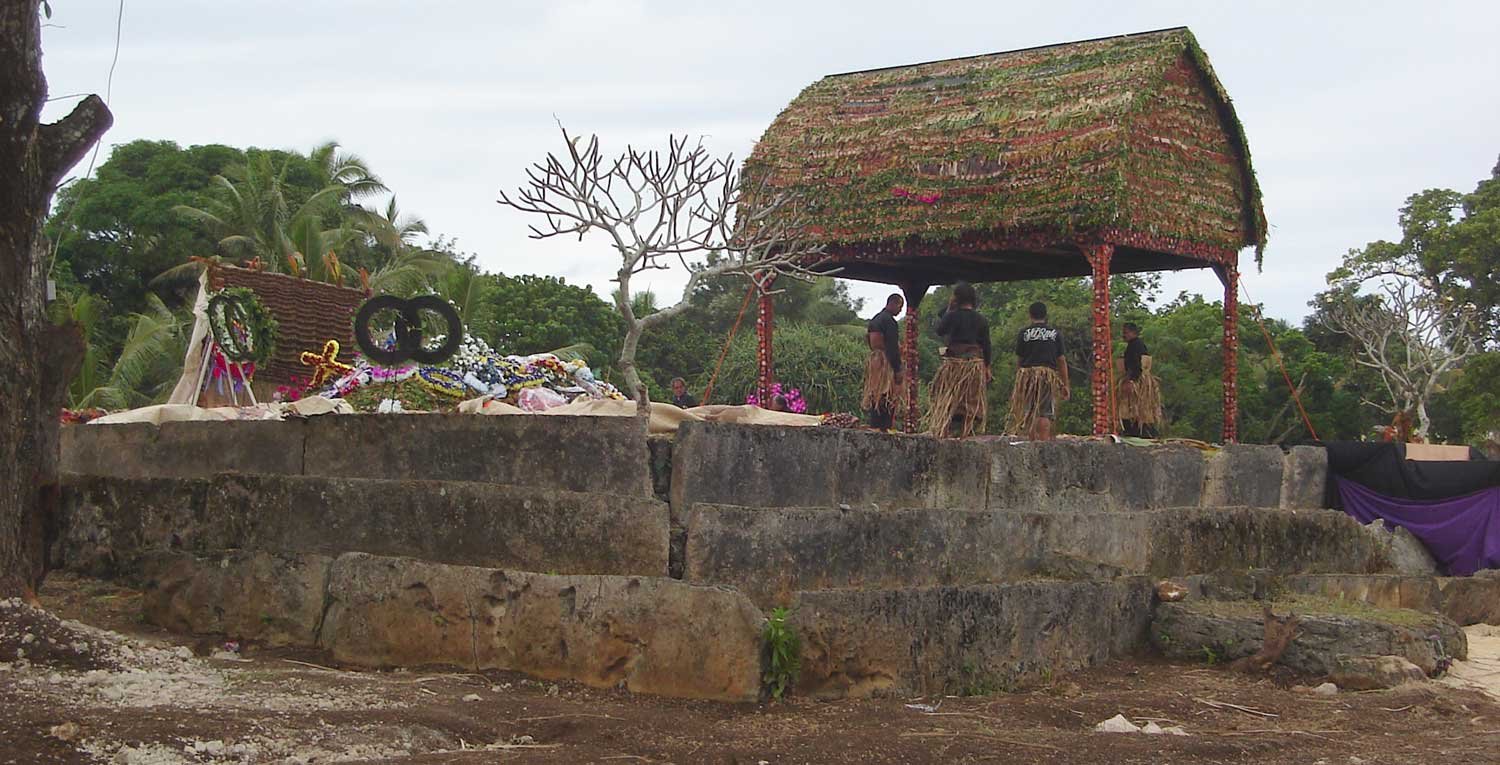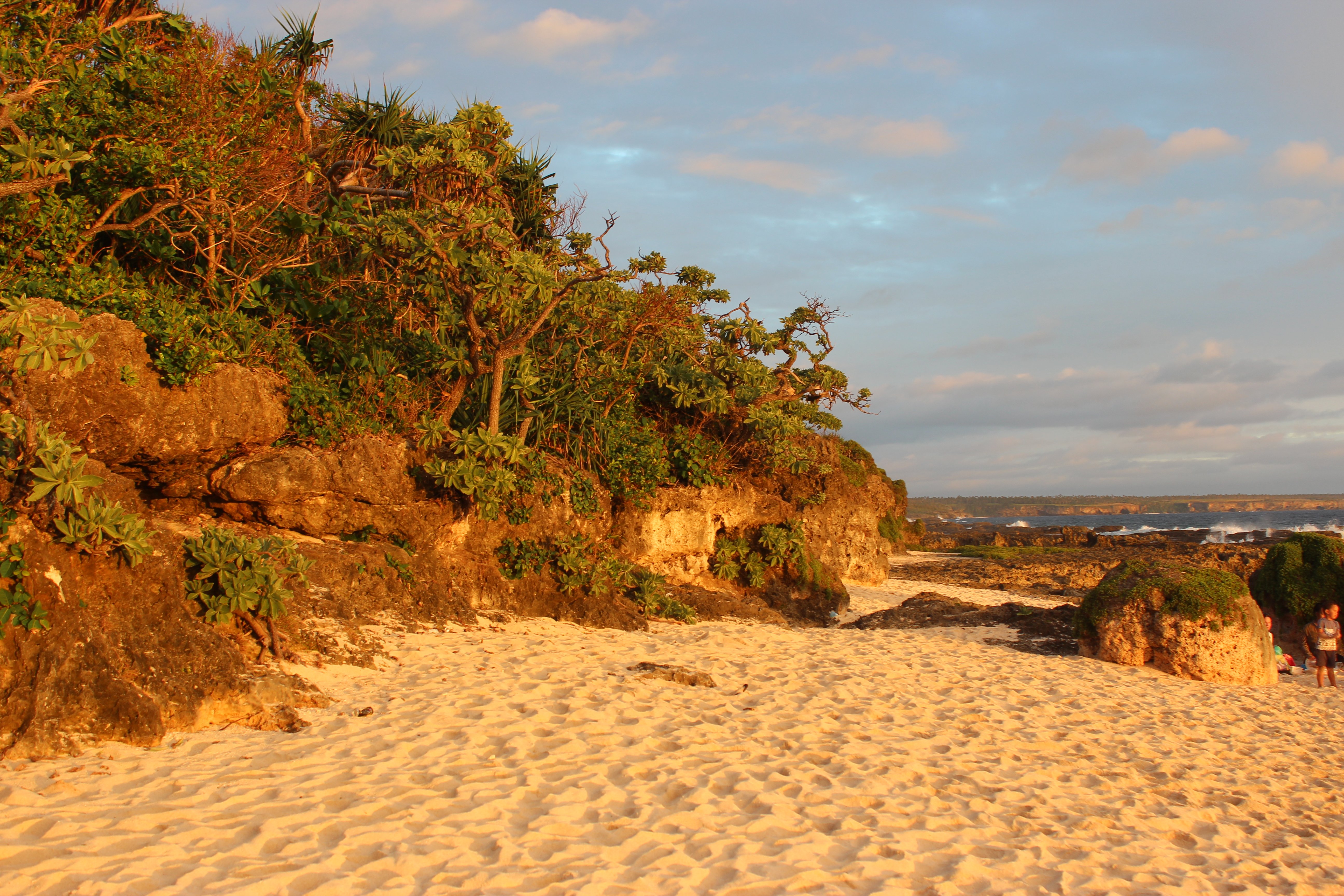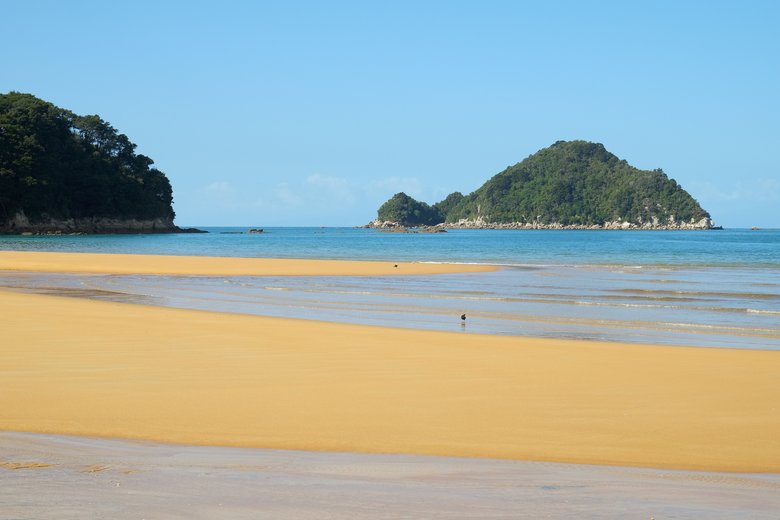
Tonga is the only Pacific island nation never colonised by a foreign power — it remained a monarchy throughout the colonial era and still is today. About 170 islands scattered across 700,000 square kilometres of ocean, of which only 36 are inhabited. The population is around 100,000, with two-thirds living on the main island of Tongatapu.
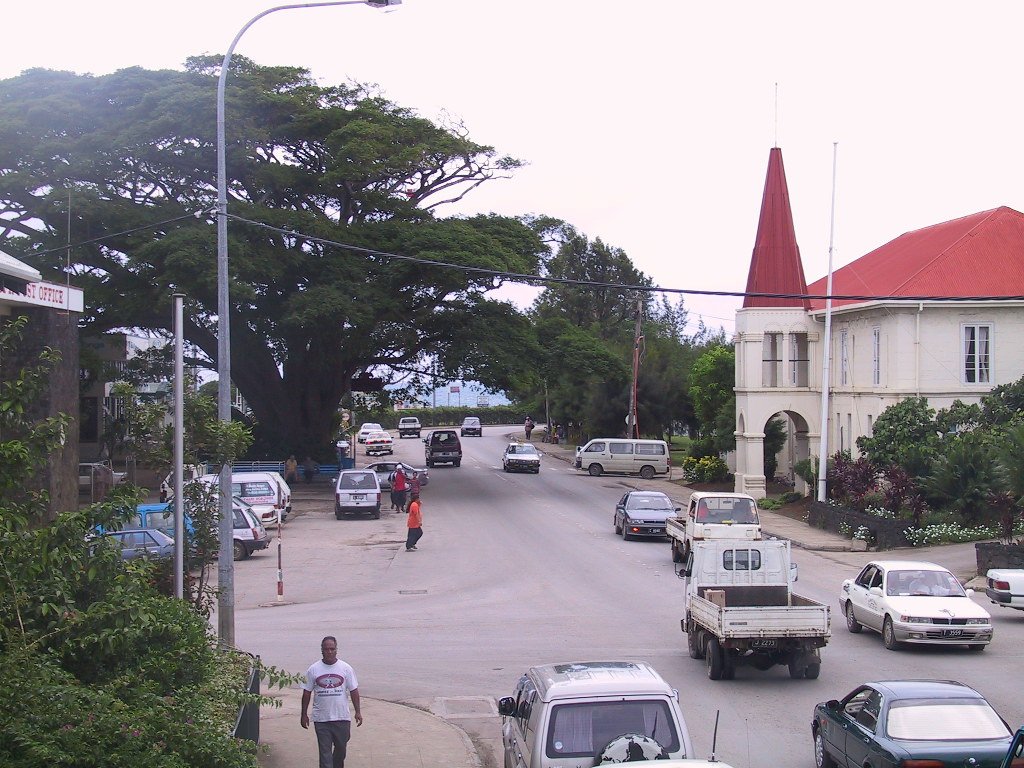
The kingdom was unified in 1845, became a British protectorate in 1900, and gained full independence in 1970. King Tupou VI has reigned since 2012. The government is a constitutional monarchy, though the crown retains significant authority. Parliament sits in Nuku'alofa, the compact, unhurried capital.
Tonga is not a destination for those seeking resorts and beach clubs. Tourism infrastructure is modest and services can be unreliable. What draws visitors is something harder to package: extraordinarily clear water, genuinely remote islands, humpback whales that migrate here every July to October, and a culture where Sunday really does mean everything stops.
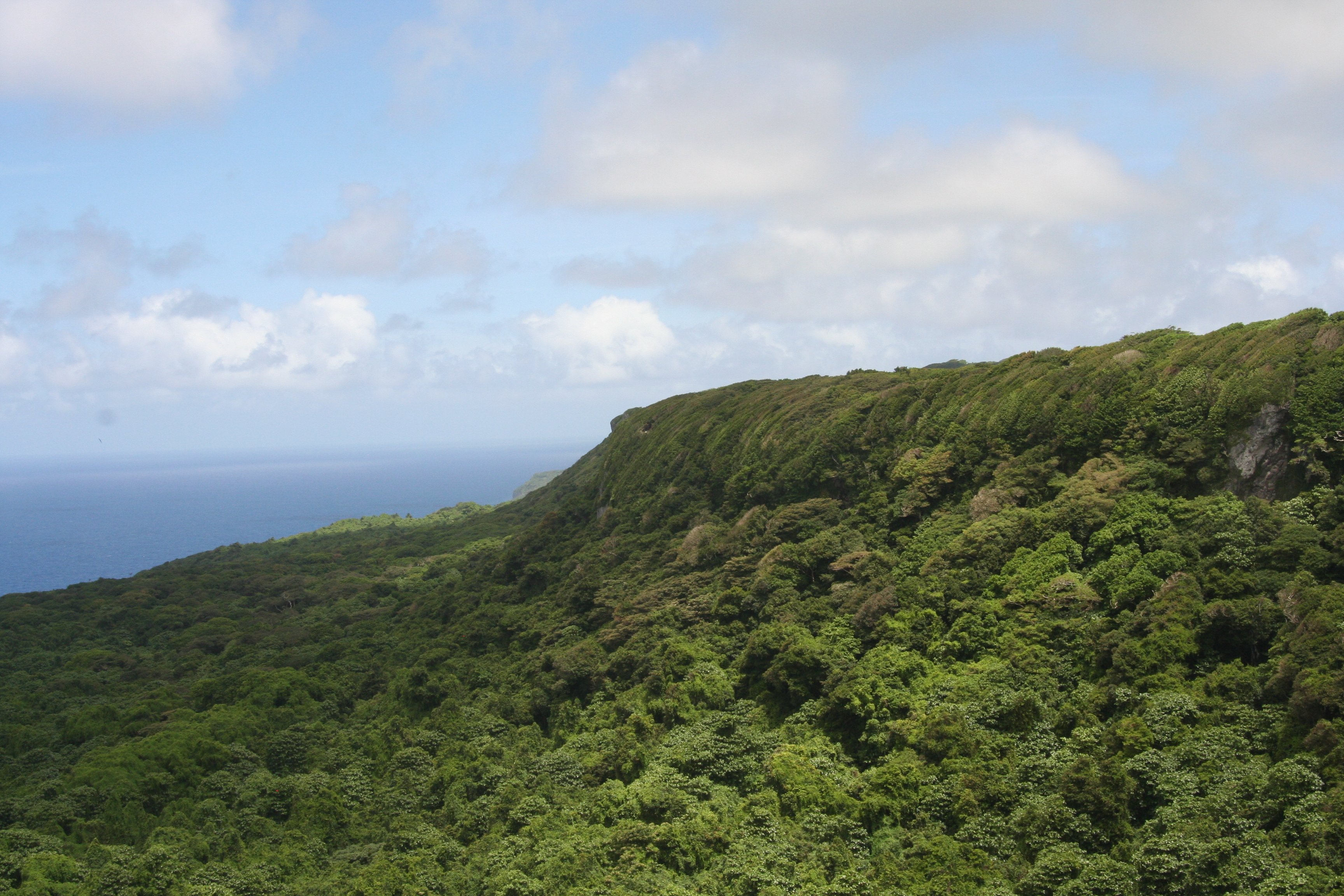
The island groups each have a distinct character. Tongatapu is the gateway — flat, agricultural, and home to the capital. Vava'u, in the north, is where most travellers end up, with a sheltered harbour, dozens of small islands, and the best whale-watching access. Ha'apai in the middle is wilder and quieter — the place to go if you want to feel truly off the map. 'Eua, just east of Tongatapu, is the oldest and most rugged island, excellent for hiking.