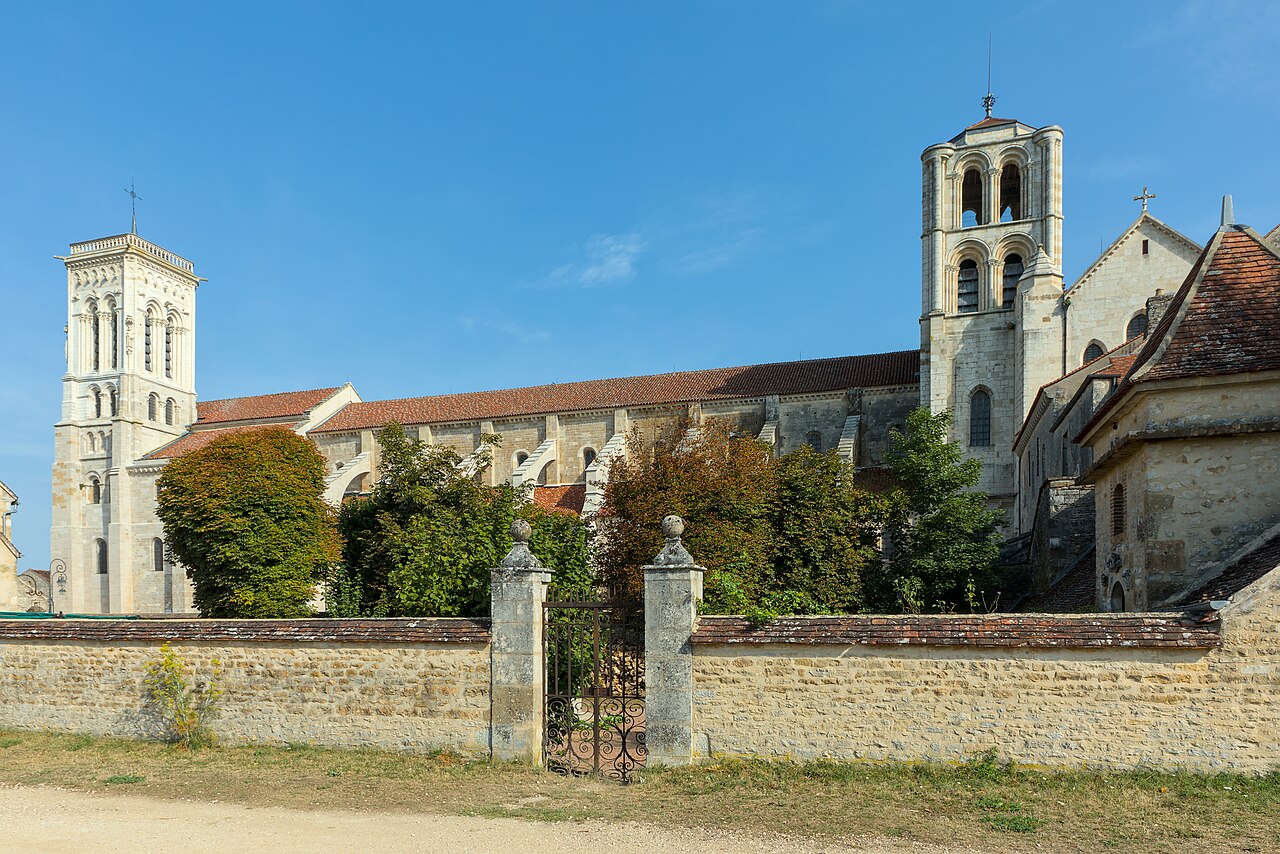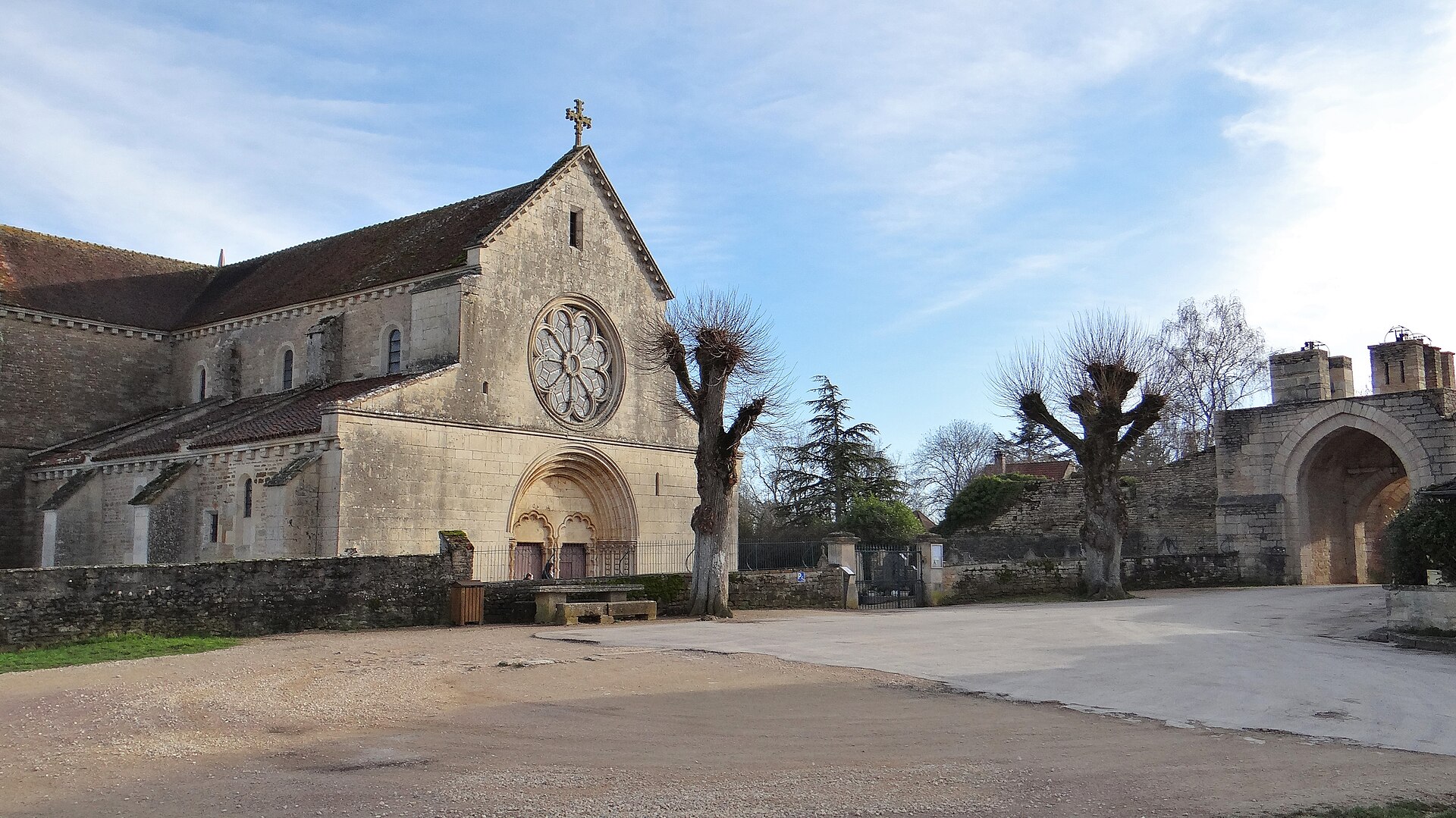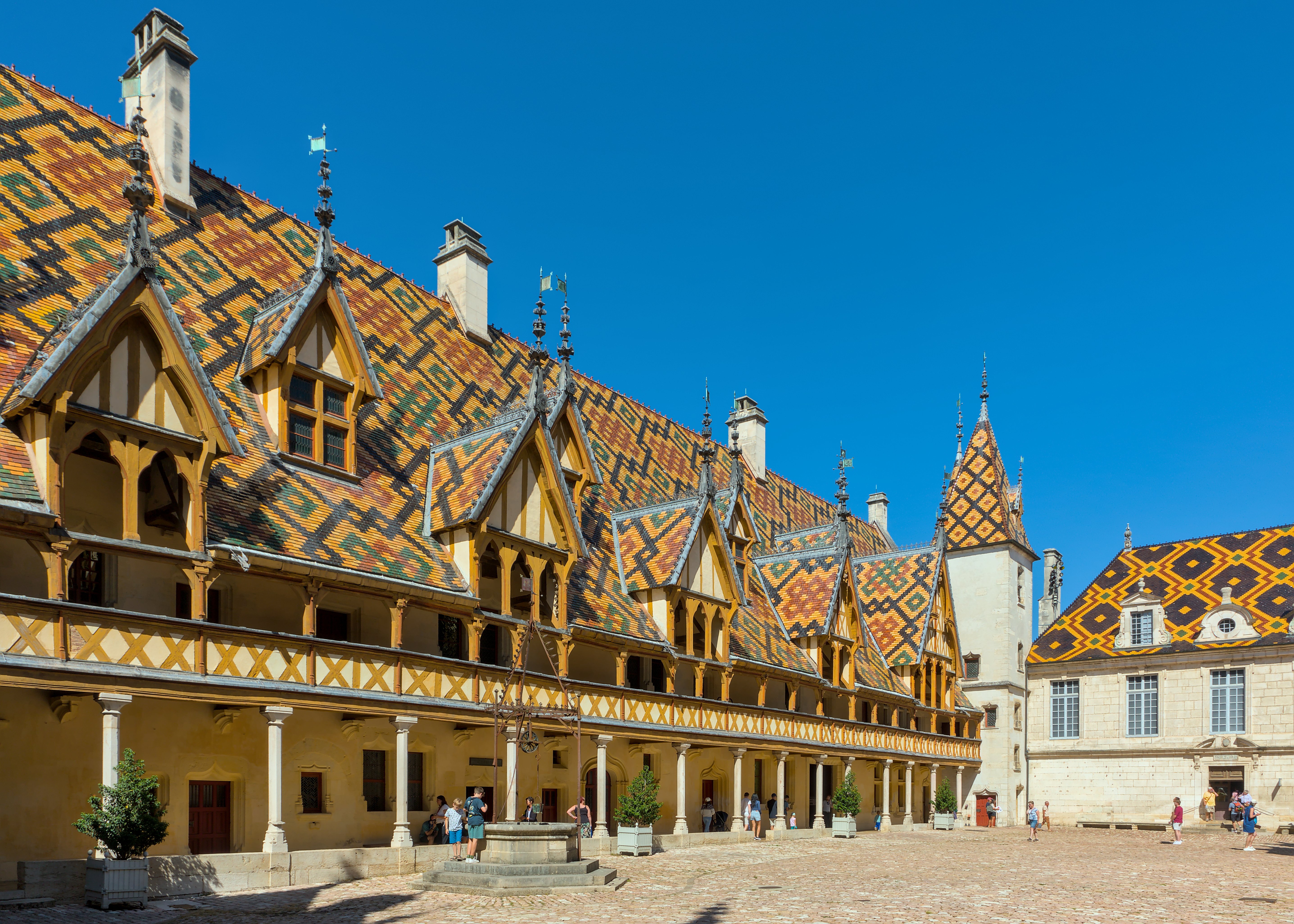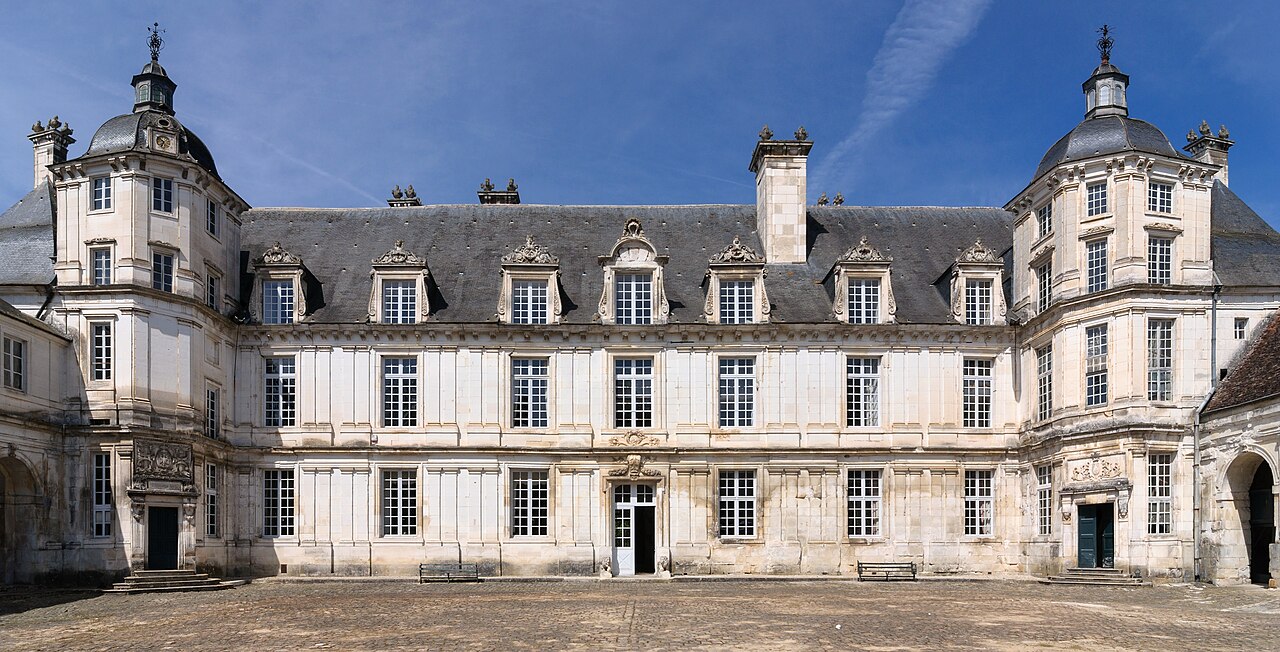
Burgundy (Bourgogne) stretches south from Auxerre through the vine-covered slopes of the Côte d'Or to Mâcon, covering roughly 31,000 square kilometres of central eastern France. For most of the Middle Ages it was an independent duchy more powerful than the French crown, and that history shows: in Dijon's ducal palace, in the great Romanesque abbeys at Vézelay and Autun, in the hospice at Beaune still producing its own wine after six centuries.
The wine is what draws most visitors. The narrow strip of the Côte d'Or — roughly 50 kilometres running south from Dijon — produces some of the most sought-after red and white wines on earth: Gevrey-Chambertin, Nuits-Saint-Georges, Meursault, Puligny-Montrachet. The vineyards are classified in extraordinary detail, with individual plots (lieux-dits) carrying reputations built over hundreds of years. Chablis, further north near Auxerre, makes steely unoaked chardonnay in a different style. The Canal de Bourgogne connects the rivers Yonne and Saône, running the length of the region and offering one of France's classic barge routes.
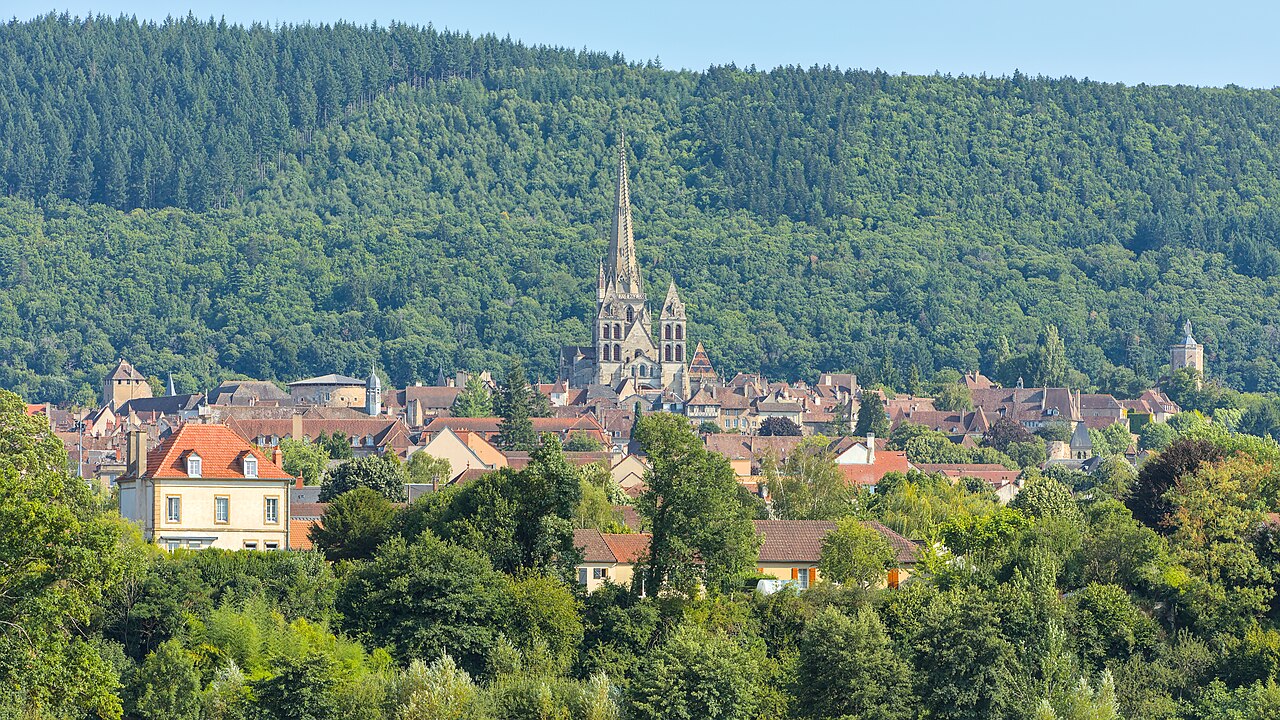
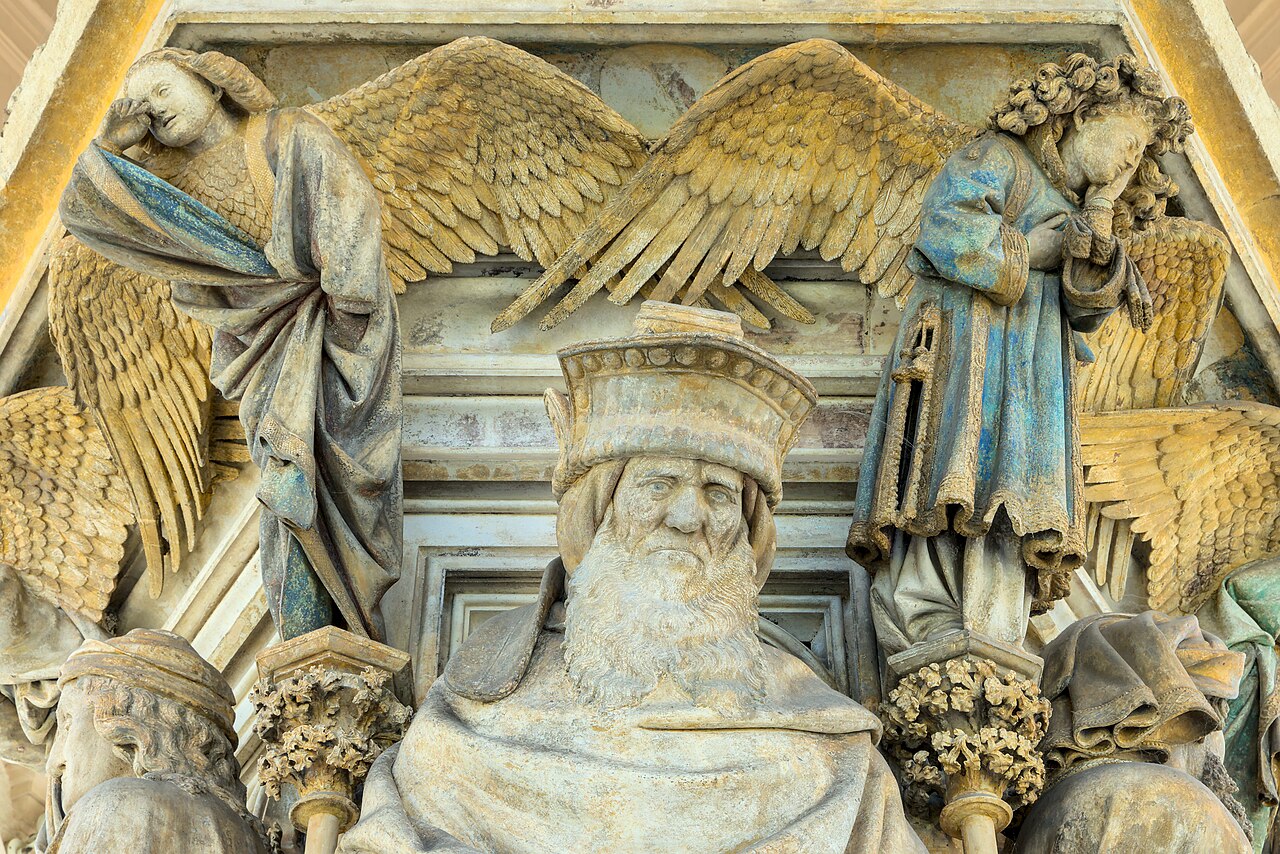
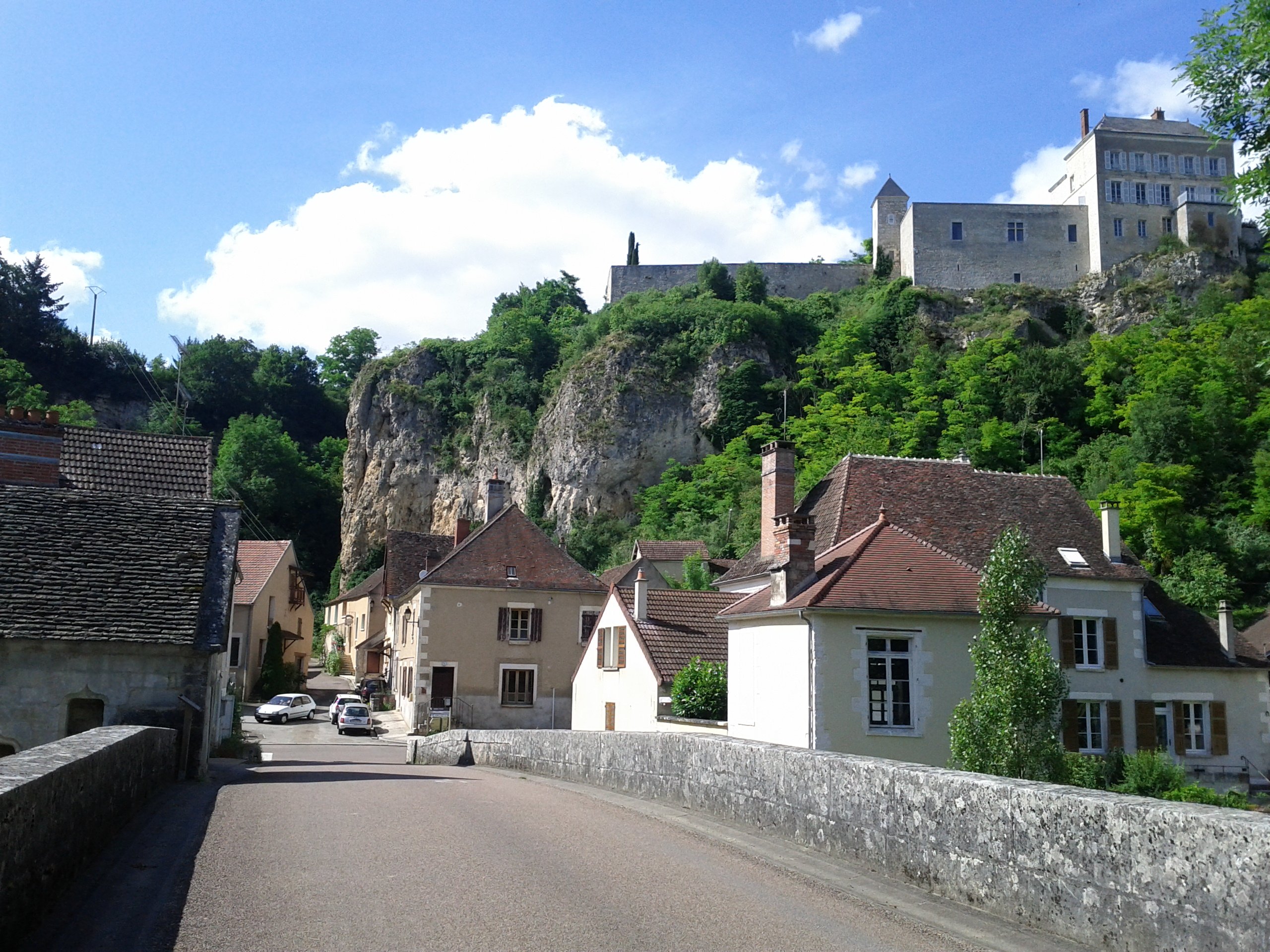
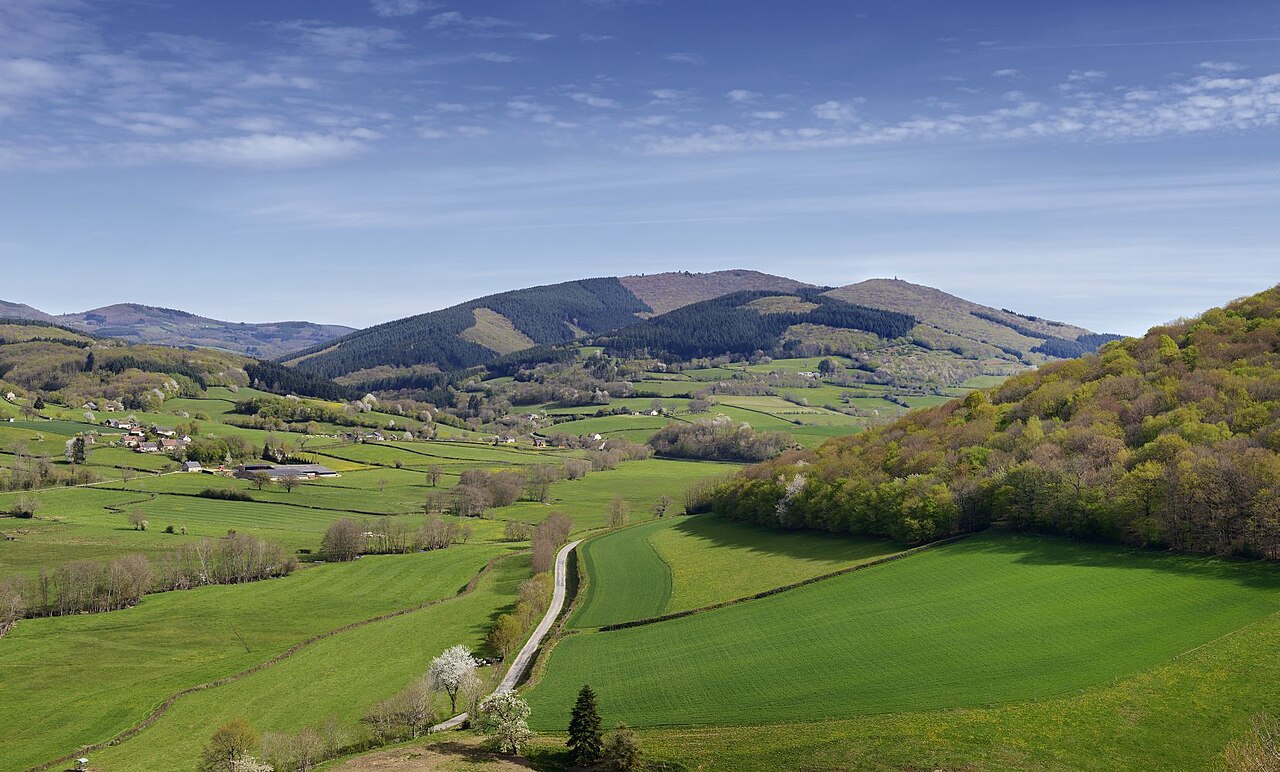
Away from the wine country, the Morvan massif in the west is dense forest and rolling hills — wild boar country, good for walking and cycling. Vézelay perches on a hilltop above the Cure valley. Autun has Roman gates and a cathedral with Romanesque carvings as fine as anything in France. Smaller villages like Mailly-le-Château and Montréal reward those who slow down and look.
Dijon is the regional capital and the natural base. Beaune is the centre of the wine trade. Autun and Vézelay are the major historical draws outside the Côte d'Or. Lormes is a good transit stop for the Morvan.