Once the proud capital of the Dukes of Burgundy — Jean sans Peur, Philippe le Bon, and Charles le Téméraire were all born here — Dijon is now a comfortable regional capital between Lyon and Paris. The old town is small, dense, and largely intact: 97 hectares of protected monuments, glazed rooftops in the Burgundian style, half-timbered houses leaning into the pedestrianised streets, hôtels particuliers from the 17th and 18th centuries hidden behind discreet courtyards.
The architectural centrepiece is the Palace of the Dukes, which now houses both the city hall and the Musée des Beaux-Arts — one of the best art museums in France outside Paris, and home to the spectacular tombs of the Burgundian dukes. Around the palace cluster the Gothic Church of Notre-Dame (with its medieval Jacquemart clock and the famous owl-mascot of the city), Dijon Cathedral and its Romanesque crypt, and the riotously Renaissance Église Saint-Michel.
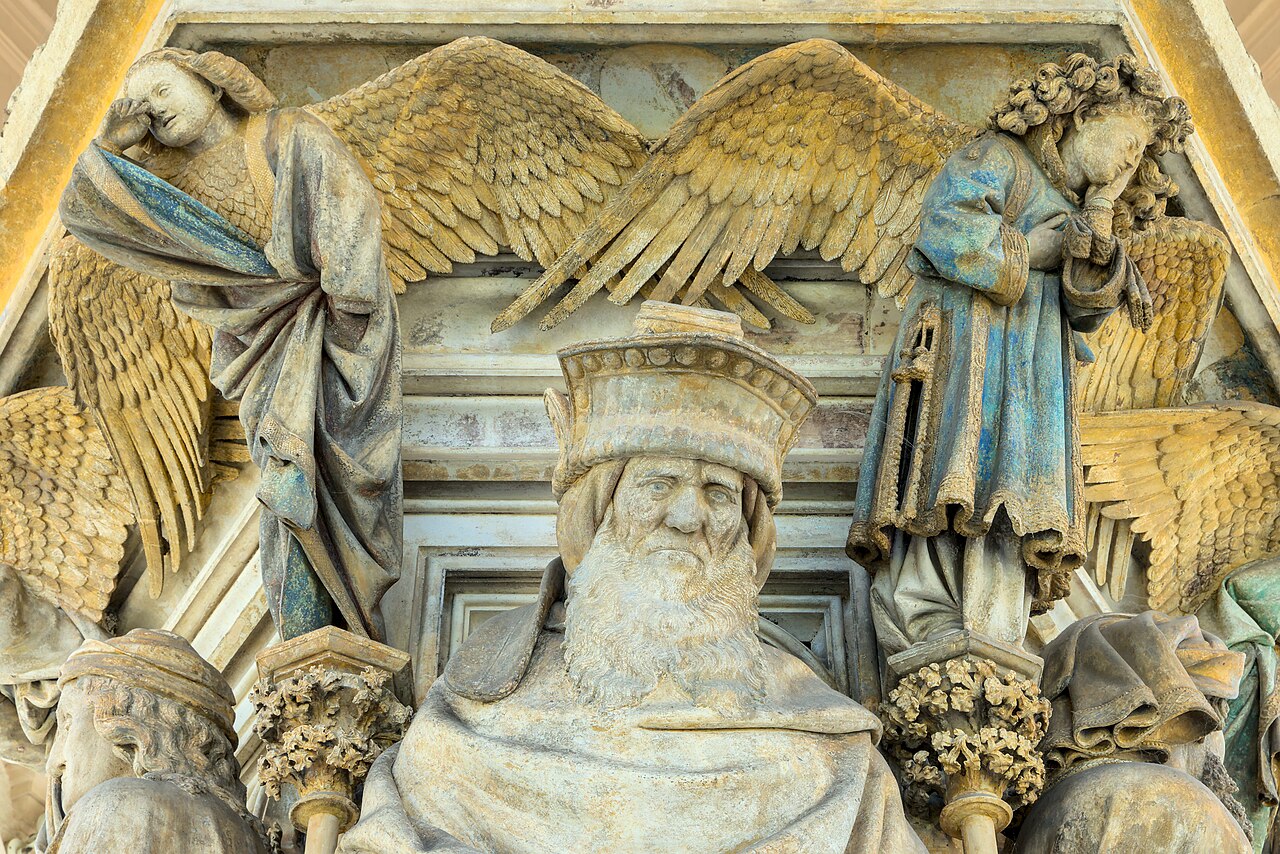
A trail of smaller museums fills the gaps: the Magnin (a 17th-century private mansion), the Rude (in the transept of a half-ruined Gothic church), the Archéologique in the Saint-Bénigne abbey dormitory, the Vie Bourguignonne in the Bernardine monastery. To the west of the centre, the Chartreuse de Champmol preserves Claus Sluter's Well of Moses — one of the great works of late-medieval European sculpture.
Dijon also takes its food and wine seriously. The city is the northern anchor of the Burgundy wine region, headquarters of mustard (Maille, Edmond Fallot), and home of pain d'épices. The 2022 Cité Internationale de la Gastronomie makes the case in official form; Eiffel's market hall, the wine bars around Place de la Libération, and a couple of Michelin-starred kitchens make it more convincingly. A day in Dijon and a day in the vineyards south is the classic Burgundy trip.