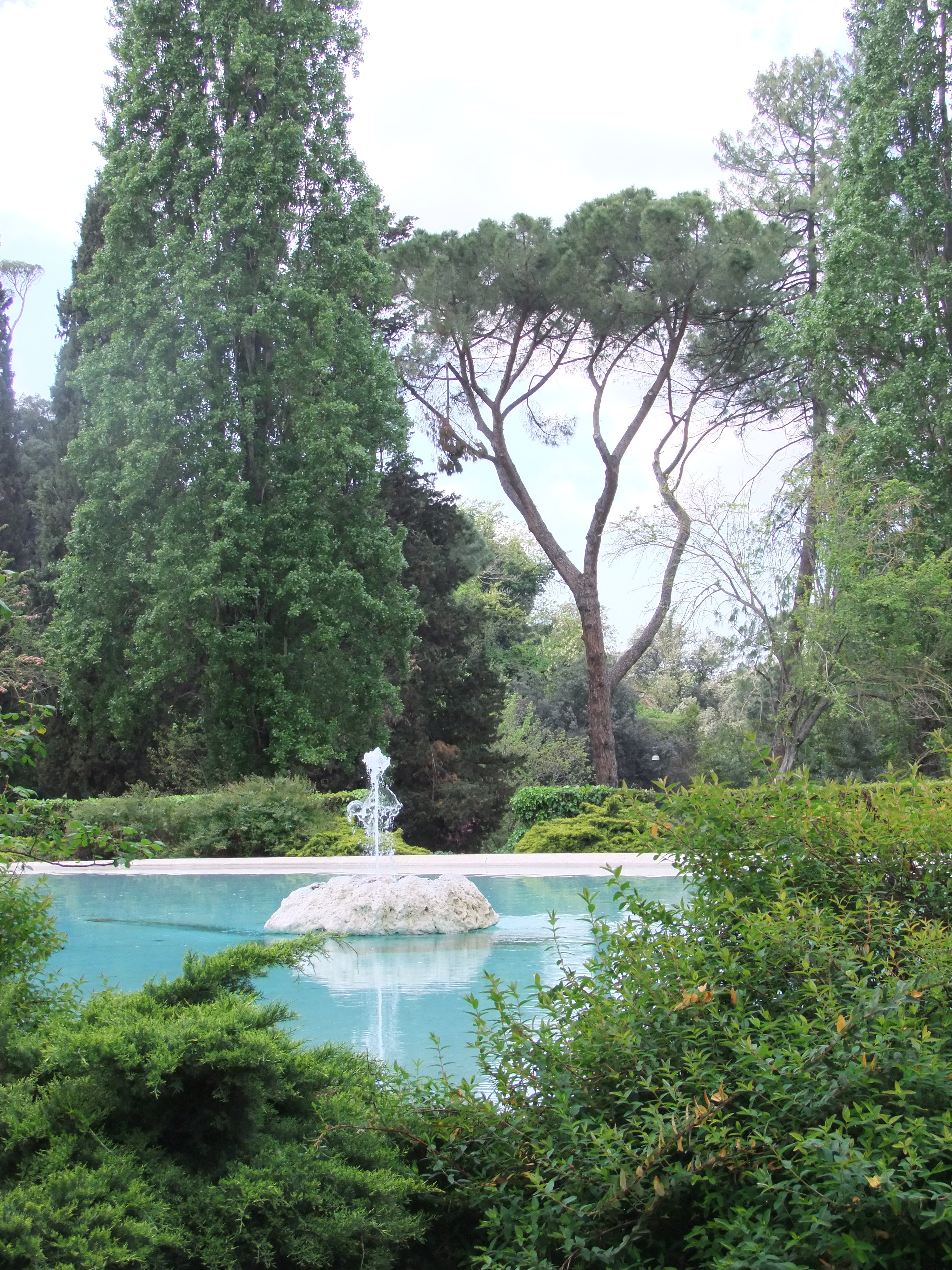
Parioli occupies the high ground north of Villa Borghese and carries all the hallmarks of old money: wide, tree-lined avenues, heavy prewar apartment buildings with doormen, embassies set behind iron gates, and a general atmosphere of studied calm. The neighbourhood developed in the early twentieth century as Rome's wealthiest families moved out of the cramped centre, and it has retained that residential exclusivity ever since.
The great attraction here for visitors is Villa Borghese itself, which forms the southern boundary of the neighbourhood. The park's gardens, lakes, and terraces are as much Parioli's front lawn as a public amenity. Via Parioli and the streets around it have the kind of food shops — serious cheese counters, good wine merchants, bakeries with queues at lunchtime — that exist to serve residents rather than tourists. The neighbourhood is also home to the Bioparco, Rome's zoo, and the Museo Nazionale Etrusco di Villa Giulia, one of the finest Etruscan collections in the world.