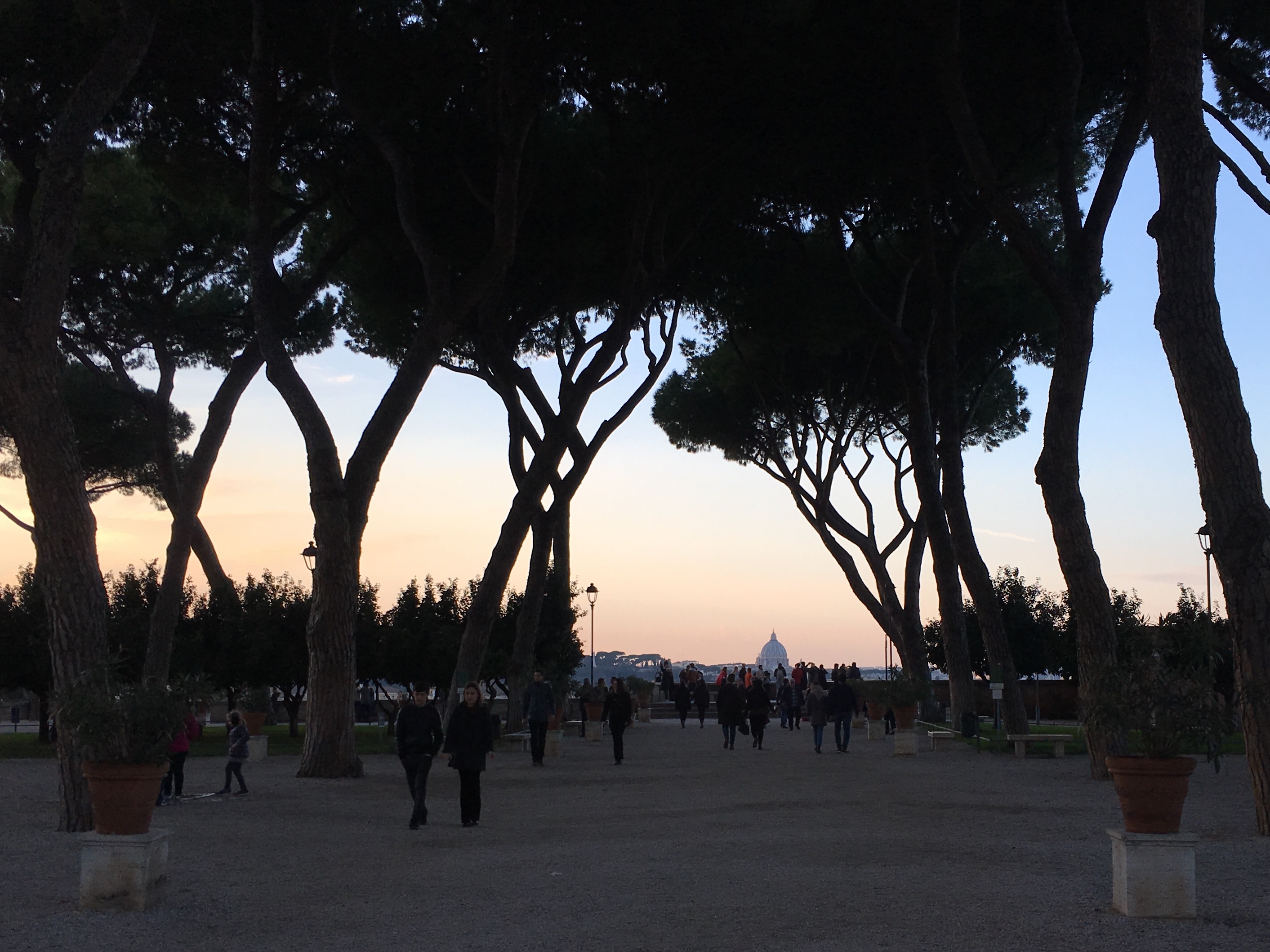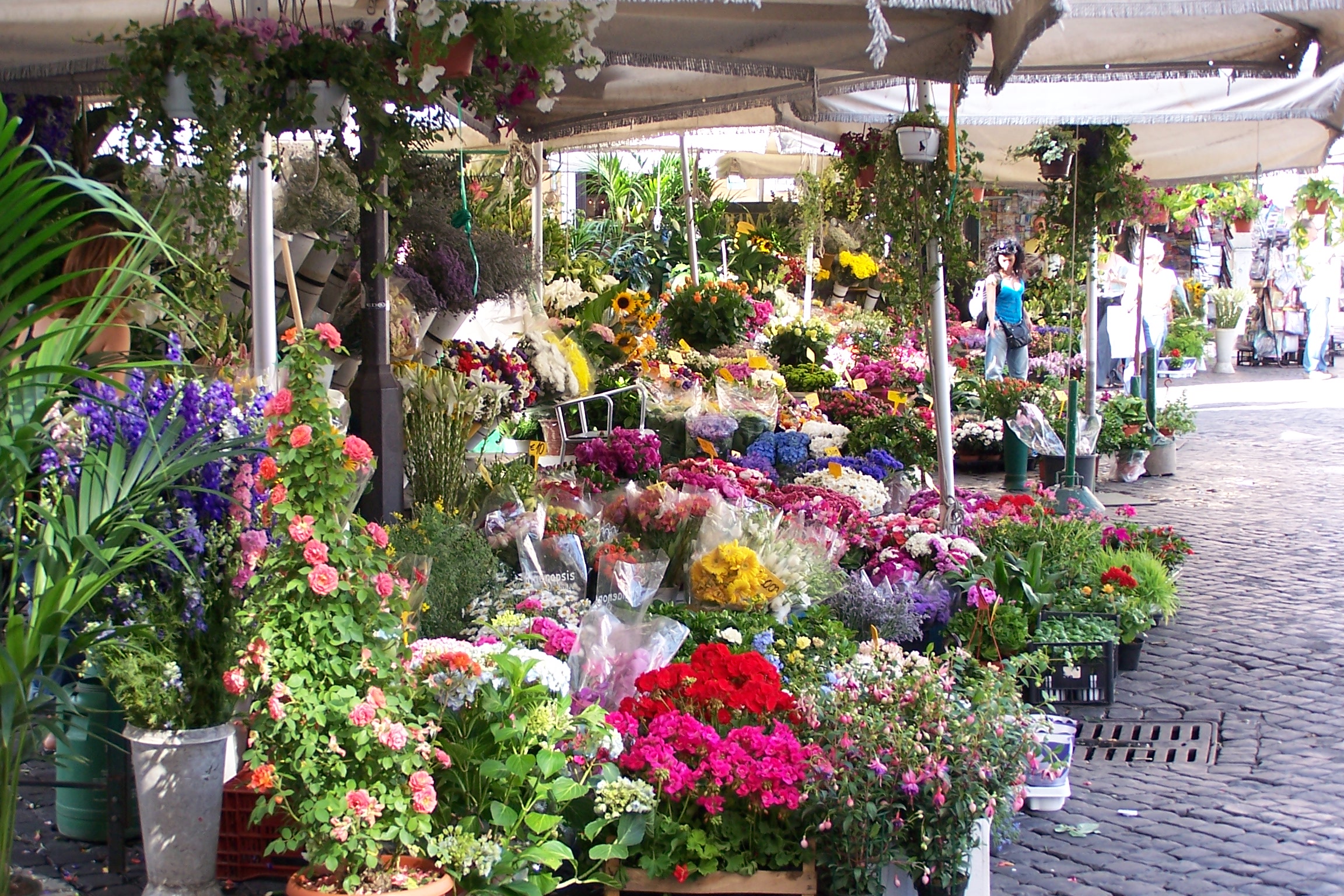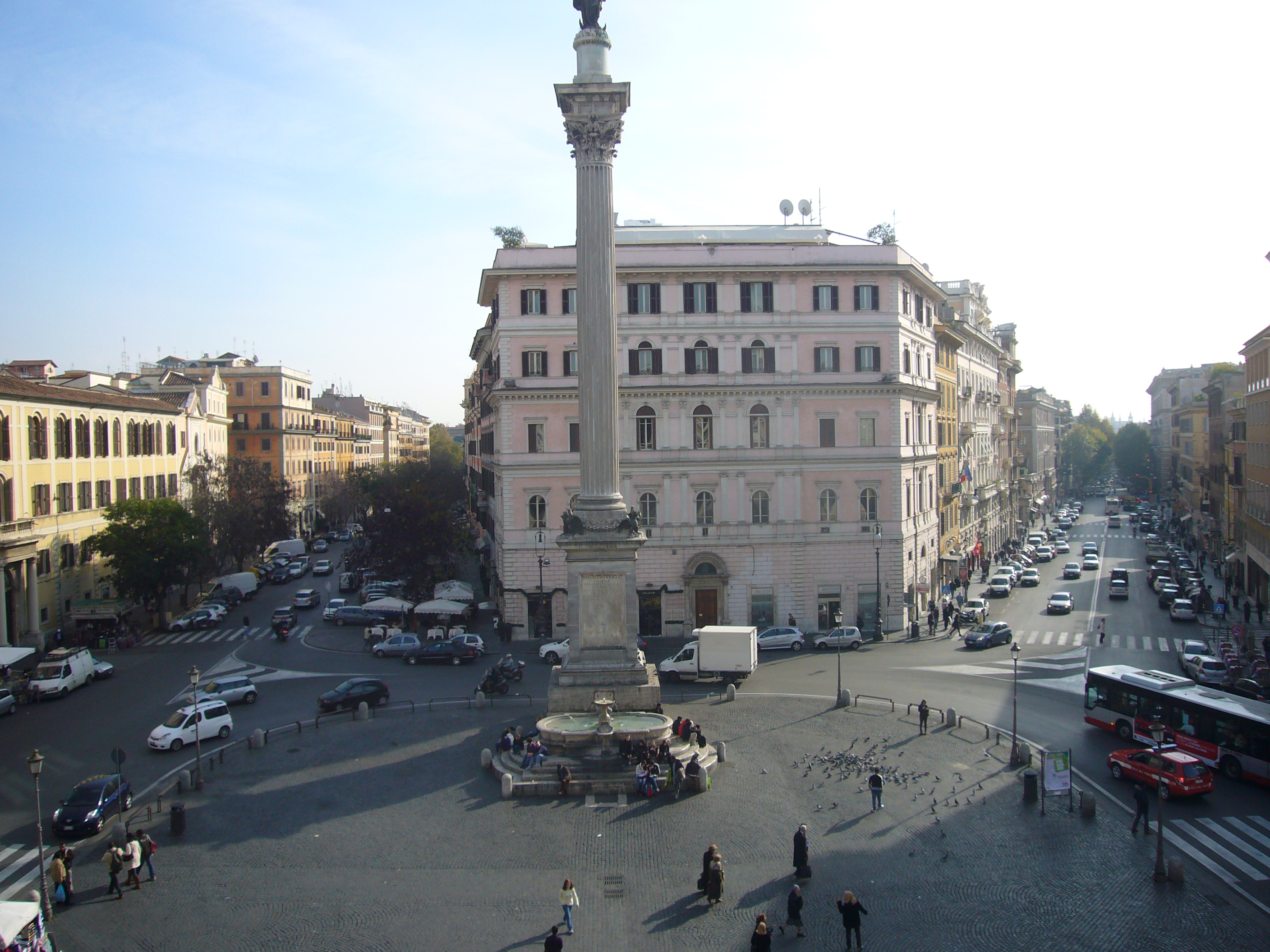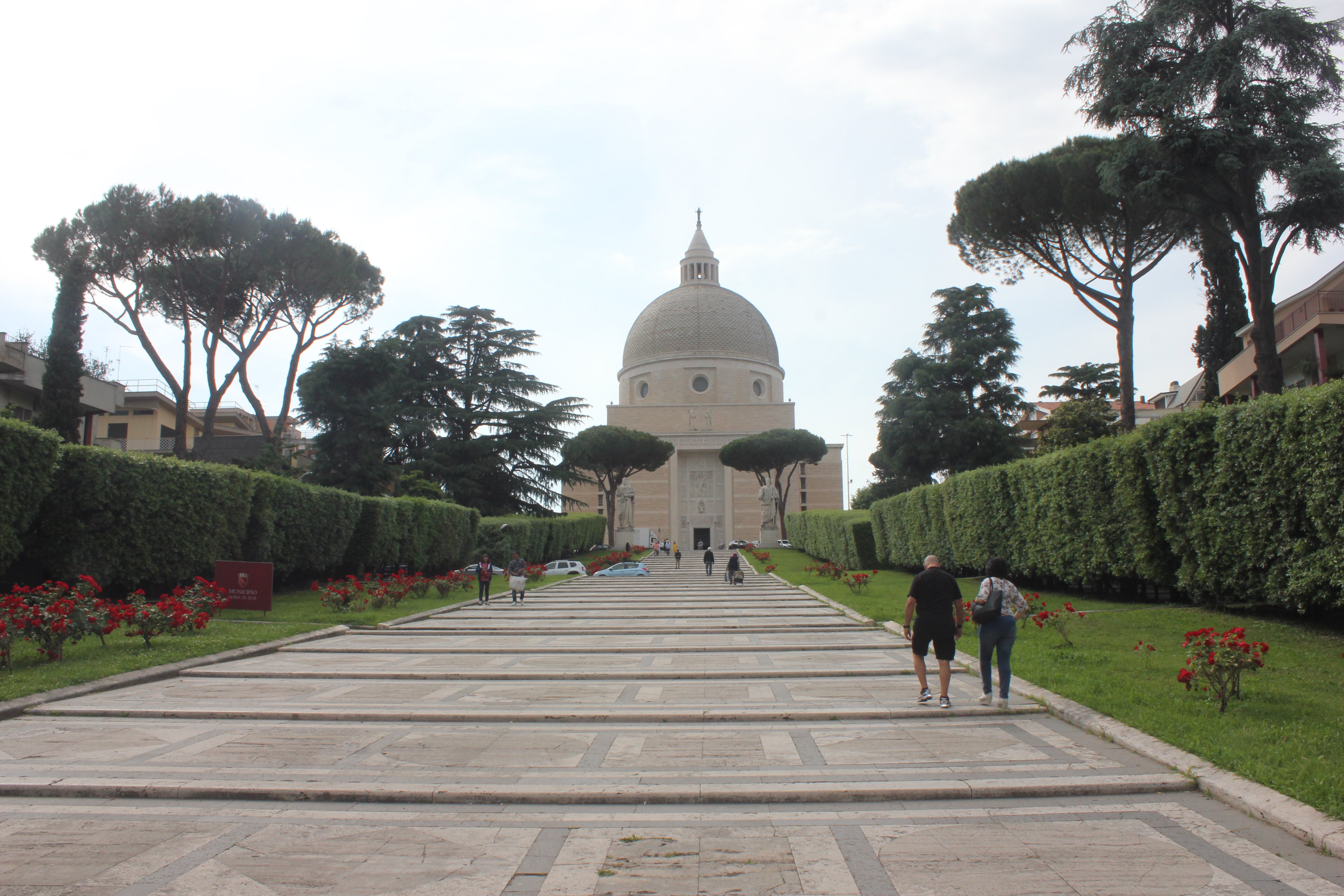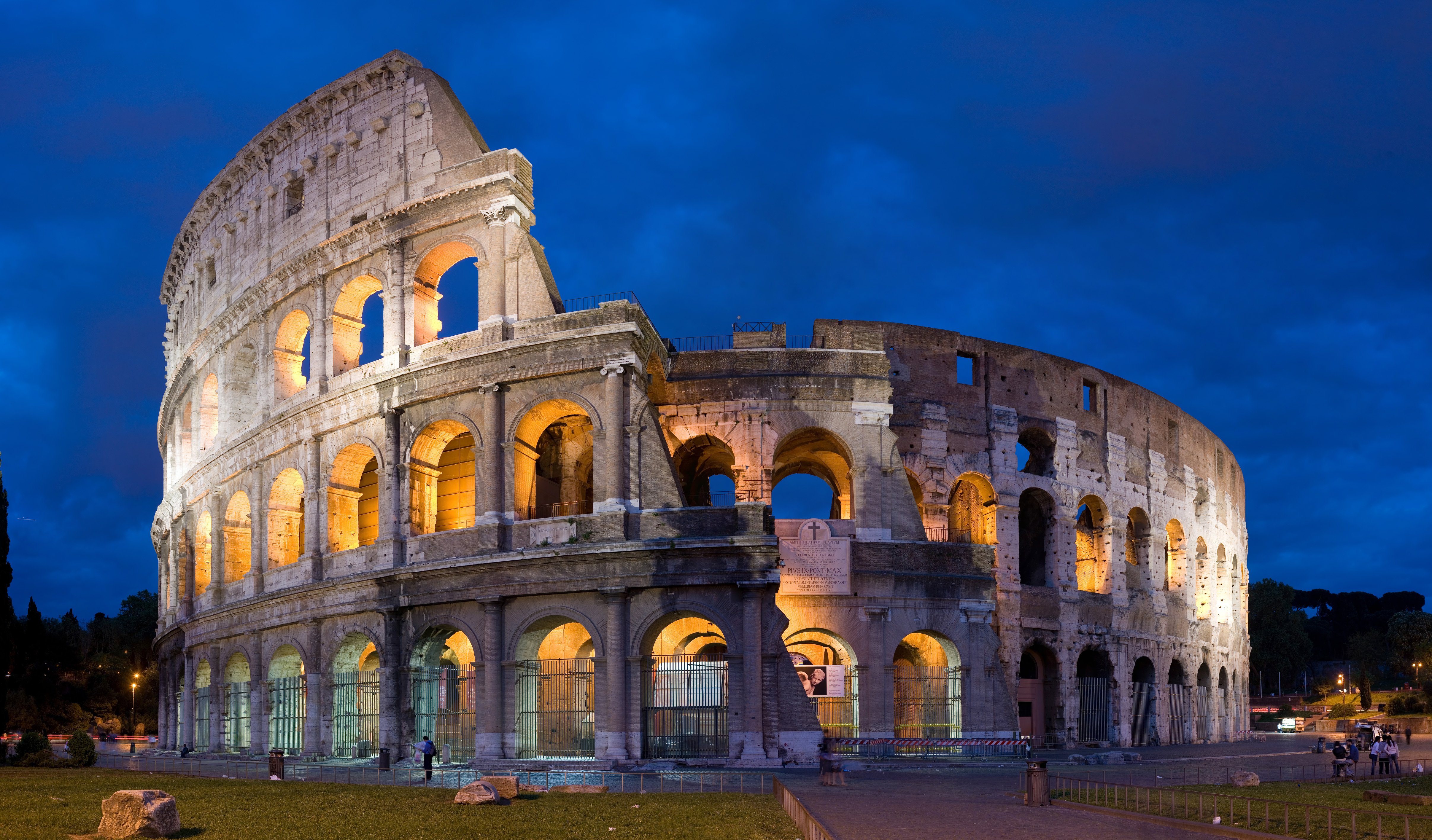
The Eternal City needs no introduction, yet it still manages to surprise. Rome layers nearly three thousand years of history into a living, breathing capital where ancient ruins sit beside buzzing trattorias and Renaissance churches share streets with vintage clothing shops. It is chaotic, beautiful, maddening, and utterly addictive.
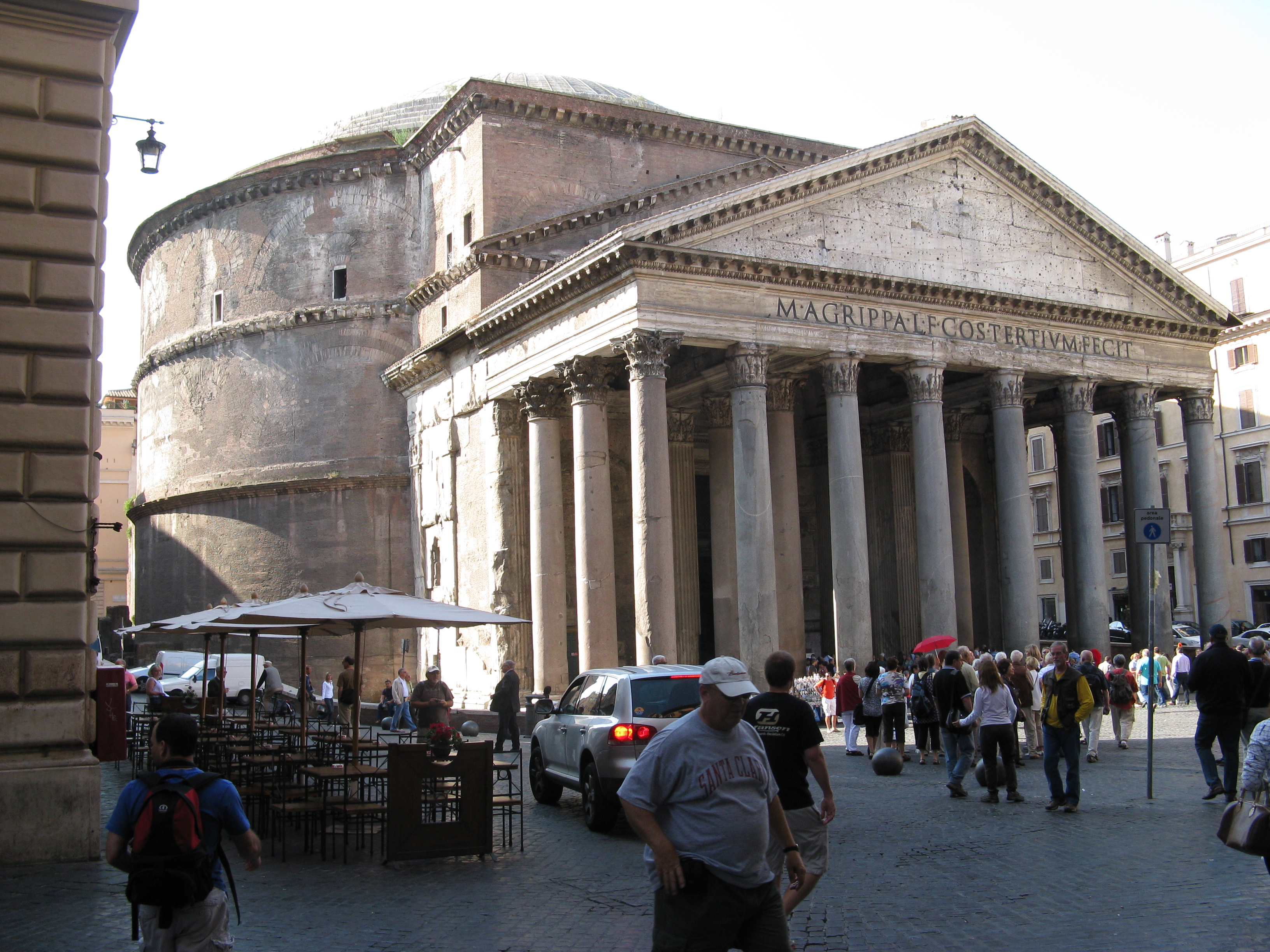
At its heart lies the historic center, a UNESCO World Heritage Site so dense with landmarks that you will stumble across a Bernini fountain or a Caravaggio painting on the way to buy a coffee. The Colosseum, the Pantheon, St. Peter's Basilica, and the Roman Forum are just the headliners. Entire neighborhoods like Trastevere, Testaccio, and Monti have their own distinct character and reward aimless wandering as much as any museum visit.
Roman food is simple and fiercely traditional. The four canonical pasta dishes -- cacio e pepe, carbonara, amatriciana, and gricia -- are served everywhere, and locals will debate which trattoria does them best with the passion others reserve for football. Pizza here is thin-crusted and sold by weight (pizza al taglio) as often as by the plate. Gelato is an essential food group. Wash it all down with a Frascati white from the nearby hills or a bitter Negroni at an outdoor table.
Getting around is straightforward once you accept that Rome rewards walking above all else. The metro has three lines that hit the major stations but misses most of the historic center, where the ground is too full of archaeology to dig. Buses fill the gaps, taxis are plentiful, and distances between the major sights are shorter than they look on a map. The main challenge is the cobblestones -- wear good shoes.
Rome is busiest in spring and autumn when the weather is mild and the city is packed with visitors. Summer brings punishing heat but thinner crowds and lower prices, while winter offers a quieter, moodier city with surprisingly pleasant days between the rain.