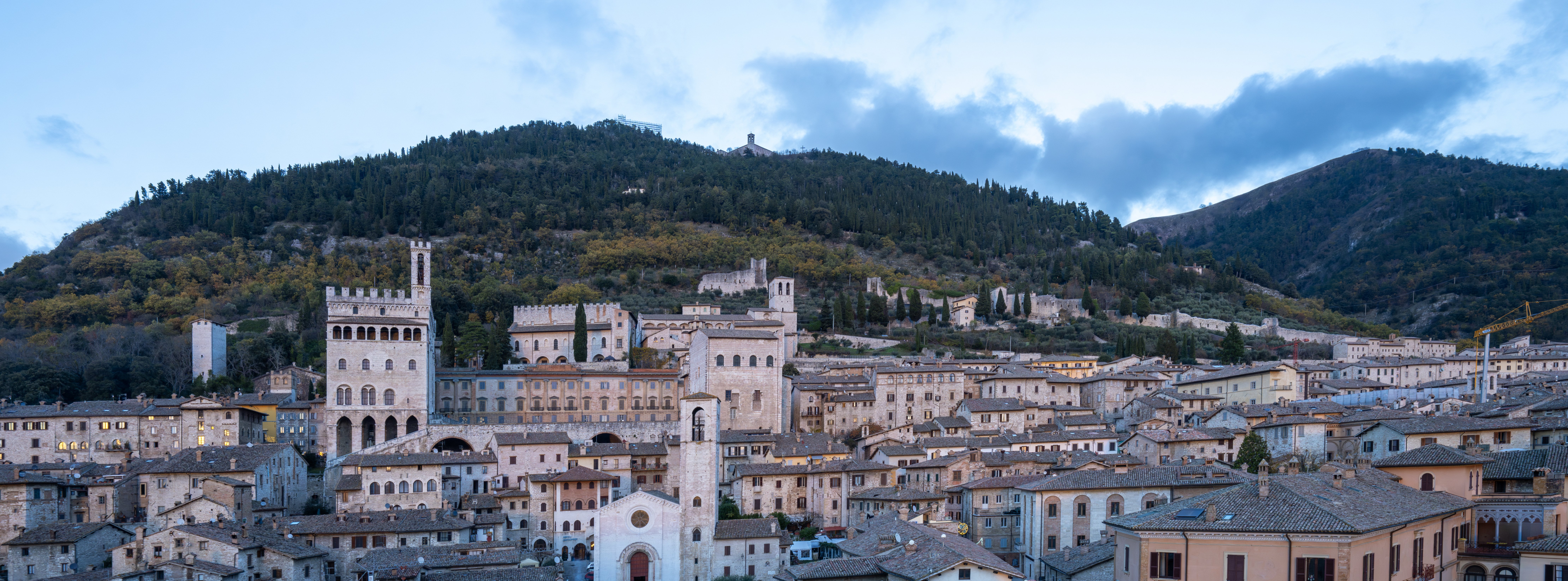
Umbria is the only landlocked region of peninsular Italy, a green, hilly country of medieval hilltowns, Romanesque churches, and olive groves. Often called "the green heart of Italy", it sits between Tuscany to the northwest and Lazio to the south and receives far fewer visitors than its neighbours — which is one of its main virtues.
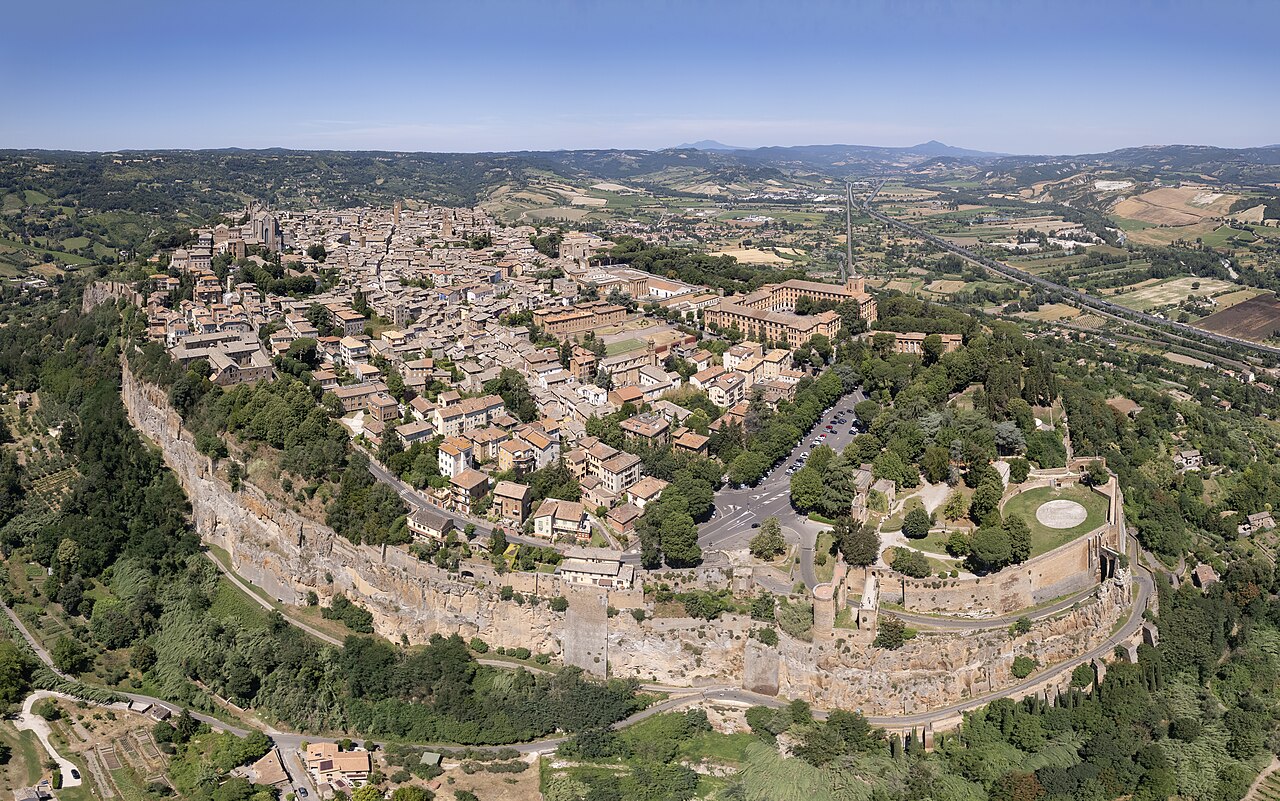
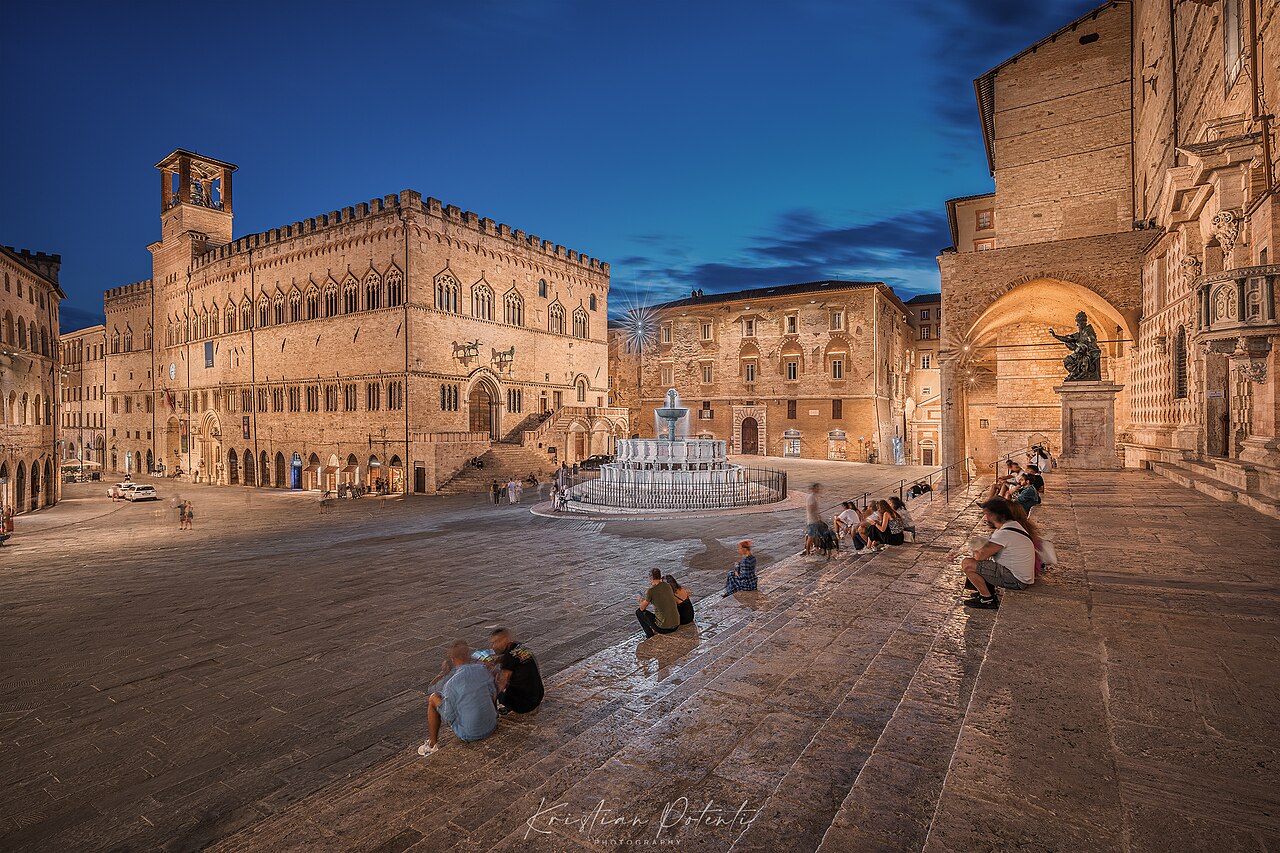
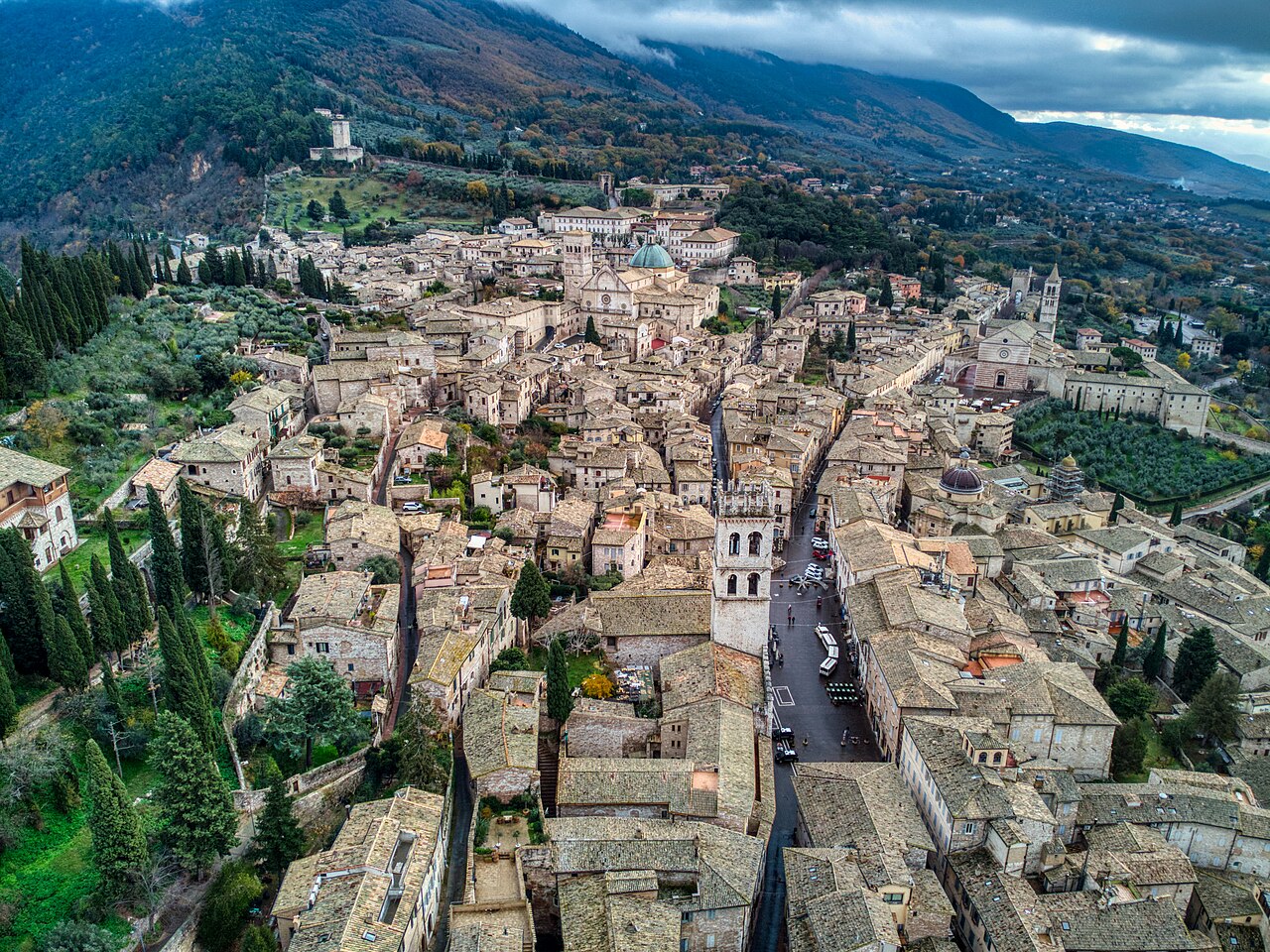
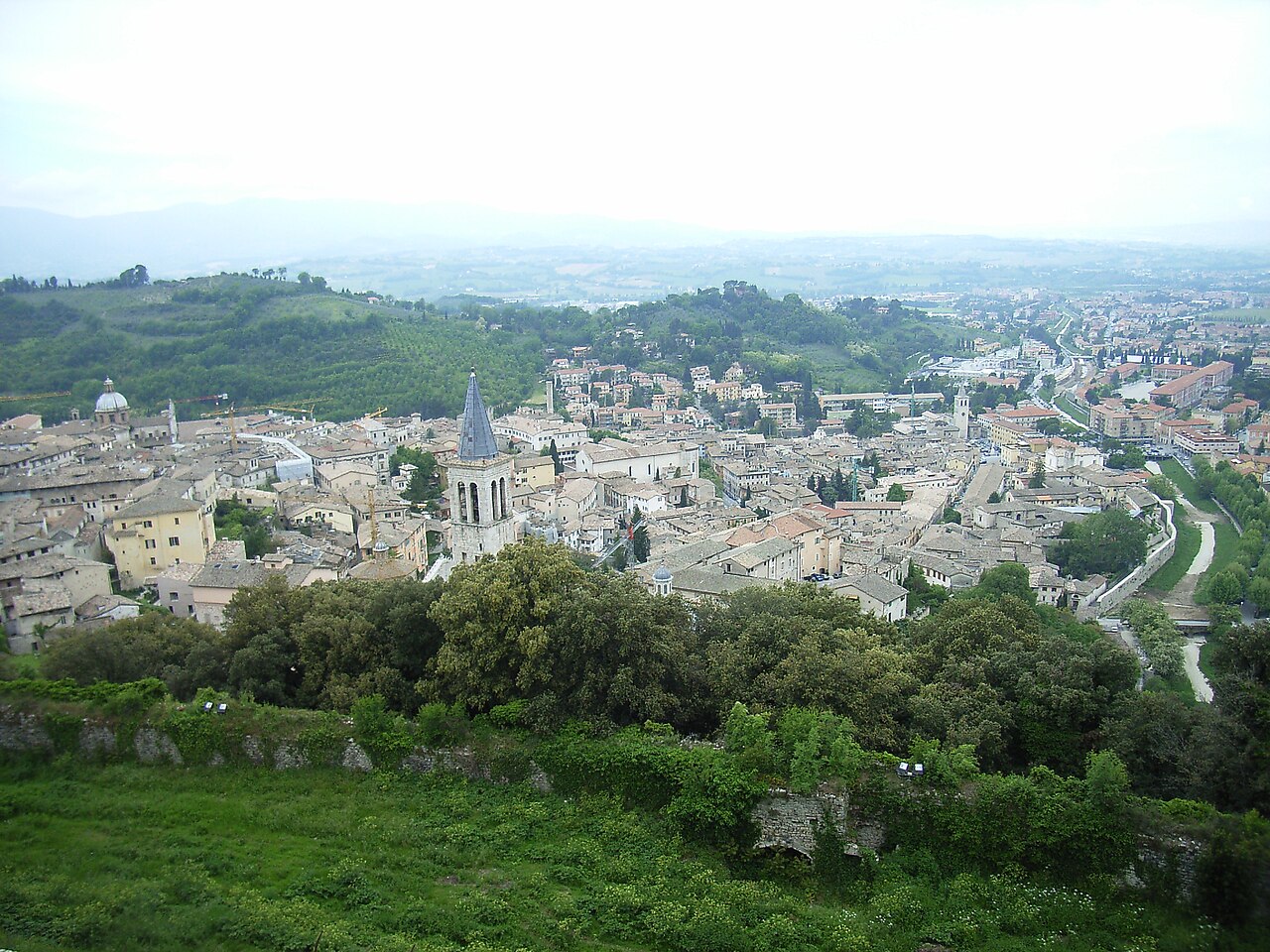
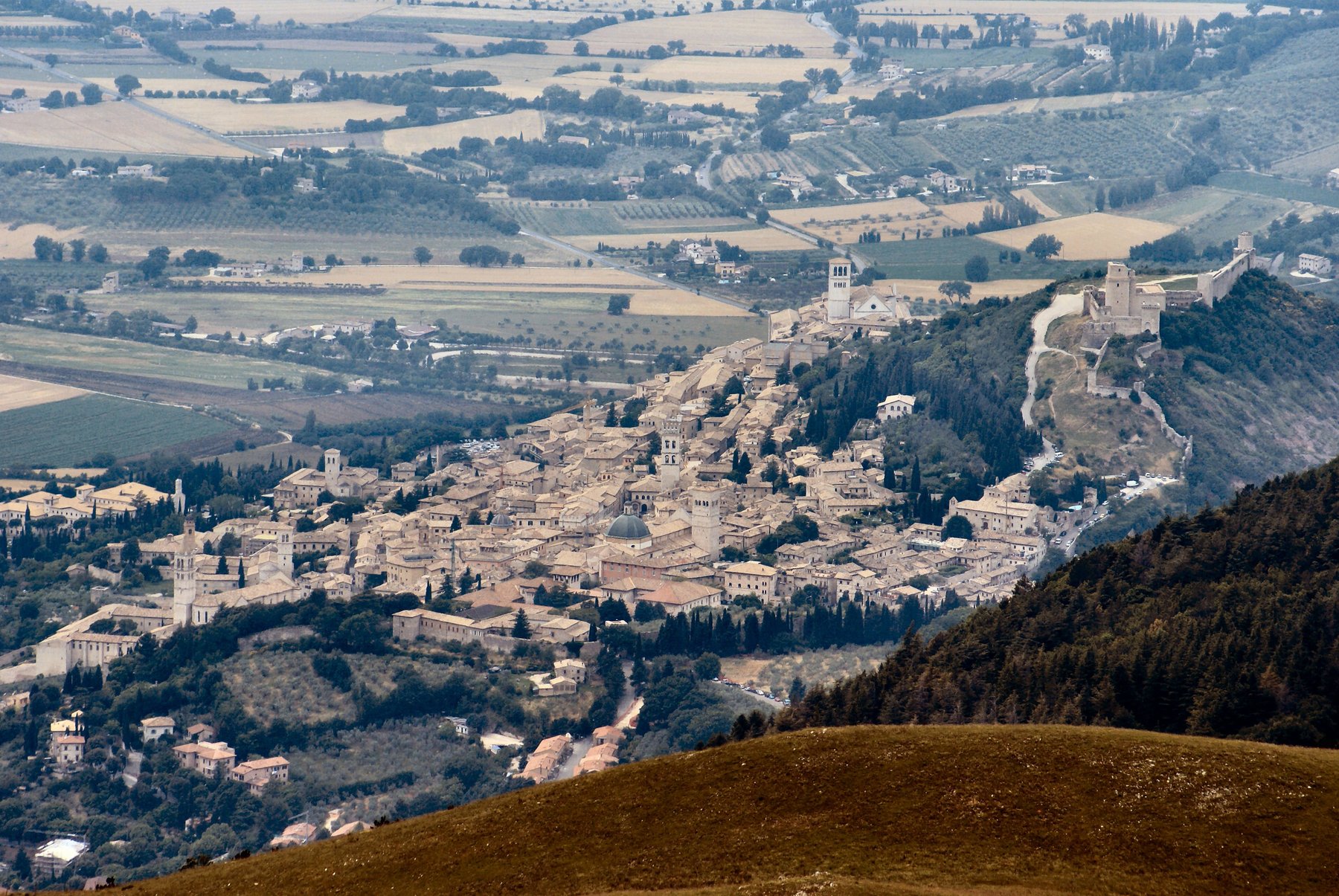
Perugia is the regional capital, a lively university city with a well-preserved medieval centre, a good archaeological museum, and the Galleria Nazionale dell'Umbria. Assisi is the most visited town in the region, the birthplace of St Francis and a major pilgrimage destination — the Basilica di San Francesco contains Giotto's famous frescoes and is genuinely stunning, though the town around it is heavily tourist-oriented. Orvieto is worth going out of your way for: the cathedral's striped marble facade and the elaborate façade mosaics are among the finest examples of Italian Gothic architecture. Spoleto has a well-regarded arts festival in June and July, and the Ponte delle Torri — a 14th-century aqueduct bridge above a wooded gorge — is one of the great walks in central Italy.
The food is excellent and unpretentious: lentils from Castelluccio, black truffles (in season from November to March, cheaper and more pungent than Piemonte's white truffles), porchetta, and the local Sagrantino di Montefalco, a powerful red wine made from a grape found almost nowhere else. Lake Trasimeno in the west offers quiet beaches and decent fishing. Umbria is best explored by car — the hilltowns are spread out and public transport between them is thin.