Lanzarote looks like nowhere else in Europe. The island is almost entirely volcanic, a landscape of black lava fields, rust-red craters, and pale sandy beaches under a sky that rarely clouds over. What could be barren and hostile is instead strangely beautiful -- the contrast between dark rock and white sand, between the deep blue Atlantic and the ochre desert interior, gives the island an otherworldly quality that stays with you.
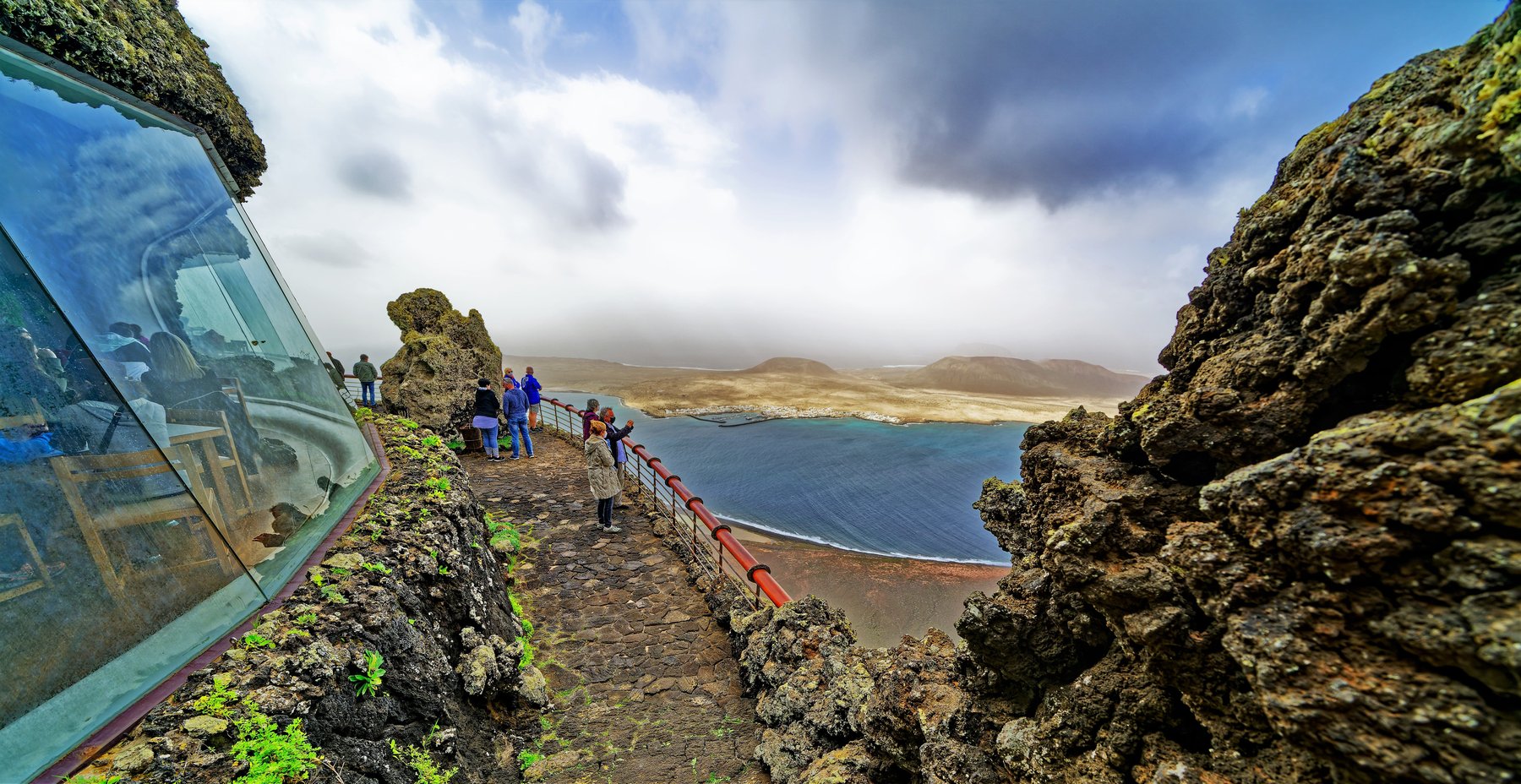
Much of the credit for Lanzarote's character goes to César Manrique, the local artist and architect who fought to keep the island free of high-rises and neon. Thanks to him, buildings stay low and white, developments blend into the landscape, and the island's volcanic features have been turned into art rather than paved over. His influence is everywhere: in the underground concert hall at Jameos del Agua, in the cactus garden at Guatiza, in the cliffside viewpoint at Mirador del Rio.
The volcanic heart of the island is Timanfaya National Park, where eruptions in the 1730s buried a quarter of Lanzarote under lava. The park is eerie and magnificent -- you drive through a sea of frozen lava while geothermal heat still rises from the ground. Nearby, the green lagoon at El Golfo sits in a half-collapsed volcanic crater, and the Cueva de los Verdes leads you through a lava tube stretching several kilometres underground.
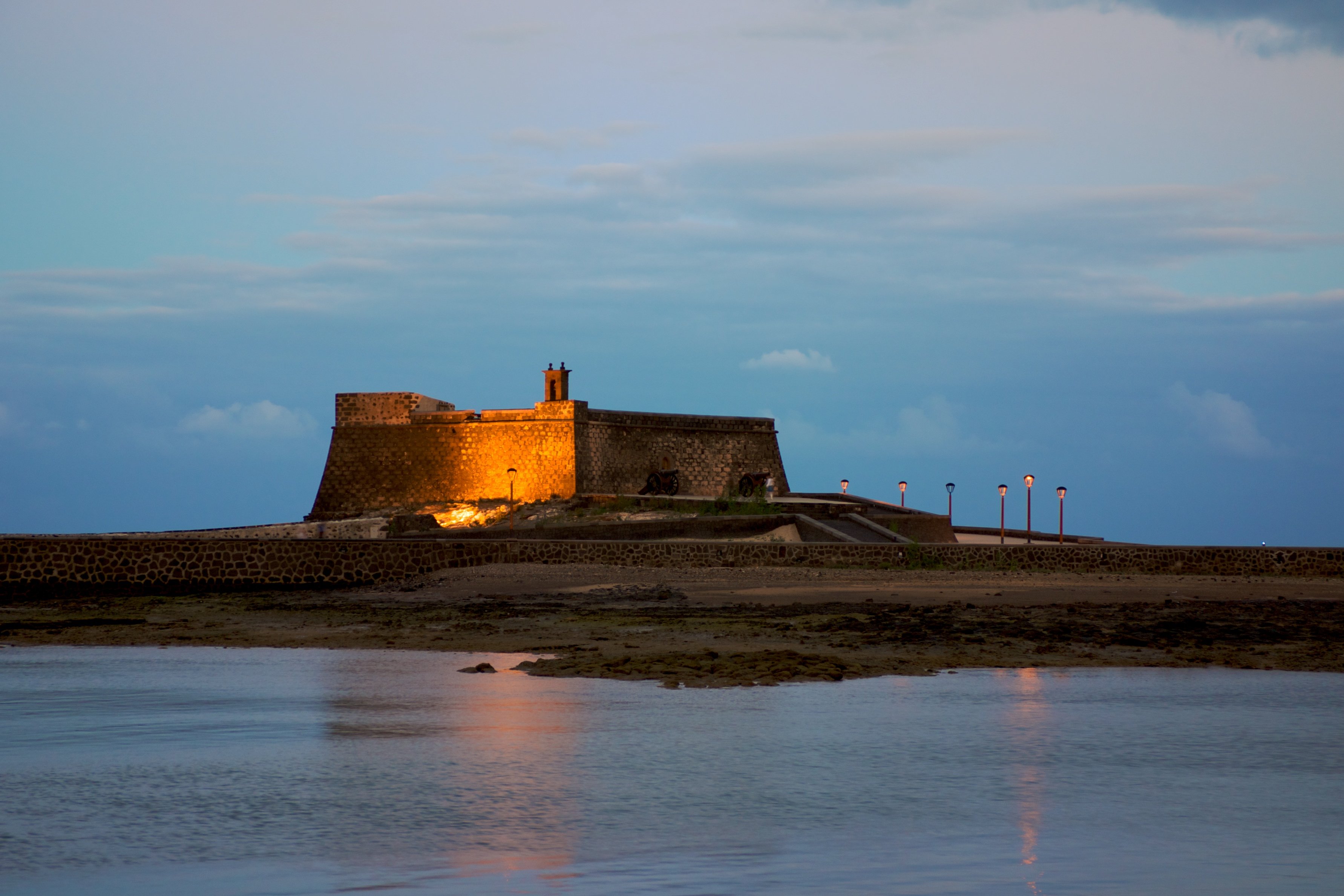
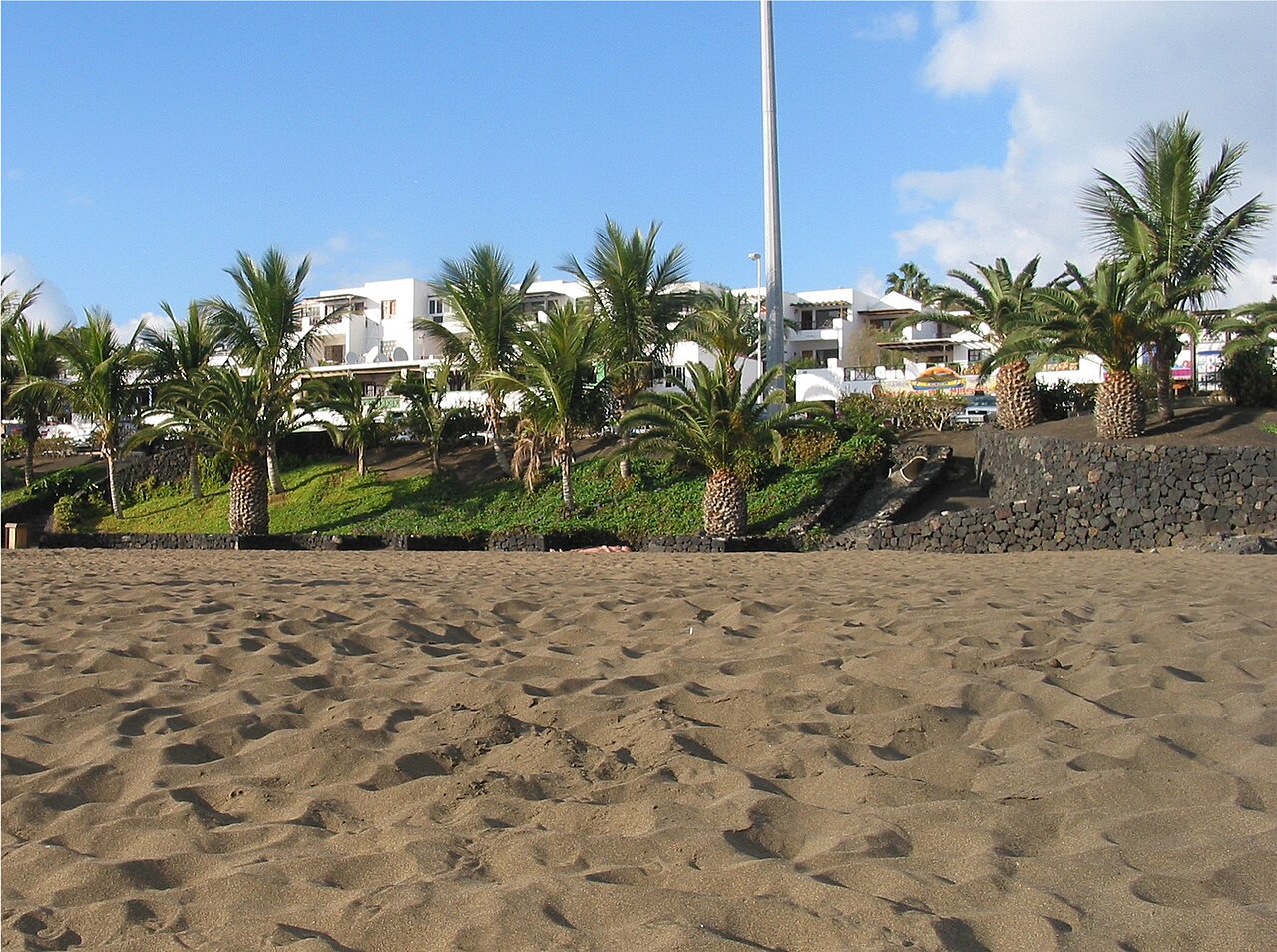
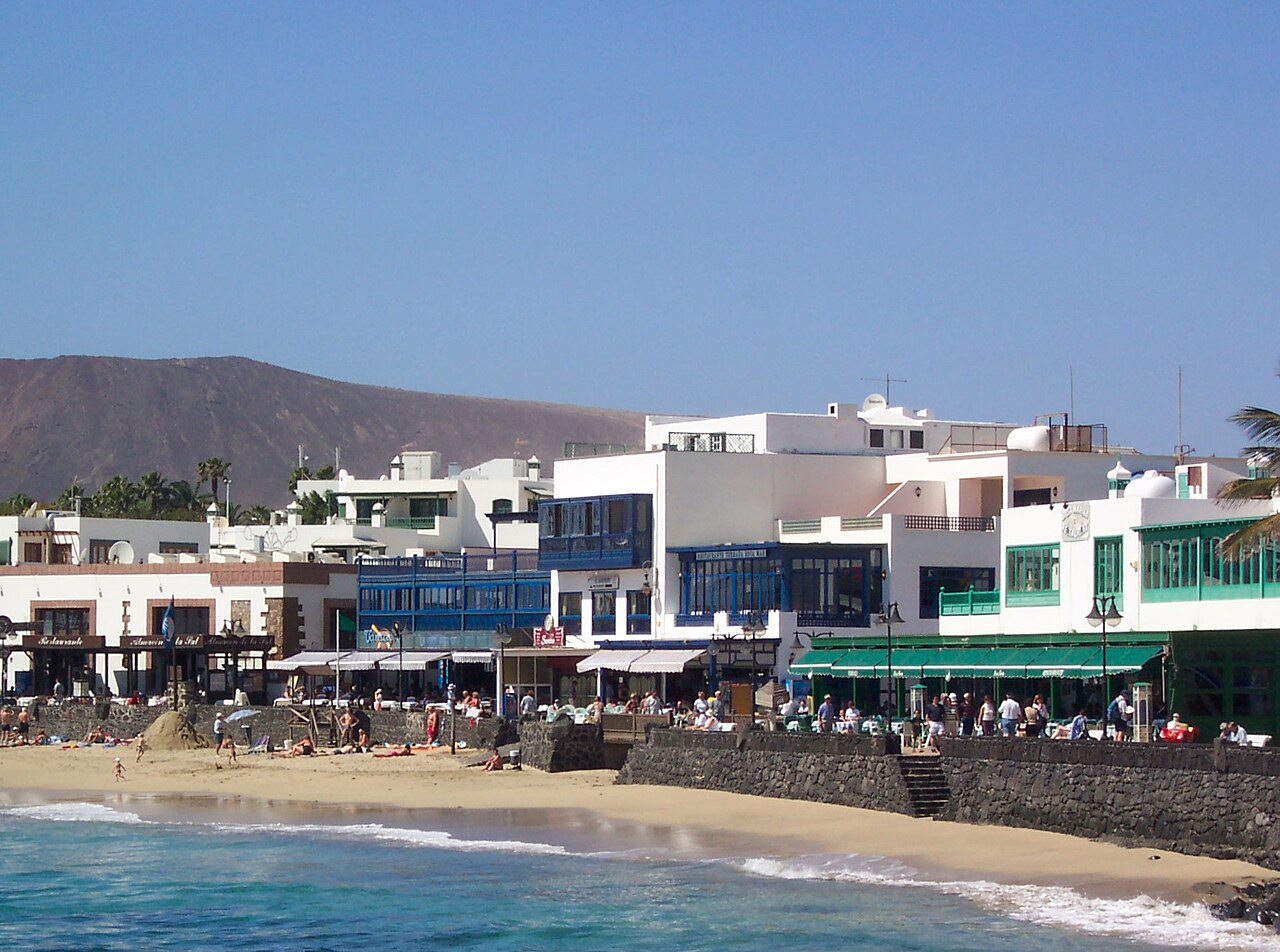
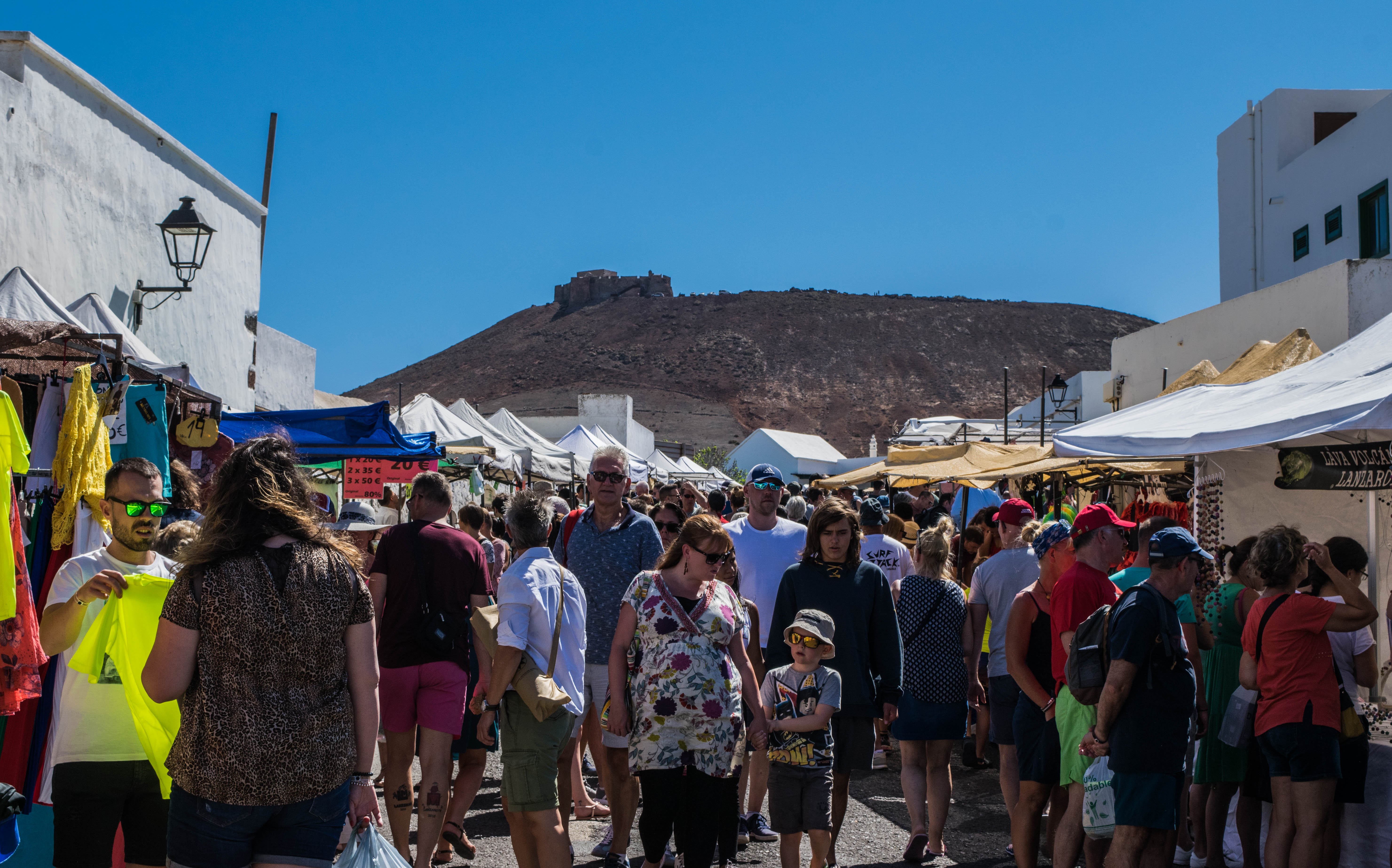
The main resorts are Puerto del Carmen on the southeast coast and Playa Blanca in the south. Neither is glamorous, but both stay mercifully low-rise. For something with more character, head to Teguise, the old capital, especially on Sundays when the market fills the town. The modern capital Arrecife is a working port city that most visitors skip, though it has a pleasant waterfront and a couple of Manrique-designed attractions worth a stop.
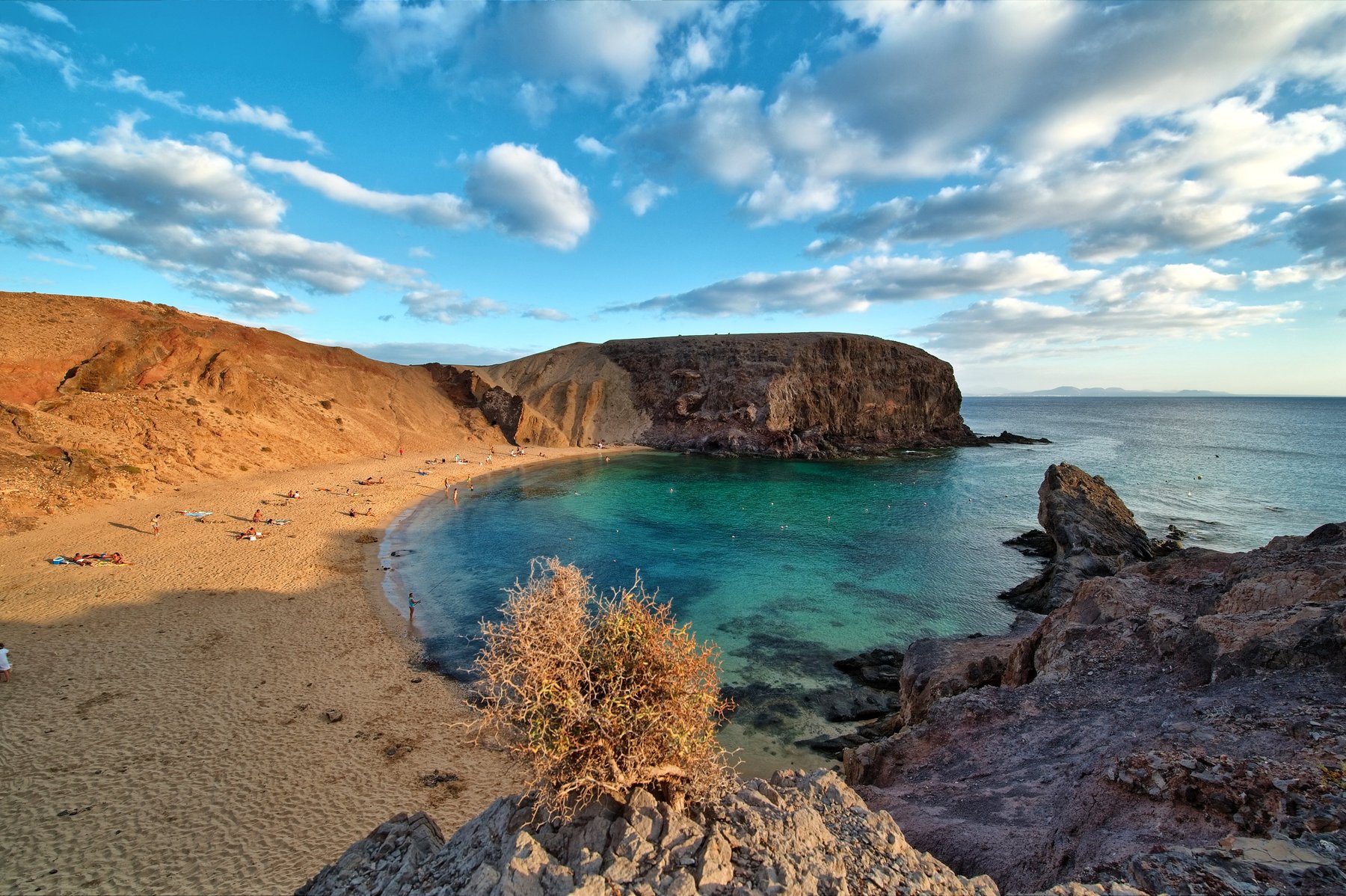
The best beaches are in the south: the Papagayo coves near Playa Blanca have white sand and clear water reached by dirt tracks, and their relative inaccessibility keeps them uncrowded. Famara beach on the northwest coast is wilder and windier, popular with surfers and with a dramatic cliff backdrop.