Murcia is a small, underrated region tucked into the south-east corner of Spain, between Andalucía and the Valencian Community. It is the driest part of the country — parts of it are classified as semi-desert — but the valley of the Río Segura is so fertile that Murcia has been called La Huerta de Europa, "the market garden of Europe", and supplies much of the continent's winter lettuce, peppers and citrus. The result is a surprising landscape: arid hills and eroded badlands rising straight out of green irrigated plains, all under a sky that is more often clear than anywhere else in Spain.
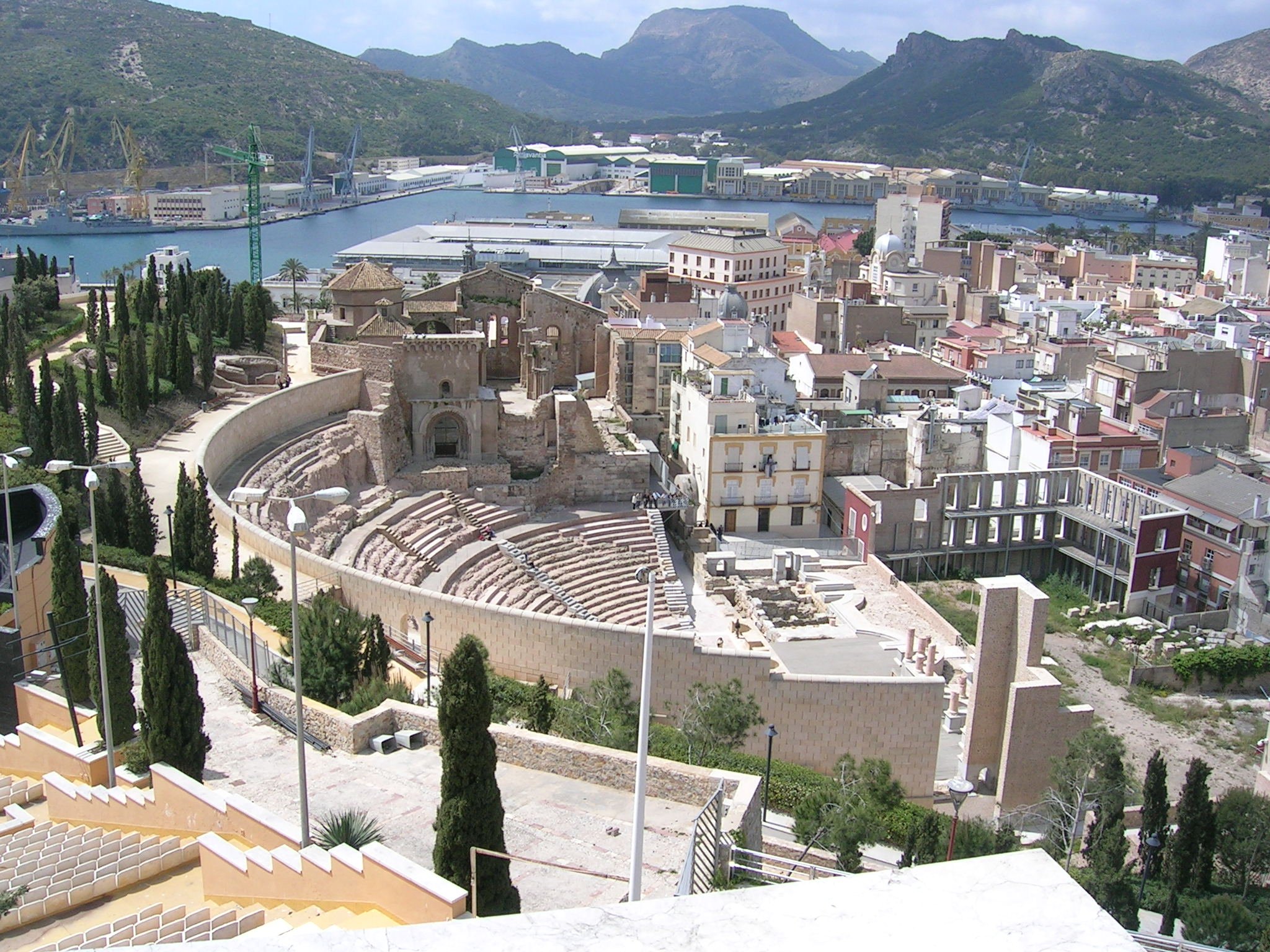
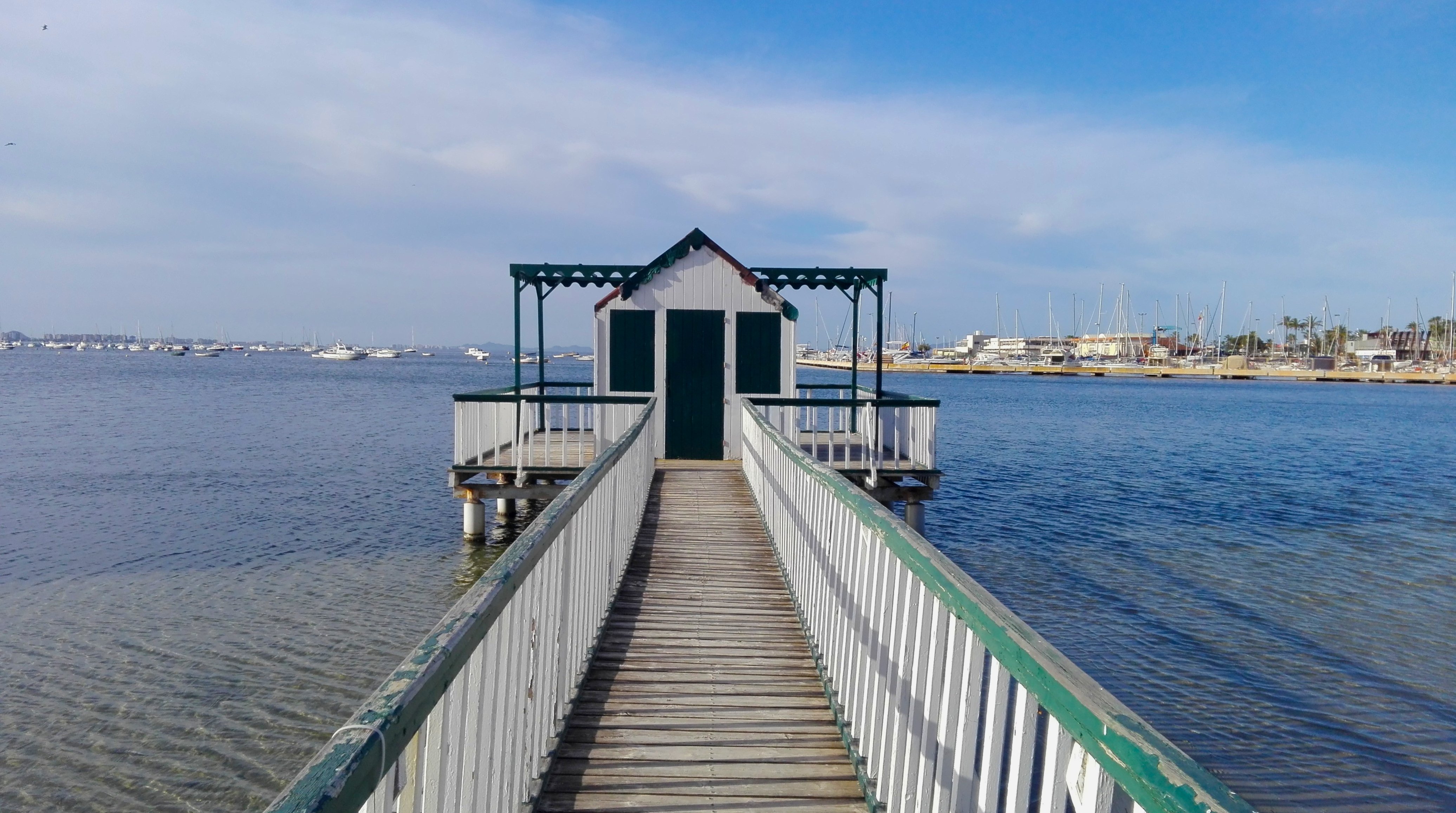
The region's centre is the city of Murcia, a prosperous inland capital of around 450,000 people built around the looping river, with a famously ornate baroque cathedral and a student population that makes the old town unexpectedly lively. On the coast, Cartagena is the great surprise — an ancient Phoenician, Carthaginian and then Roman harbour city whose centre is essentially built on top of its own archaeology, most spectacularly the superbly restored Roman theatre unearthed in the 1980s. Further south-west, Lorca is a handsome inland baroque town below a medieval castle. Along the shore lies the Mar Menor, Europe's largest saltwater lagoon, fringed by unpretentious Spanish family resorts like Santiago de la Ribera and Lo Pagán.
Murcia is also quietly one of Spain's best places to eat. The huerta produces vegetables to a standard you rarely find elsewhere; the coast contributes salt-aged tuna (mojama) and sea bream from the Mar Menor; and the wines from Jumilla, Yecla and Bullas — big, dark Monastrell reds — are finally getting the attention they deserve.
Destinations in Murcia
- Murcia city
- Cartagena
- Lorca
- Santiago de la Ribera
- Lo Pagán