Central Cuban university city tied to Che Guevara and the decisive battle of the revolution
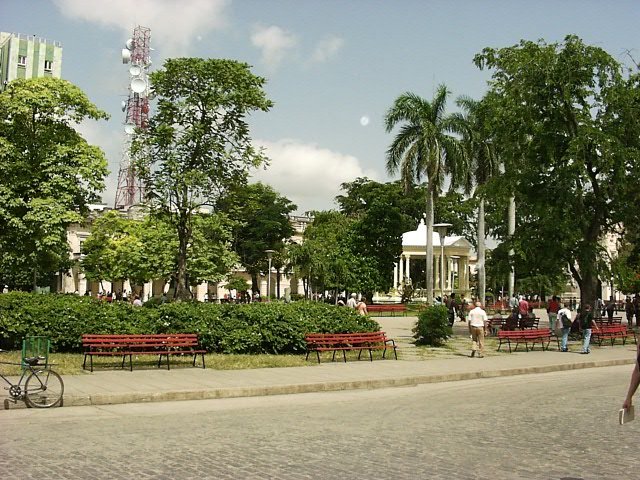
Santa Clara is the capital of Villa Clara province, sitting in the centre of Cuba roughly equidistant from Havana and Santiago de Cuba. It's a university city with a lively, younger character than the more touristed colonial towns — the streets around Parque Vidal fill up most evenings with students, musicians, and families doing what Cubans do everywhere: talking, arguing, flirting, and listening to music with the windows open.
The city is inextricably linked to Che Guevara. The battle of Santa Clara in December 1958 was the decisive engagement of the Cuban Revolution — Guevara's column captured the city by derailing a Batista armoured train loaded with troops and weapons, and the armoured cars still sit where they were toppled, now a monument called the Tren Blindado. The Che Guevara Mausoleum contains his remains, brought back from Bolivia in 1997. Pilgrims from around the world come here; it's a serious, moving place whether you share the politics or not.
Beyond the Che sites, Santa Clara has a genuinely interesting cultural life. Teatro La Caridad is one of the finest surviving 19th-century theatres in Cuba. El Mejunje — a cultural centre that has been an openly gay-friendly space since the 1980s, long before tolerance became official Cuban policy — hosts live music, drag shows, and theatre in a crumbling colonial courtyard. The city is an honest slice of Cuban urban life, with none of the theatrical staging of Havana's tourist districts.
Guide
Getting Around
Santa Clara's centre is compact and walkable. The Che Guevara Mausoleum is about two kilometres west of Parque Vidal — a 25-minute walk in the heat, or a short taxi ride. The Tren Blindado is about a kilometre north of the centre. Everything else worth seeing is within easy walking distance of the main park.
The local taxi fleet mixes classic American cars with more modern Russian-era Ladas and newer vehicles. Horse-drawn cabs (coches) still operate on some routes and are very cheap. Bicitaxis (cycle taxis) cover the centre efficiently. For longer distances — to the airport, or out to the Mausoleum — negotiate the fare before you get in.
The Viazul terminal and the train station are both on the eastern outskirts, accessible by taxi or bicitaxi from the centre.
Guide
Getting There
Santa Clara sits on the Central Highway (Carretera Central) and the main railway line that runs the length of Cuba. It is roughly 270 kilometres from Havana and 380 kilometres from Santiago de Cuba.
By bus, Viazul (the tourist bus service) stops at Santa Clara on its Havana–Trinidad–Santiago route. Journey time from Havana is around four hours. The bus terminal is on the Carretera Central at the eastern edge of the city. Book ahead in high season — Viazul buses can fill up.
The train is slower and less reliable but cheaper. The Havana–Santiago train stops in Santa Clara; the journey from Havana takes around five to six hours when running on schedule. The railway station is a short taxi ride from the centre.
Santa Clara has a domestic airport, Abel Santamaría, which handles international charter flights as well. There are sometimes direct connections from Canada and Europe, primarily during peak winter season. Check current schedules, as these services vary.
Guide
When to Go
Santa Clara's climate is typical of Cuba's interior: hot and humid from June to October, with the most rain between September and October; drier and more comfortable from November through April. The heat is slightly more intense than on the coast, since there's no sea breeze to moderate things.
The best time to visit is November through March. Temperatures are in the low to mid-20s Celsius, nights are cool enough for a light jacket, and the rain is rare. This is also when the city is most animated — the university is in full session, and the cultural calendar is full.
The anniversary of the battle of Santa Clara (29 December) is marked each year with ceremonies at the Tren Blindado and the Che Guevara Mausoleum. If you're interested in revolutionary history, this is a significant date. The university graduation season in June and July brings another surge of activity to the city.