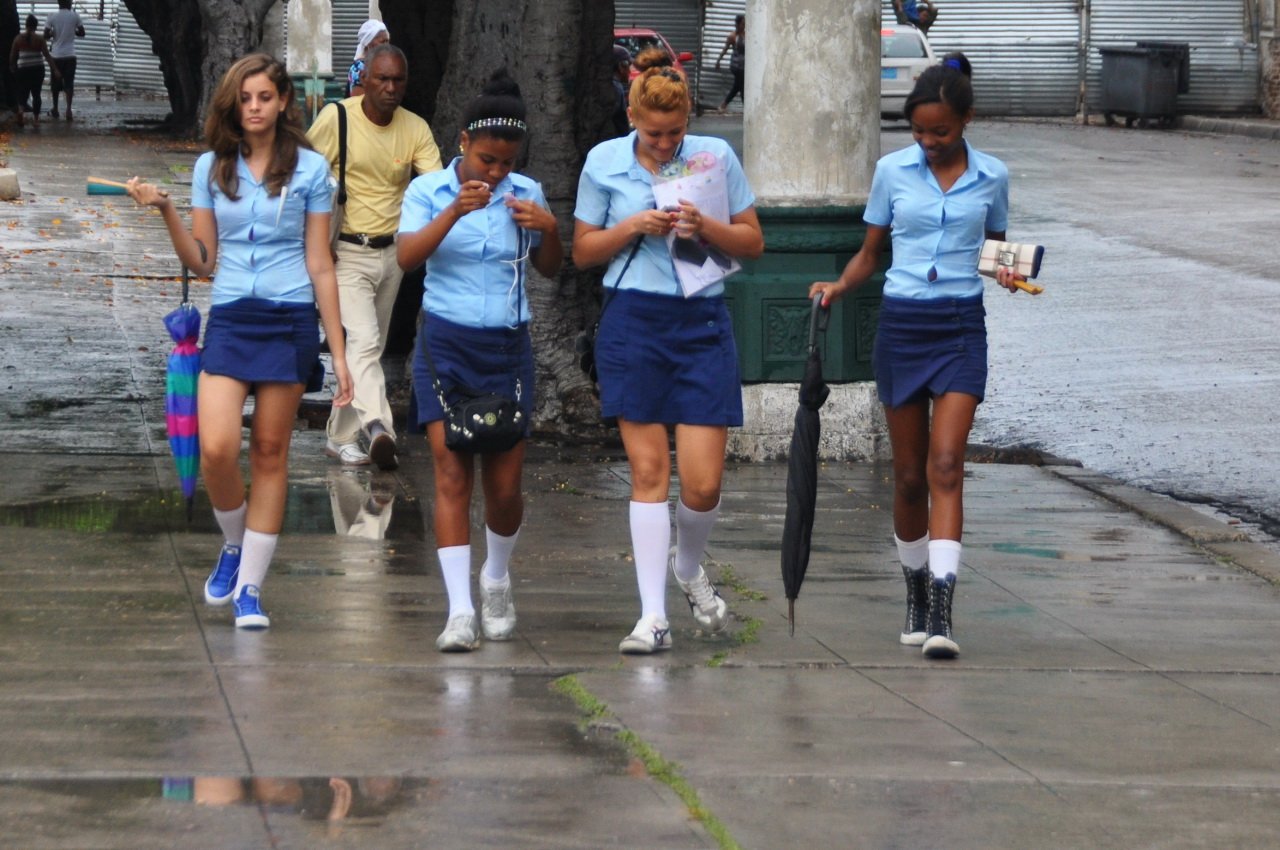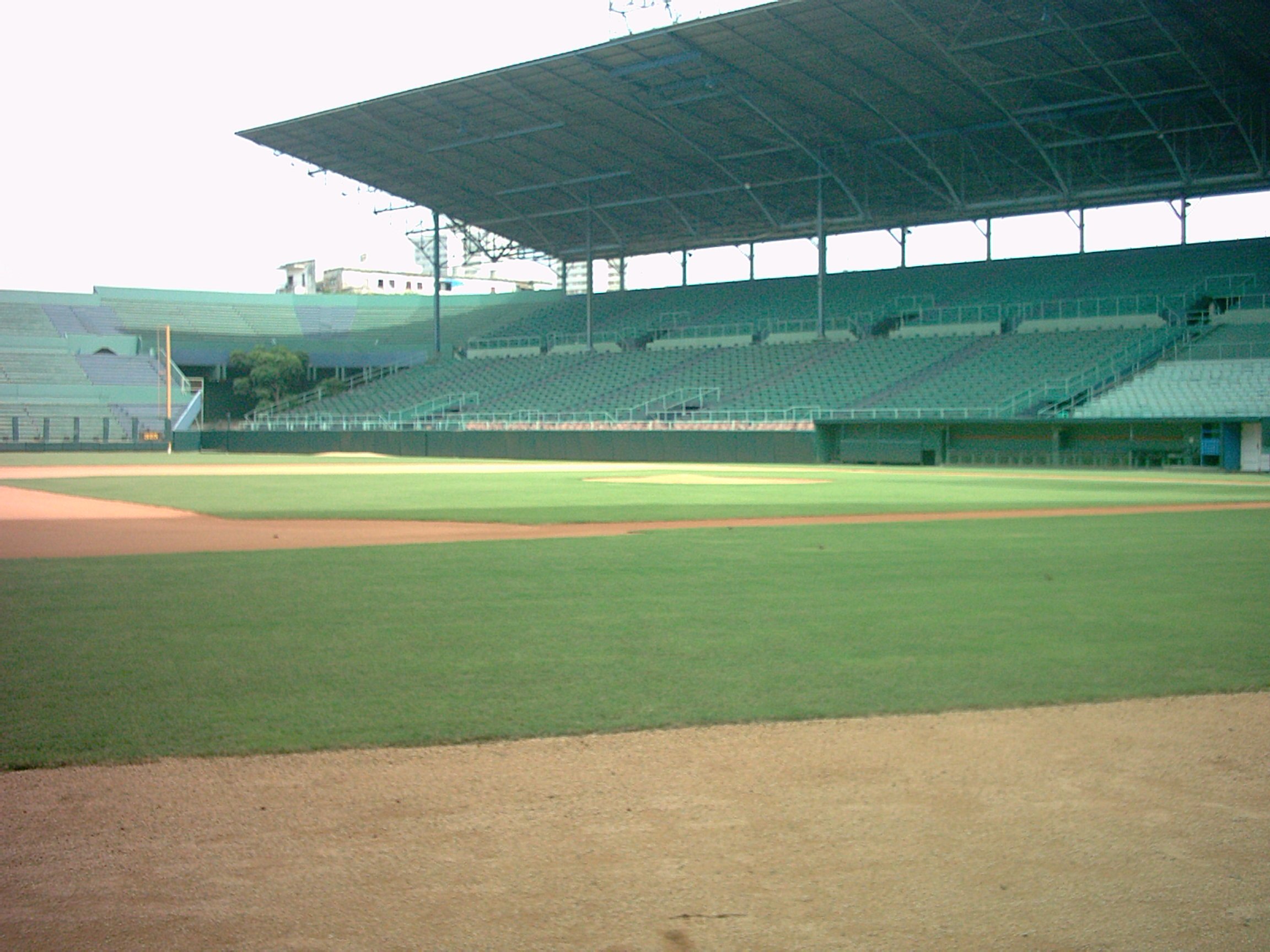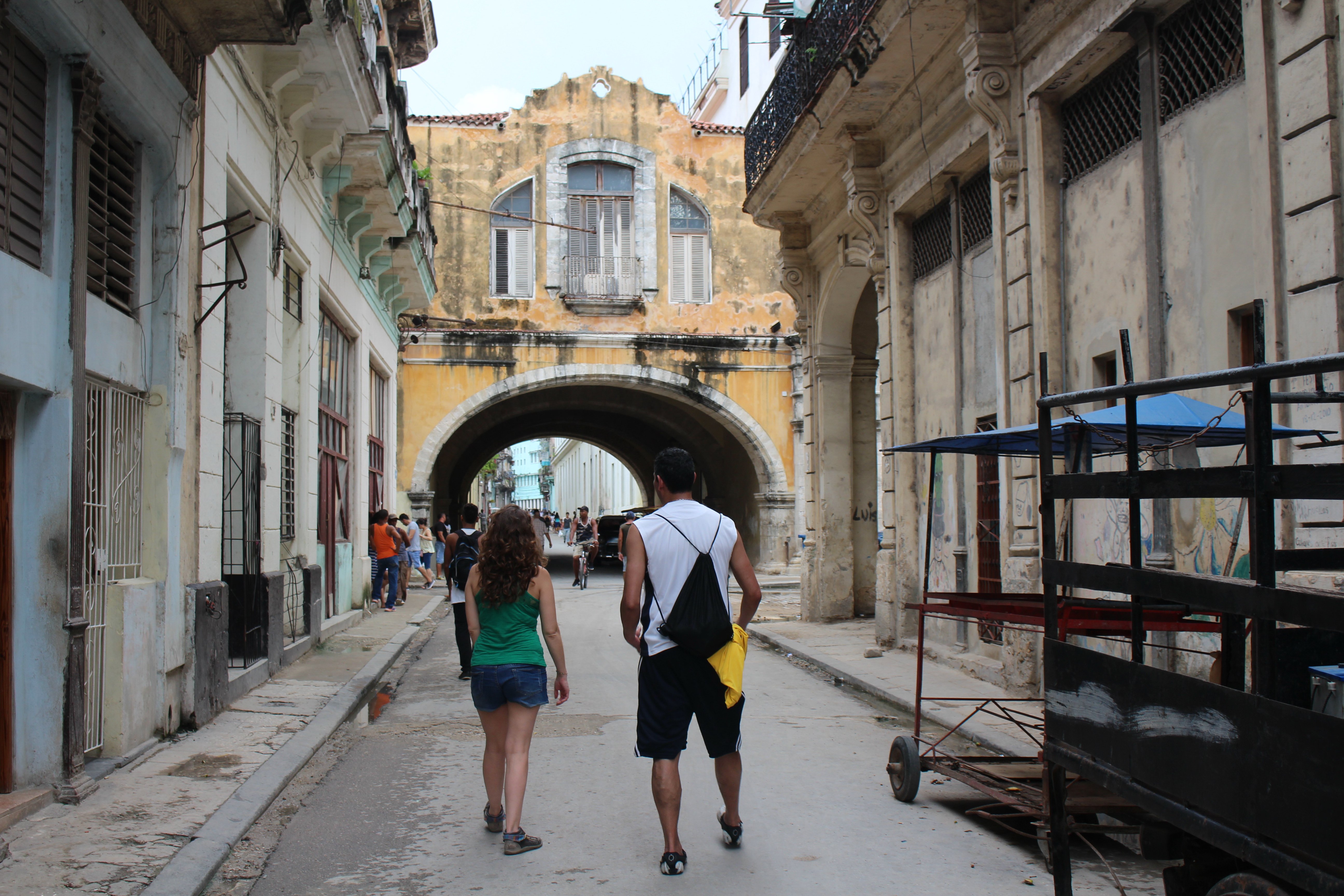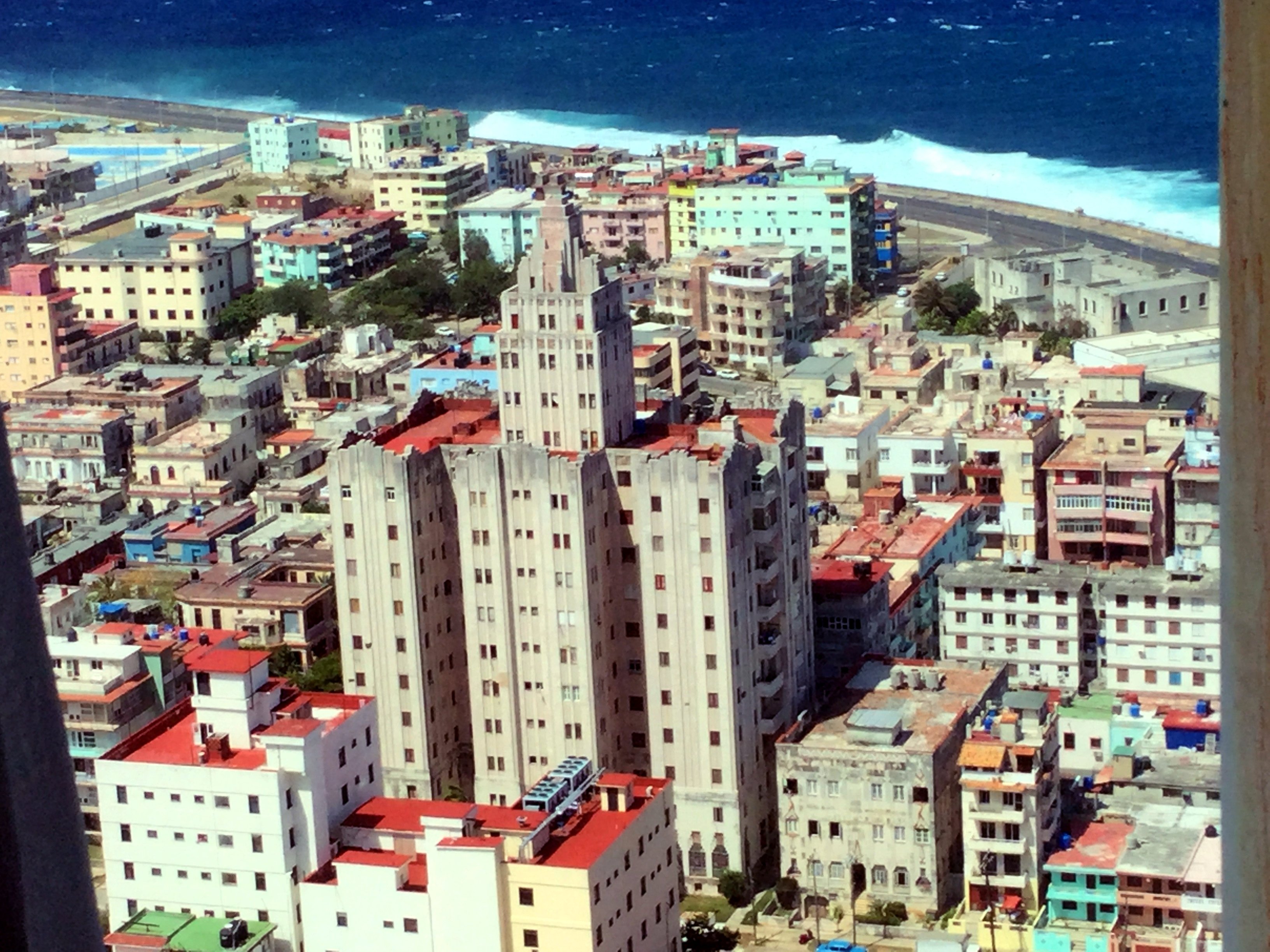
Havana is one of the most distinctive cities in the Americas — a capital frozen by circumstance into a specific moment, where the architecture of the 1940s and 1950s coexists with 18th-century colonial palaces and Soviet-era housing blocks, all in various stages of beautiful decay. The combination of physical grandeur and material scarcity produces a city unlike any other: enormous and human-scaled, crumbling and alive, melancholy and relentlessly social.
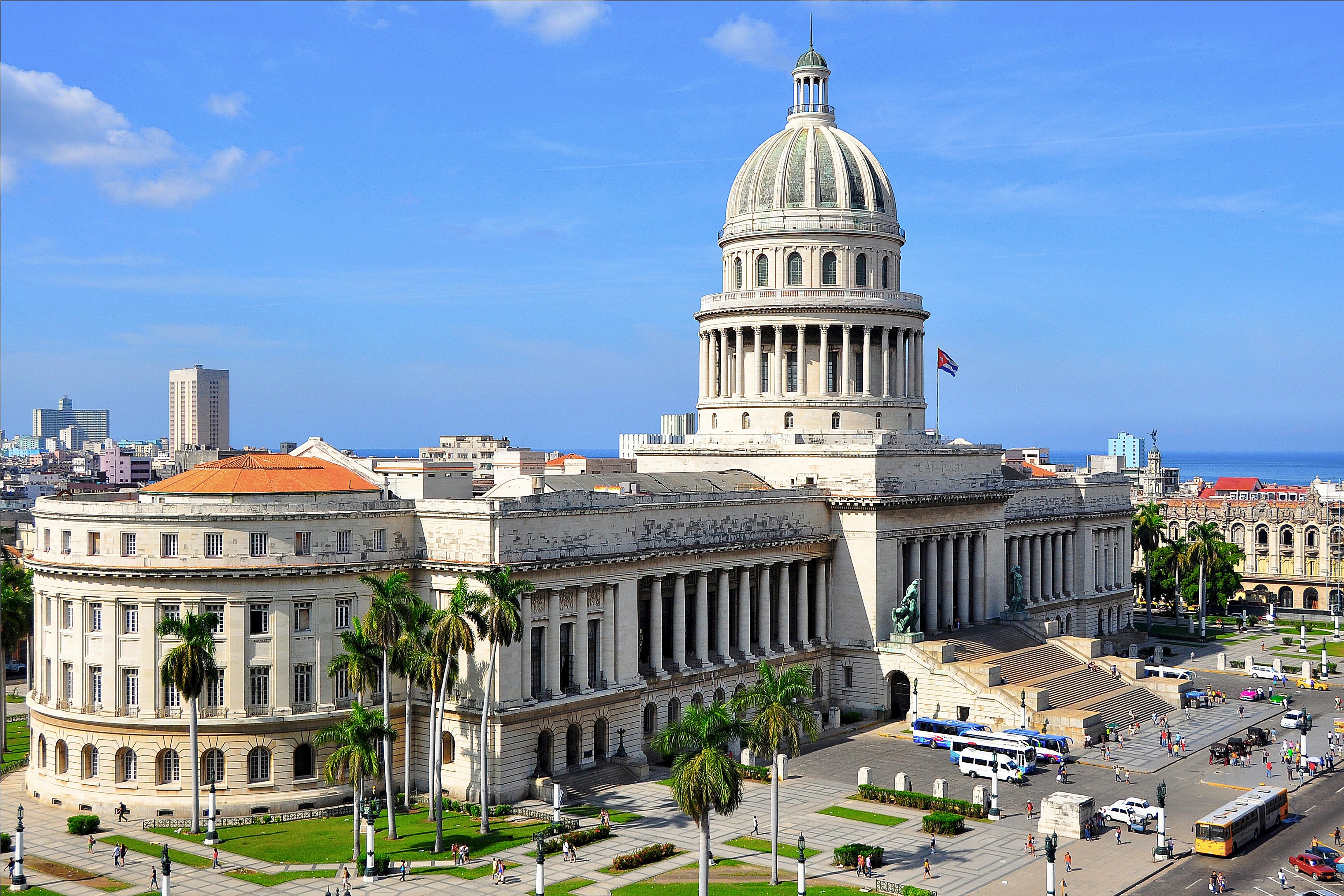
The city divides roughly into three neighbourhoods of interest. La Habana Vieja (Old Havana), a UNESCO World Heritage Site, is the colonial core — plazas, baroque churches, and restored mansions anchored by the Plaza de Armas, Plaza Vieja, and the Cathedral. The Capitolio and Gran Teatro mark the border with Centro Habana, the densely residential middle district where most Havanans live and few tourists go. Vedado, to the west, is the 20th-century city — wide tree-lined streets, the Hotel Nacional, the Colón Cemetery, and Coppelia's famous ice cream pavilion.
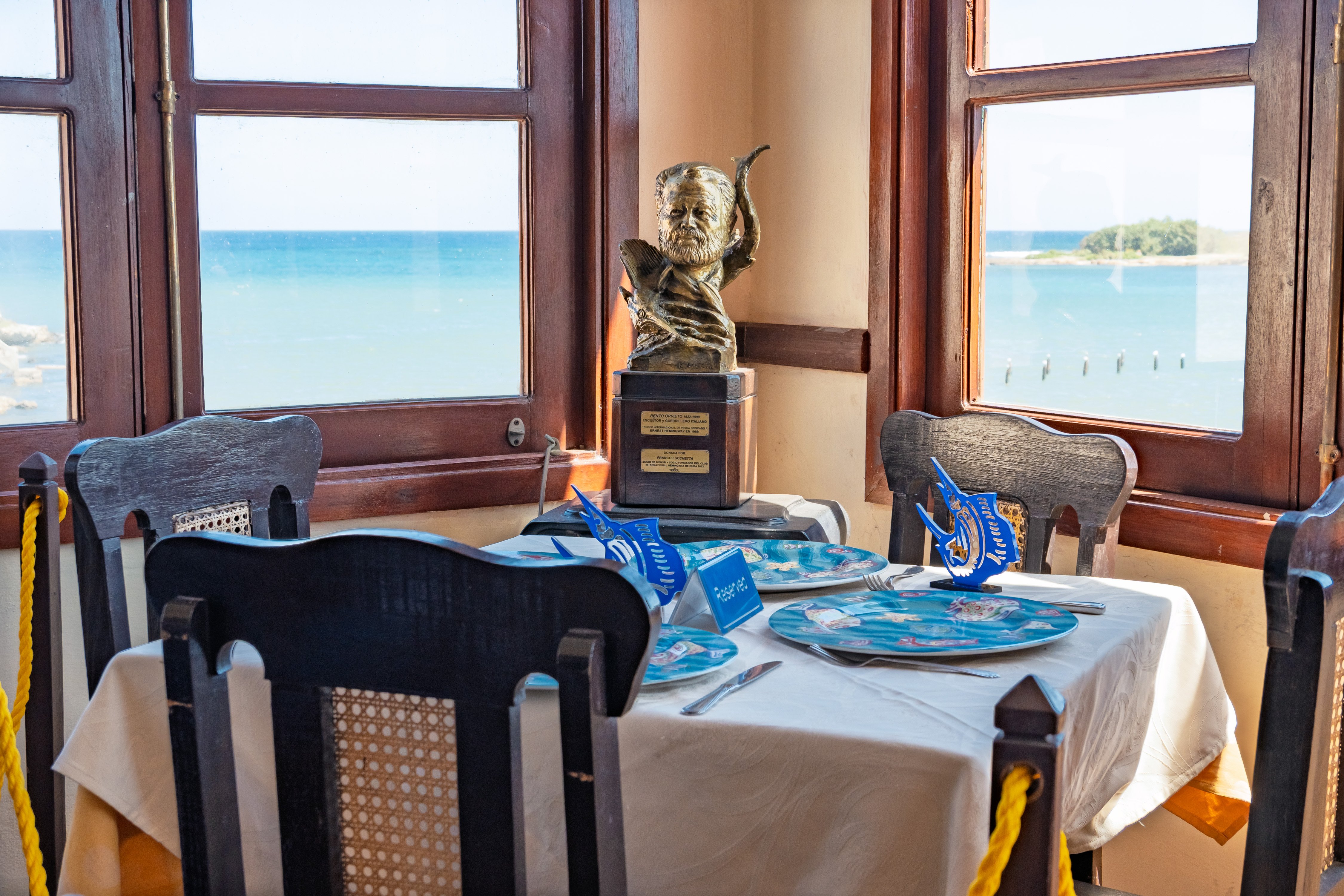
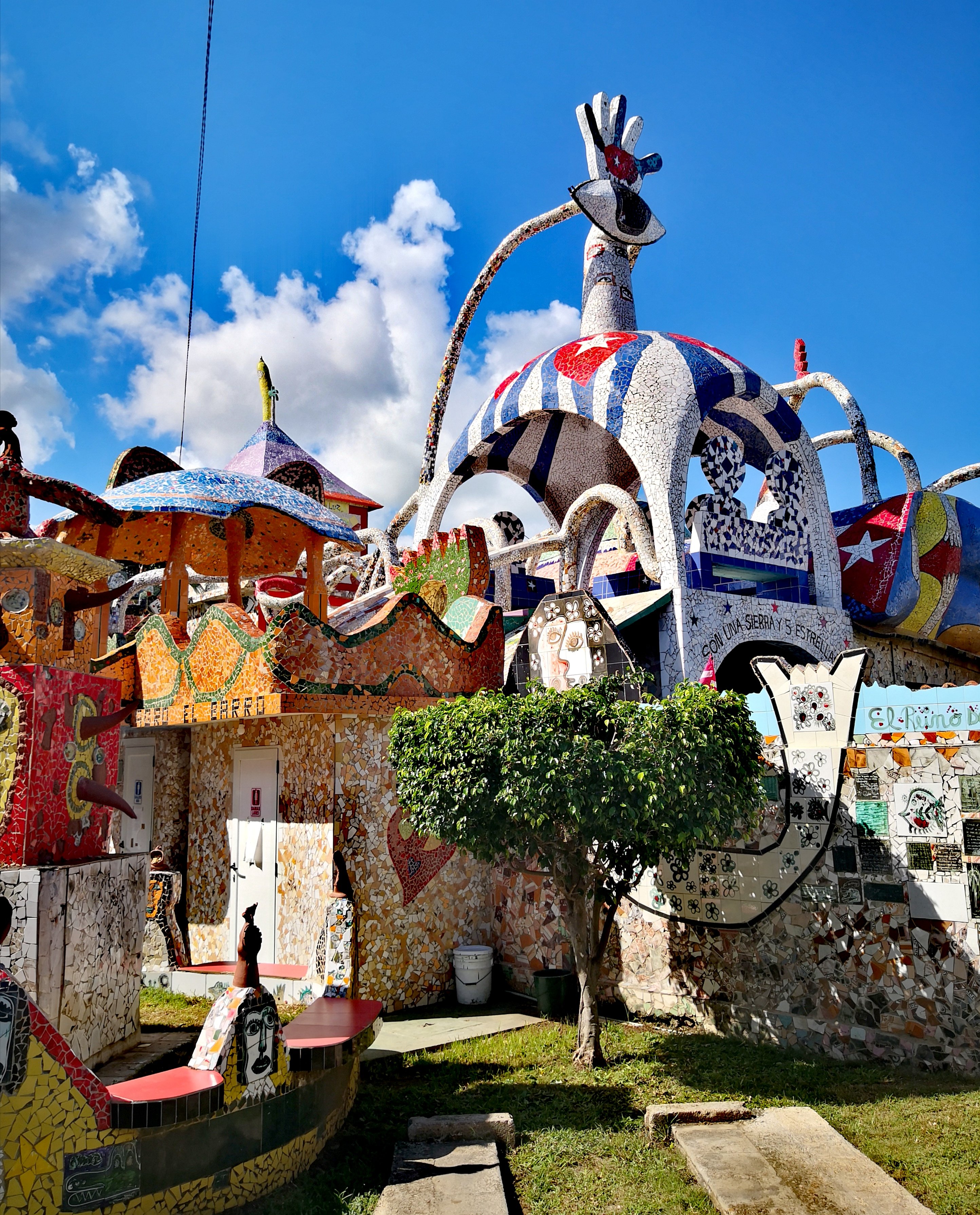
The Malecón — Havana's eight-kilometre seafront boulevard — connects the old and new cities and functions as the city's living room: residents sit on the wall in the evenings, teenagers fish, couples argue, musicians play, and the salt spray deposits itself on every surface. Walk it at sunset. The bar scene divides between Hemingway mythology — El Floridita for daiquiris, La Bodeguita del Medio for mojitos — and the paladares and music venues that have opened since private enterprise was loosened. The Tropicana cabaret has been running for over eighty years and is worth the price. The Partagás cigar factory and the rum museum at Museo del Ron cover the two great Cuban export commodities with more depth than expected. Across the harbour, El Morro Castle gives the best view of the Havana skyline. Finca Vigía, Hemingway's house in the suburbs, is preserved exactly as he left it. Fusterlandia in the western neighbourhood of Jaimanitas is one of the most extraordinary neighbourhood art projects anywhere.