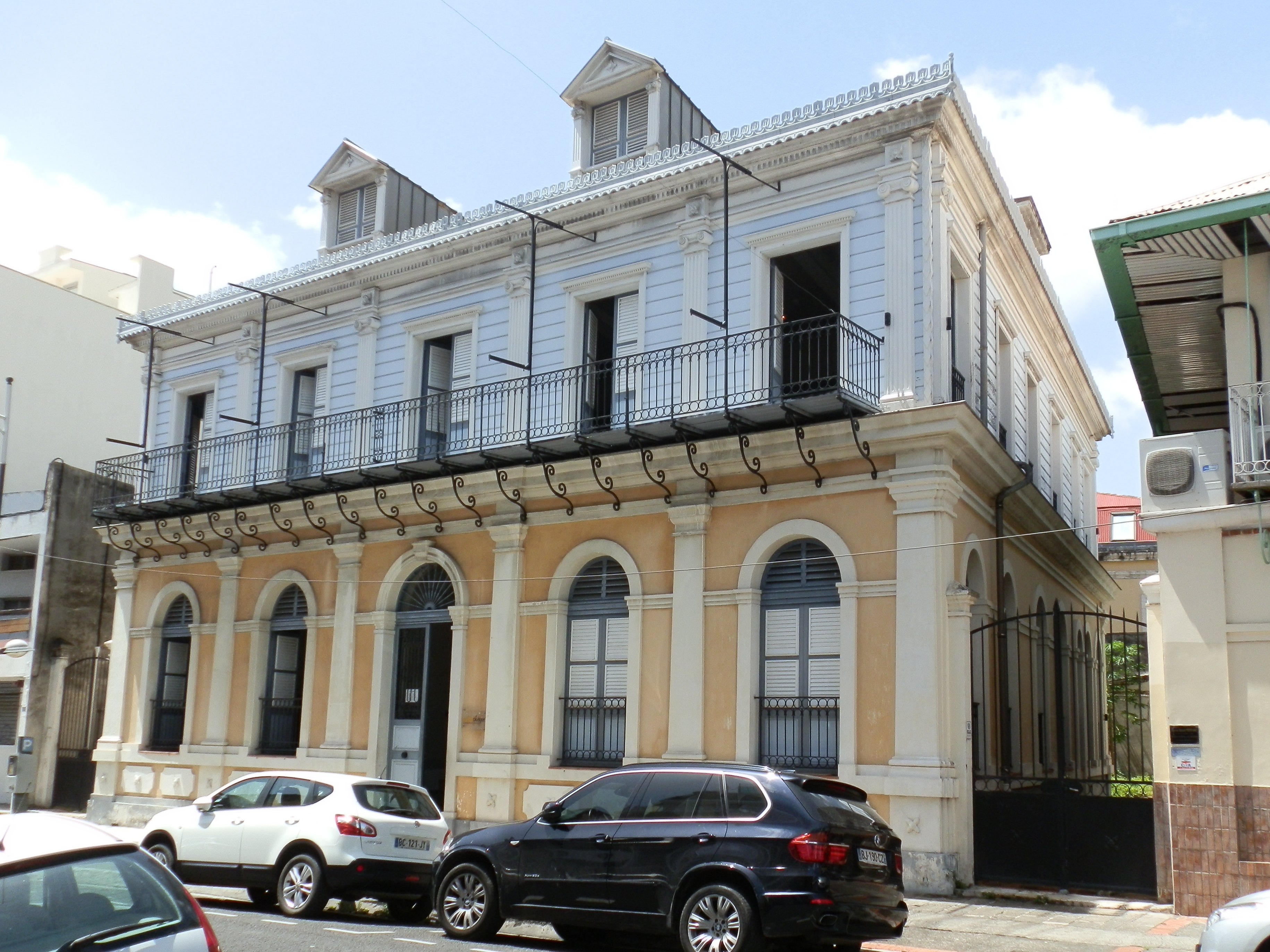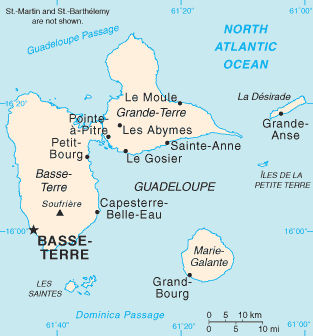
Guadeloupe is a French overseas region in the eastern Caribbean, part of the Lesser Antilles archipelago. It sits between Antigua to the north and Dominica to the south, and because it is French territory, it uses the euro, operates under French law, and sends representatives to the French parliament. For visitors, this means good infrastructure, French food culture, and an easier entry process for EU citizens — alongside all the warmth and color of the Caribbean.
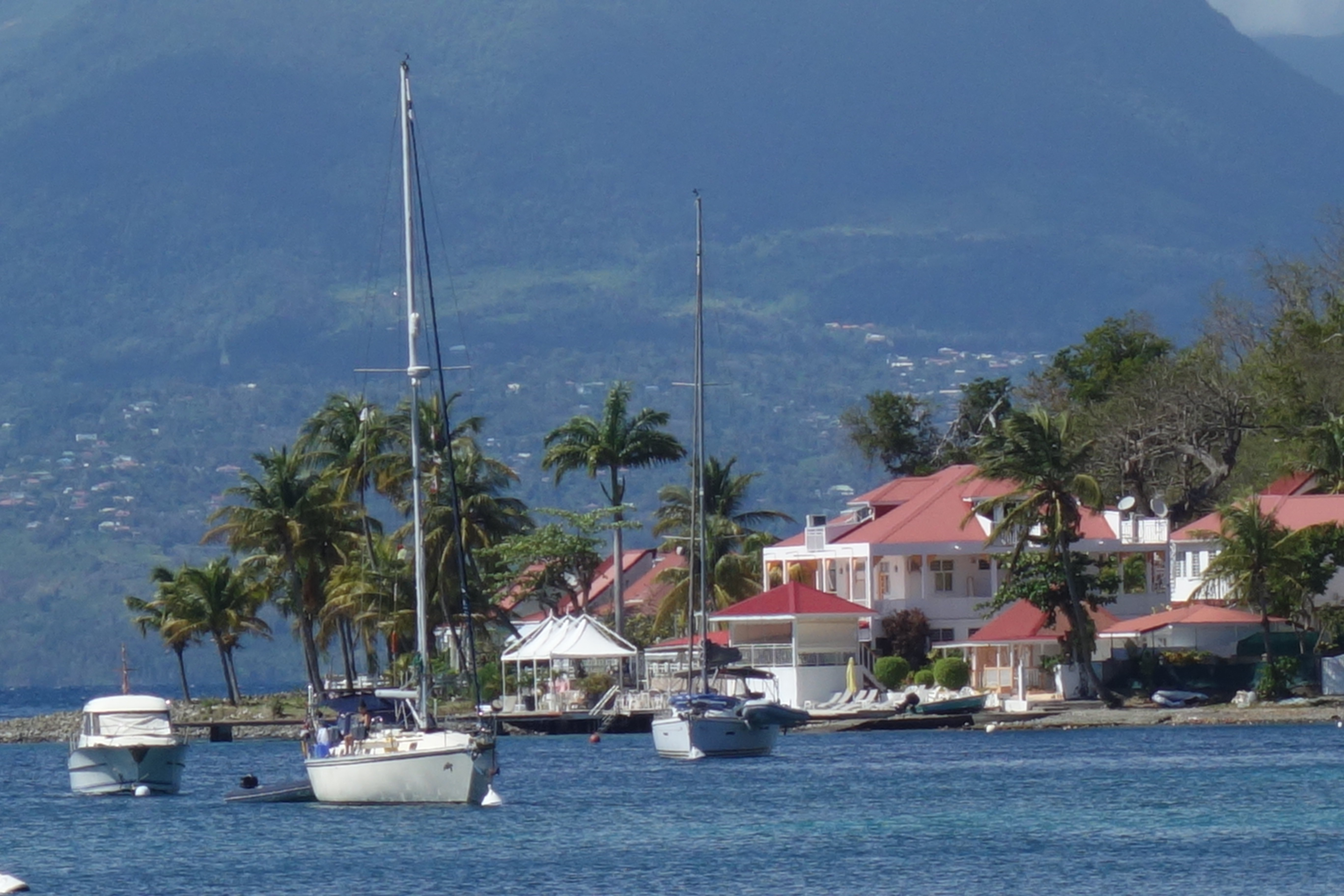
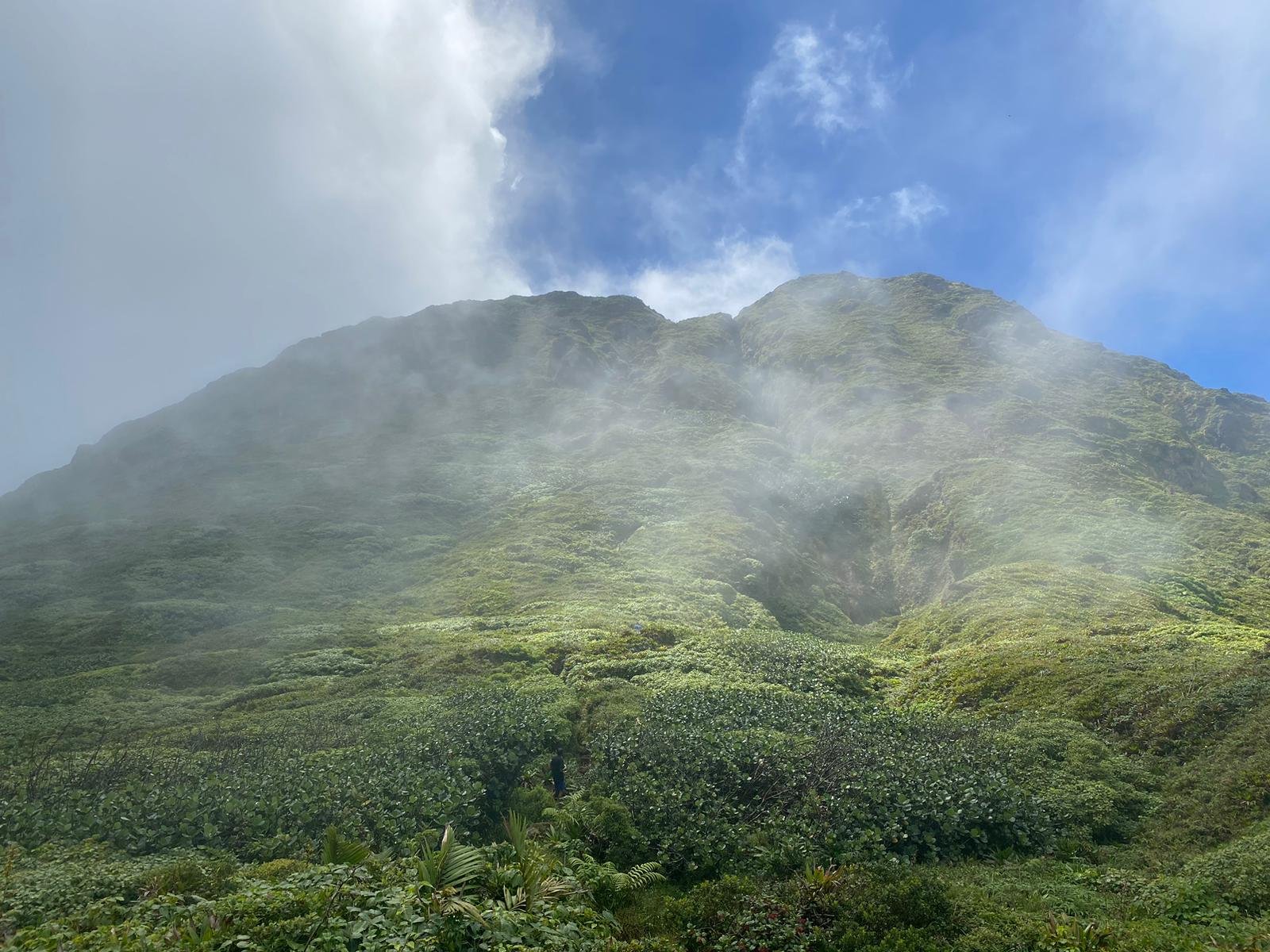
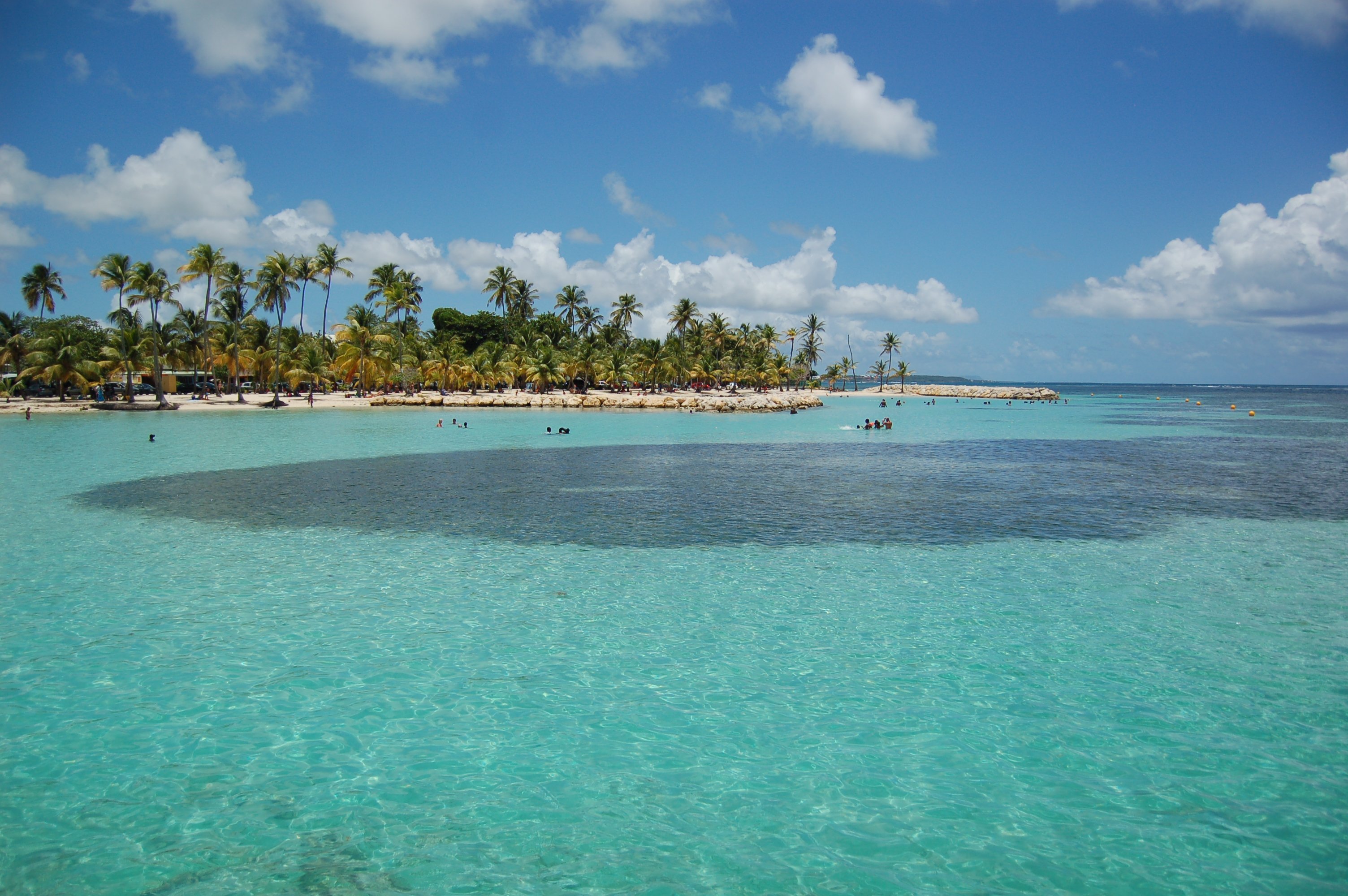
The territory consists of six main inhabited islands. The two largest, Basse-Terre and Grande-Terre, are joined at the narrow Rivière Salée strait and form the shape of a butterfly. Basse-Terre, despite its name ("low land"), is the more rugged of the two: it's dominated by the active volcano La Soufrière (1,467m), covered in rainforest, and home to the administrative capital of the same name. Grande-Terre is flatter, drier, and more tourist-oriented, with the main commercial hub of Pointe-à-Pitre and most of the large beach resorts. Beyond these two, the outer islands — Les Saintes, Marie-Galante, and La Désirade — each have their own distinct character and are well worth the short ferry ride.
The population is around 400,000, predominantly Creole — people of mixed African, European, and occasionally East Indian descent. French is the official language but Guadeloupean Creole, a French-lexified language with African and Amerindian roots, is widely spoken in everyday life. The culture blends French structure with Caribbean spirit: markets, festivals, rum, and music are central to daily life.