Basse-Terre
©
Basse-Terre

Basse-Terre

Guadeloupe capital beneath La Soufrière, with Creole streets, a colonial fort, and rainforest trails nearby

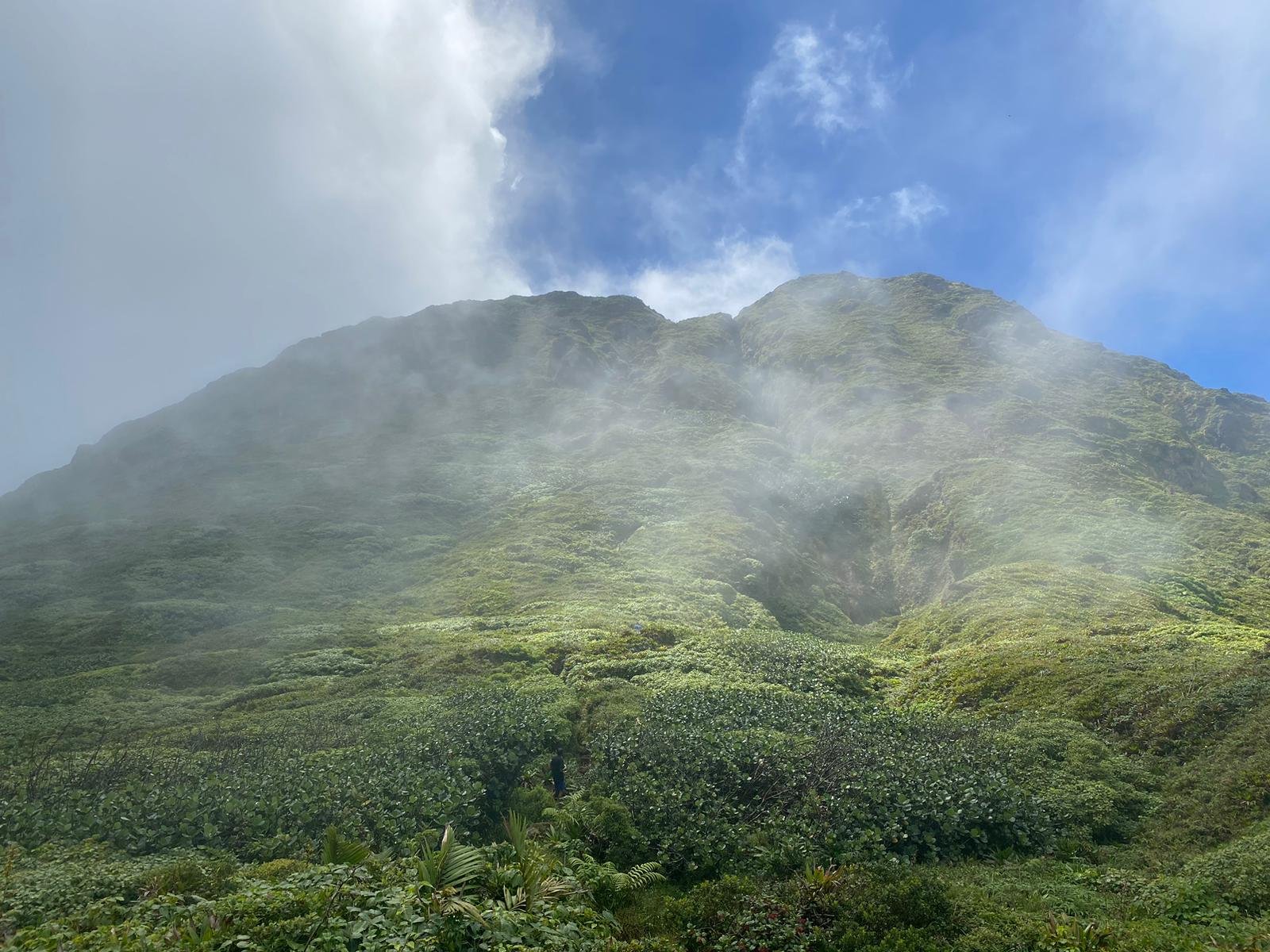
Basse-Terre is the administrative capital of Guadeloupe, a small city on the southwestern coast of the island's volcanic western wing. It sits at the foot of La Soufrière, an active volcano that rises to 1,467 metres and looms dramatically over the town. The city is quieter and considerably less touristy than Pointe-à-Pitre, with a colonial old town of narrow streets and colourful Creole houses, a 17th-century fort, and easy access to the Guadeloupe National Park.

The main attraction is the hike up La Soufrière itself, which takes about two hours from the Savane à Mulets trailhead above town. The summit is often shrouded in cloud, but on clear days the views stretch across the archipelago. The surrounding national park is lush and tropical, with waterfalls — the Chutes du Carbet are the most famous — and well-marked trails through the rainforest. Fort Delgrès, the imposing 17th-century fortification overlooking the harbour, is worth a visit for its history and panoramic views — it is named after Louis Delgrès, who died here in 1802 rather than submit to the reimposition of slavery.

The waterfront has a modest selection of restaurants serving Creole cuisine — colombo de poulet, accras de morue, and fresh grilled fish. Basse-Terre is not a nightlife destination by any stretch, but it is a genuine Caribbean town with a relaxed pace and a strong sense of place. If you are interested in hiking, nature, and Creole culture rather than beach resorts, this is the better side of Guadeloupe to base yourself.

Guide

Eating Out

Basse-Terre's restaurant scene is modest but genuine. The waterfront has a handful of restaurants serving Creole cuisine — colombo de poulet (curry chicken), accras de morue (salt cod fritters), and fresh grilled fish are the staples. The market in the old town is the best place for fruit and local produce; Guadeloupe has excellent avocados, plantains, and christophines (chayote squash). Rum from the Basse-Terre distilleries — particularly Bologne and Domaine de Séverin — is widely available and worth trying at source. Pointe-à-Pitre on Grande-Terre has a more diverse and lively restaurant scene for those willing to make the crossing.

Guide

Getting Around

Basse-Terre itself is compact and walkable. The old town, the market, Fort Delgrès, and the waterfront are all within comfortable walking distance of each other. Taxis are available and inexpensive for getting to the trailheads in the national park.

Renting a car is the most practical way to explore the island — to reach the Chutes du Carbet, the Soufrière trailhead, and the beaches on the east and north coasts of Basse-Terre, you need your own transport. Car hire is available at the airport in Pointe-à-Pitre and in Basse-Terre itself. The Route de la Traversée (N2) crossing the park takes about an hour coast to coast. Local buses (gwoka) serve the main settlements but are infrequent and not designed for tourist use.