Puerto Rico sits in a curious political category: a U.S. territory, not a state, with residents who are U.S. citizens by birth but cannot vote in federal elections. The question of statehood versus independence versus the status quo has defined Puerto Rican politics for generations, and most visitors will encounter it in conversation. The spirit of the place is distinctly its own — boricua culture, shaped by Taíno, Spanish, and African heritage, is not American in any simple sense, even if the currency and the airport signs are.
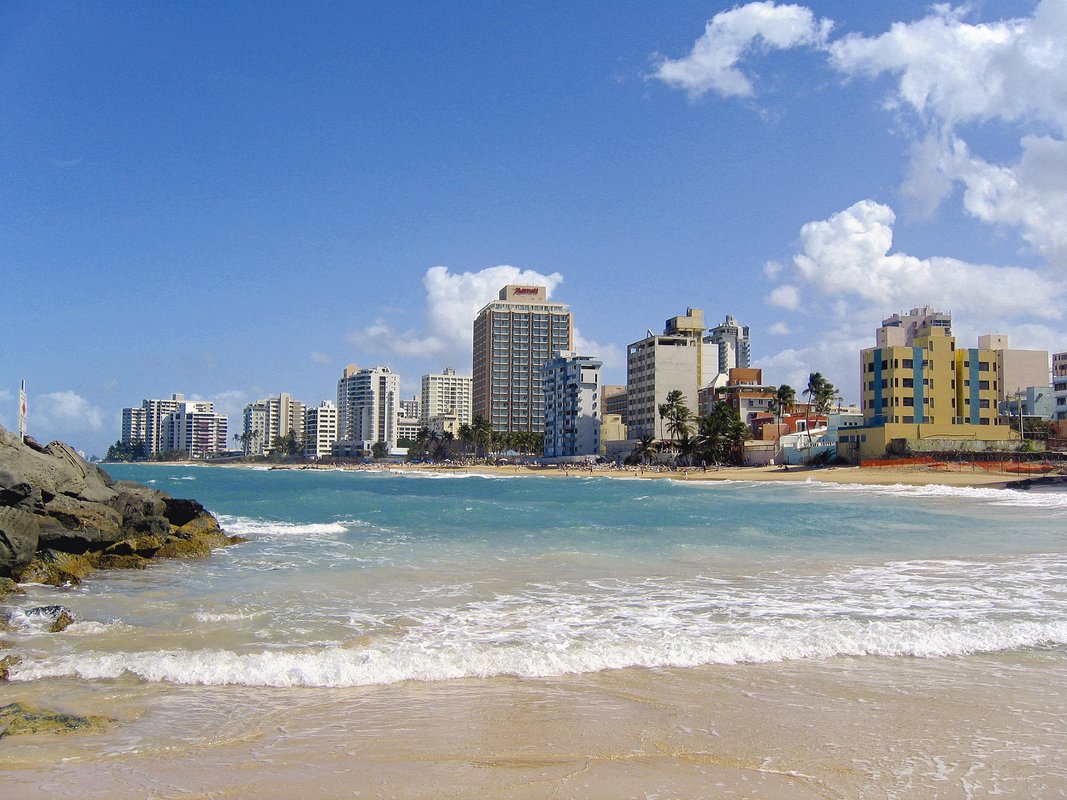
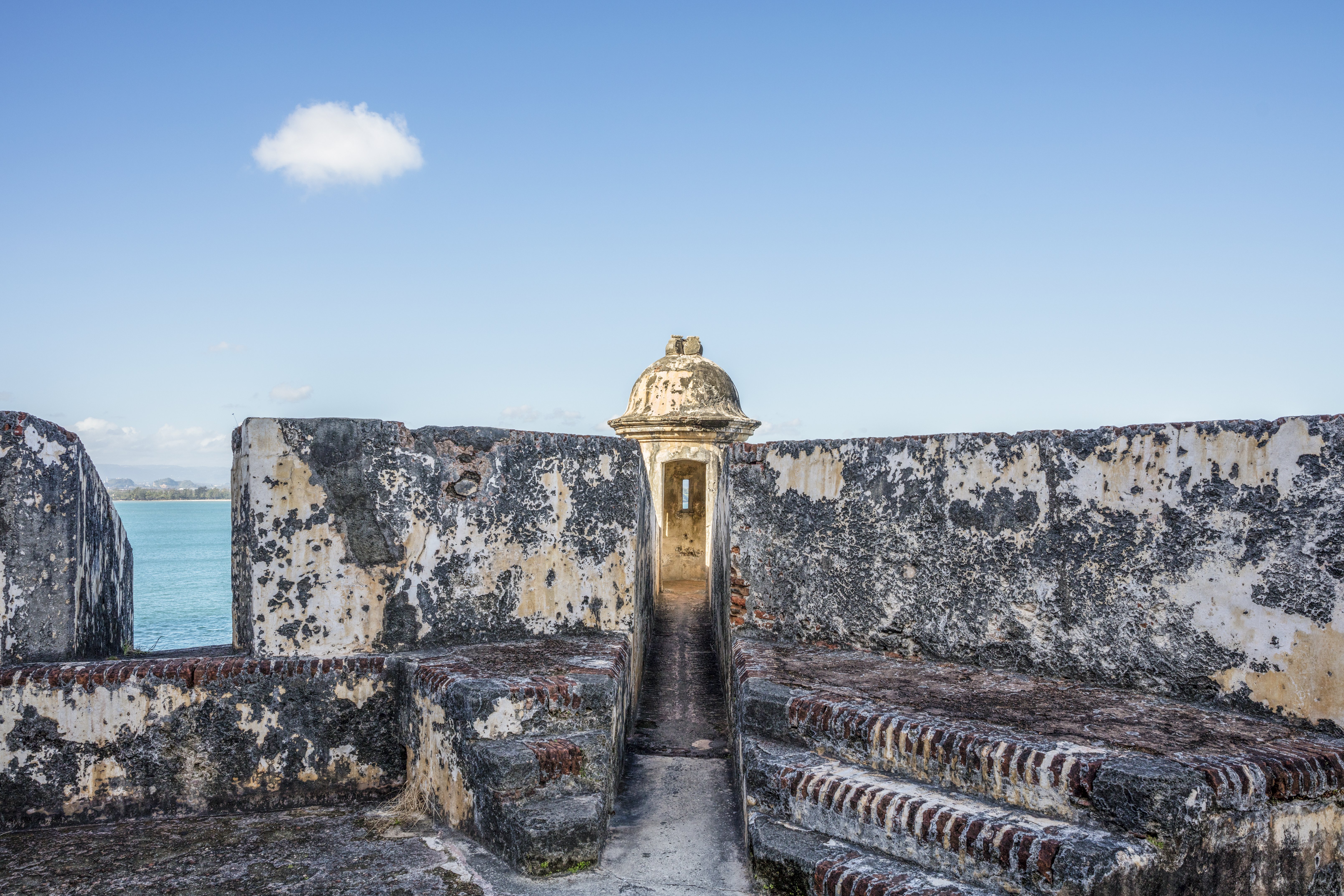
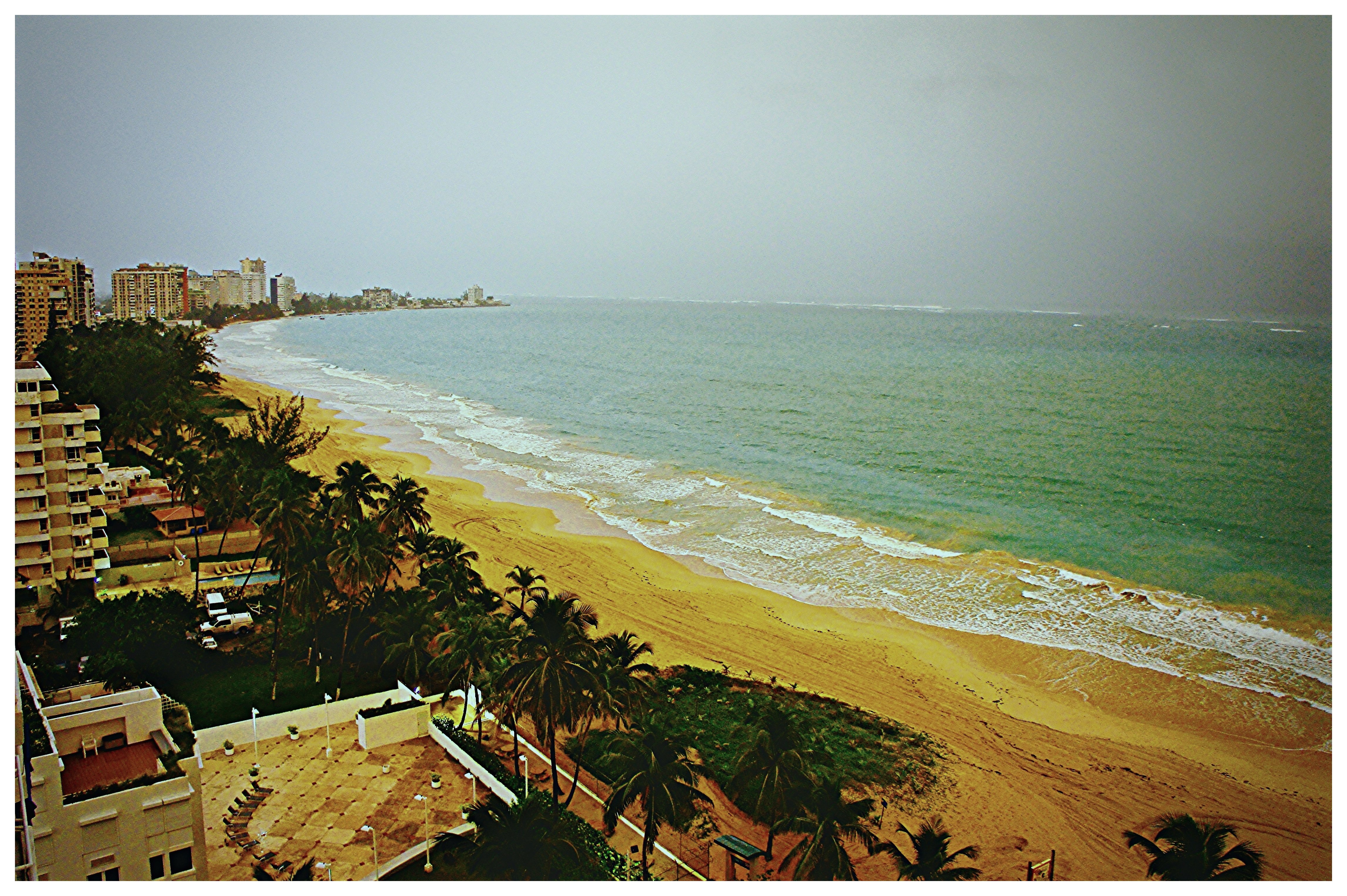
The island is about 170km long and 60km wide, smaller than Connecticut, but extraordinarily varied. San Juan, the capital, packs five centuries of colonial history into a walled old city perched above the Atlantic, alongside modern hotels, a serious restaurant scene, and the Caribbean's busiest cruise port. Most visitors stop here and go no further, which is understandable but a mistake.
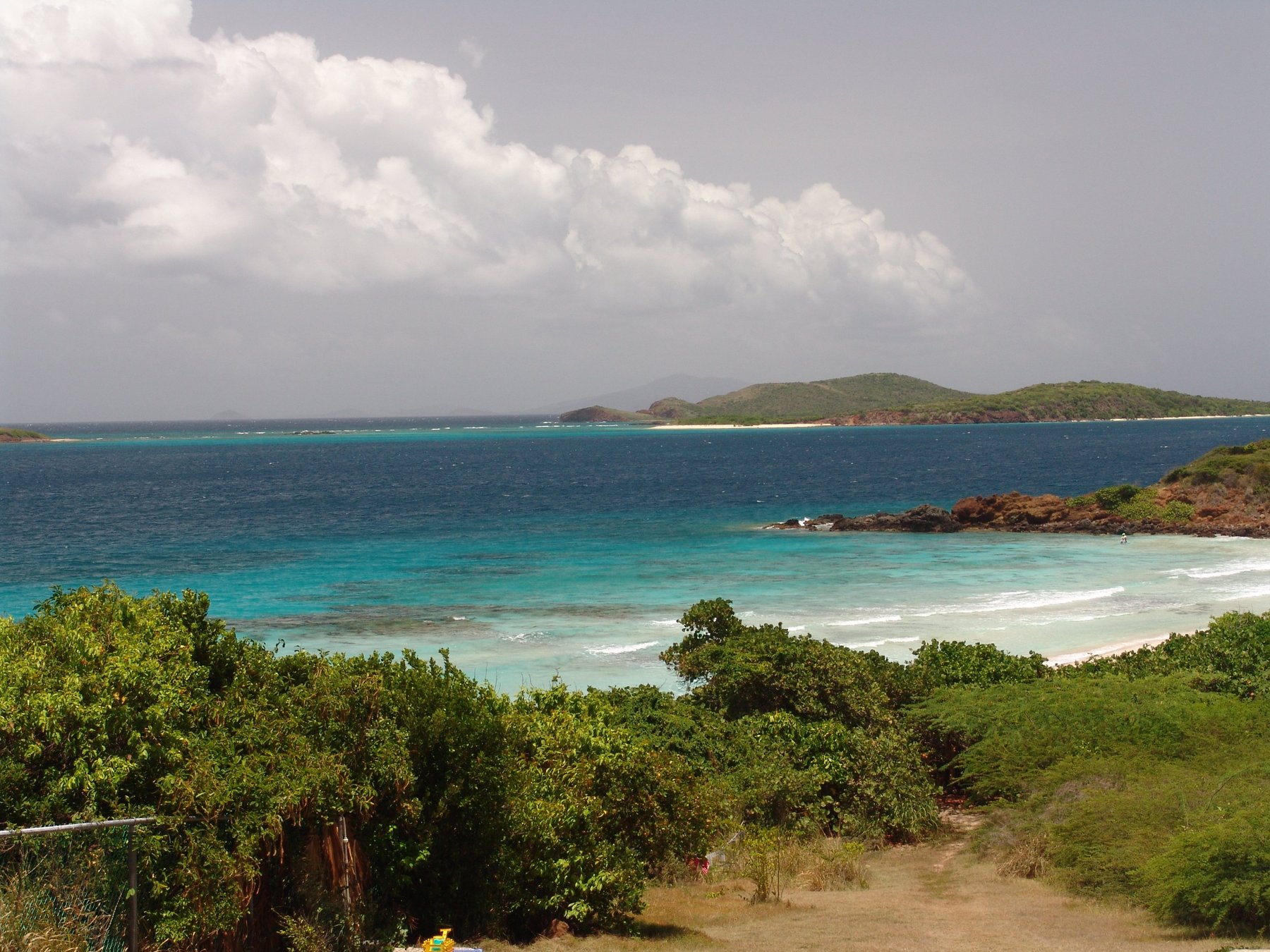
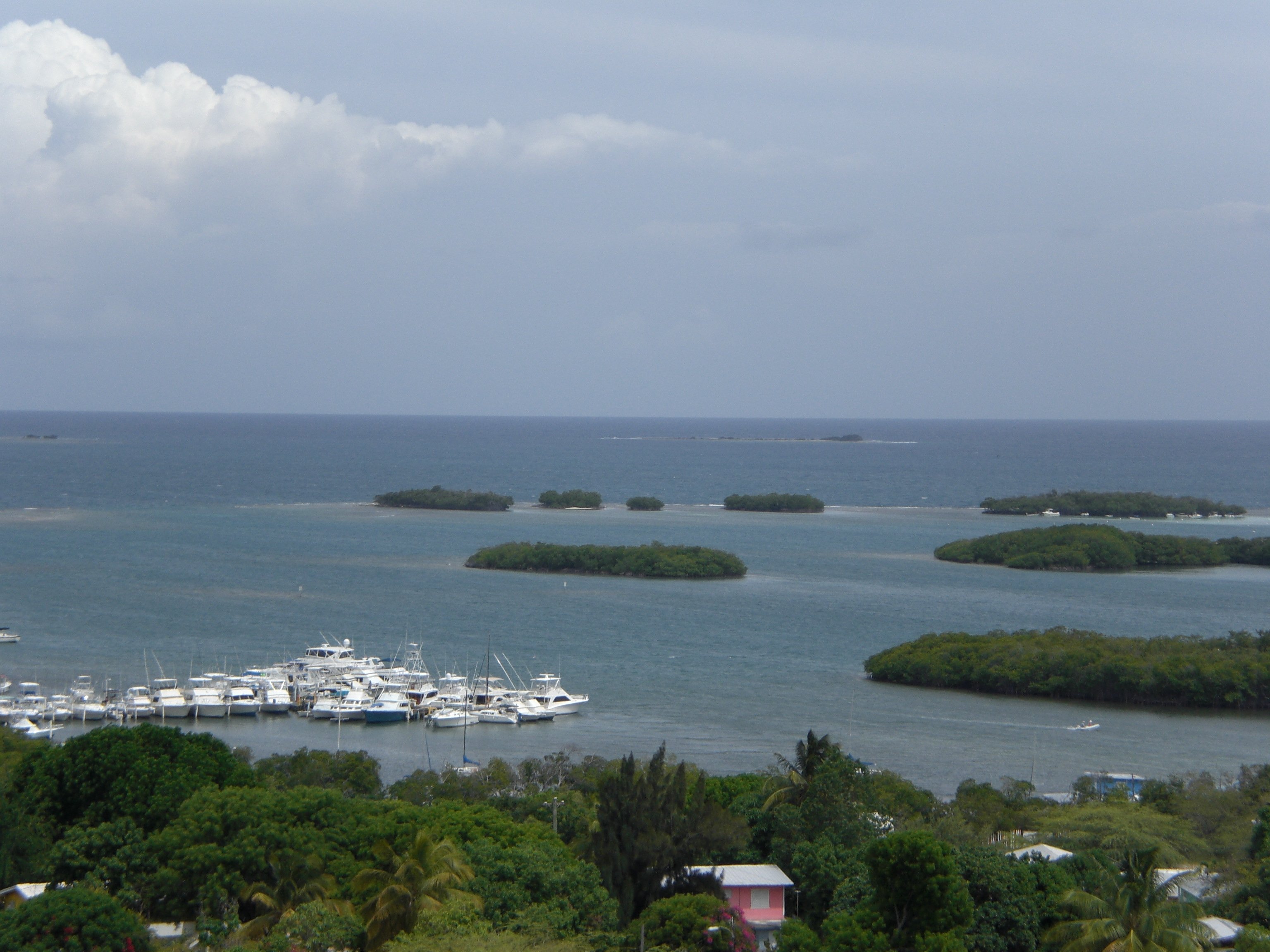
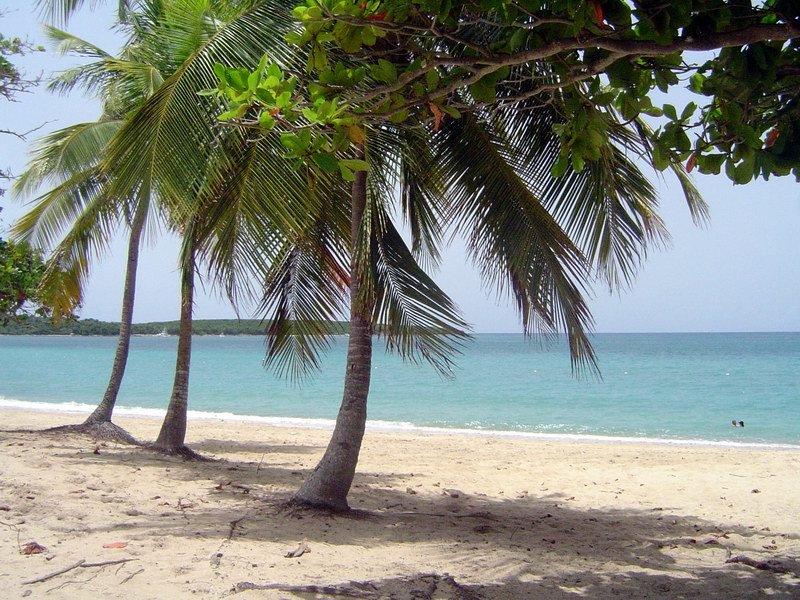
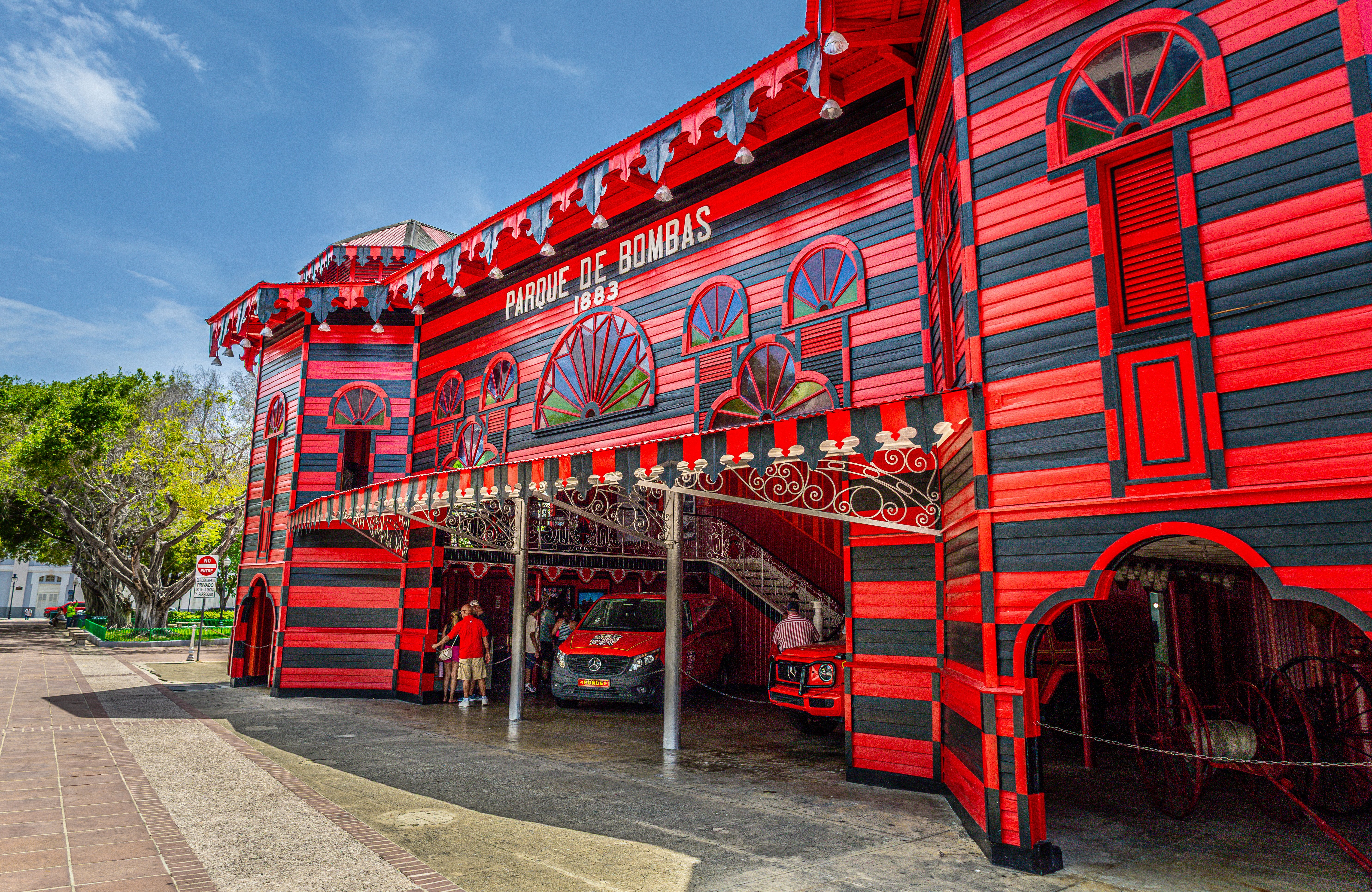
Head east and you reach El Yunque, the only tropical rainforest in the U.S. National Forest system, and the offshore islands of Vieques and Culebra, with beaches and a bioluminescent bay that rank among the Caribbean's finest. Head west and you find Ponce, Puerto Rico's dignified second city, and Rincón, a surf town beloved for its sunsets and easy pace. The central mountain range — coffee country, with old plazas and cool air — sees almost no tourists at all.
Puerto Rico was badly hit by Hurricane Maria in September 2017, which caused catastrophic damage and a long, difficult recovery. The island has rebuilt substantially since then. A second major blow came with earthquakes in January 2020 that damaged parts of the southwest. Travelers will find the island functioning well, but infrastructure outside the main tourist zones can still be patchy in places.