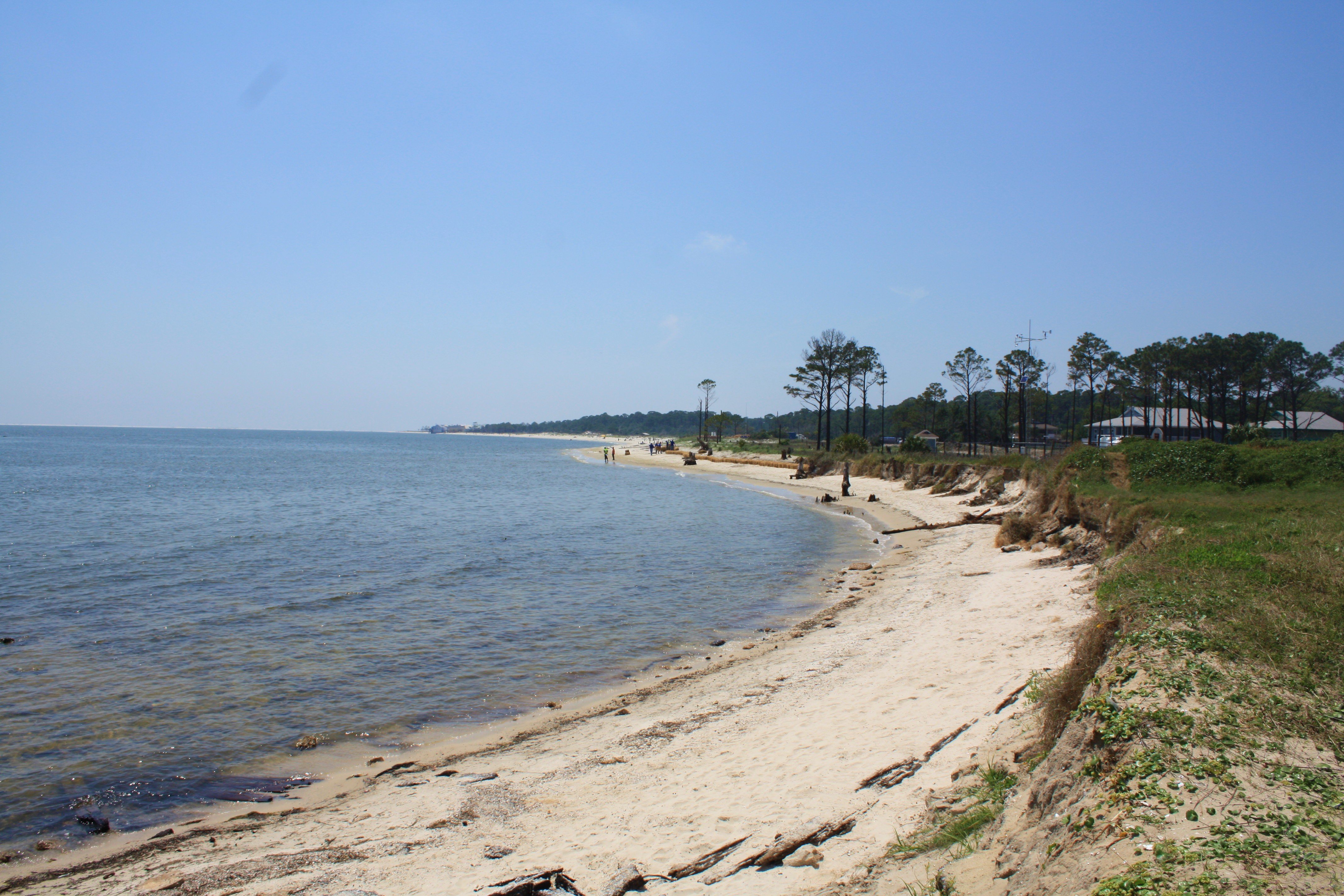
Alabama is one of the Deep South's most underrated states. It played a central role in both the Civil War and the civil rights movement, and those two chapters of American history are written into the landscape everywhere you look. But Alabama is more than its history. The Gulf Coast has some of the whitest, least crowded beaches in the country. The northern mountains offer waterfalls, canyons, and hiking. The food -- from slow-smoked barbecue to Gulf seafood -- is reason enough to visit.
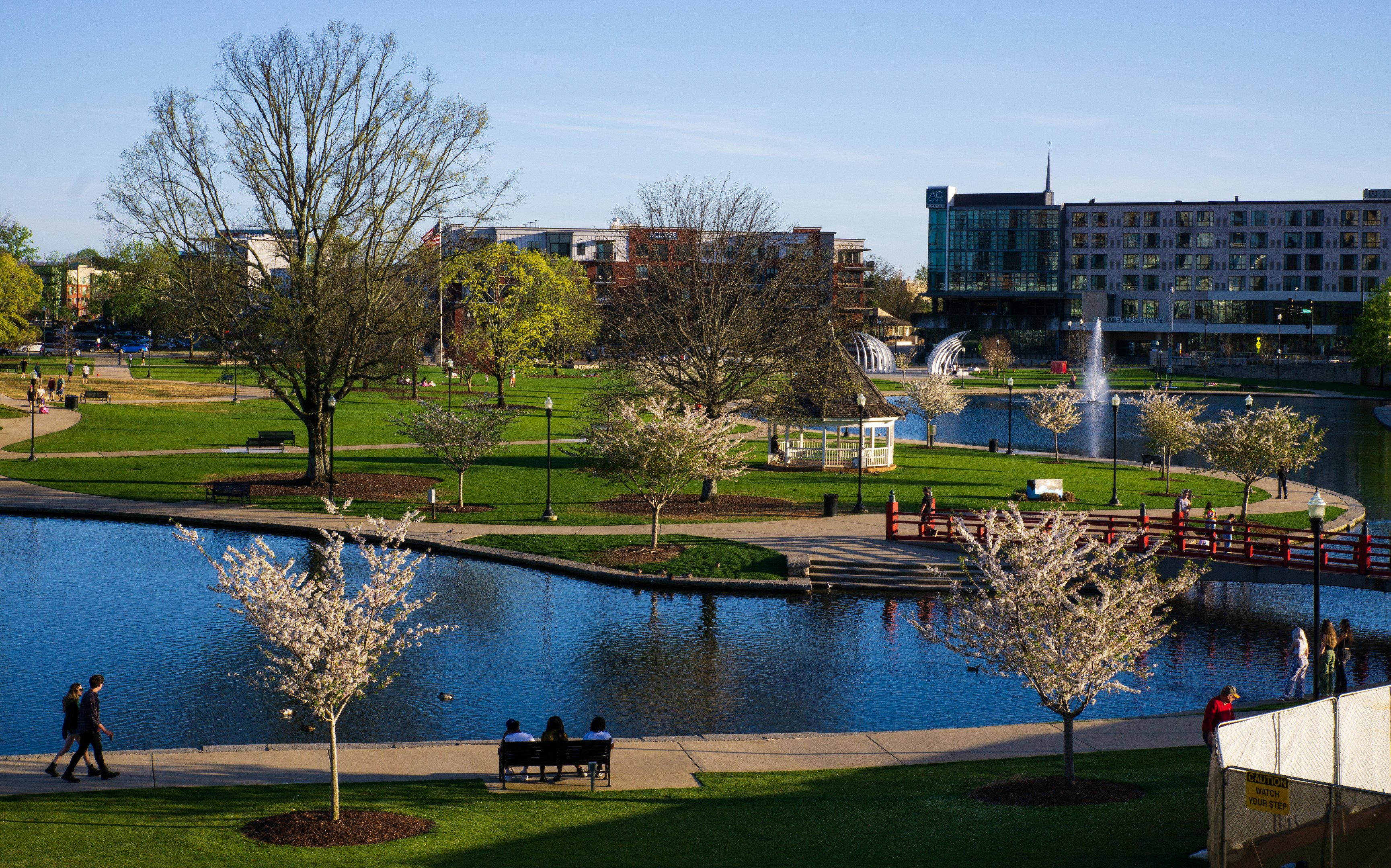
Birmingham is the largest city, a former steel town reinventing itself with a lively food scene and important civil rights sites, including the Birmingham Civil Rights Institute. Montgomery, the state capital, is where Rosa Parks refused to give up her bus seat and where Martin Luther King Jr. led the march from Selma. Huntsville, in the north, is NASA's rocket city -- the U.S. Space and Rocket Center is the world's largest space museum.
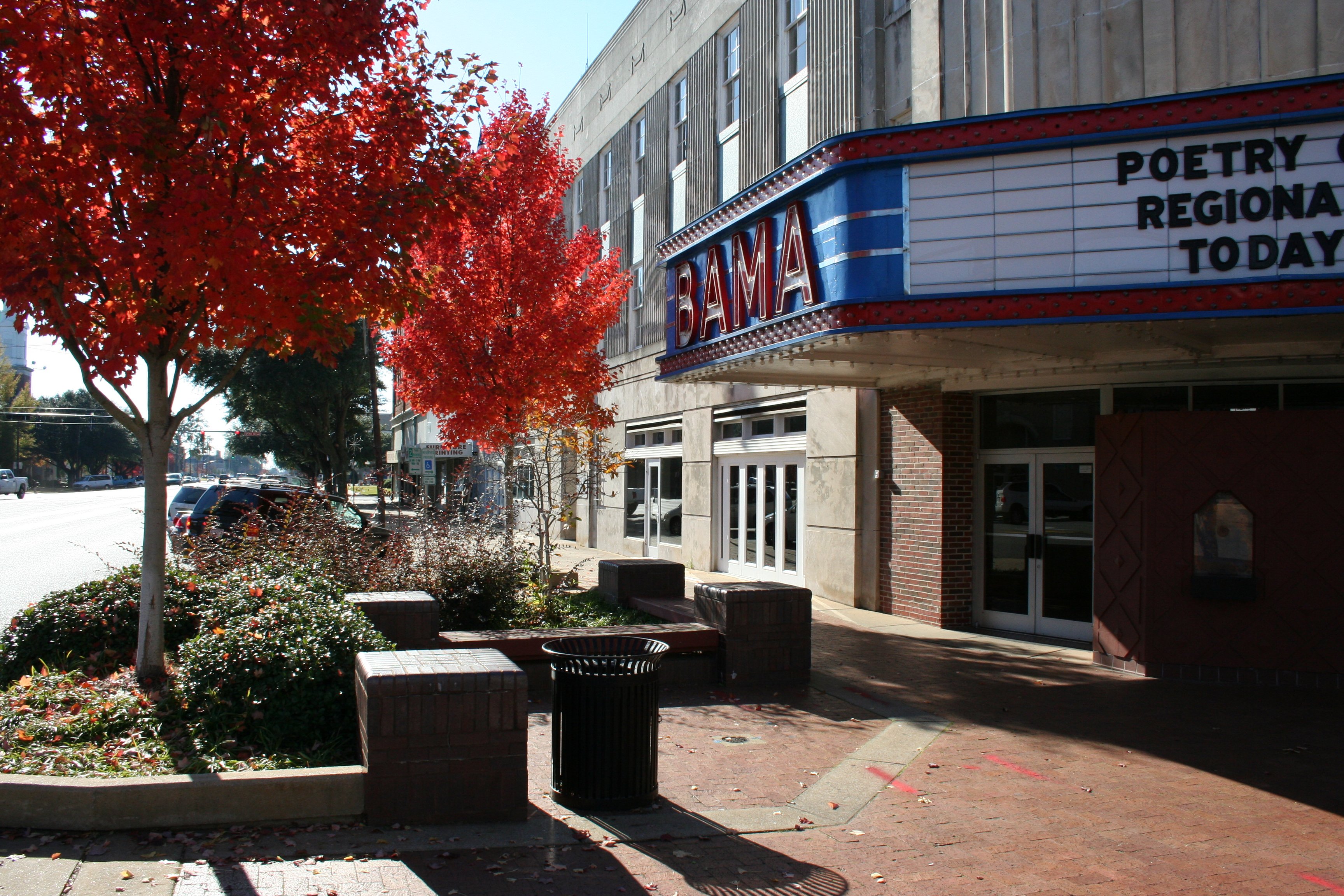
The Gulf Coast draws families to Dauphin Island, a quiet barrier island famous for birding and Civil War-era Fort Gaines, and to Gulf Shores and Orange Beach for sugar-white sand. In the northwest, Florence and the Shoals area gave the world W.C. Handy, the father of the blues, and the legendary Muscle Shoals recording studios. Tuscaloosa is a lively college town and home to the University of Alabama.
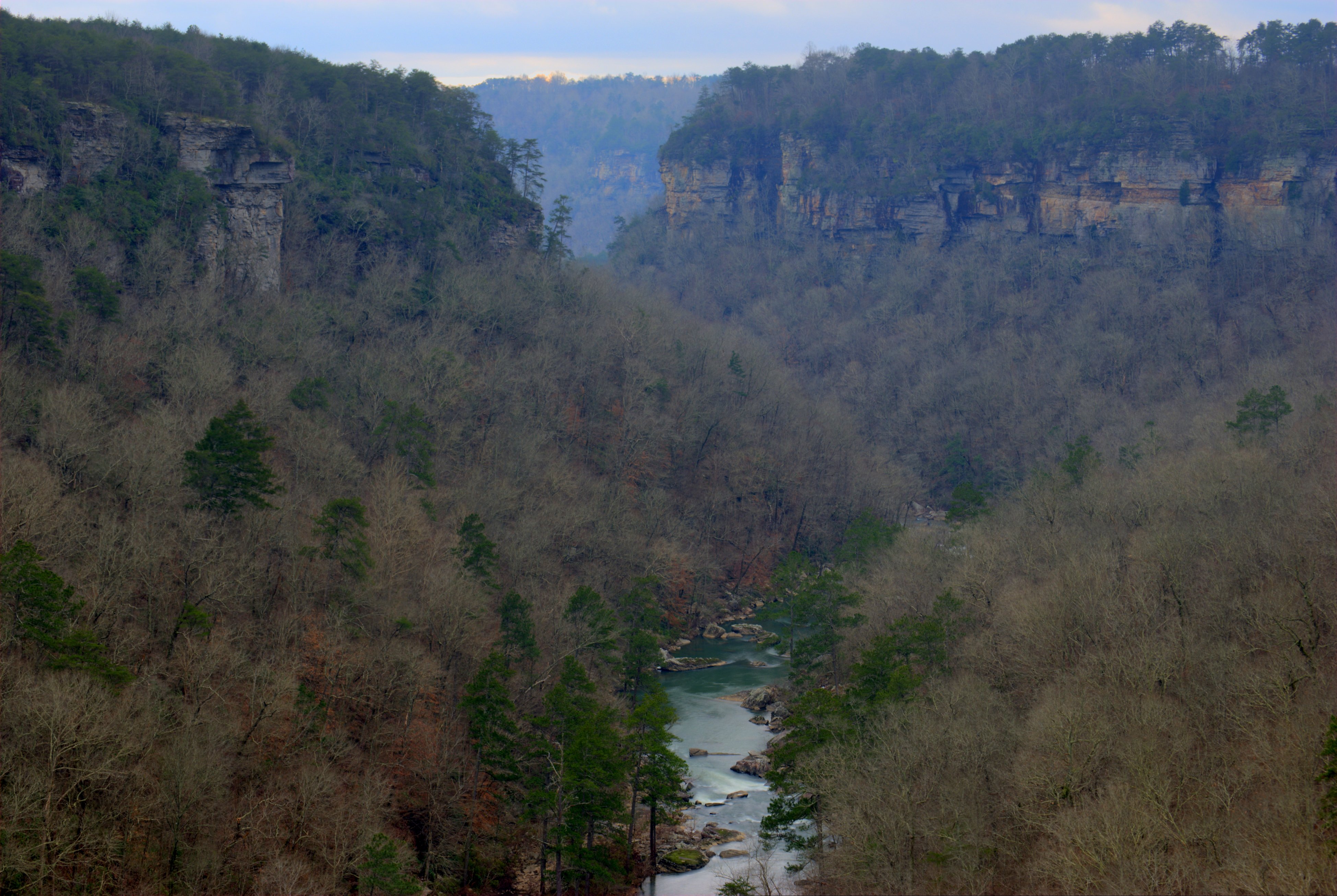
Up in the northeast, Fort Payne is the gateway to Little River Canyon, one of the deepest canyons east of the Mississippi. Near Daviston, Horseshoe Bend National Military Park preserves the site of Andrew Jackson's decisive battle in the Creek War. And scattered across the state, twelve covered bridges still stand -- some still in use.
Alabama is not a polished, packaged destination. It is honest, occasionally rough around the edges, and full of surprises. If you like your travel with some grit and genuine character, you will find plenty of both here.