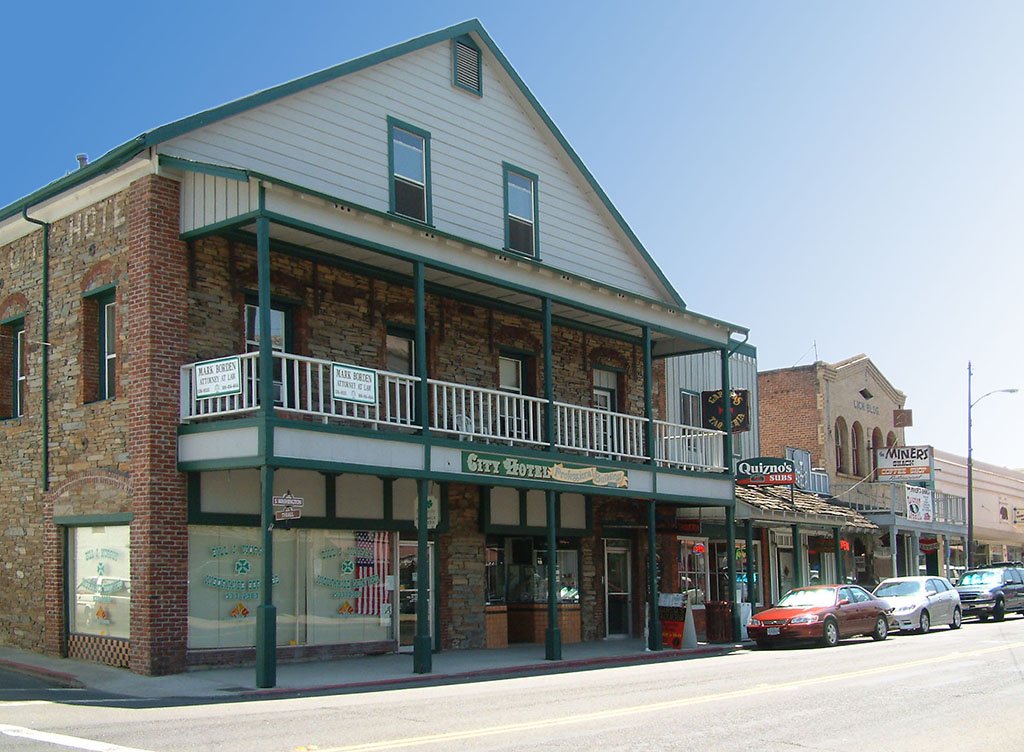
Sonora
©
Sonora

Sonora

Southern Gold Country town with a Mexican-miner name, historic downtown, and Columbia nearby.

Sonora is the seat of Tuolumne County and the main town in the southern part of California's Gold Country. Founded during the Gold Rush by Mexican miners from the state of Sonora, it has an appealing historic downtown of early-California adobes, Victorian homes, and a main street lined with shops and restaurants.

The Tuolumne County Museum, housed in Sonora's 1857 courthouse and jail, has Gold Rush-era photographs and artifacts. Nearby Columbia State Historic Park, a few minutes' drive north, preserves an entire Gold Rush town — you can ride a stagecoach, pan for gold, and explore the original buildings. Sonora also makes a good base for visiting Yosemite National Park via Highway 120, the Tioga Pass road (open roughly May to November).

Guide

Getting There

Sonora sits on Highway 49, the Gold Country road that threads north–south through the Sierra foothills. The nearest large city is Stockton, roughly 75 miles west via Highway 108/120. San Francisco is about 2.5 hours by car via Interstate 580 and Highway 120.

There is no commercial airport in Sonora. The closest airports with scheduled service are Modesto (MOD), about 65 miles west, and Sacramento (SMF) or San Jose (SJC), both roughly 2.5 to 3 hours away. A car is essential — there is no practical public transport from the Bay Area or Sacramento.

Yosemite Valley is about 80 miles east via Highway 120 (Tioga Pass). The road is open roughly May to November depending on snowfall. In winter, Sonora is still reachable; the pass closes but Highway 120 west stays open.

Guide

When to Go

Spring (March through May) is the best time for Sonora. Wildflowers cover the foothills, the Tuolumne River runs fast for rafting, and daytime temperatures are comfortable in the high sixties and seventies. The hills are green before the summer heat burns them off.

Summer gets genuinely hot — daytime temperatures often reach the mid-90s Fahrenheit (35°C) in July and August. The Gold Rush towns and museums are at their most crowded on summer weekends, with families on school-holiday road trips. If you visit in summer, start early in the morning and retreat indoors during the afternoon.

Autumn brings cooler temperatures, the hills turn gold (which feels appropriate), and the tourist crowds thin considerably. October and November are underrated months. Winter is mild at this elevation — snow is possible but doesn't usually stick in town — and the historic sites are quiet and atmospheric.