Hawaii is unlike anywhere else in the United States. A chain of volcanic islands in the middle of the Pacific Ocean, more than 2,000 miles from the nearest continent, it has developed a culture and landscape that feel like another country entirely. The spirit of aloha is real -- a warmth and openness that comes from centuries of Polynesian tradition blended with waves of immigration from Japan, China, the Philippines, Portugal, and the American mainland.
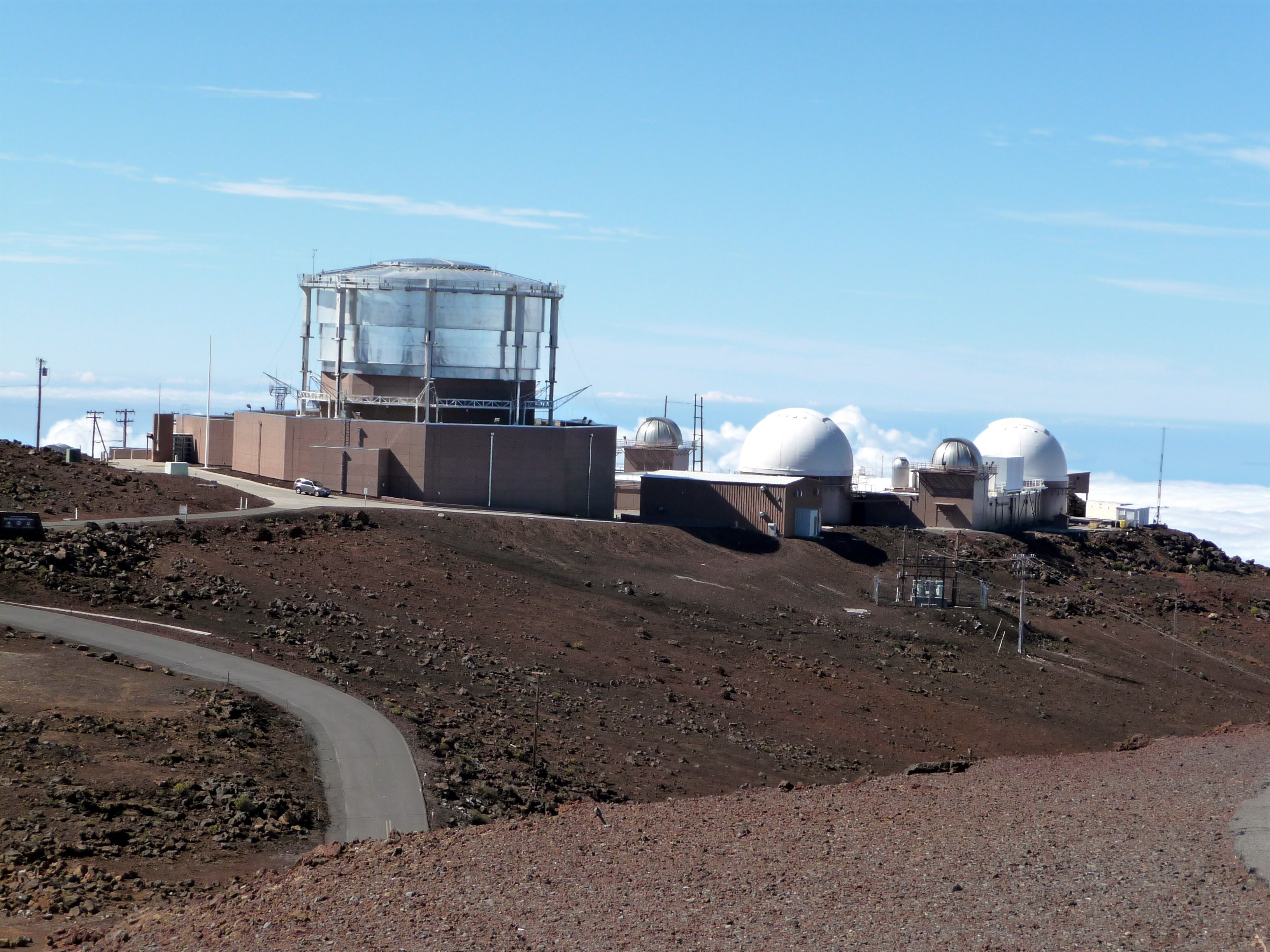
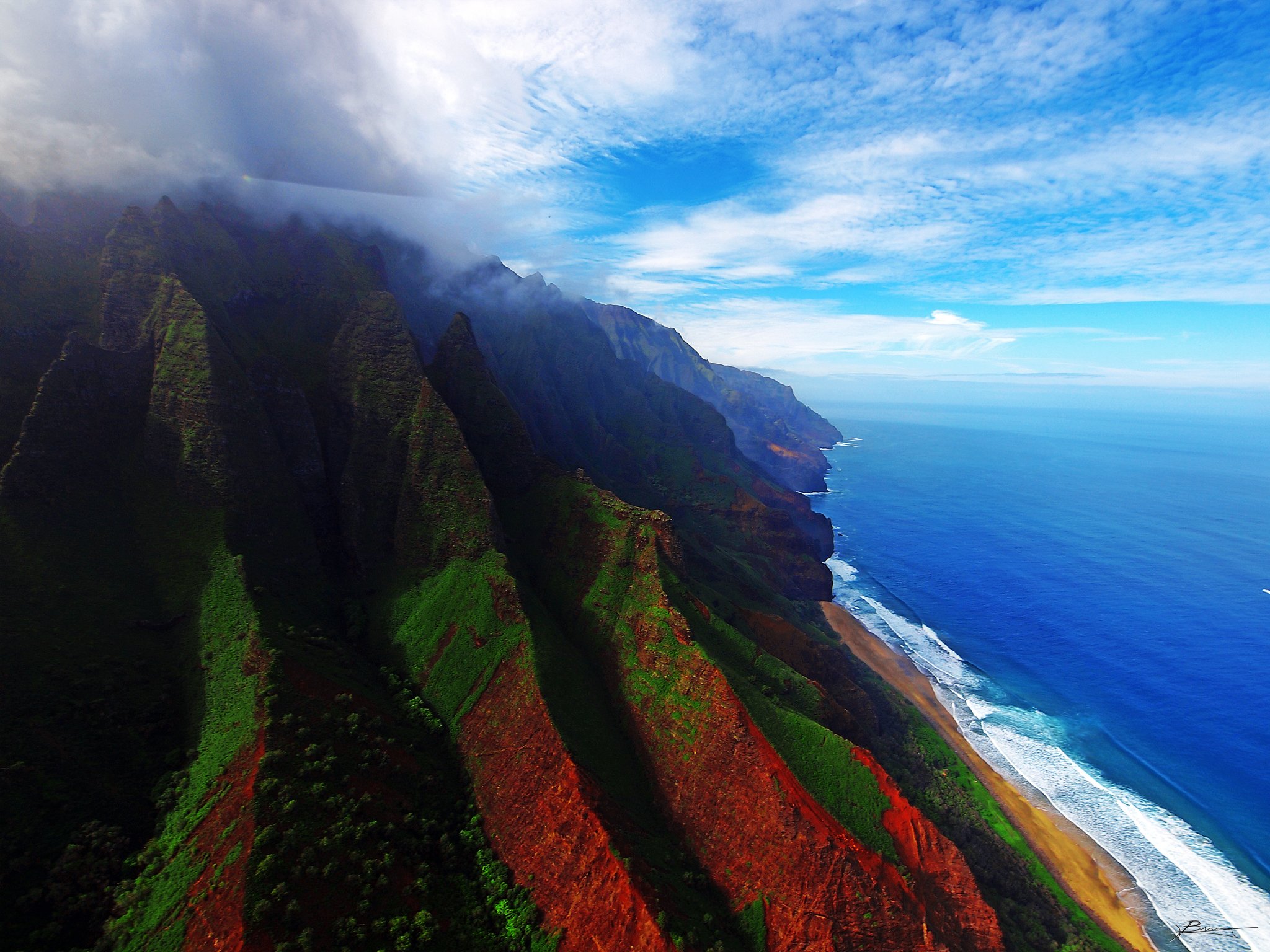
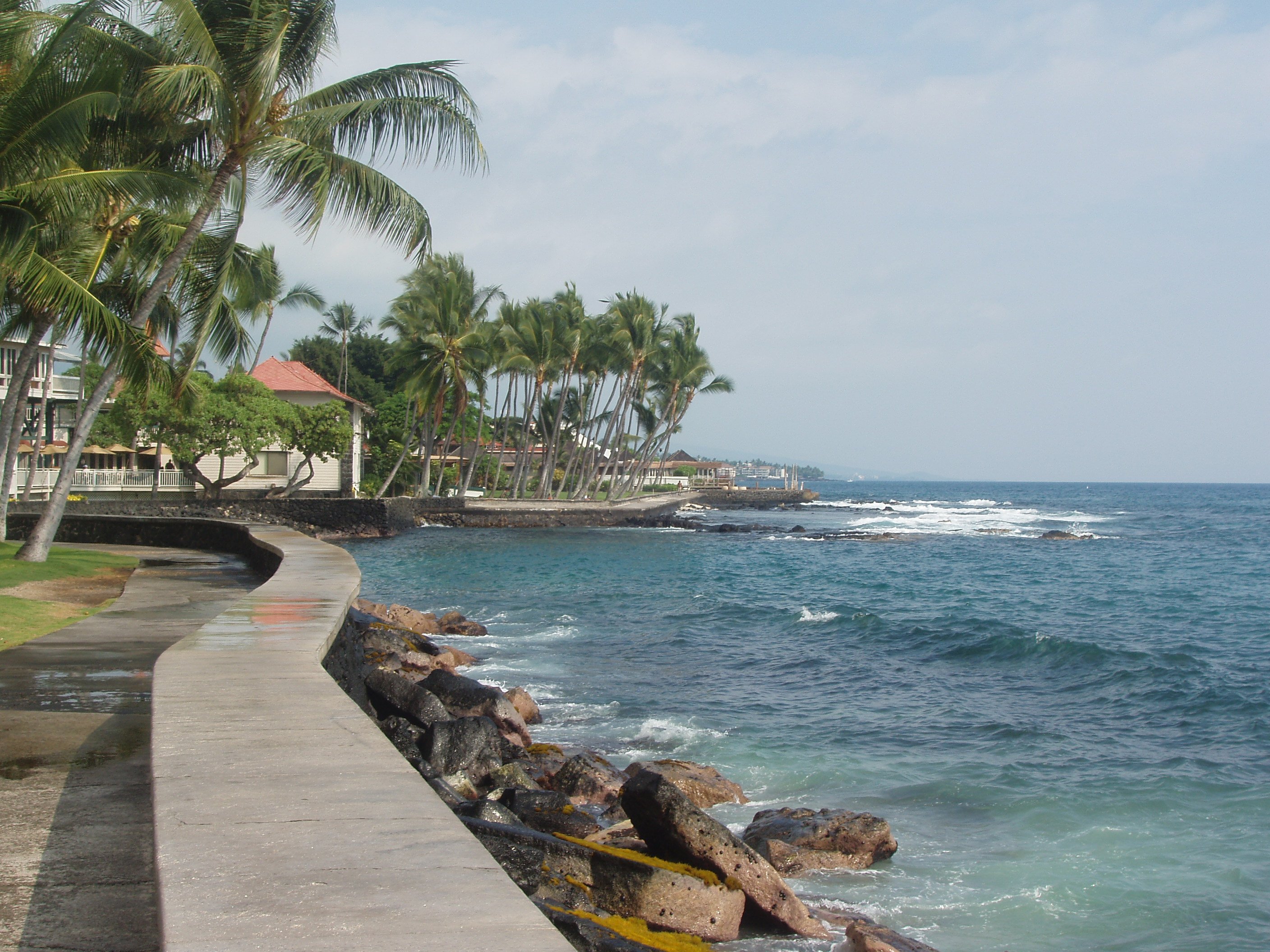
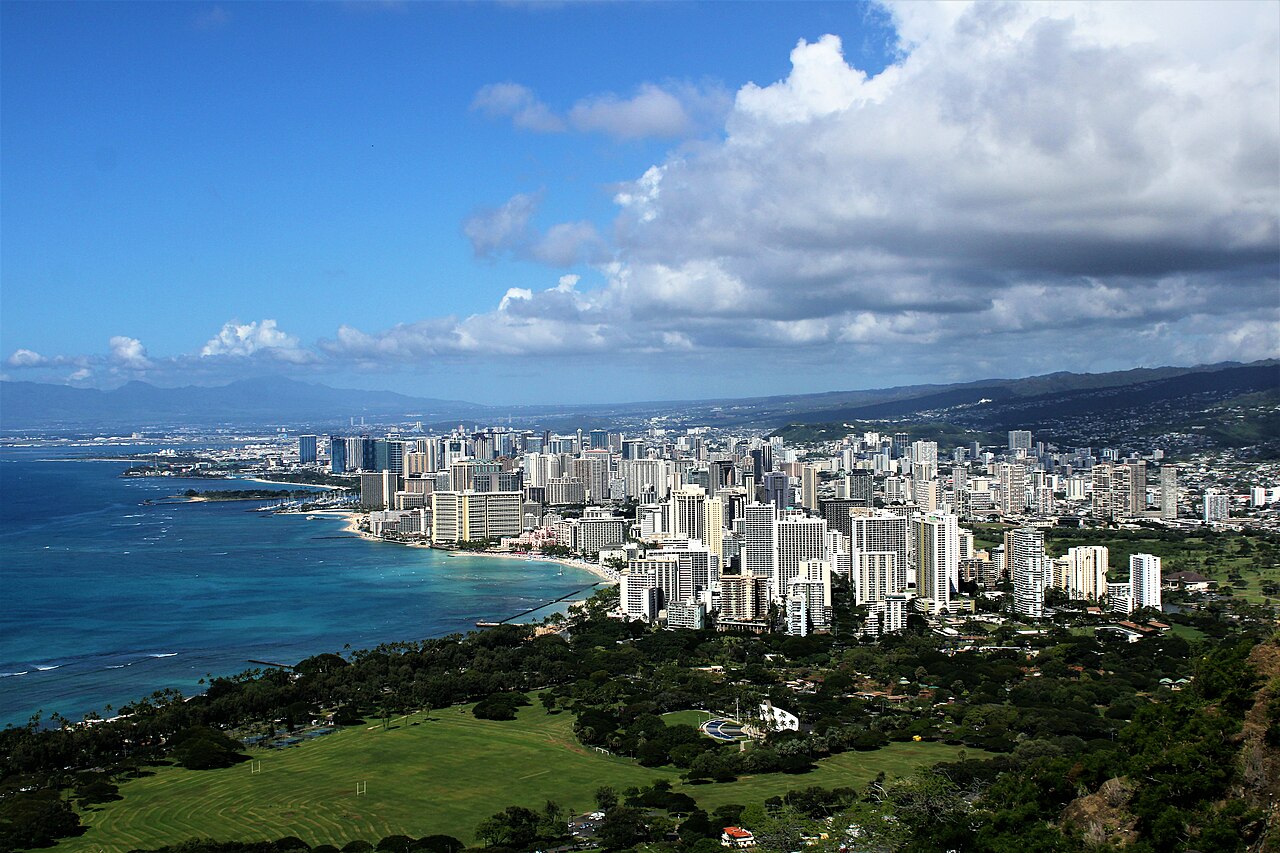
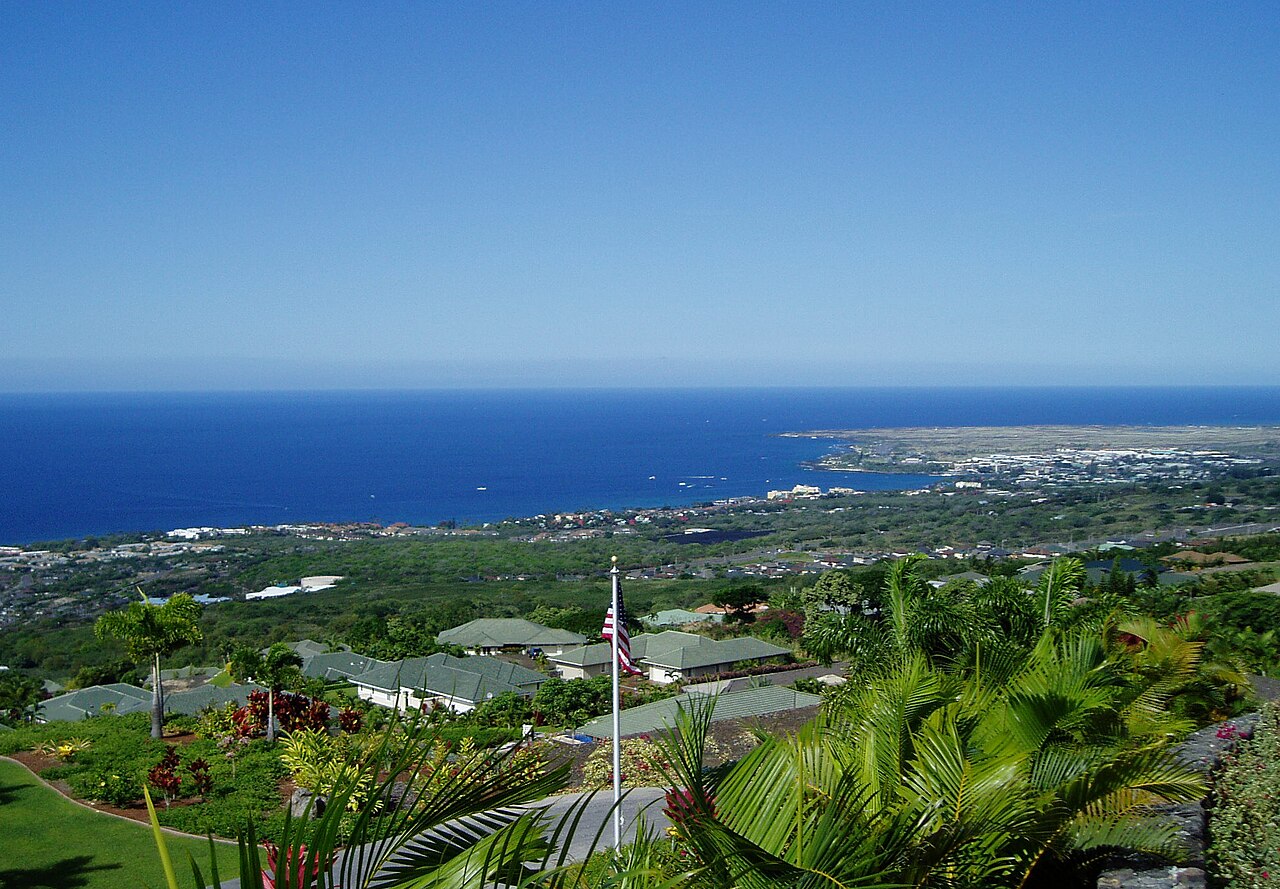
The islands are dramatically different from one another. Oahu has the urban energy of Honolulu and the famous crescent of Waikiki Beach, but drive twenty minutes north and you are on empty surf beaches with no high-rises in sight. Maui has the massive Haleakala volcano and the winding road to Hana. The Big Island (officially called Hawaii) has active volcanoes, black sand beaches, and cattle ranches. Kauai is the oldest island, the greenest, the most dramatically sculpted by erosion -- the Na Pali Coast is one of the most spectacular stretches of coastline on earth.
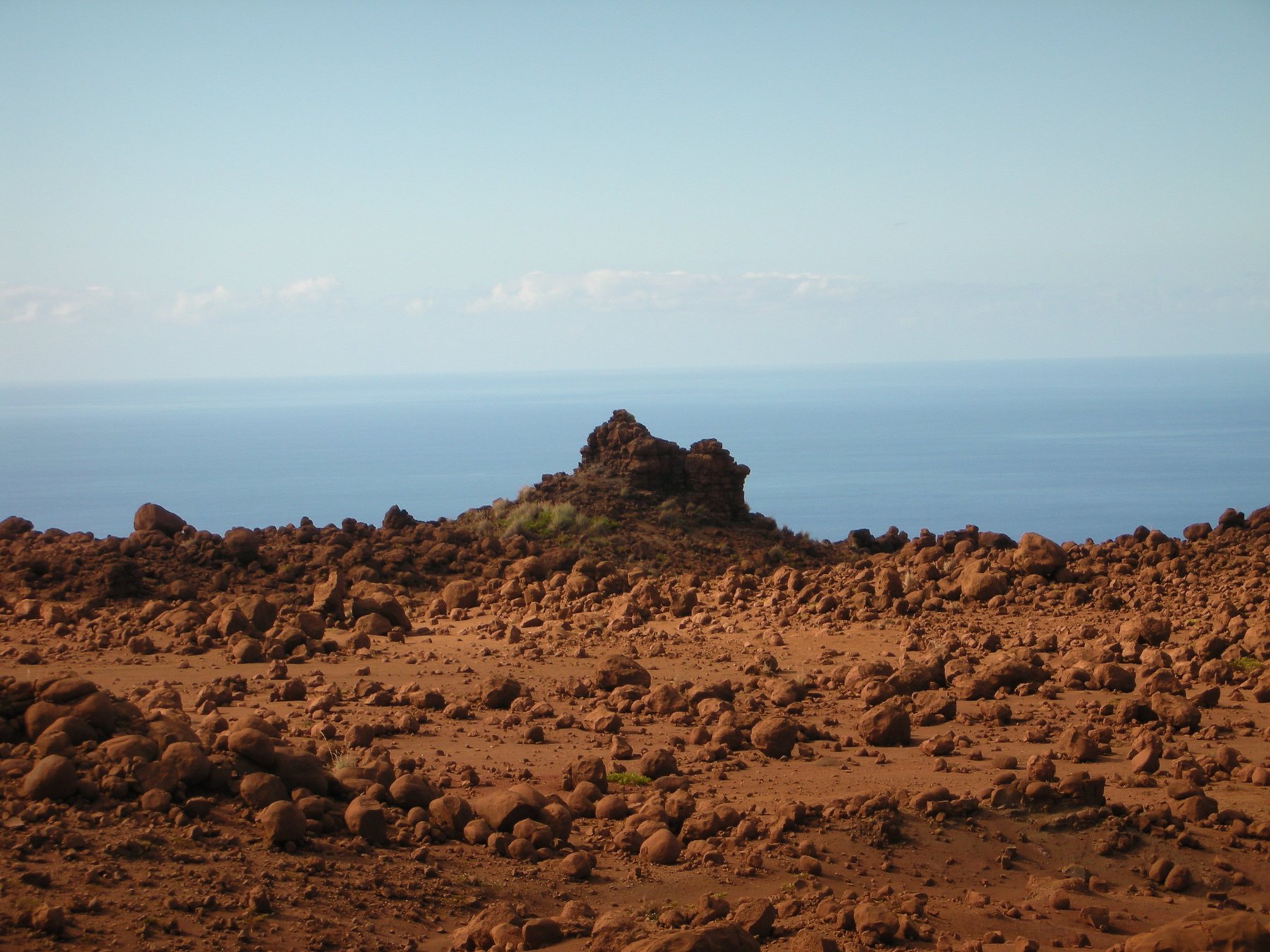
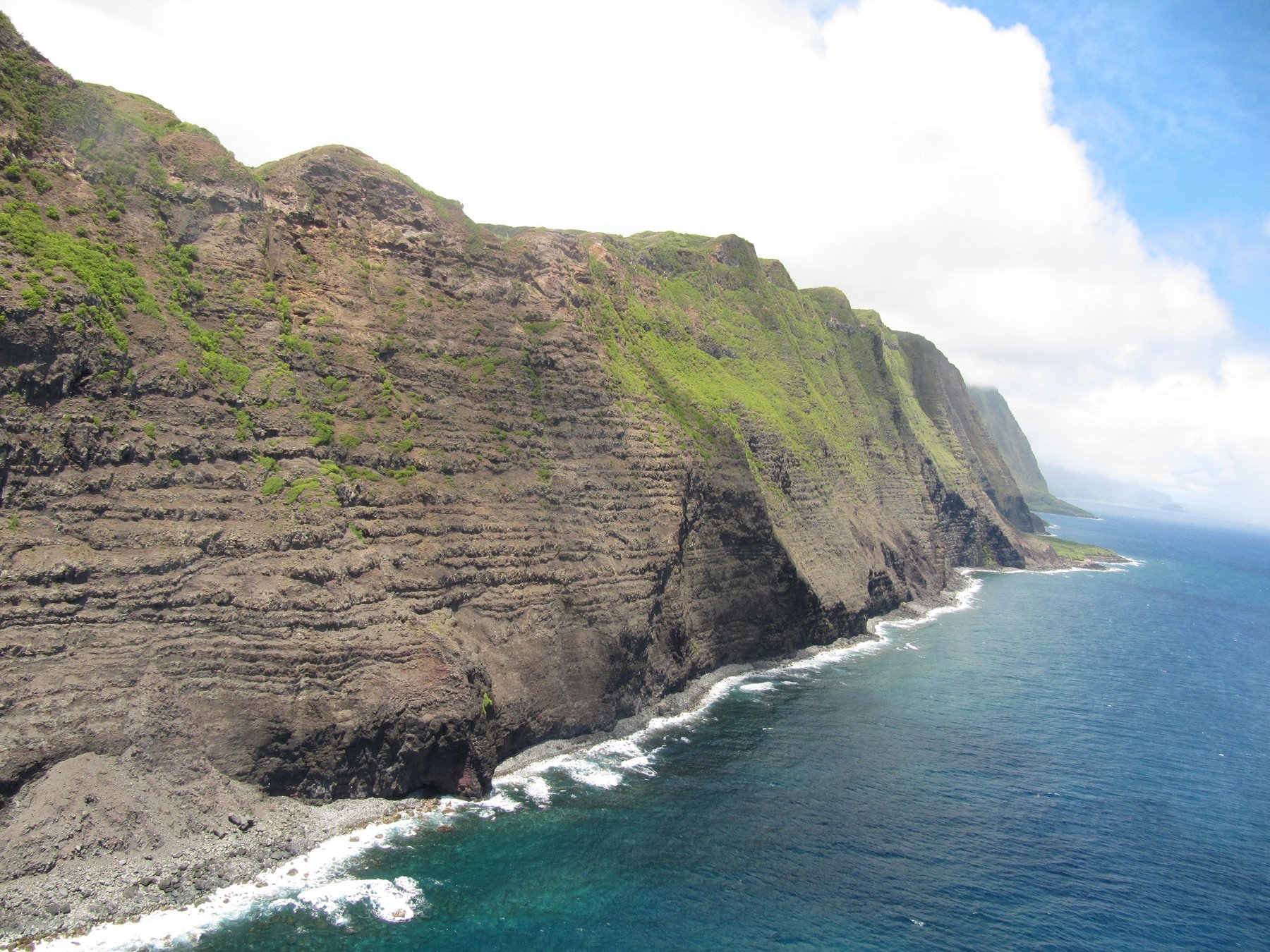
The smaller islands have their own appeal. Molokai is the least developed and most traditionally Hawaiian. Lanai went from pineapple plantation to luxury resort island in a single generation. Both are worth visiting if you want to see Hawaii without the crowds.
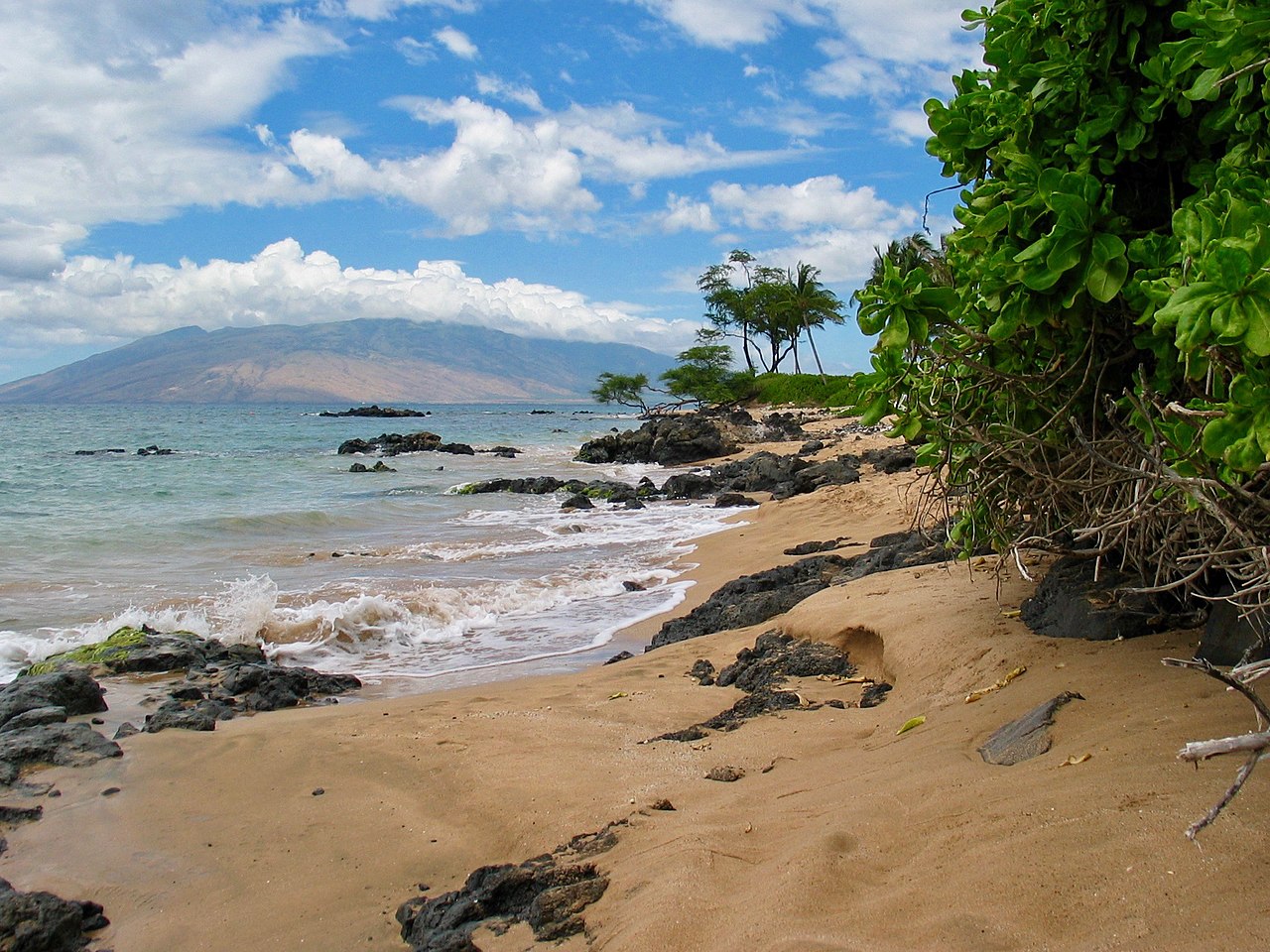
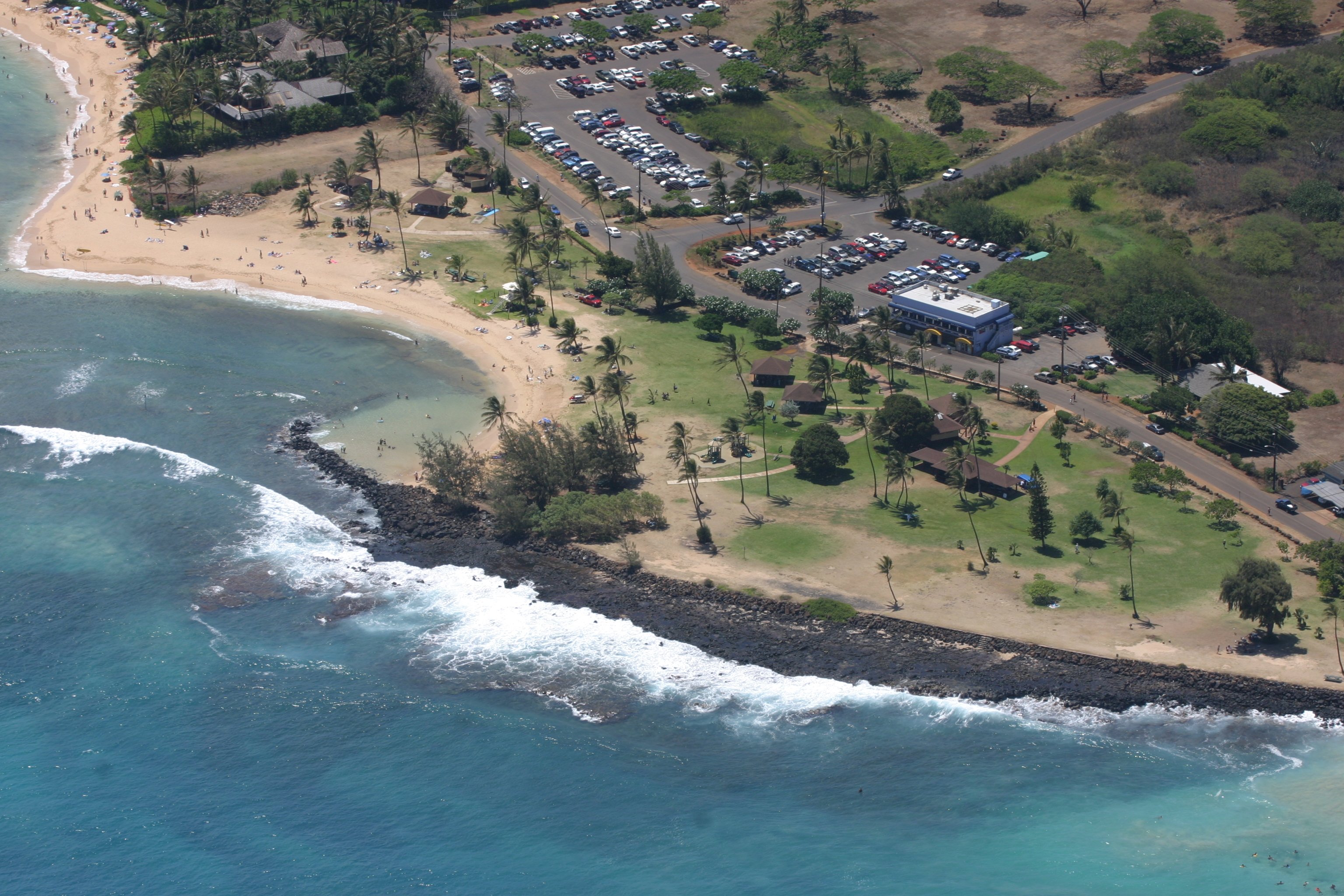
The weather is mild year-round, rarely dropping below 60 or climbing above 90 degrees Fahrenheit. Every day is a beach day for somebody. But Hawaii is far more than beaches -- it has some of the best hiking in the Pacific, world-class snorkeling and diving, a distinctive food culture that blends Asian and Polynesian traditions, and a history that includes ancient Polynesian voyaging, a powerful kingdom, and a controversial annexation that still shapes local politics today.