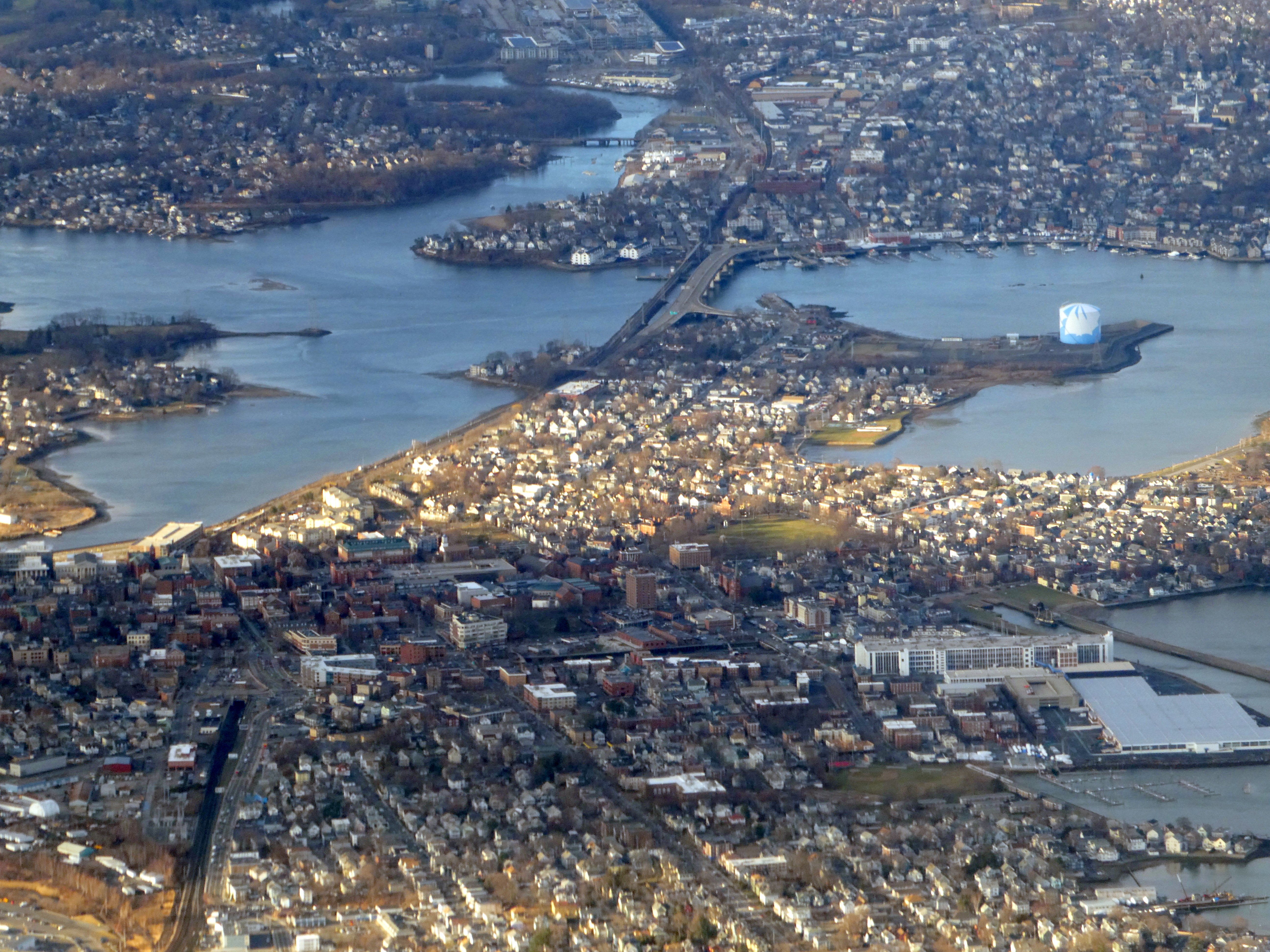
Salem is the most famous small city in New England, and for one reason above all others: in 1692, twenty people were executed and hundreds accused during one of the most notorious episodes of collective panic in American history. The witch trials cast a long shadow, and Salem leans into its dark reputation — October turns the downtown into a month-long festival of costumes, ghost tours, and haunted happenings. But beneath the witch-trial theatrics lies a genuinely remarkable place with a far richer story.
For most of its history Salem was a seaport, not a witch city. It was one of the wealthiest and most cosmopolitan towns in colonial and early Federal America, its merchants sending ships to China, India, and the East Indies while the profits built the Federal-style mansions still lining Chestnut Street. The Peabody Essex Museum grew out of those voyages — sea captains donated the curiosities they brought home, and the result is now one of the great art and culture museums in the country. The Salem Maritime National Historic Site preserves the wharves and warehouses of that trading era.
The literary connection matters too. Nathaniel Hawthorne was born here and drew on his Salem childhood for much of his work; the House of the Seven Gables on Turner Street, inspiration for his most famous novel, sits right on the waterfront. The Old Burying Point Cemetery and the adjacent Salem Witch Trials Memorial make for a quiet, sobering hour away from the crowds. Salem is an easy day trip from Boston or Newburyport, but it repays a night or two — especially if you time it for late October, when the whole city goes deliriously theatrical, or for the quieter pleasures of a summer evening on Pickering Wharf.