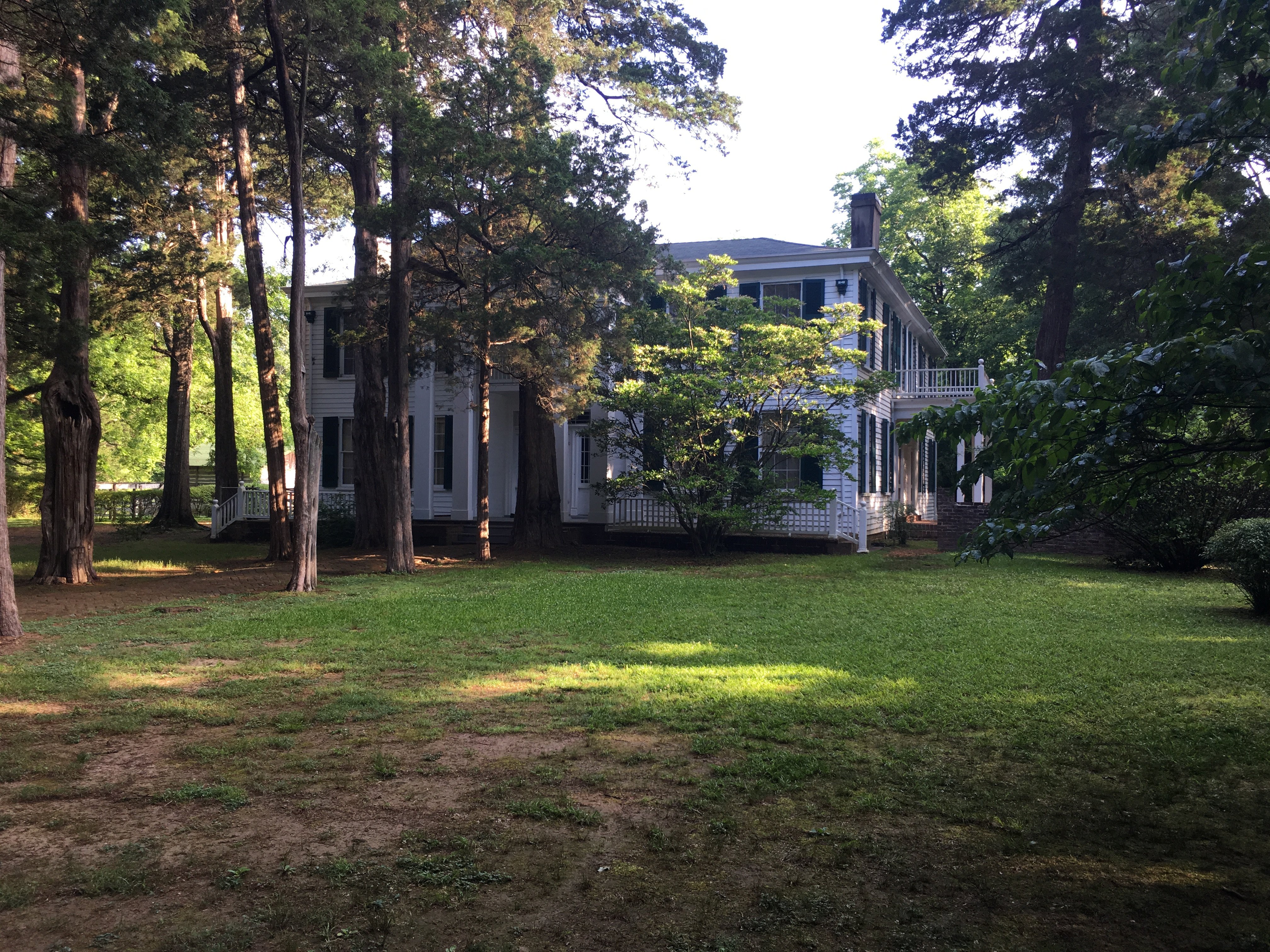
Oxford, Mississippi, is one of the most literary towns in the American South — and perhaps in all of America. William Faulkner spent most of his life here, and the landscape, people, and social structures of Oxford and its surrounding Lafayette County seep through almost every page he wrote, barely disguised as the fictional Yoknapatawpha County. Rowan Oak, his home from 1930 until his death in 1962, is preserved as a museum and stands largely as he left it, with the outline of A Fable's plot written in pencil on his study walls.
The town is also home to the University of Mississippi, known universally as Ole Miss, which gives Oxford a livelier and more cosmopolitan atmosphere than you might expect from a small Mississippi city. The courthouse square at the centre of town is the social hub: ringed with independent bookshops, restaurants, and bars, it is the kind of place where you can spend a long afternoon without trying. Square Books, one of the most celebrated independent bookstores in the American South, anchors the square with an upstairs café that overlooks the street.
Oxford has a complicated history — it was the site of the riots surrounding James Meredith's 1962 enrolment as the first Black student at Ole Miss — and the university's civil rights history is honestly documented in the campus museum. But the town has changed considerably, and today it attracts writers, musicians, and a food scene that punches well above its size.