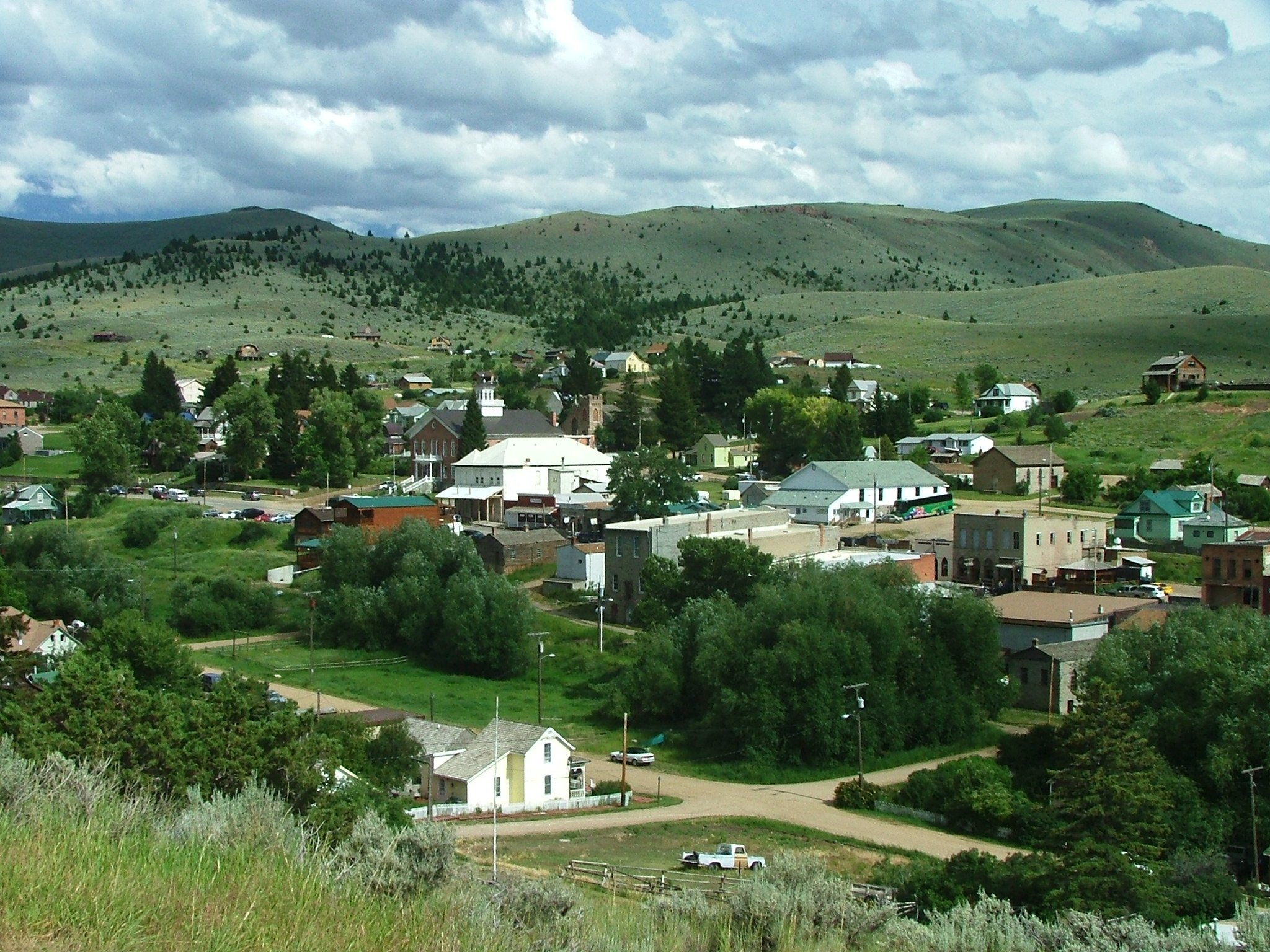
Virginia City, Montana is frozen in time. It was the site of one of the richest gold strikes in the American West — the Alder Gulch discovery of 1863 — and for a brief, furious period it was the most important town in the territory, serving as Montana's first territorial capital. When the gold petered out, there wasn't enough money left to modernize, so the town simply stopped. The Victorian storefronts, the wooden sidewalks, the hotel with its iron beds — all of it survived intact because nobody could afford to tear it down.
Today Virginia City is one of the most authentic ghost towns in the country. Unlike many preserved Western towns, this one was never a theme park — it's a real place with a handful of year-round residents, a functioning opera house that has run melodramas every summer since 1949, and a main street lined with original buildings, many still holding their original contents. The Virginia City Historic District is a National Historic Landmark. The adjacent Nevada City Open Air Museum, a mile west, holds an extraordinary collection of relocated frontier buildings, and the narrow-gauge Alder Gulch Short Line steam train runs between the two in summer.
The Thompson-Hickman Museum tells the full story of the gold rush, including the extraordinary episode of the Vigilance Committee, which hanged 21 men — including Sheriff Henry Plummer — in a single winter. Boot Hill Cemetery sits above the main street with views over the valley.
The surrounding Madison Valley adds to the appeal. Ennis is 14 miles north and the Madison River — one of Montana's finest trout streams — flows alongside the road the whole way. Yellowstone's west entrance is about two hours south. Virginia City works best as an overnight stop rather than a day trip: the town settles into something genuine once the tour buses have left.