Manassas
©
Manassas

Manassas

Northern Virginia city shaped by Civil War battlefields and a historic railroad-era Old Town.

Manassas is a small city about 30 miles southwest of Washington, D.C., defined almost entirely by its Civil War history. Twice in the space of fourteen months — July 1861 and August 1862 — the armies of the Union and the Confederacy clashed here along a muddy creek called Bull Run, and twice the Union was routed. The battles shattered any illusion that the war would be quick and easy, and the name Manassas became shorthand for hard lessons learned.

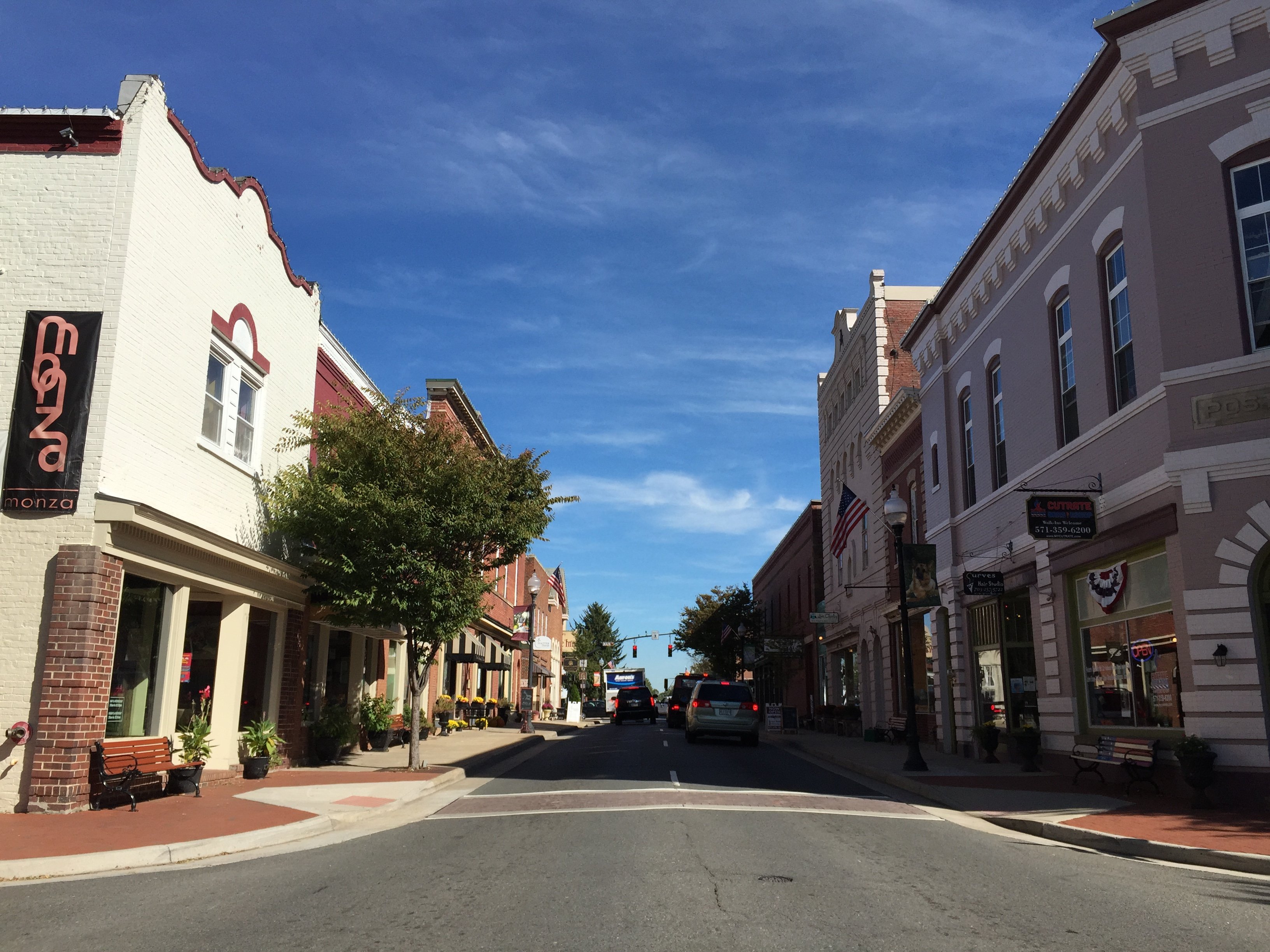
The city itself grew up around a railroad junction, which was the very thing both sides were fighting over. That junction is gone, but the Old Town district along Center Street has held its character well — a stretch of Victorian storefronts, the Manassas Museum, and a quieter pace than anything you'll find closer to the Beltway. The historic train station is still in use on the VRE commuter line.

Most visitors come specifically for the National Battlefield Park, and that's the right call. The park preserves a remarkable sweep of open countryside, largely unchanged since the 1860s. Walking the ground where Stonewall Jackson held his line and where the Confederates finally swept the field is genuinely moving — more so than most Civil War sites, because the landscape itself tells the story. The nearby Liberia House and Ben Lomond Manor add depth to any serious Civil War itinerary.

Guide

Getting There

Manassas is about 30 miles southwest of Washington, D.C. By car, take I-66 west and exit at Route 234 south into the city — the drive takes around 45 minutes outside rush hour, considerably longer during peak commuting times.

By rail, Virginia Railway Express (VRE) runs commuter trains from Washington Union Station to Manassas on weekdays. The journey takes about 75 minutes. Amtrak also stops here on the Cardinal line (Chicago–New York), though service is infrequent — three days a week in each direction. There is no practical weekend rail service from D.C., so most visitors coming without a car either rent one or arrange a rideshare from the suburbs.

The nearest major airport is Washington Dulles International (IAD), about 25 miles north. Reagan National (DCA) is slightly further but has better transit connections into D.C. if you are combining the trip with time in the capital.

Guide

When to Go

Spring and autumn are the best times to visit Manassas. April through early June brings mild temperatures and green fields — the battlefield landscape looks its best when the grass is up and the woods are in leaf. October is similarly pleasant, with colour in the trees and cool walking weather.

Summer is hot and humid, which makes the battlefield trails uncomfortable rather than dangerous, but late afternoon thunderstorms are common. The battlefield is open year-round, and the visitor center is heated in winter — January and February visits are quiet and perfectly viable, with frost on the ground sometimes adding a melancholy quality to the landscape.

The annual Civil War re-enactments at the battlefield draw large crowds, particularly around the July anniversary of the First Battle. If you want the park to yourself, avoid those weekends. The Old Town farmers market runs on Saturdays from spring through autumn.