Humahuaca
©
Humahuaca

Humahuaca

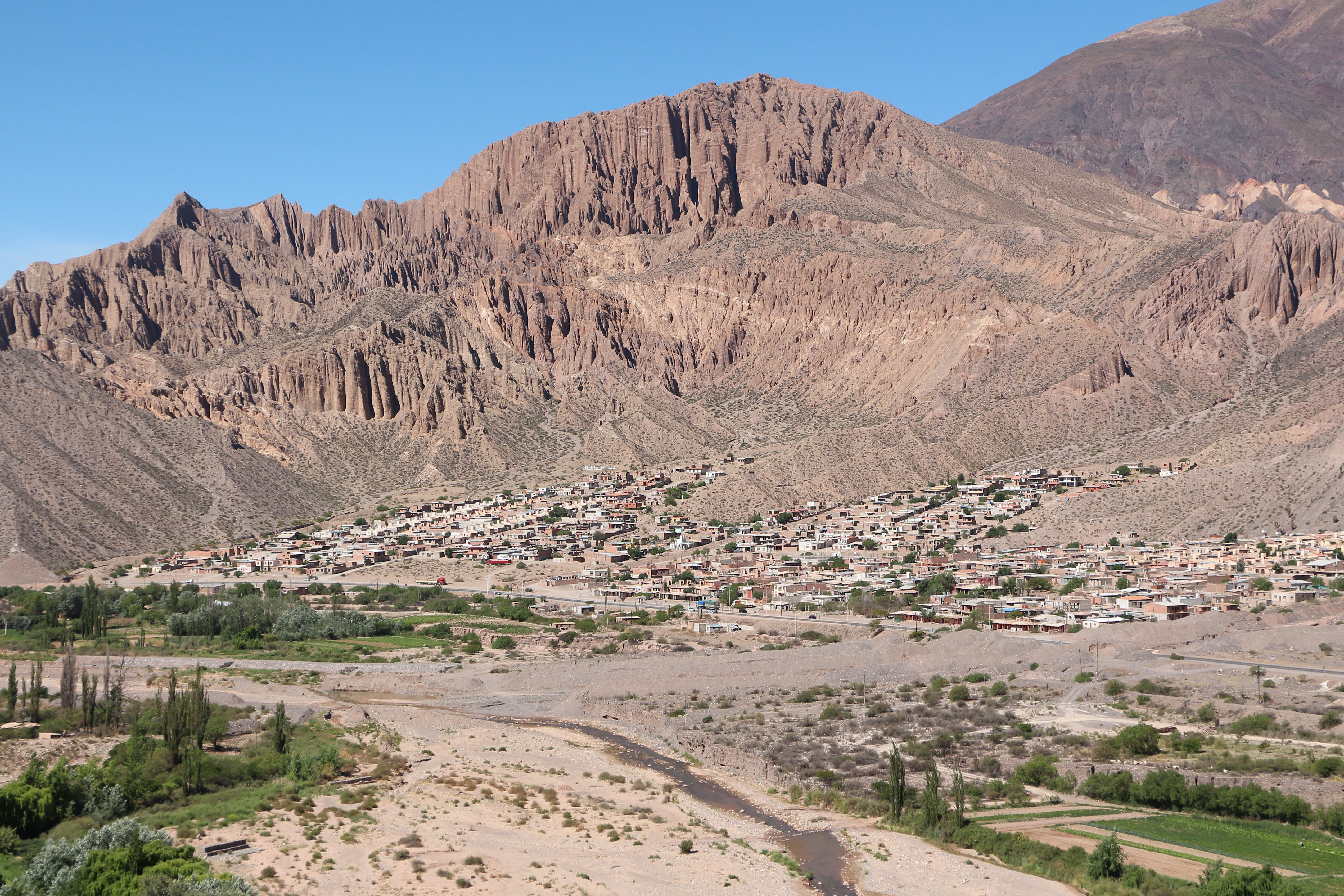
Andean Quebrada town where colonial architecture stands against the barren, Peru-and-Bolivia-like landscapes of northwest Argentina.

Located in the North West of Argentina, the Quebrada de Humahuaca is one of the major tourist sights. The colonial architecture and the barren landscape will remind the traveler of Peru and Bolivia.

The town of Humahuaca is located on the Rio Grande, at an elevation of 3000 meter. There are a few nice old churches like the Iglesia de la Candelaria and the famous clock tower in the cabildo on Plaza Gómez, but for most travelers Humahuaca serves as a base for exploring the region. Climb the steps to the Monumento a los Héroes de la Independencia for the best view in town, and don't miss the day trip up to the Serranía de Hornocal — the fourteen-coloured ridge that is the main draw of this whole stretch of the Quebrada. The pre-Inca terraces of the Pucará de Coctaca are another rewarding excursion just north of town.

Tilcara is worthwhile, it has a few museums and the pre-Hispanic pucara is well worth a visit as well. A few kilometers to the south the hillside cemetery of Maimara is a great photo opportunity.

Guide

Eating Out

Food in Humahuaca is hearty Andean: llama stew, locro (a thick maize and bean stew), humitas, tamales, and quinoa preparations. Most restaurants cluster around the plaza and along Calle Tucumán. Prices are low by Argentine standards.

A few peñas combine dinner with live folklore music. Aim for the second seating around 22:00 — the music starts late and warms up slowly with the wine.

Guide

Getting There

Long-distance buses run several times daily up the Quebrada from San Salvador de Jujuy (about 3 hours) and from Salta (5–6 hours including the Jujuy connection). The Humahuaca bus terminal is a short walk from the plaza.

There is no airport in town. The closest is Jujuy (Horacio Guzmán International), with daily flights from Buenos Aires; from there continue by bus or rented car. Some travellers come down from Bolivia via the border at La Quiaca, then south by bus — a slower but interesting route.

Guide

Things to Do

Humahuaca is small enough to walk in an afternoon, but the surrounding Quebrada is the real draw. Most visitors spend a couple of days here using the town as a base to see Tilcara, Purmamarca, and the mountainsides north toward the Bolivian border. The plaza, the cabildo with its mechanical San Francisco Solano figure, and the dramatic Monumento a los Héroes de la Independencia above town are the must-sees in the town itself.

Guide

When to Go

The dry season runs roughly April to November and is the best time for clear skies and reliable road access to Hornocal. Winter nights (June–August) drop below freezing at 3,000 metres but days are sunny and crisp.

The summer rainy season (December–March) can wash out the dirt roads to surrounding sites; landslides occasionally close Route 9. The big festival of the Virgin of Candelaria falls on 2 February, and Carnival in February is celebrated intensely throughout the Quebrada with cuarteadas, water fights, and brass bands.