Mar del Plata
©
Mar del Plata

Mar del Plata

Argentina's Atlantic beach resort city, with long urban beaches and summer crowds from Buenos Aires

Mar del Plata is Argentina's biggest beach resort, a city of around 600,000 on the Atlantic coast some 400 kilometres south of Buenos Aires. For over a century it has been where porteños escape the summer heat — the 29 miles of coastline range from packed urban beaches with full resort infrastructure to quieter stretches backed by dunes.

La Perla is the most popular beach, with a long boardwalk lined with bars, restaurants, and shops. Playa Grande draws a younger crowd and is the centre of the nightlife scene. Punta Mogotes has 24 resorts with beach sports and parasol rental. For surfing, head to Playa Mariano (also known as Honu Beach) at the southern end, near the Cabo Corrientes lighthouse. The water is cool even in summer — expect 14 to 17°C — but the waves and the atmosphere make up for it.

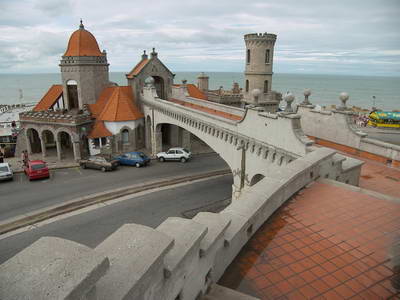
Beyond the beach, Mar del Plata has a lively cultural scene, the ornate Casino Central on the seafront, and a working fishing port where you can eat fresh seafood straight off the boats. The Castagnino Museum and the eccentric Palacio Árabe round out a city that has more substance than the beach-resort label suggests.

Guide

Beaches

Mar del Plata is the biggest beach resort on the Atlantic in Argentina; in fact, the economy of this coastal town is almost totally dependent upon tourism and the beaches. This used to be an area where the wealthy came to play. Beaches stretch over 29 miles of coastline and the water is always a pleasant 57 to 62 degrees F during the summer. Here you can enjoy the beaches, resorts, and many casinos, theaters, and restaurants nearby. Remember that Argentina is Southern Hemisphere so the best time to visit the beaches is from December to March. Should someone tell you to check out Mar del Plata– this is the place they are talking about.

Beaches in Mar del Plata give you variety. You will find family beaches, restful beaches, crowded beaches, surf beaches and on and on.

La Perla Beach

La Perla Beach is one of the most popular beaches in the area. It is made of several beaches that are joined with a boardwalk. On that boardwalk are bars, restaurants and shops. This beach is almost always crowded because it is a family friendly beach with playgrounds and volley ball courts. There is also a lifeguard on duty.

Playa Mariano

Playa Mariano is also called Honu Beach and is the best beach on which to surf. The Beach is clean and less crowded than most. The best time to catch waves is in the morning because this beach is sensitive to the winds. There is a lighthouse at the south end of the beach and the best waves can be found here.

Punta Mogotes Beach

Punta Mogotes is nearby and consists of 24 beach resorts in a 2.5 mile area. They are connected the Harbor Natural Reserve by lagoons. If you like to participate in beach sports such as volleyball, football, and tennis – this is the place to go. Swimming is also great at this beach because of moderately calm waters. Tourist services include tent or parasol rental. There are restaurants and bars on the beach and there are parking lots so you don’t have to wonder where to park your car and walk.

Playa Grande

Playa Grande is a popular beach for the younger crowd.The complex contains a resort with a large parking area, restaurants, bars, shops and if you don’t like the idea of swimming in the ocean there is a rather large swimming pool.There are a few waves so surfers and body-boarders do congregate here.The nightlife is exceptional at this beach because of the bars and clubs.

There are many more beaches on Mar del Plata and you are sure to find one that suits your style and needs.
Guide

Eating Out

Mar del Plata's strongest suit is seafood. The fishing port at the southern end of the city supplies restaurants up and down the coast, and the standard is reliably high — you will eat better fish here than in Buenos Aires. Hake (merluza) is the local staple, prepared fried, baked, or in empanadas. Shrimp (langostinos) are excellent, and the calamari are caught locally. The port-area restaurants along Banquina de Pescadores offer the freshest catch with harbour views.

The city also has good confiterías — the Argentine combination of café and pastry shop — where you can eat medialunas and drink coffee for very little money. The pedestrian shopping streets near the cathedral are lined with them. For more elaborate cooking, the residential neighbourhoods south of the centre (Los Troncos, La Perla Sur) have a growing number of serious restaurants serving updated Argentine cuisine.

Guide

Getting There

By air, Astor Piazzolla International Airport (MDQ) is 10 kilometres north of the city centre and has several daily flights from Buenos Aires (Ezeiza and Aeroparque). The flight takes about an hour. In summer there are also flights to Rosario, Córdoba, and other Argentine cities.

By bus, Mar del Plata is around five to six hours from Buenos Aires on excellent paved highways. Regular, comfortable long-distance buses run from Retiro station in Buenos Aires throughout the day and night; the overnight buses are a practical option. The terminal in Mar del Plata is well-organised and central.

By car, the main route is the Autopista 2 from Buenos Aires, which runs directly to the city. The drive takes around five hours in normal traffic; on January and February weekends, add several hours for the outbound traffic from Buenos Aires.

By train, a revival of the historic Buenos Aires–Mar del Plata service has been under discussion for years. Check current status when planning — services have run seasonally on this route.

Guide

When to Go

The undisputed peak is January and February, when half of Buenos Aires decamps to the coast. The beaches are packed, prices are highest, and the city has an electric energy; book well ahead or expect to struggle for accommodation. December and March are shoulder months — still warm enough for the beach (20–22°C water temperature) with smaller crowds and lower prices.

Outside summer, Mar del Plata is a different city. Autumn brings crisp Atlantic air, the crowds disappear, and the city reveals its working-town character. Winter (June–August) is cold and frequently foggy, but the casino, the restaurants, and the cultural calendar keep running, and some visitors specifically prefer the off-season atmosphere. The National Sea Festival takes place in February; the International Film Festival in November.