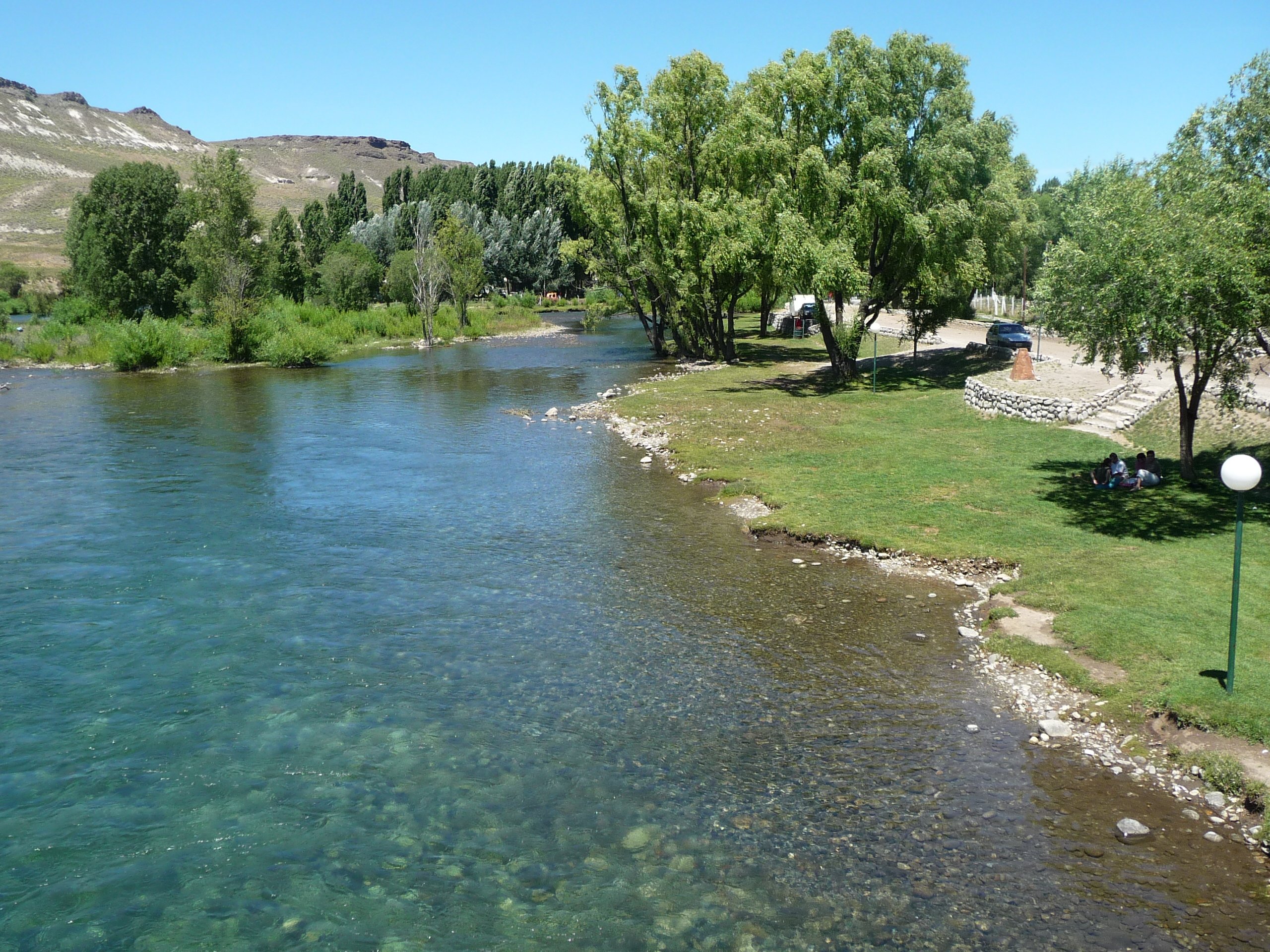
Patagonian river town at the Andes foot, prized for trout fishing on the Chimehuin
Junín de los Andes is a small town in the Neuquén province of Argentine Patagonia, sitting on the banks of the Chimehuin River at the foot of the Andes. It is one of Argentina's premier fly-fishing destinations — the Chimehuin and the nearby Malleo and Aluminé rivers are full of brown and rainbow trout introduced in the early twentieth century, and anglers come from around the world for the season (November to April).
The town itself is quiet and unpretentious, without the resort-town polish of nearby San Martín de los Andes 40 kilometres to the south. That is part of its appeal: Junín feels like a working Patagonian town that happens to be surrounded by spectacular scenery. The Lanín volcano (3,776 metres), a near-perfect snow-capped cone, dominates the western horizon and is the centrepiece of Lanín National Park.
Beyond fishing, the area is good for hiking and horse riding in the Andean foothills. The road west to the Chilean border passes through monkey puzzle (araucaria) forests — ancient, alien-looking trees that are one of Patagonia's most distinctive landscapes. Lake Huechulafquen, about 25 kilometres west, is surrounded by forest and overlooked by Lanín, and is worth the drive even if you are not fishing.
Guide
Getting There
Junín de los Andes is in Neuquén province, about 400 kilometres south of Neuquén city. The nearest commercial airport is at Chapelco, 15 kilometres south of San Martín de los Andes (which is 40 kilometres south of Junín). Chapelco (CPC) has seasonal connections to Buenos Aires and is open primarily in the ski season and summer. Neuquén airport (NQN) has year-round connections to Buenos Aires and other Argentine cities and is about 4 hours by road.
By road from San Martín de los Andes takes about 40 minutes on Route 234. From Bariloche (the main tourist hub of Patagonia) is about 3.5 hours, a beautiful drive through the Seven Lakes route (Ruta de los Siete Lagos). From Buenos Aires by road is about 1,400 kilometres — not a day's drive.
Bus services connect Junín with Bariloche, Neuquén, and Buenos Aires. The station is central.
Guide
When to Go
The fishing season runs November to April — this is the primary travel season for Junín. November and December are excellent months: the rivers are full from snowmelt, the fish are active, the araucaria and lenga beech forests are green, and the days are long. March and April are autumn and bring spectacular colour to the forests, with the lenga beech turning gold and the piñon harvest underway.
Summer (January–February) is warm and busy — school holidays bring Argentine families to the lakes and mountains. The fishing is good but the rivers can be lower and warmer by late February.
The park is open year-round but winter (May–October) is cold and many services in the town reduce hours. The ski resort at Chapelco (near San Martín) attracts some winter visitors, but Junín itself is quiet. The Lanín volcano summit is climbed mainly in January–March.