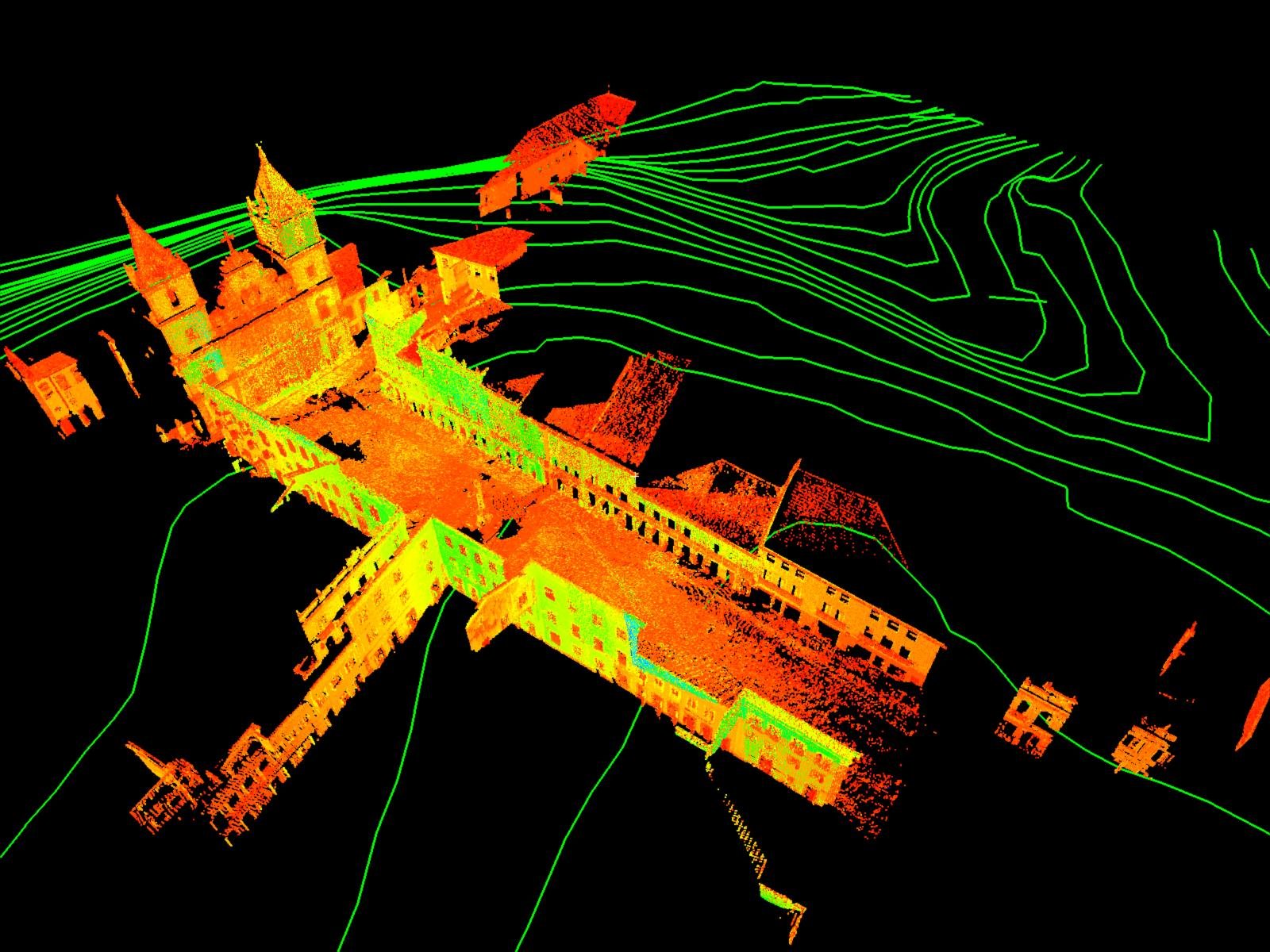
Salvador da Bahia — Salvador de Bahia de Todos os Santos, as the Portuguese formally christened it — is the oldest city in Brazil and, for many travellers, the most distinctive. Founded in 1549 as the first colonial capital, it was the point of arrival for nearly four million Africans brought to Brazil in chains, and its population today is overwhelmingly of African descent. The result is a city whose rhythms, food, music, and religion feel less like the rest of Brazil and more like a West African port that happens to face the Atlantic from the wrong side.
The old town, the Pelourinho, sits on a high bluff above the bay — a dense grid of cobbled streets, pastel colonial mansions, and the gilded interiors of roughly sixty baroque churches, the most famous of which is São Francisco, its entire interior coated in Brazilian gold. The Pelourinho was declared a UNESCO World Heritage site in 1985, restored (not without controversy) in the 1990s, and is now the tourist heart of the city: busy with capoeira circles, drumming groups, and the music from open bars, and best explored in the late afternoon when the light falls on the painted walls. The Afro-Brazilian Museum on the Terreiro de Jesus is the essential starting point. Be aware that petty theft is a problem after dark.
Below the bluff, the Cidade Baixa — the lower city — is reached by the Lacerda Elevator, a 19th-century iron lift that drops 72 metres in about thirty seconds. The Mercado Modelo down here is the old slave market, now a handicrafts market where you can buy Afro-Brazilian art and listen to live music over a plate of moqueca. To the south, the beach neighbourhoods of Barra, Ondina, and Rio Vermelho are where most of the city's nightlife happens — Rio Vermelho in particular has an exceptional live music scene, and it is where the acarajé vendors, dressed in traditional white, set up their stalls in the evening around the Largo de Santana. The Farol da Barra at the entrance to the bay is the standard sunset stop.
Salvador is the home of Carnaval as a street party rather than a parade — two million people following the trio elétrico trucks through Barra and Pelourinho for six straight days and nights. It is also the home of Candomblé, the Afro-Brazilian religion that survived through centuries of suppression disguised as Catholic saint-worship, and of the martial-art-dance of capoeira. Eat the food: moqueca (fish stew in dendê palm oil and coconut), acarajé (black-eyed-pea fritters stuffed with shrimp), and the sweet cocada sold by women in bright headwraps. Drink caipirinhas made with cachaça from Bahia's sugar-cane interior. This is a place that stays with you.