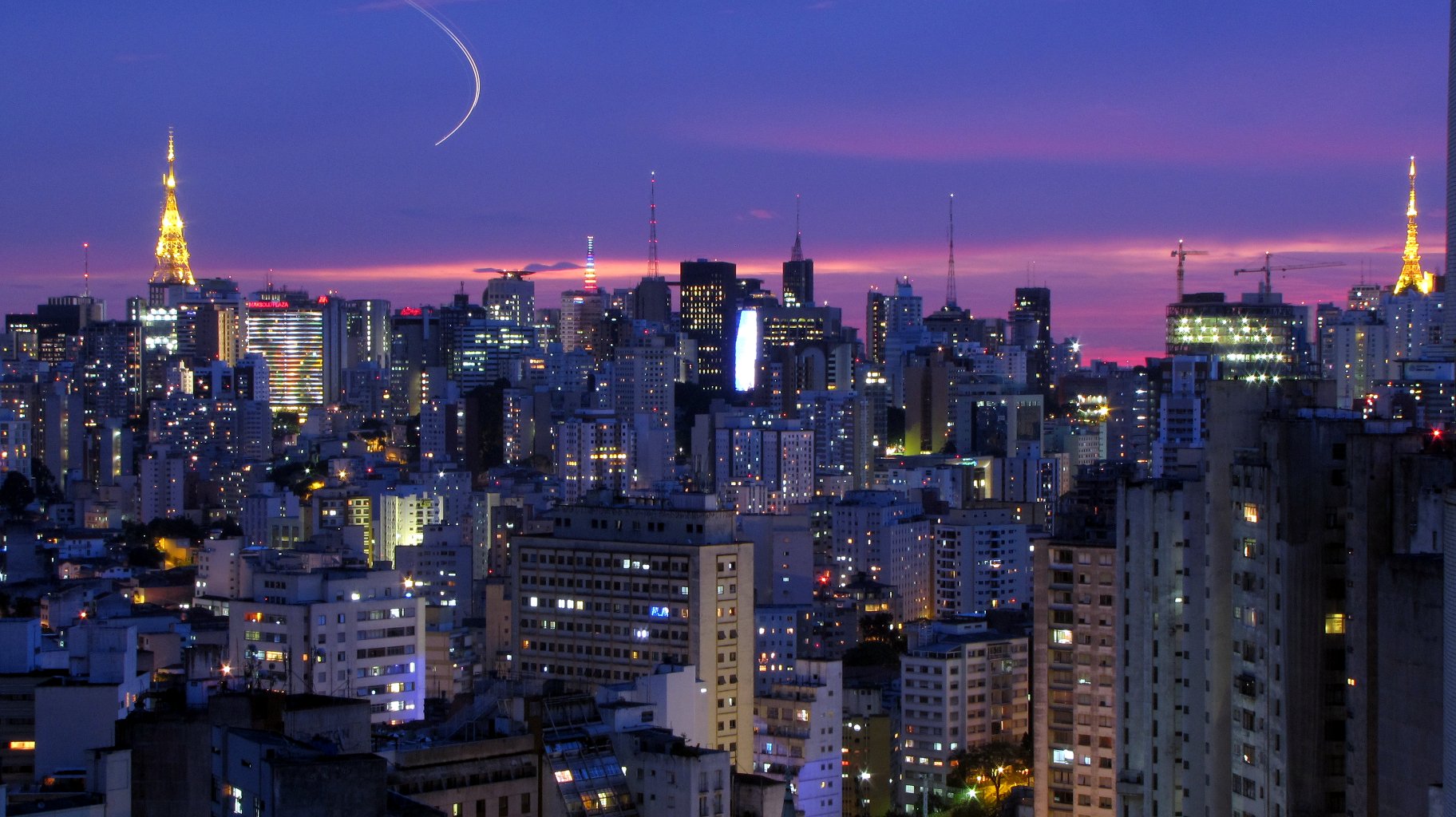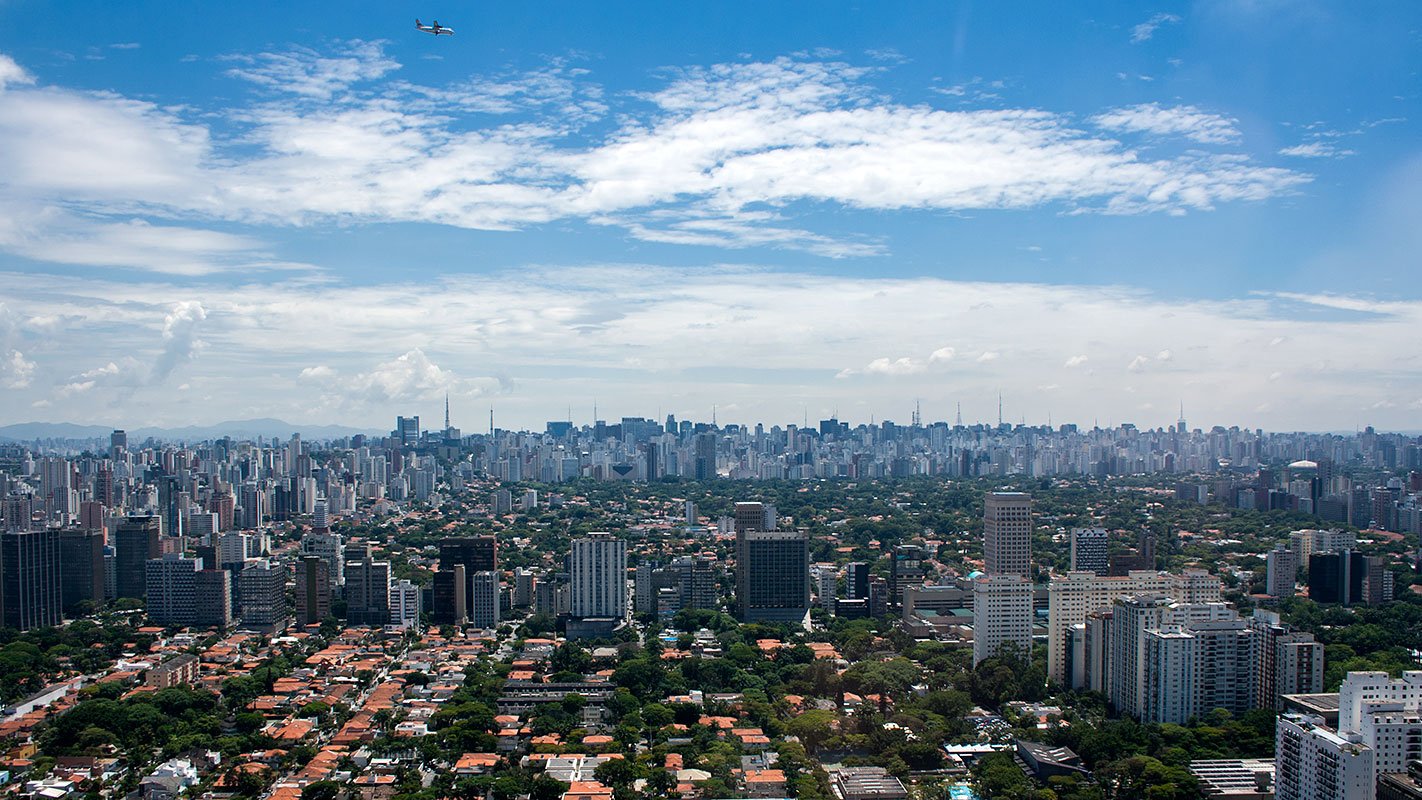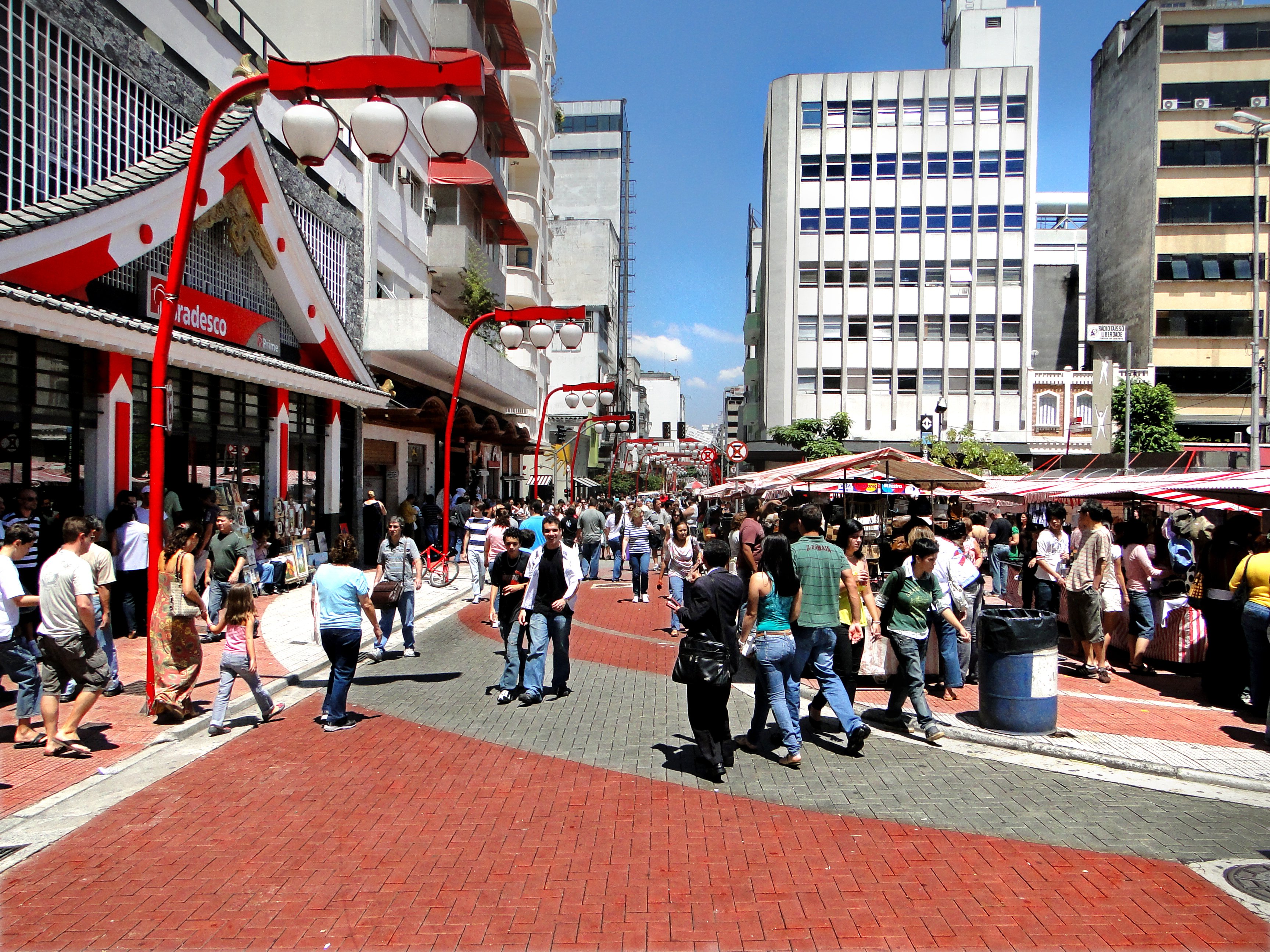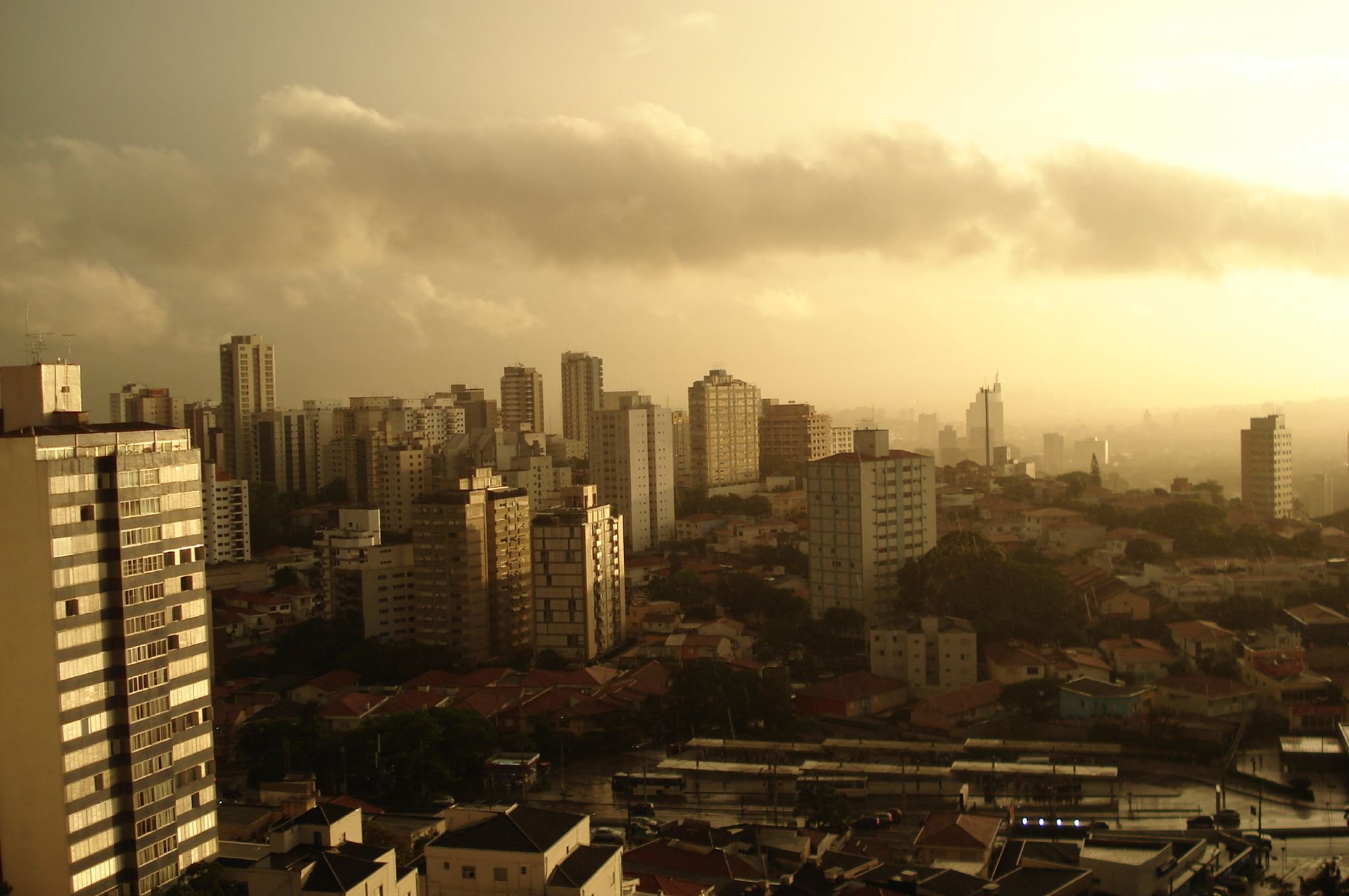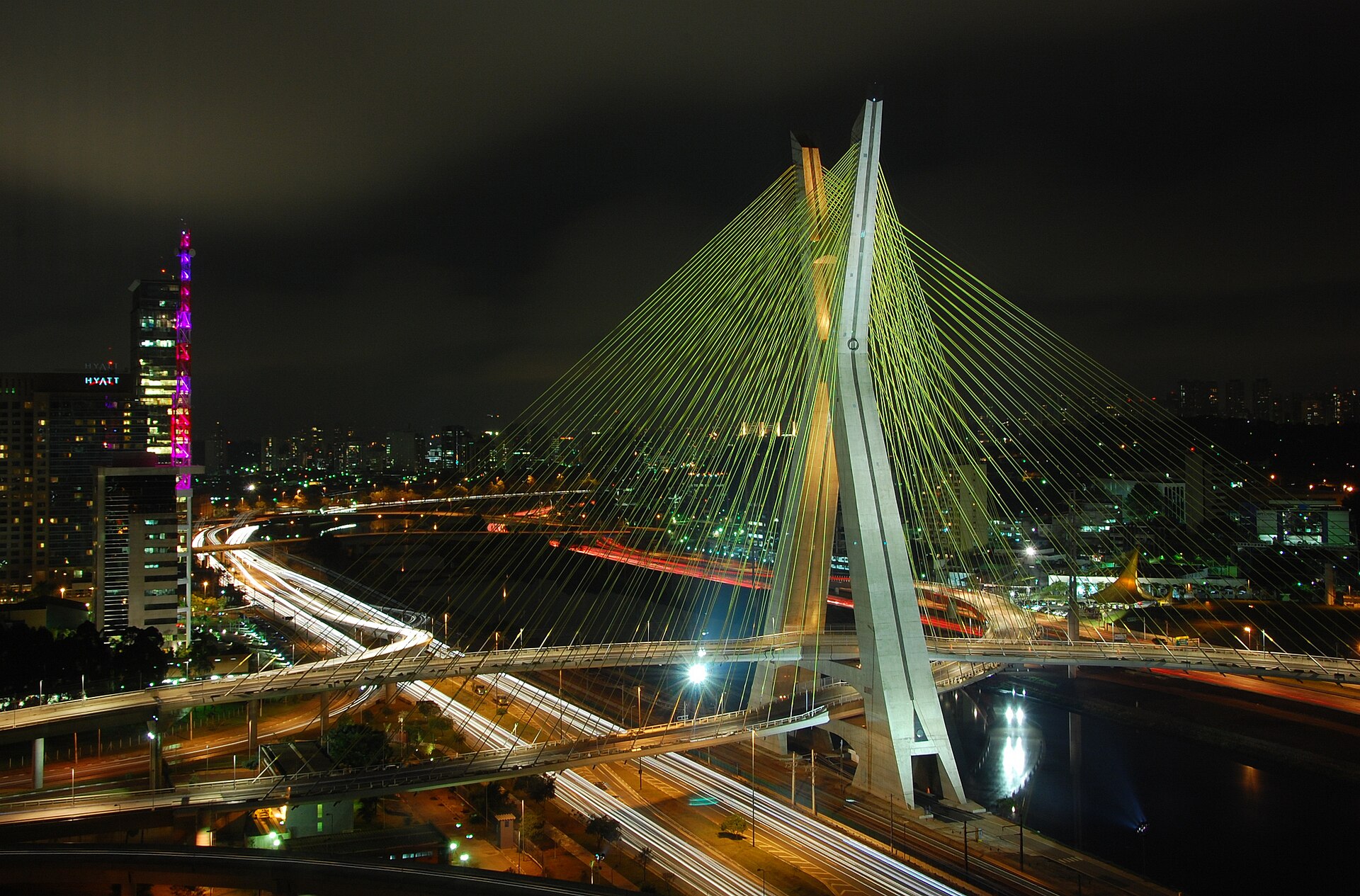
São Paulo is the largest city in the southern hemisphere, the economic engine of Brazil, and — to be honest — not a pretty city. Endless concrete, traffic that holds the world's worst-congestion records, a sprawl that takes hours to cross. What São Paulo lacks in beauty it makes up for in energy and diversity. This is the biggest Japanese city outside Japan, the biggest Italian city outside Italy, and home to over a million Lebanese descendants; the food, the music, and the nightlife draw from all of them.
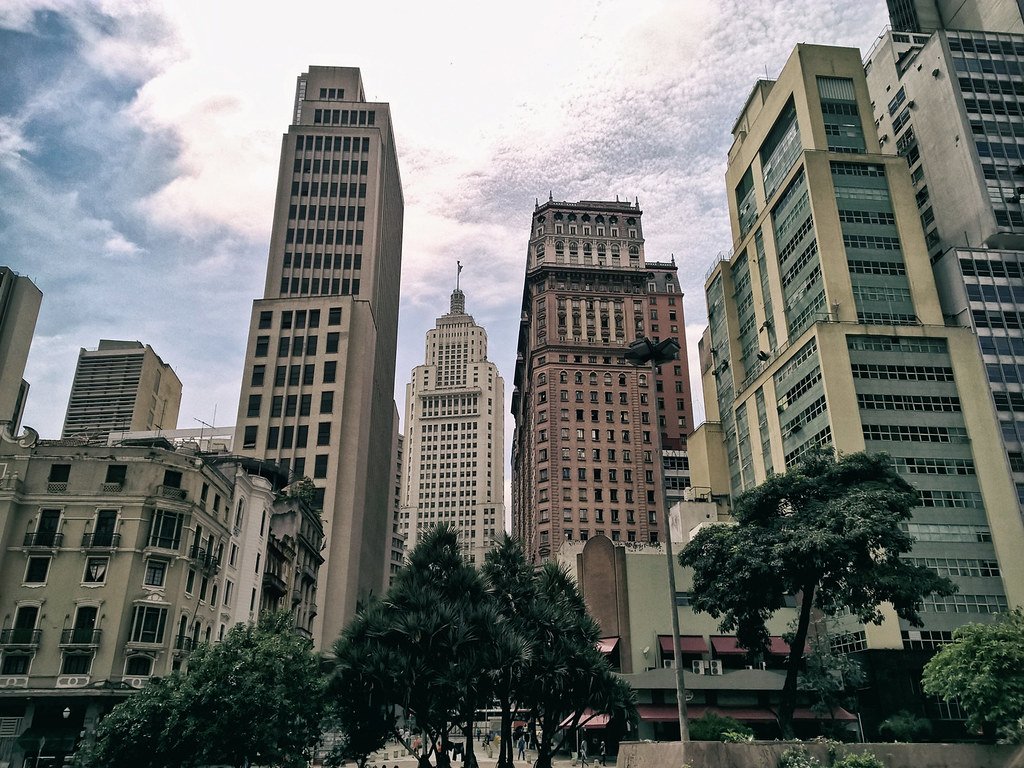
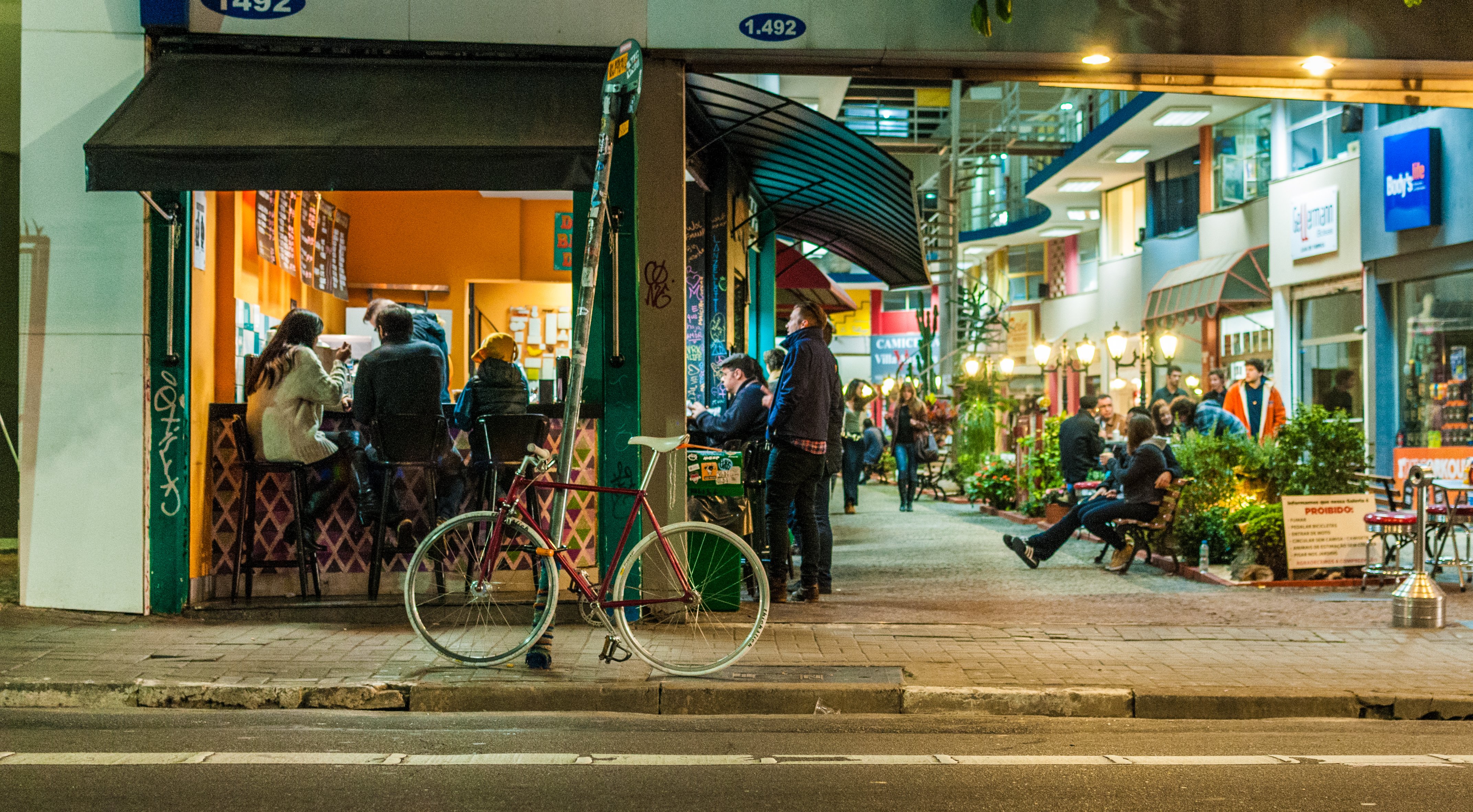
The central Centro and Praça da Sé hold the old colonial and early-20th-century city. South of here, Avenida Paulista runs along the ridge as the city's great thoroughfare, with the São Paulo Museum of Art (MASP) as centrepiece; it is the shared spine of the districts around it, and the vibe changes completely a few blocks to either side. North of the avenue, Consolação is the young, alternative quarter built around the Rua Augusta nightlife strip. South of it, Bela Vista holds Bixiga, the historic Italian neighbourhood of cantinas and theatres. Jardins just west of Paulista is the upmarket fashion-and-dining district, with Oscar Freire as its high street; Vila Madalena further on is boho bars and graffiti streets (the Beco do Batman is one of the better-known street-art alleys in the world). Vila Olímpia and Itaim are the newer money, with the towers of the financial district at the southwest edge.
São Paulo's food is genuinely exceptional. The city has the best Japanese food in Latin America (the Liberdade district for classic izakaya, D.O.M. and Maní for the fine-dining side). The Mercado Municipal downtown is the daily food market — try the oversized mortadella sandwich at Hocca Bar. And São Paulo is still the working capital of Brazilian cachaça and caipirinha; almost every restaurant does a respectable version.
There is no beach (the coast is 60 km away down the Serra do Mar) but the city has a serious art scene: MASP, the Pinacoteca, the Museu de Arte Contemporânea on the university campus, and the two-yearly São Paulo Bienal in Ibirapuera Park (founded 1951, second only to Venice).
Safety is a real concern — not at tourist-catastrophe levels, but Centro can feel rough after dark and robberies in traffic jams happen. Stick to the main neighbourhoods at night and use Uber instead of street taxis.