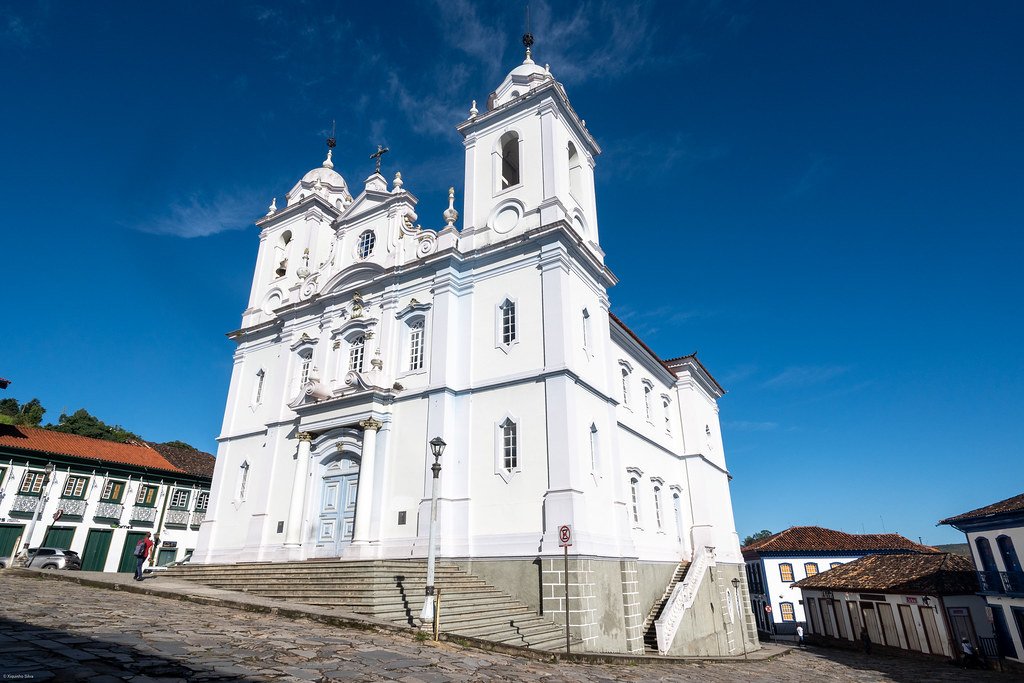
Diamantina is a UNESCO World Heritage town in the mountains of northern Minas Gerais, less visited than its famous neighbour Ouro Preto but arguably more rewarding for it. The town grew rich on diamond mining in the 18th century and has preserved its colonial centre remarkably well — steep cobbled streets, brightly painted houses with carved wooden balconies, and baroque churches tucked into every hillside.
The story of Diamantina is inseparable from Chica da Silva, an enslaved woman who became the companion of the diamond contractor João Fernandes de Oliveira and one of the wealthiest and most powerful figures in colonial Brazil. Her house still stands on Praça Lobo de Mesquita. The Casa de Juscelino Kubitschek, childhood home of the president who built Brasília, is another of the town's small museums.
The surrounding landscape is dramatic — the Serra do Espinhaço range, part of Brazil's oldest mountain chain, is a UNESCO Biosphere Reserve with cerrado vegetation, waterfalls, and hiking trails. The Caminho dos Escravos (Slave Road), a stone-paved path built by enslaved workers to transport goods, makes a fine half-day walk. Biribiri, a ruined textile village 12 km north of town, sits in beautiful scenery with natural swimming pools.
Diamantina has a strong musical tradition — serenatas (street serenades) happen on Saturday nights, when locals and visitors follow musicians through the old town. The Vesperata, a larger concert series held on the main square with musicians playing from the balconies above, draws crowds from across Minas Gerais.