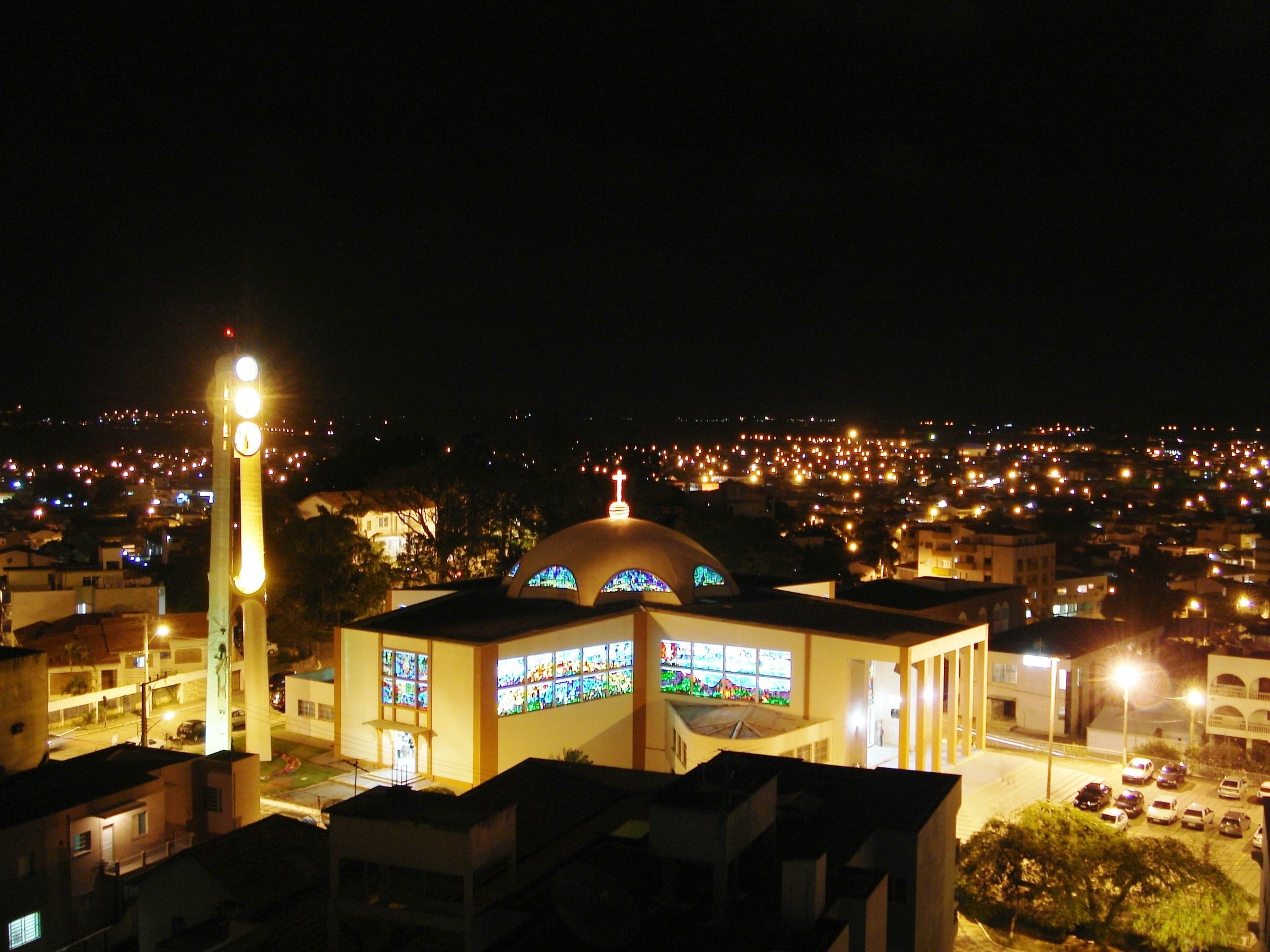
Tubarão sits between the mountains and the sea in southern Santa Catarina, about 130 kilometres south of Florianópolis. The city of around 90,000 people is a regional commercial centre with a strong Italian, German, and Azorean heritage. Most visitors come either for the thermal waters in nearby Gravatal or to take the Maria Fumaça steam train excursions along one of Brazil's last working heritage railways.
The Ferrovia Tereza Cristina, built in 1884 to carry coal from the interior mines to the coast, is the great historical fact of Tubarão's existence. The railway made the city wealthy, shaped its grid, and gave it a reason to grow. The Museu Ferroviário tells this story well, and the weekend steam excursions make it tangible. The other cultural anchor is the Museu Willy Zumblick — a remarkable collection of paintings by the city's most celebrated artist, who spent 70 years documenting the life and landscape of southern Santa Catarina.
Day trips go in several directions: the thermal spring resort at Gravatal (30 km north), the historic fishing city of Laguna (45 km south) with its connection to Garibaldi's campaigns, and the Serra do Rio do Rastro mountain road — 60 kilometres of switchbacks climbing from the coastal plain into the Serra Geral, with views that reach back to the Atlantic.