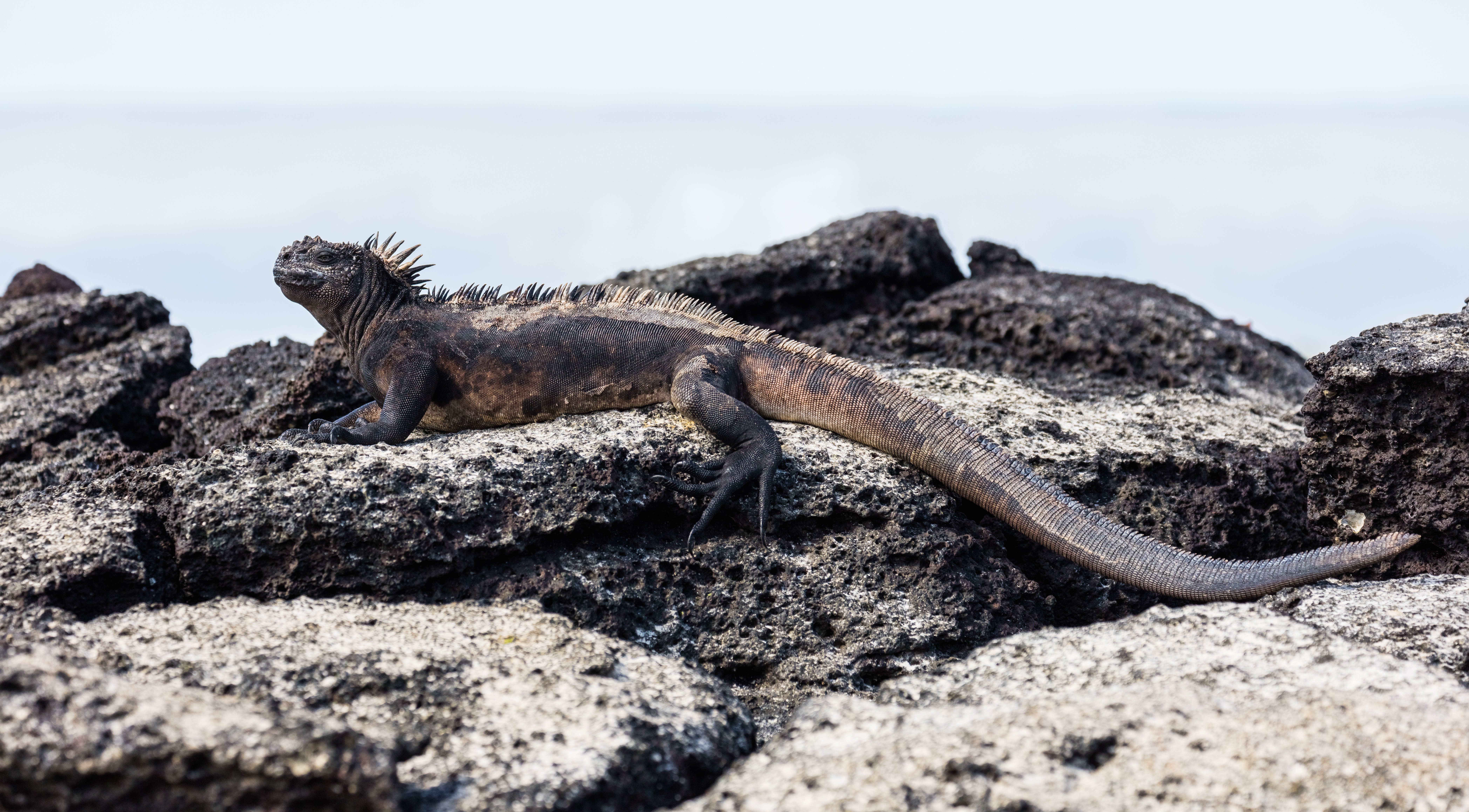
The Galapagos Islands sit roughly 1,000 kilometres off the coast of Ecuador in the Pacific, and they remain one of the most biologically extraordinary places on earth. Darwin visited in 1835 and found the wildlife here so strange and so fearless that it set him thinking about how species change over time. The animals still haven't learned to fear humans — you can walk within arm's reach of sea lions, marine iguanas, and blue-footed boobies without them showing the slightest interest in fleeing.
The archipelago consists of around 130 islands and islets, but only a handful are inhabited. Santa Cruz is the most visited, with the main tourist hub of Puerto Ayora. San Cristóbal is the administrative capital and has its own airport. The western islands of Isabela and Fernandina are larger and wilder, with active volcanoes and some of the best wildlife encounters in the entire archipelago. Puerto Baquerizo Moreno on San Cristóbal is where many visitors arrive first.
Most visitors explore by boat. The classic experience is a live-aboard cruise of four to fourteen days, calling at different islands each day. The visitor sites are regulated — you move in small groups with a licensed naturalist guide and stay on the marked trails. Day trips from Santa Cruz or San Cristóbal can reach many of the main sites without a live-aboard, but the outer islands require longer journeys. Either way, this is not a budget destination: the Galapagos entrance fee alone runs to $100 per person, and boat trips add substantially to that.
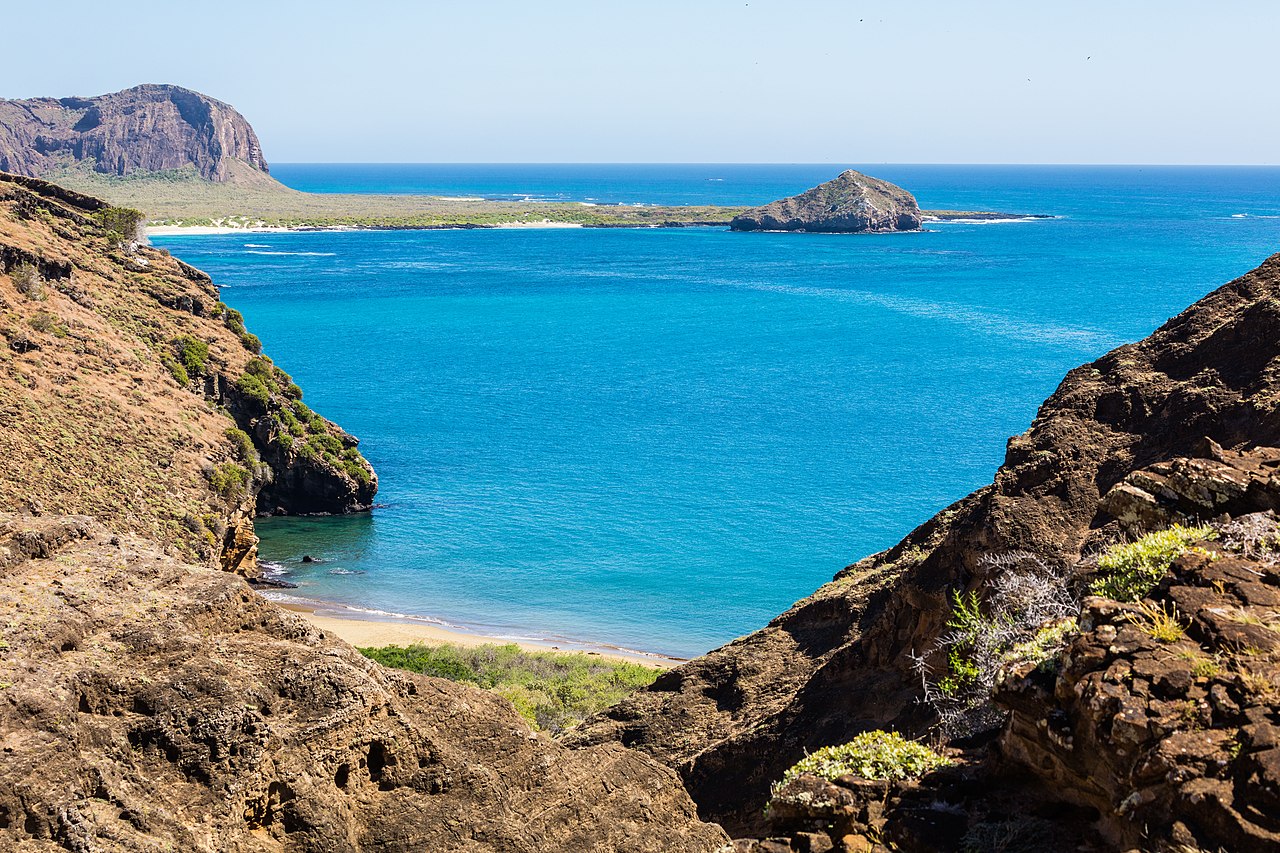
The wildlife draws most visitors, but the landscape itself is remarkable. Lava fields, volcanic craters, mangrove lagoons, and beaches of black or even greenish sand create an environment unlike anywhere else. Snorkelling here is exceptional — sea turtles, hammerhead sharks, penguins, and sea lions all share the water with you. Come prepared for the reality of a protected conservation zone: strict rules, limited visitor numbers at each site, and an emphasis on not disturbing the wildlife.