Villa Serrana
©
Villa Serrana

Villa Serrana

Planned Uruguayan hillside village of stone retreats, native forest, and granite outcrops in Lavalleja.

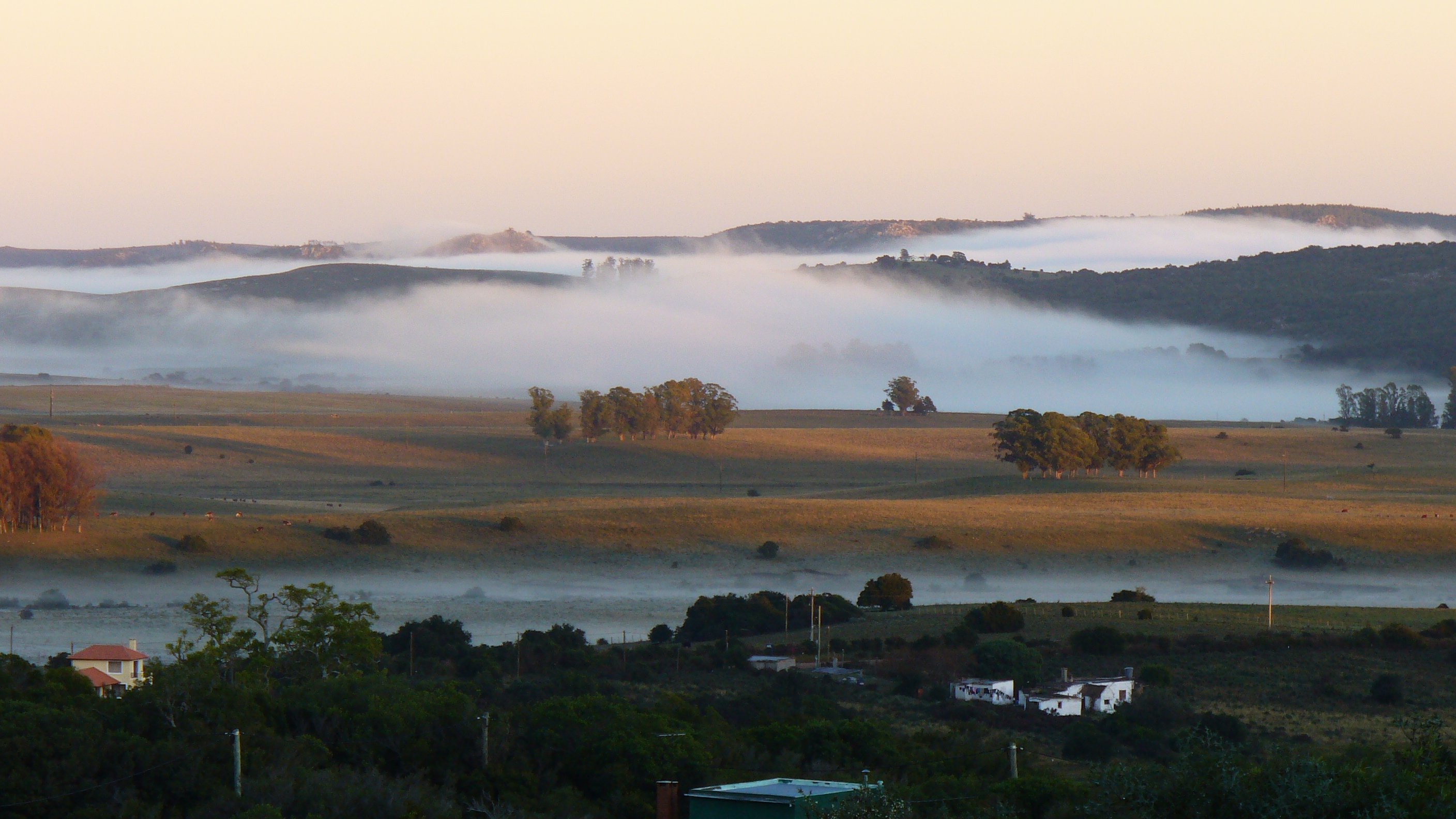
Villa Serrana is a small hillside village in the Lavalleja Department, about 145 km from Montevideo and 20 km beyond Minas. Built in the 1940s as a planned retreat in the Sierra de Carapé hills, the village was designed by architect Julio Vilamajó and blends organically into the rocky, wooded landscape — stone walls, low rooflines, and paths rather than streets.

The setting is unusual for Uruguay — hilly terrain with native forest, streams and granite outcrops, rather than the country's typical flat grasslands. The Baño de la India waterfall trail is the most visited walk, an easy half-hour path through forest to a rock pool. Cerro Arequita, a rocky hill with a cave system and archaeological traces of pre-Columbian occupation, is within a few kilometres. It is a good base for walking, birdwatching, and stargazing. Accommodation is limited, but the area is popular with campers and those looking for a quiet escape from the coast.

Guide

Activities

Villa Serrana is a handful of houses scattered across hills, and what there is to book is walking. Parque La Guarida is the organised version of it.

Guide

Getting There

Villa Serrana is 145 kilometres northeast of Montevideo, about two hours by car. The route goes via Minas — take Ruta 8 from Montevideo to Minas, then a secondary road north into the hills. The last stretch of road through the Sierra de Carapé is paved but winding.

There is no direct bus service to Villa Serrana. Buses from Montevideo's Tres Cruces terminal run regularly to Minas, where you can hire a remis (private car) to continue the 20 kilometres to the village. The remis journey takes about 30 minutes. If you are staying at one of the cabañas or posadas in the village, most will arrange a pickup from Minas.

Guide

Things to Do

Villa Serrana's appeal is almost entirely natural. The hills around the village offer hiking trails through native forest, along rocky streams, and up to viewpoints over the Sierra de Carapé. The Baño de la India waterfall trail is the most popular walk. Cerro Arequita, a few kilometres from the village, has a cave system and a distinctive silhouette on the horizon.

The area is quiet enough for birdwatching — over 150 species have been recorded in the Lavalleja hills — and the darkness of the sky at night makes it good for stargazing. The village itself is small enough to explore on foot in an hour. The real activity here is the landscape itself.