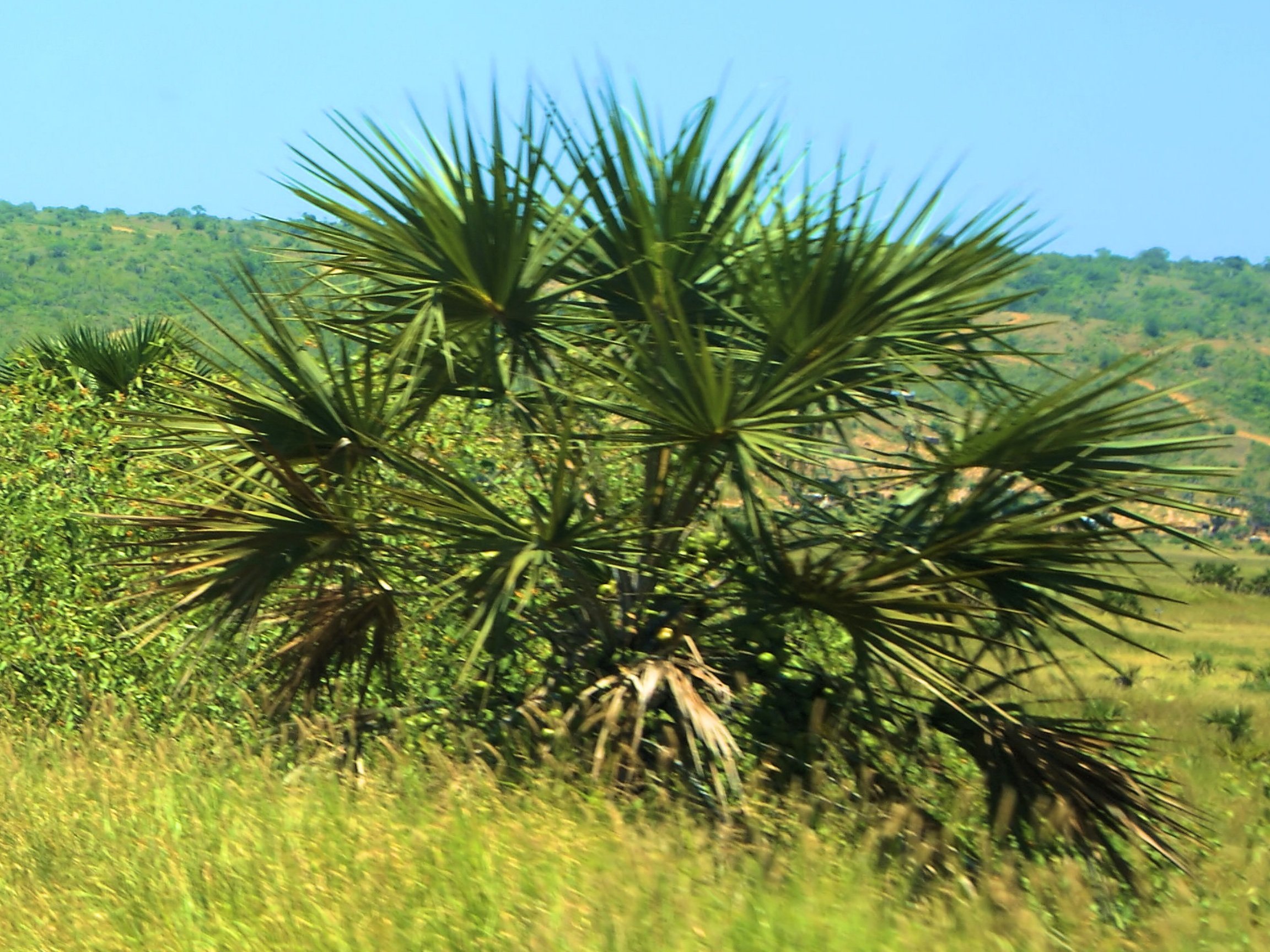
Kissama (Quiçama) National Park is Angola's most accessible big-game reserve, stretching south of the Kwanza River for some 9,600 square kilometres along the Atlantic coast. The park's northern boundary lies about 70 km south of Luanda, putting it in day-trip range of the capital. It covers a striking gradient of habitats — mangrove-lined river mouths, coastal savannah, dense miombo woodland, and stands of ancient baobabs — and forms the easiest wildlife experience for visitors to a country that remains difficult to travel in independently.
The park was devastated during the long civil war of 1975–2002. Elephants, the great hartebeest herds, and the buffalo were almost entirely poached out, the road infrastructure was ruined, and the rangers' camps were abandoned. From 2001 onwards a remarkable restocking programme called Operação Arca de Noé (Operation Noah's Ark) flew in elephants, zebras, eland and other game from Botswana and South Africa — the largest cross-border wildlife transfer ever attempted. The animals were tranquilised, crated, loaded onto Russian-built Ilyushin freighters, and released into the park. Two decades on, the herds have slowly re-established, though numbers remain a fraction of pre-war levels.
The infrastructure is basic: a few tracks, a single lodge at the entrance, and very little else. Game viewing is patchy — you may see elephants, you may see only baobabs — but the landscape itself is the reward. A 4x4 and a local guide are essential. Visit in the dry season (May to October) when the tracks are passable.