Angola is one of Africa's most striking and least visited countries. It has the oil wealth of a Gulf state, the colonial architecture of Portugal, the wildlife of East Africa, and the beaches of Brazil -- yet almost no tourists. Decades of civil war kept the country closed until 2002, and the aftereffects still shape the experience of traveling here. Infrastructure is improving fast, but Angola remains expensive, bureaucratic, and rough around the edges. That is part of its appeal.
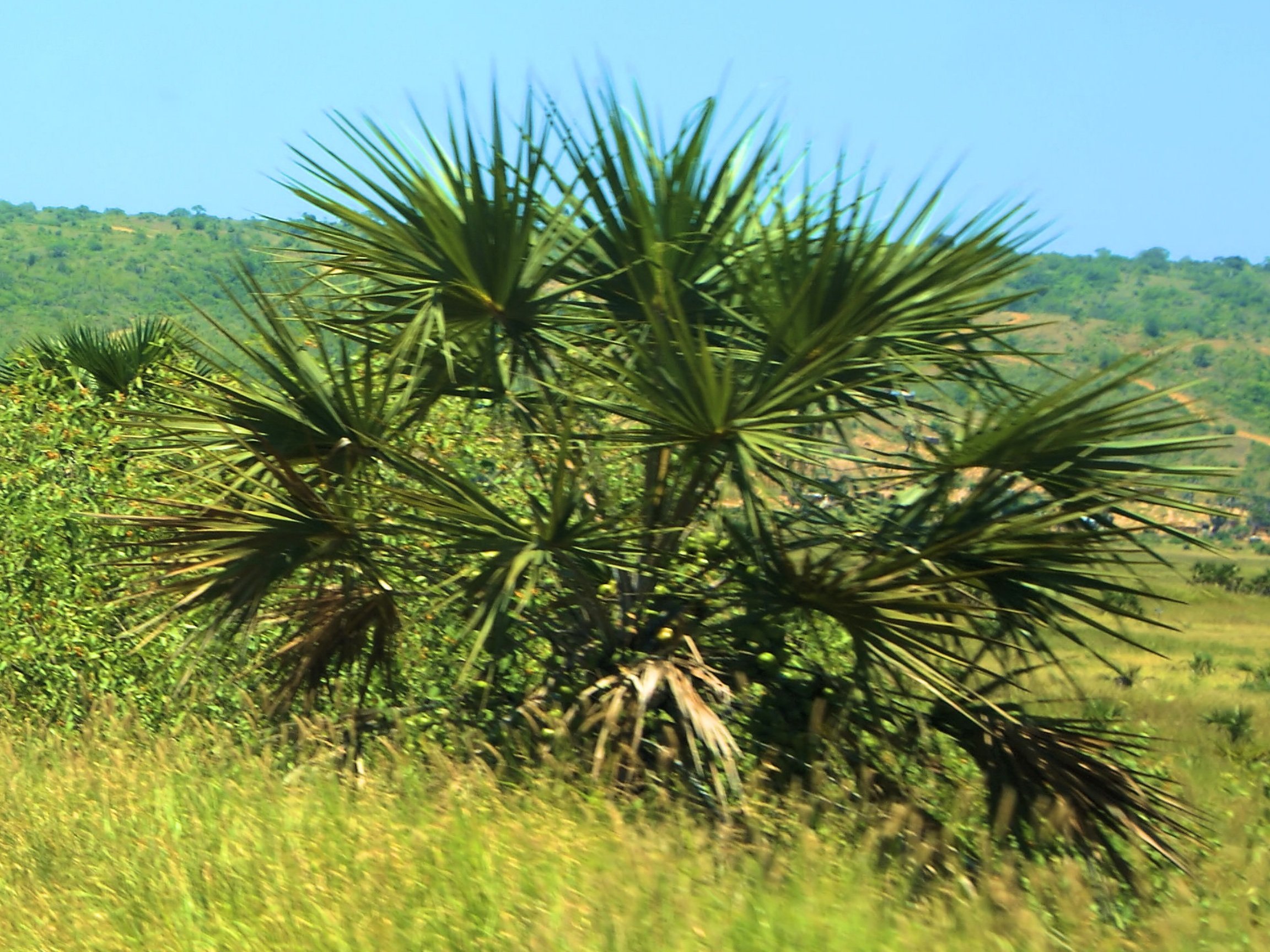
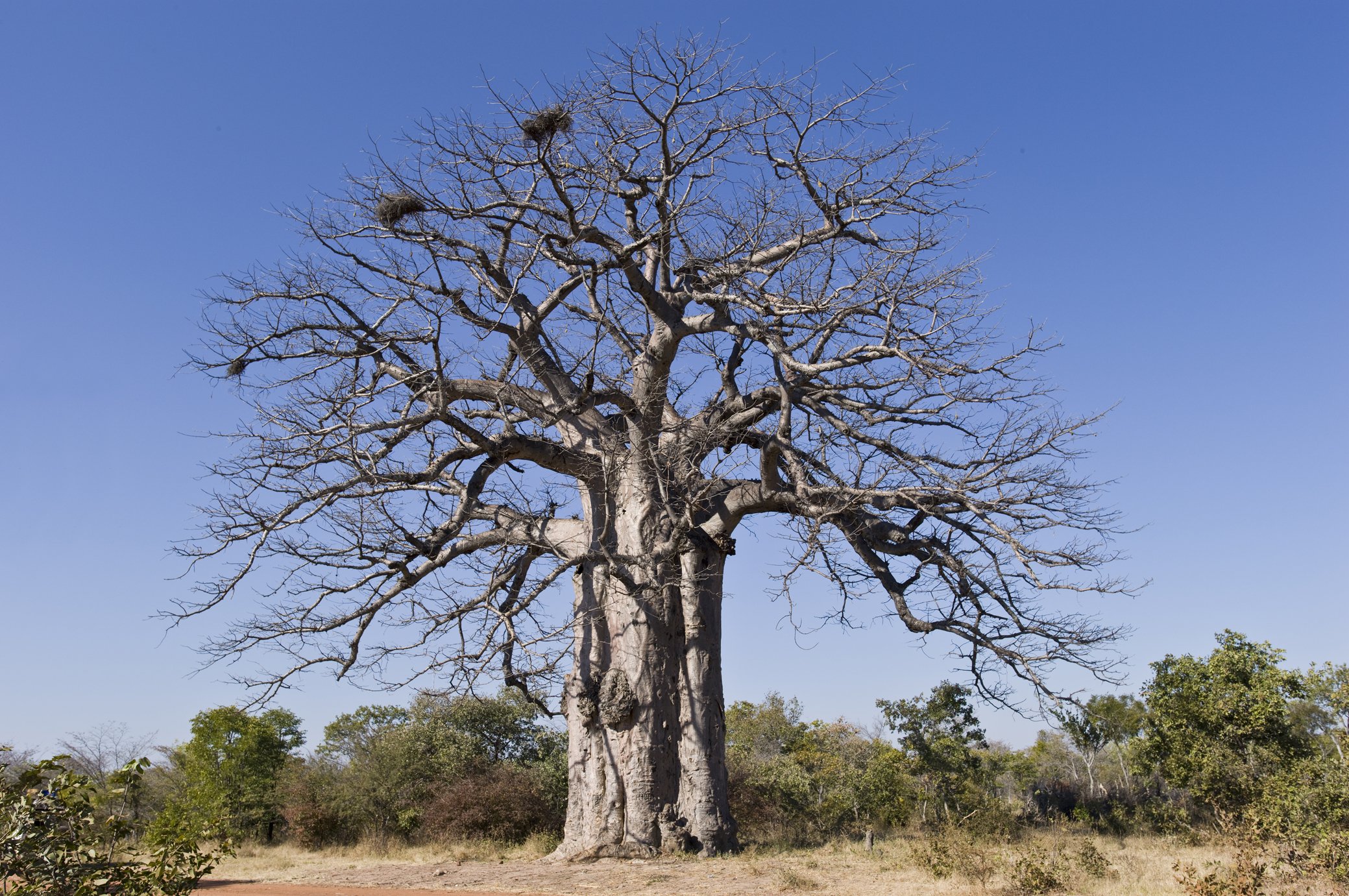
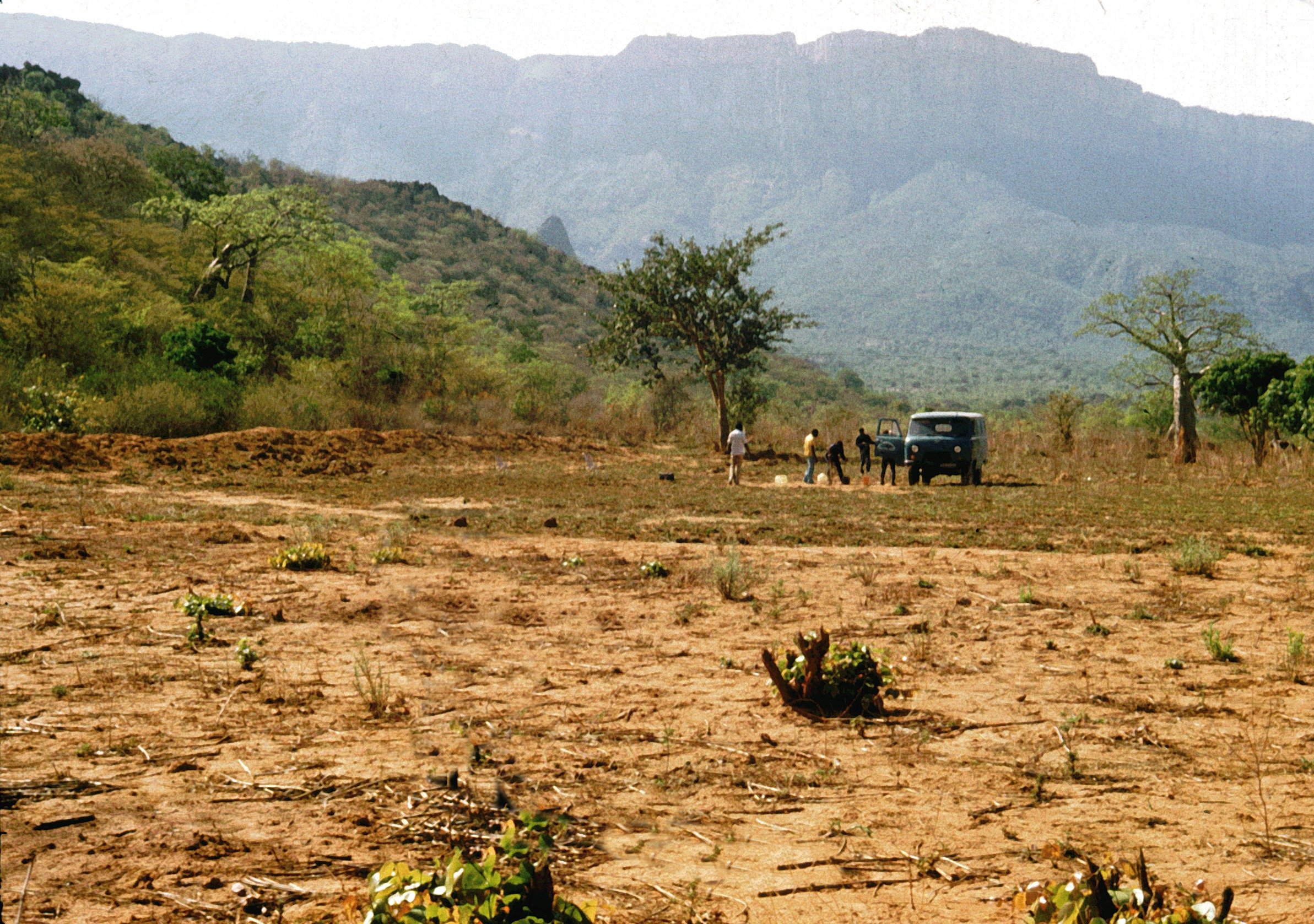
The country is enormous -- the seventh largest in Africa, bigger than France and Spain combined. From the steamy tropical north to the Namib Desert in the south, the landscape shifts dramatically. A narrow coastal plain gives way to a high inland plateau that covers two-thirds of the country, with peaks above 2,600 meters. The Kwanza River, Angola's longest, cuts through the interior on its way to the Atlantic.
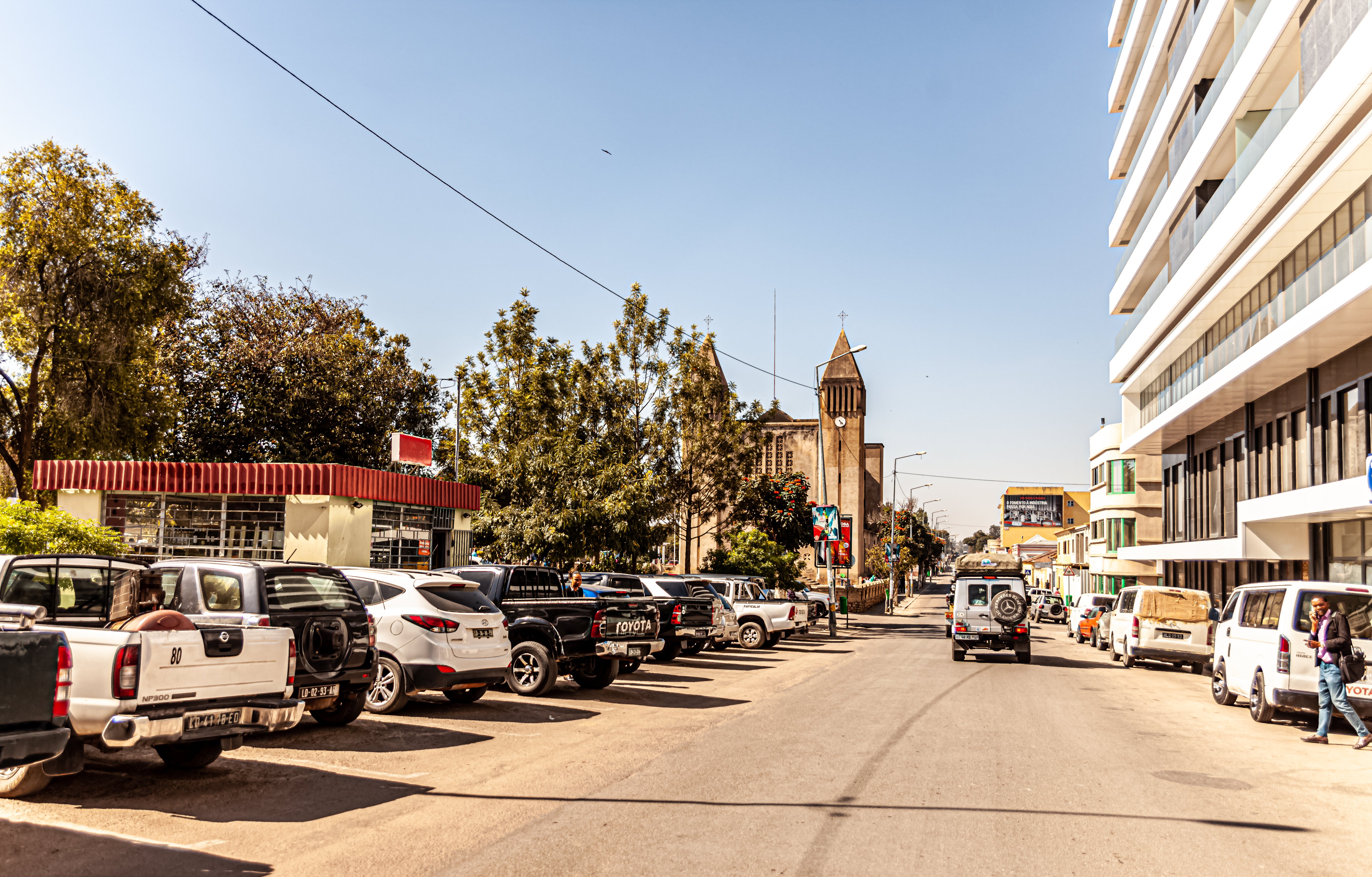
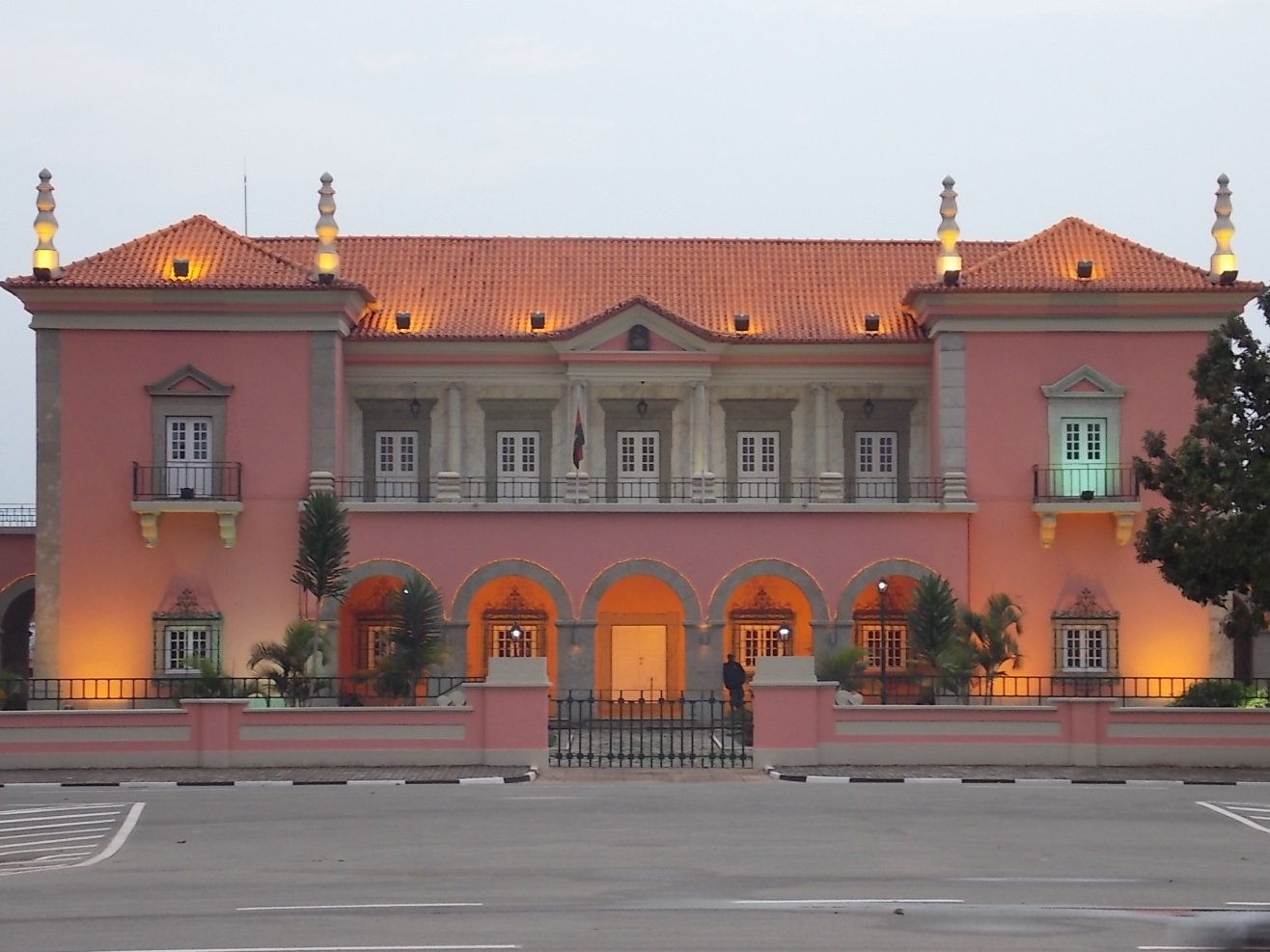
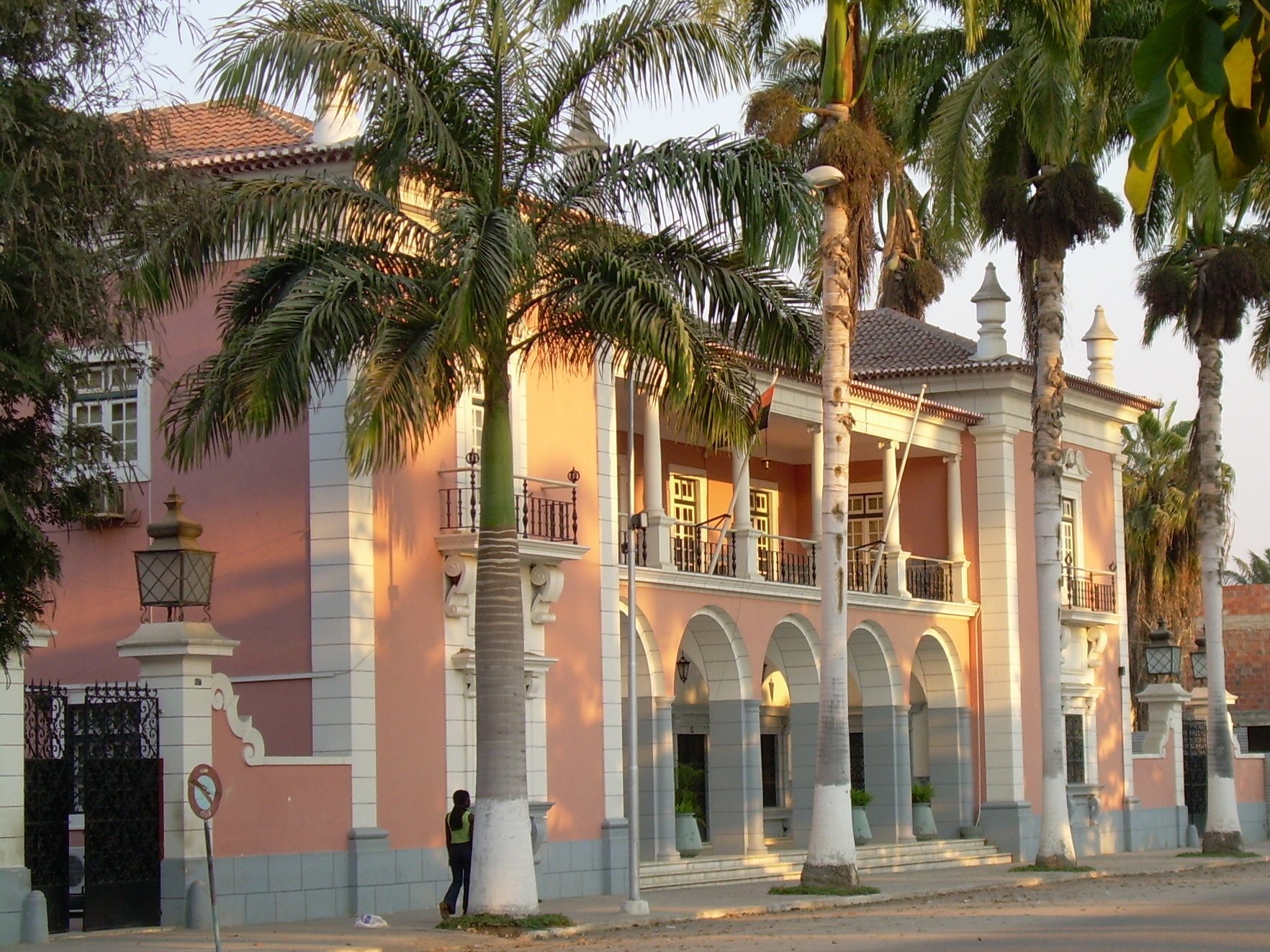
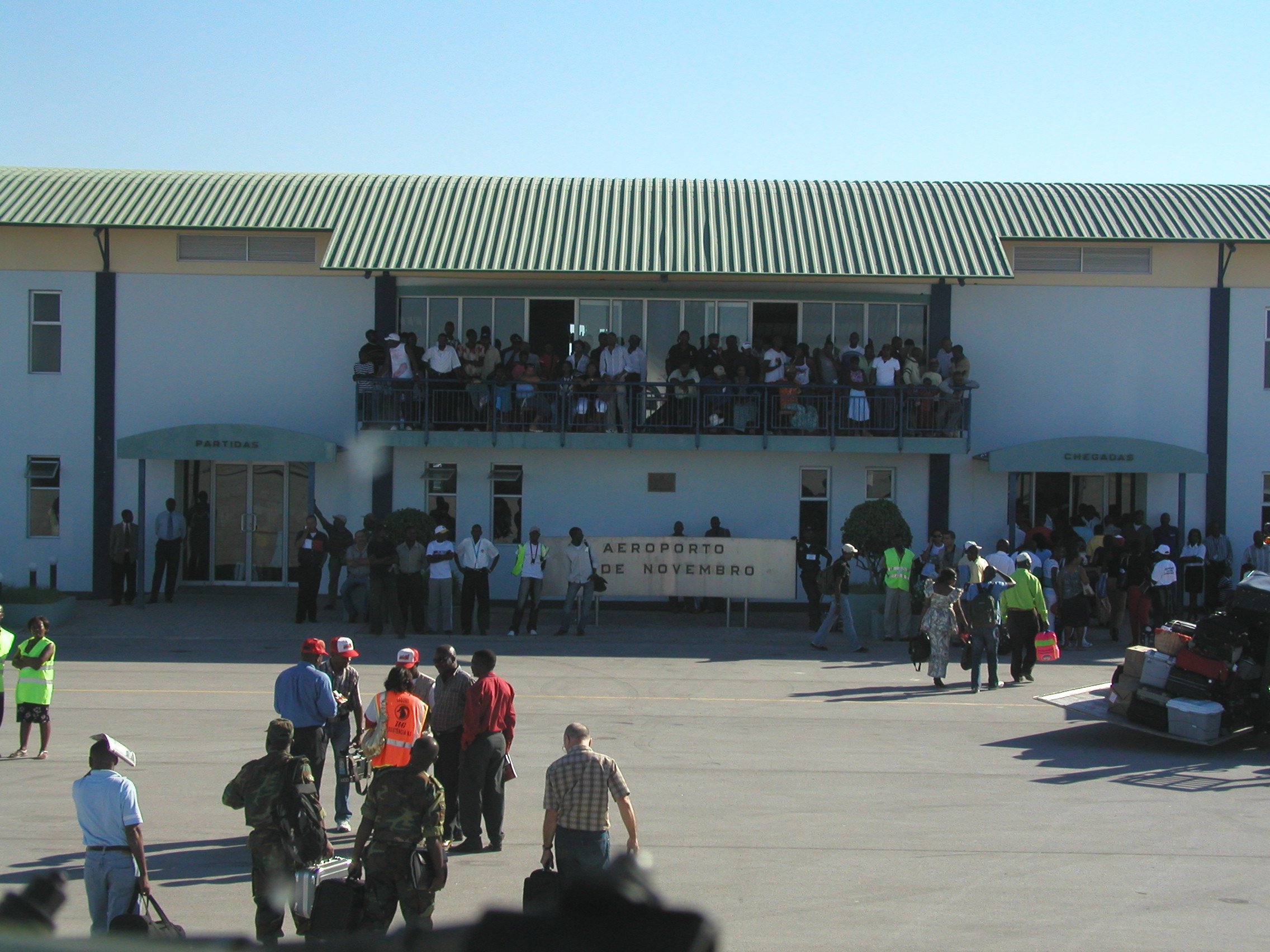
Luanda, the capital, is the entry point for most visitors. It is a sprawling, chaotic, expensive city with real energy -- crumbling colonial buildings alongside glass towers, rooftop bars overlooking the bay, and traffic that tests anyone's patience. The new Dr. Antonio Agostinho Neto International Airport, which opened in late 2024, is a massive upgrade from the old facility. South of Luanda, Kissama National Park is the country's only functioning game reserve, easily visited as a day trip.
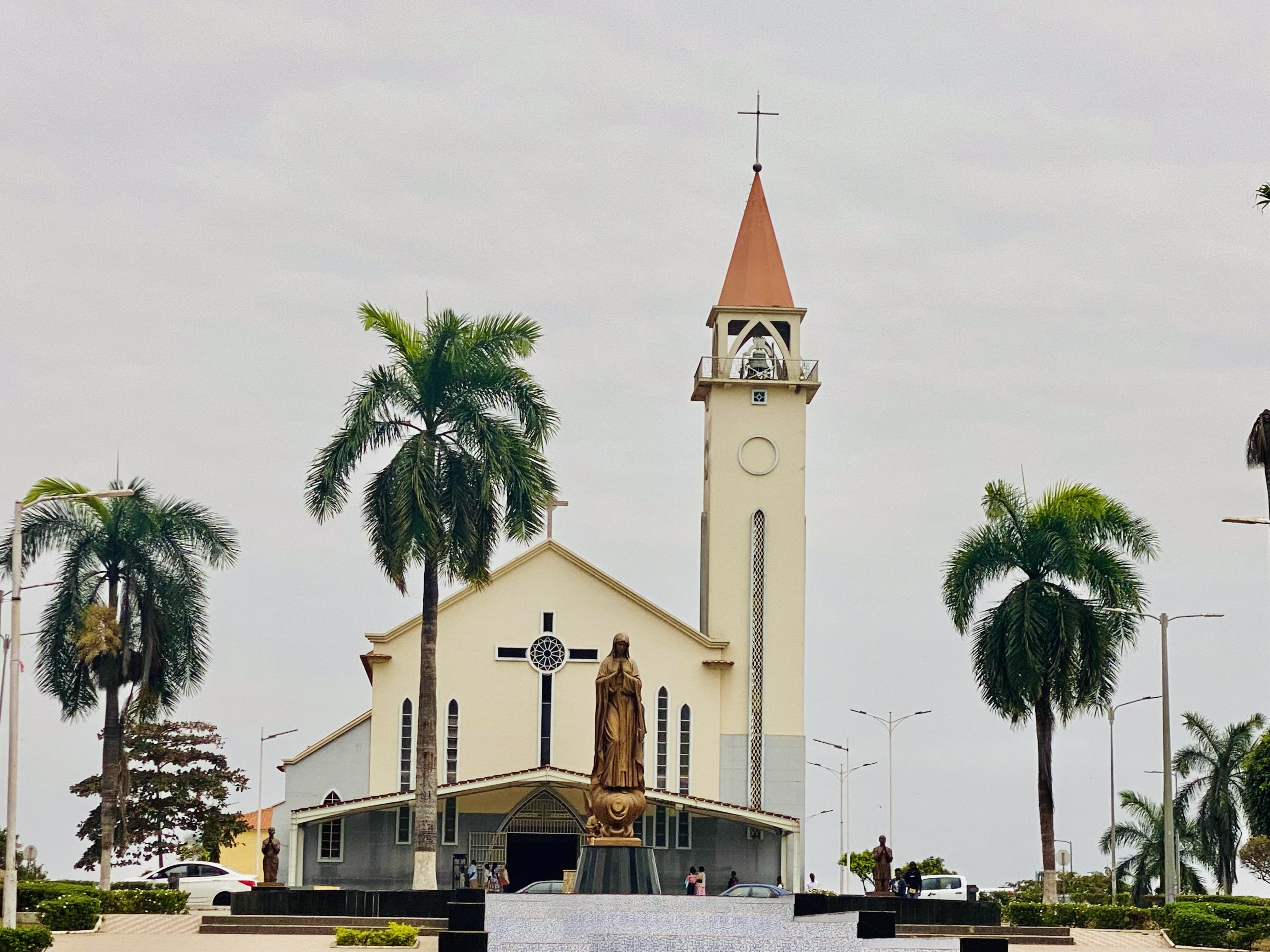
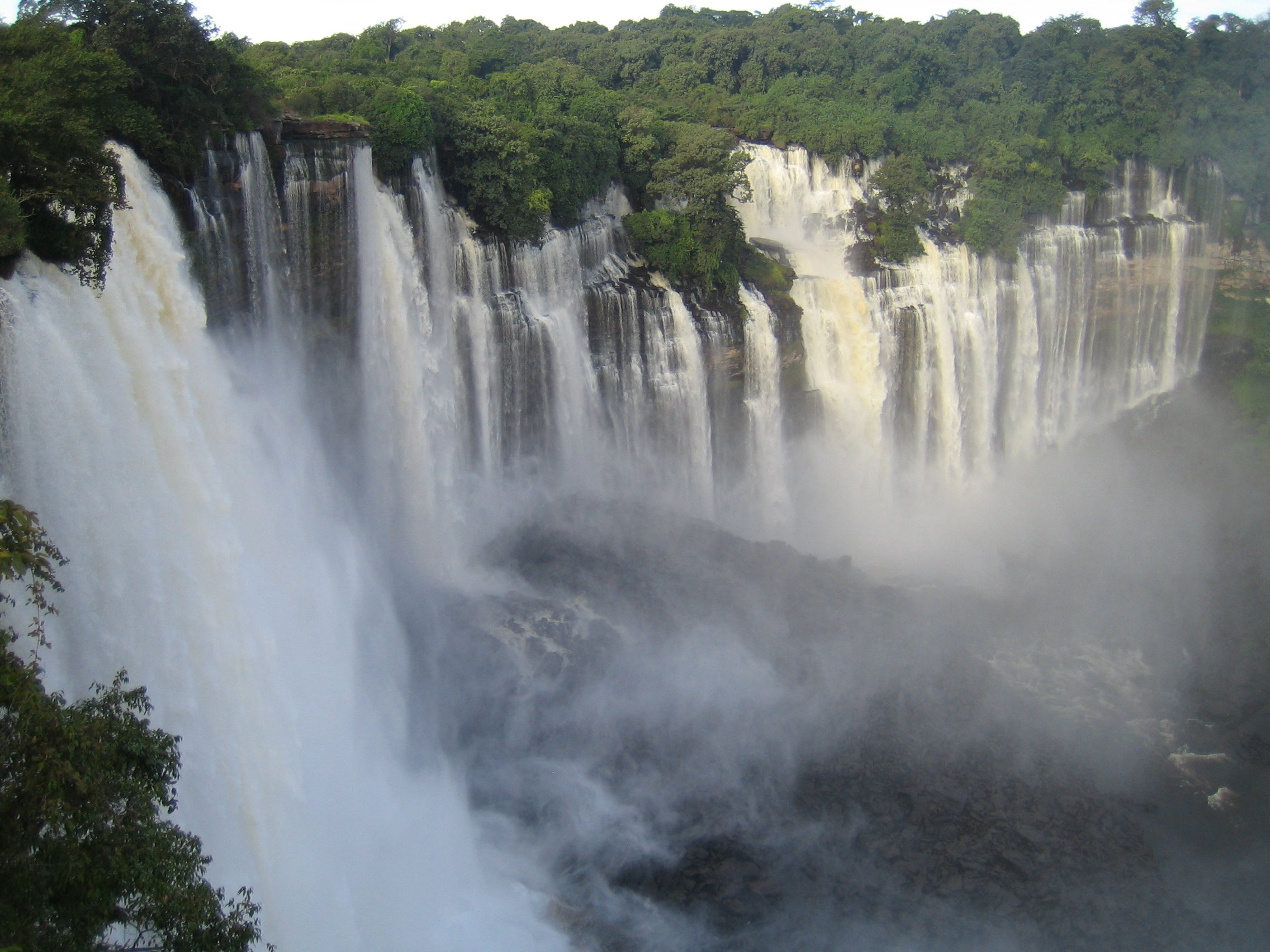
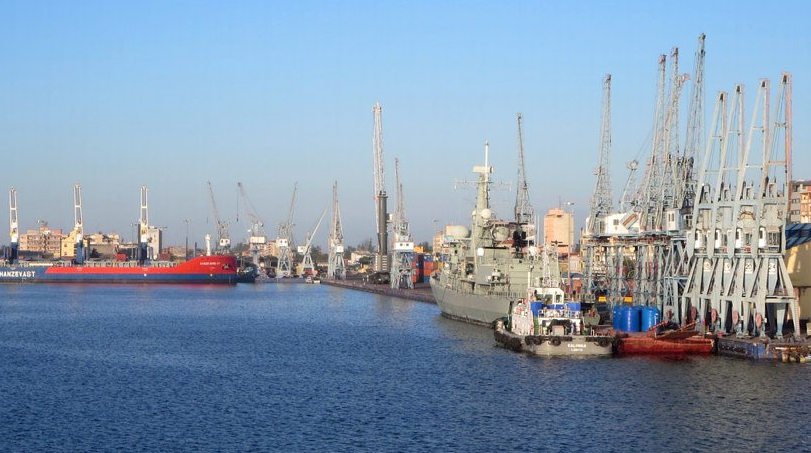
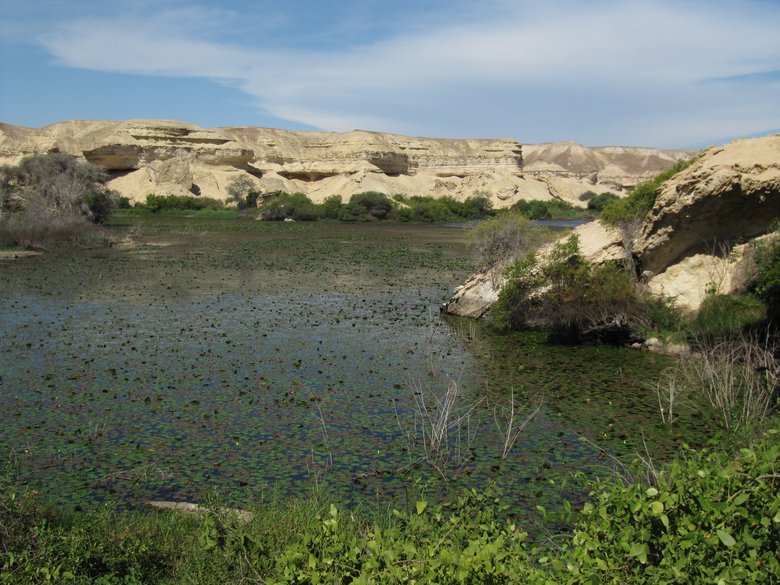
The coast south of Luanda is where Angola gets beautiful. Benguela and Lobito have fine colonial architecture and uncrowded beaches. Namibe province, where the sea meets the desert, has some of the most dramatic scenery in southern Africa. Inland, the Kalandula Falls near Malange are among the largest waterfalls in Africa by volume, plunging 105 meters in a curtain 400 meters wide.
The southern highlands around Lubango offer cooler temperatures and striking landscapes -- the Tundavala gap drops a sheer 1,000 meters to the plains below, and the Serra da Leba pass is one of the great mountain roads of Africa. Further south, Ondjiva sits near the Namibian border, and the remote province of Cunene is home to the semi-nomadic Mucubal and Himba peoples.
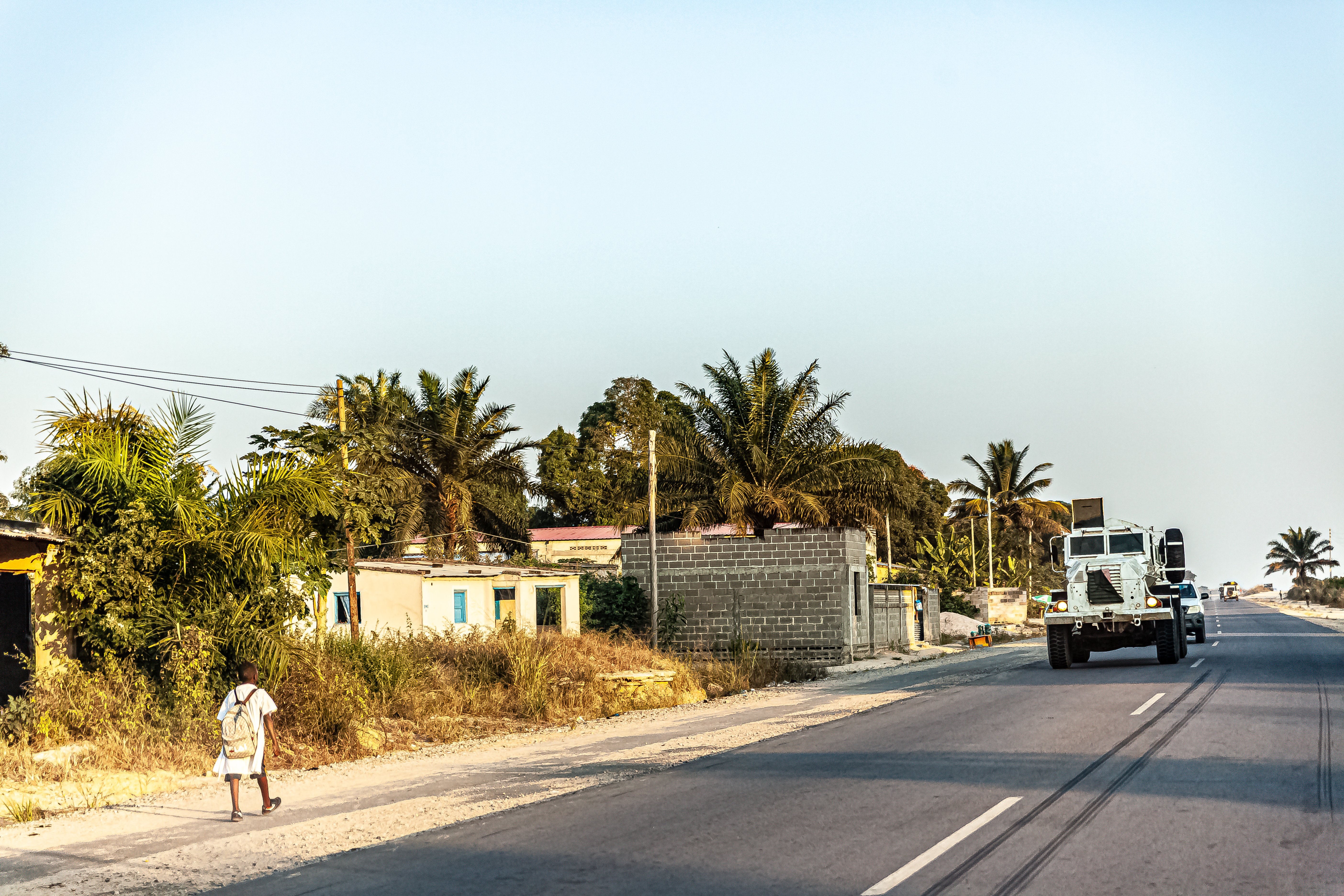
Angola is not easy travel. Hotels are expensive, roads outside major cities can be terrible, and the visa process requires patience. But for travelers who enjoy places that have not been smoothed out for tourism, Angola offers something rare: a large, diverse, culturally rich African country where you will have the sights almost entirely to yourself.