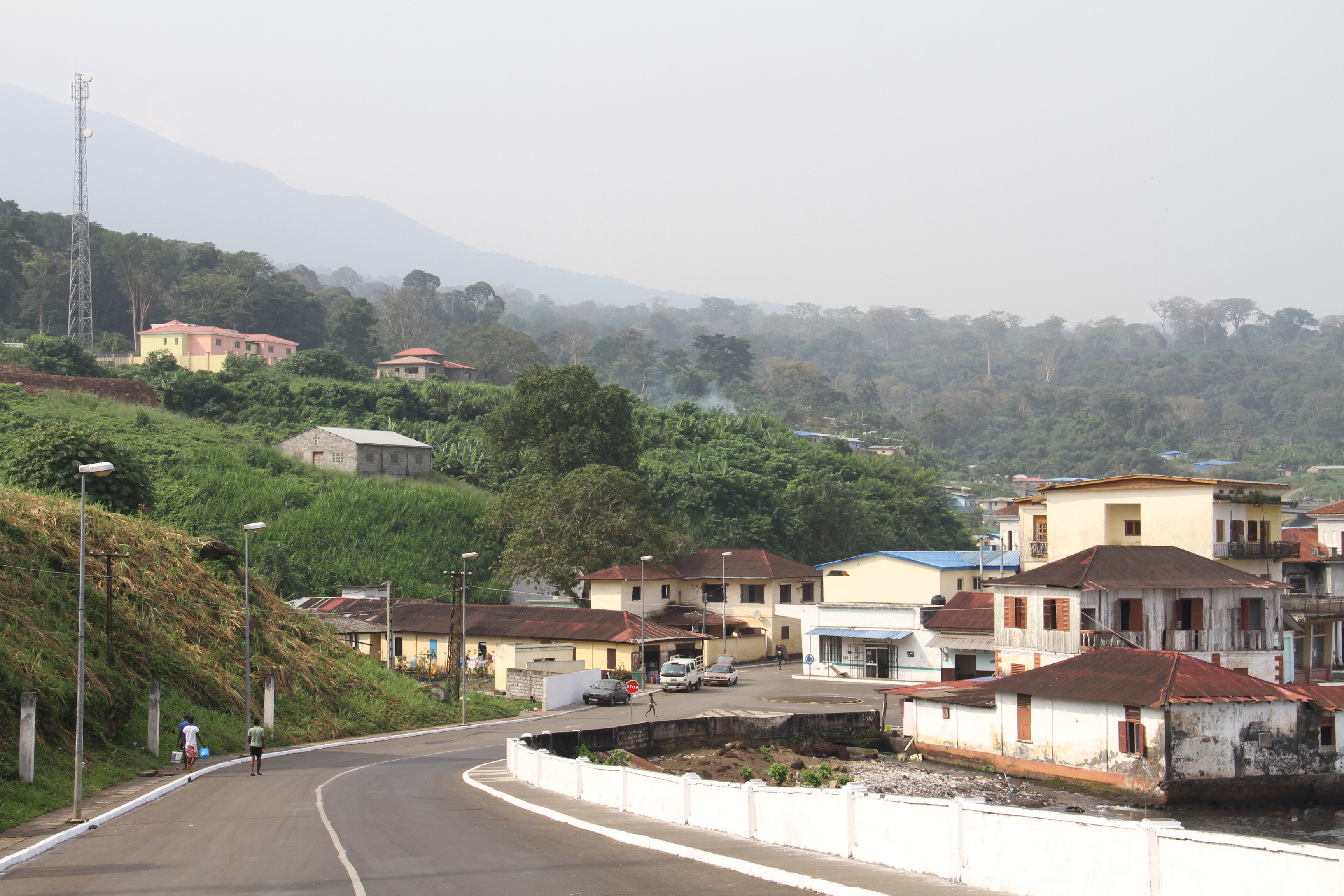
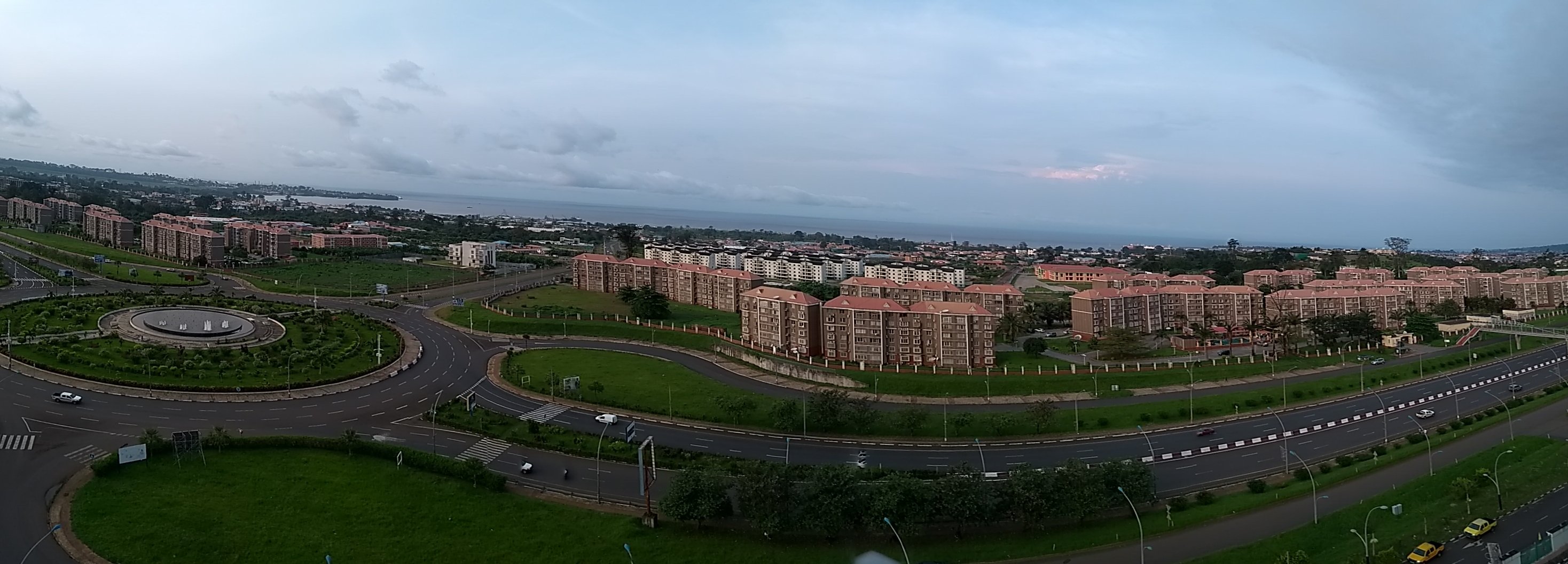
Equatorial Guinea is one of Africa's smallest and least-visited countries, and one of its most unusual. It is the only country in continental Africa where Spanish is the official language — a legacy of three centuries of Spanish colonial rule — and it is also the only country in Africa straddling both an island and a mainland portion. The island of Bioko, in the Gulf of Guinea, holds the capital Malabo and most of the population. The mainland section, Rio Muni, is covered in dense equatorial rainforest.
The discovery of offshore oil in the 1990s transformed the economy almost overnight. Equatorial Guinea became one of sub-Saharan Africa's largest oil producers, and the money reshaped Malabo and the mainland capital Bata with new roads, government buildings, and a small wealthy elite. But the wealth has not spread widely, and the country remains under the long-running rule of President Obiang, who took power in a coup in 1979. Visas are difficult to obtain and the bureaucracy is formidable, which keeps independent travel to a trickle.
For those who make it in, the rewards are real: Bioko's cloud forests shelter rare primates including drill monkeys, giant forest hogs, and the dense tropical interior of Rio Muni. The island of Annobon, a remote volcanic speck 500 km to the southwest, is one of the most isolated inhabited islands in Africa. Luba on Bioko's southern coast offers leatherback turtle nesting beaches and exceptional biodiversity.