Malabo
©
Malabo

Malabo

Equatorial Guinea capital on Bioko Island, framed by Pico Basile and Spanish colonial streets.

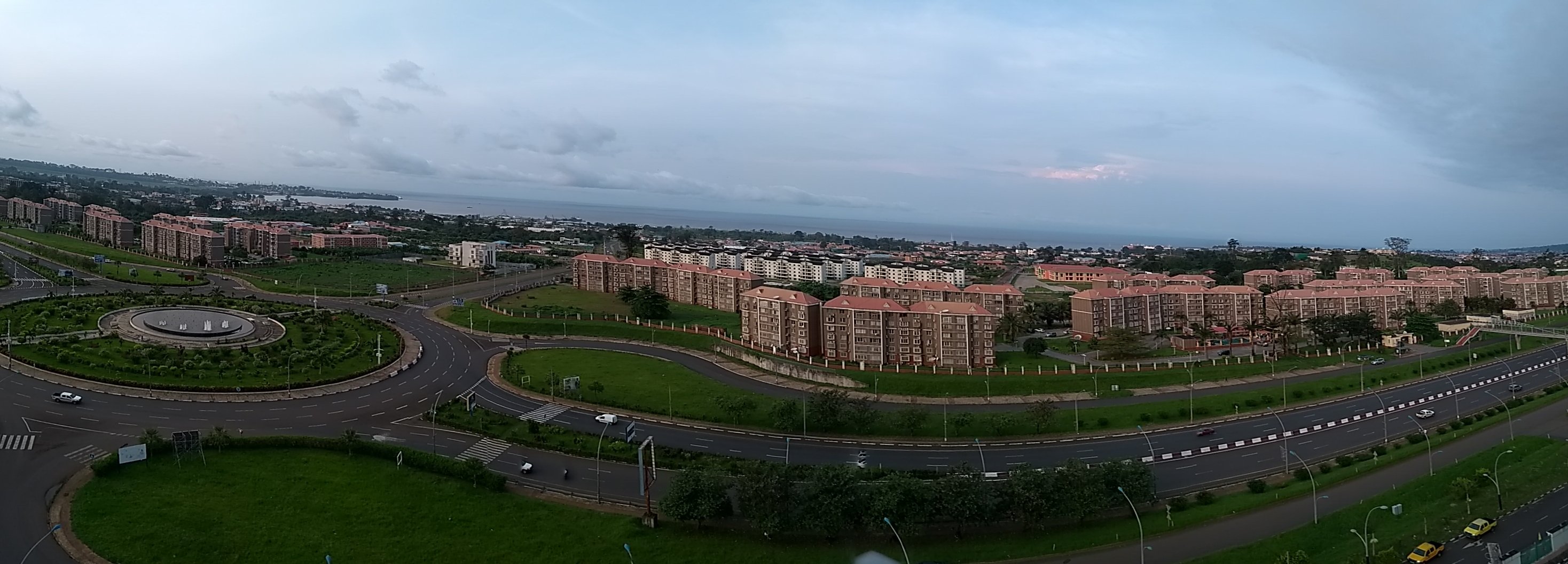
Malabo is the capital of Equatorial Guinea, set on the northern tip of Bioko Island between the cloud-capped peak of Pico Basile and the open waters of the Gulf of Guinea. It is one of the smallest and least-visited capitals in Africa — and one of the wealthiest on paper, thanks to offshore oil revenues that have transformed the skyline but done little for most of the population.

The city has real character in its older quarters. St. Elizabeth's Cathedral and the colonial-era streets around the Plaza de la Independencia reflect Spanish rule and the upheavals that followed independence in 1968. The Malabo Market is the best place to observe daily life. The infrastructure has improved dramatically since oil money began flowing in the 1990s, but Malabo remains expensive and bureaucratically complicated for independent travellers.

A trip to Luba or even Riaba is absolutely worthwhile. It gives an impression of the island's scenery that the capital cannot. The road south to Riaba passes through banana plantations and the green Moka Valley with its crater lake — the most rewarding drive on the island.

Guide

Eating Out

Dining options in Malabo are limited but improving. A handful of restaurants serve a mix of local and international food — Lebanese, Spanish, and Cameroonian cuisines are all represented. Prices are high by African standards, reflecting the oil-boom economy.

Guide

Getting Around

The city is small enough to walk in the centre, though the heat and humidity make this tiring. Shared taxis (shared minibuses known as bush taxis) run fixed routes at fixed fares and are the main form of public transport. Agree on a price before getting in a regular taxi, as meters are not used and foreigners are routinely overcharged.

Car hire is available but expensive. The road network on Bioko Island is reasonable by Central African standards — the coastal road south to Luba and east toward Riaba is paved and manageable in a regular vehicle, making independent day trips feasible for those with the budget to hire a car.

Guide

Getting There

Malabo is served by Malabo International Airport (SSG), which receives scheduled flights from Madrid (Iberia, Ceiba Intercontinental), Addis Ababa (Ethiopian Airlines), and several West and Central African cities including Douala, Lagos, and Libreville. Air connectivity is poor relative to the country's oil wealth — book well in advance as flights are infrequent and often full.

There are also ferry connections to Bata on the mainland of Equatorial Guinea, though the service is irregular and the crossing can be rough. The ferry is the main way locals travel between the island and the continent. Do not rely on it for fixed-date connections.

Guide

Things to Do

Malabo is a small city with limited tourist infrastructure, but it has real character for those who seek it out. The colonial-era architecture along the waterfront reflects Spanish rule, and St. Elizabeth's Cathedral is the most impressive building in the city centre. The Malabo Market is the best place to observe everyday life. For context on the country's troubled recent history, the notorious Black Beach Prison looms on the edge of the city — not a tourist attraction, but an unavoidable presence.

Day trips to the slopes of Pico Basile, the highest peak in Equatorial Guinea, are possible for those with transport and a local guide. The road south toward Riaba passes through banana plantations and the green Moka Valley with its crater lake — the most scenic drive on the island.