Eritrea is one of the least visited countries in Africa, and one of the most rewarding for travelers who make the effort. This small nation on the Horn of Africa, wedged between Sudan, Ethiopia, and Djibouti along the Red Sea coast, gained its independence in 1993 after a thirty-year war. That struggle shaped everything about the place -- the national character, the infrastructure, the politics, and the way Eritreans relate to outsiders, which is with remarkable warmth.
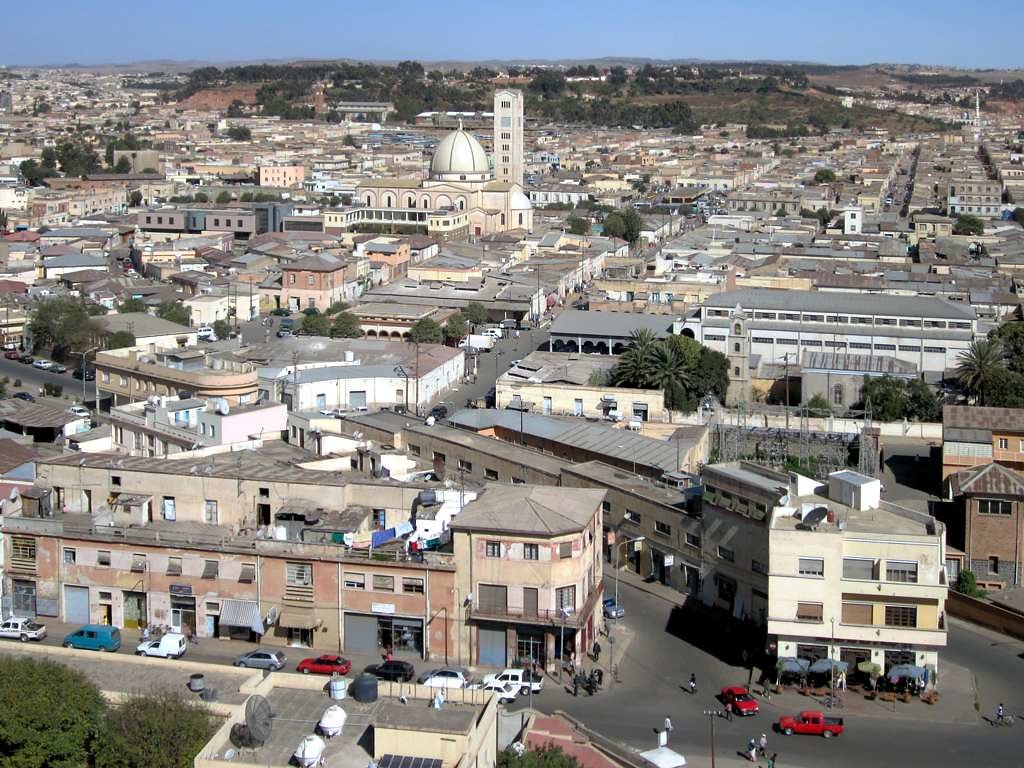
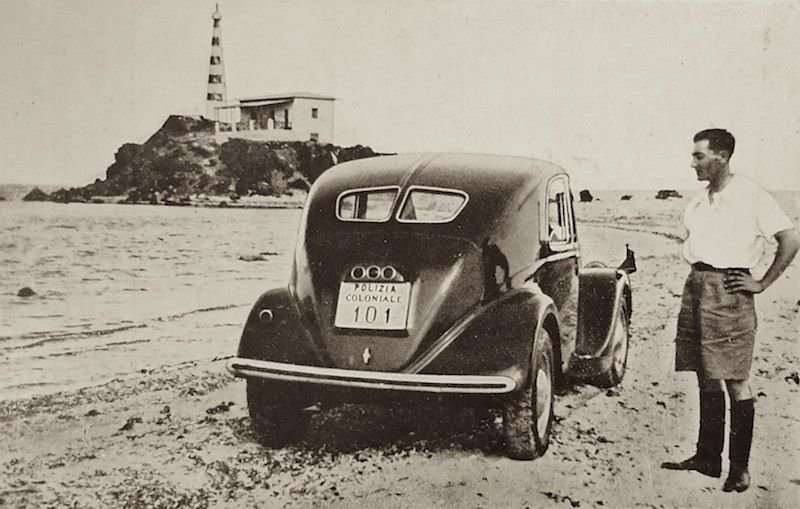
The star of the show is Asmara, one of the most surprising capitals in Africa. Built by Italian colonists in the 1930s, it is a UNESCO World Heritage Site and an open-air museum of Art Deco, Futurist, and Rationalist architecture -- a modernist city frozen in time at 2,350 meters above sea level. The climate is perfect, the streets are clean and safe, the coffee is superb, and the pace of life is gentler than almost anywhere on the continent.
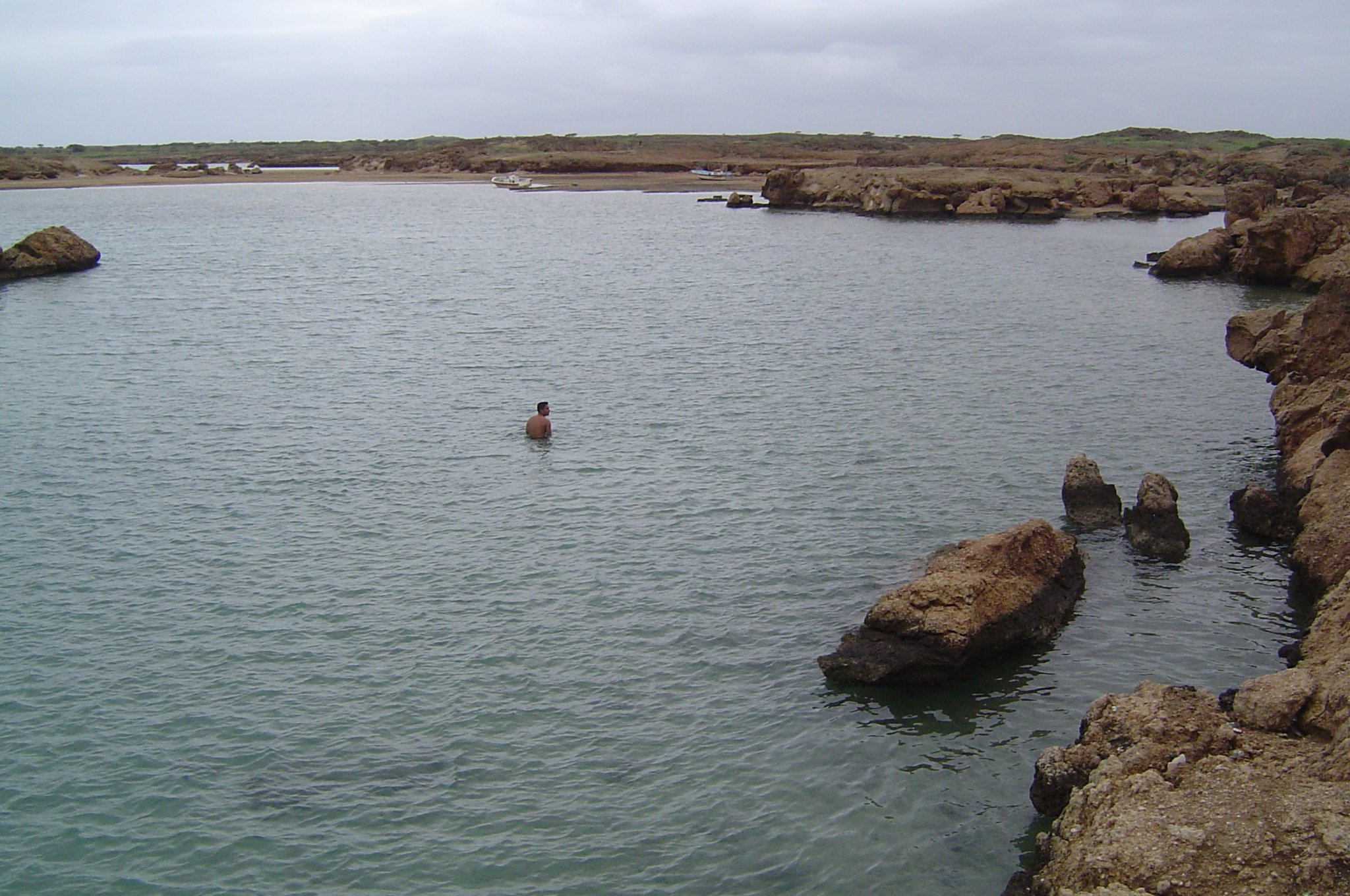
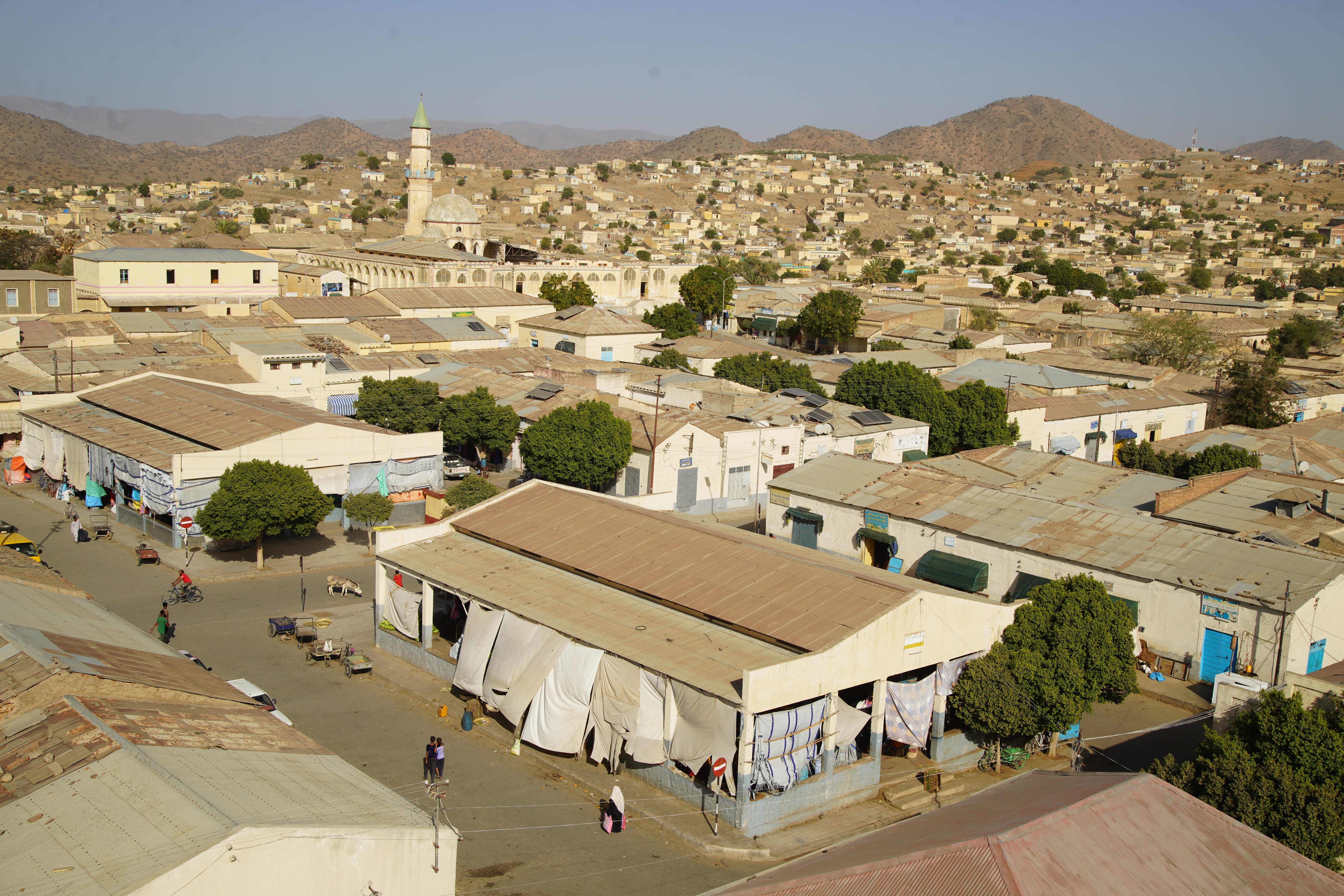
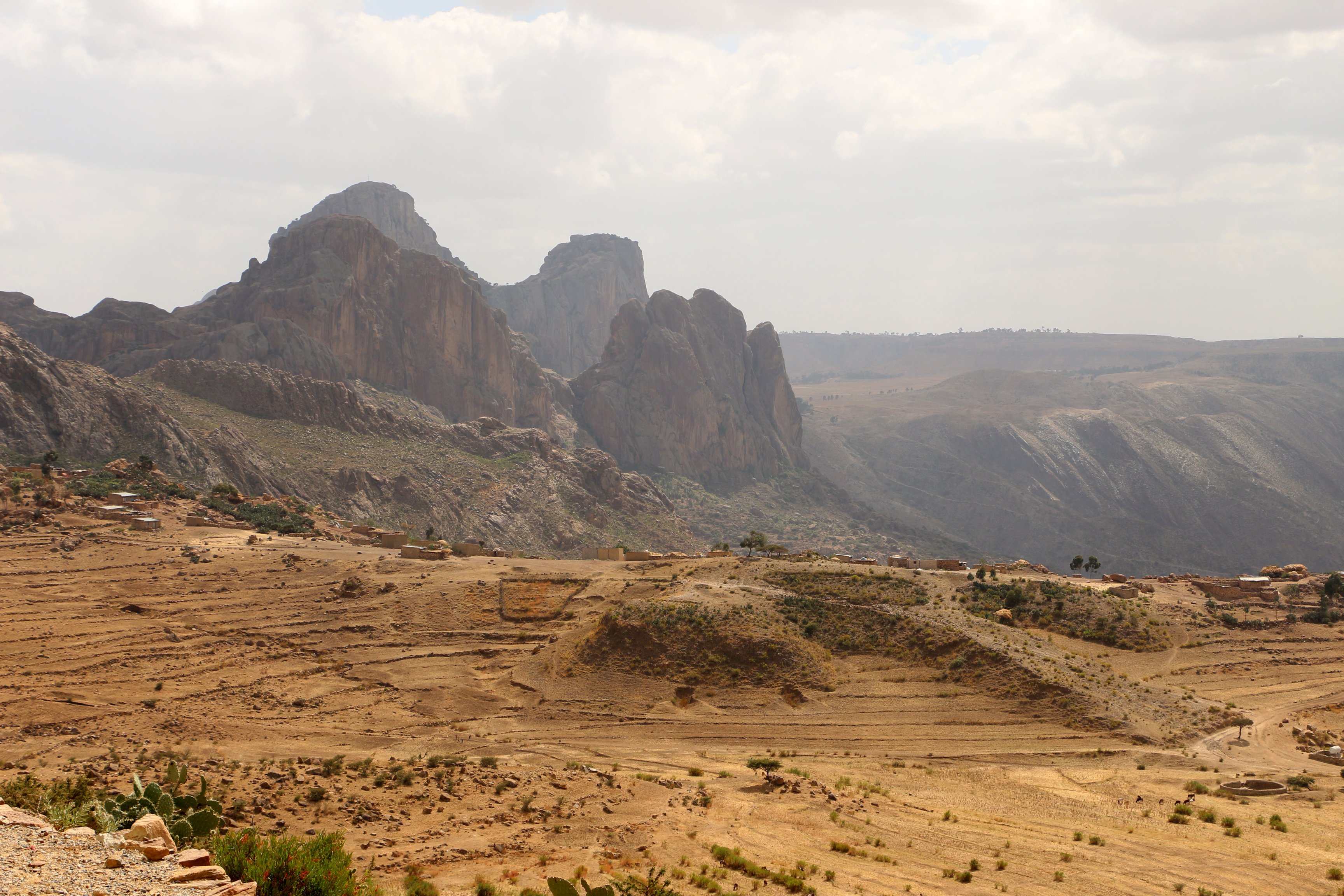
From Asmara, the country unfolds in dramatic contrasts. Drop down to the Red Sea coast and you reach Massawa, a crumbling port city with Ottoman and Egyptian architecture, blistering heat, and access to the Dahlak Islands -- an archipelago of over 200 islands with pristine diving and almost no tourists. Head northwest to Keren, a relaxed market town known for its Monday camel market and a Catholic shrine built into a 500-year-old baobab tree. South of Asmara, Senafe is the gateway to Eritrea's pre-Aksumite archaeological sites at Metera and Qohaito, some of the oldest ruins in the Horn of Africa.
You need to know what you are getting into. Eritrea is ruled by an authoritarian government with no free press, no elections since independence, and mandatory national service that has driven hundreds of thousands into exile. Travel outside Asmara requires permits from the Ministry of Tourism. Internet is extremely limited, international credit cards do not work, and ATMs will not accept foreign cards -- you must bring cash. None of this makes the country dangerous for visitors, but it does make it unusual. You will be struck by how safe and orderly everything feels, and you may find the contrast with the political reality unsettling.
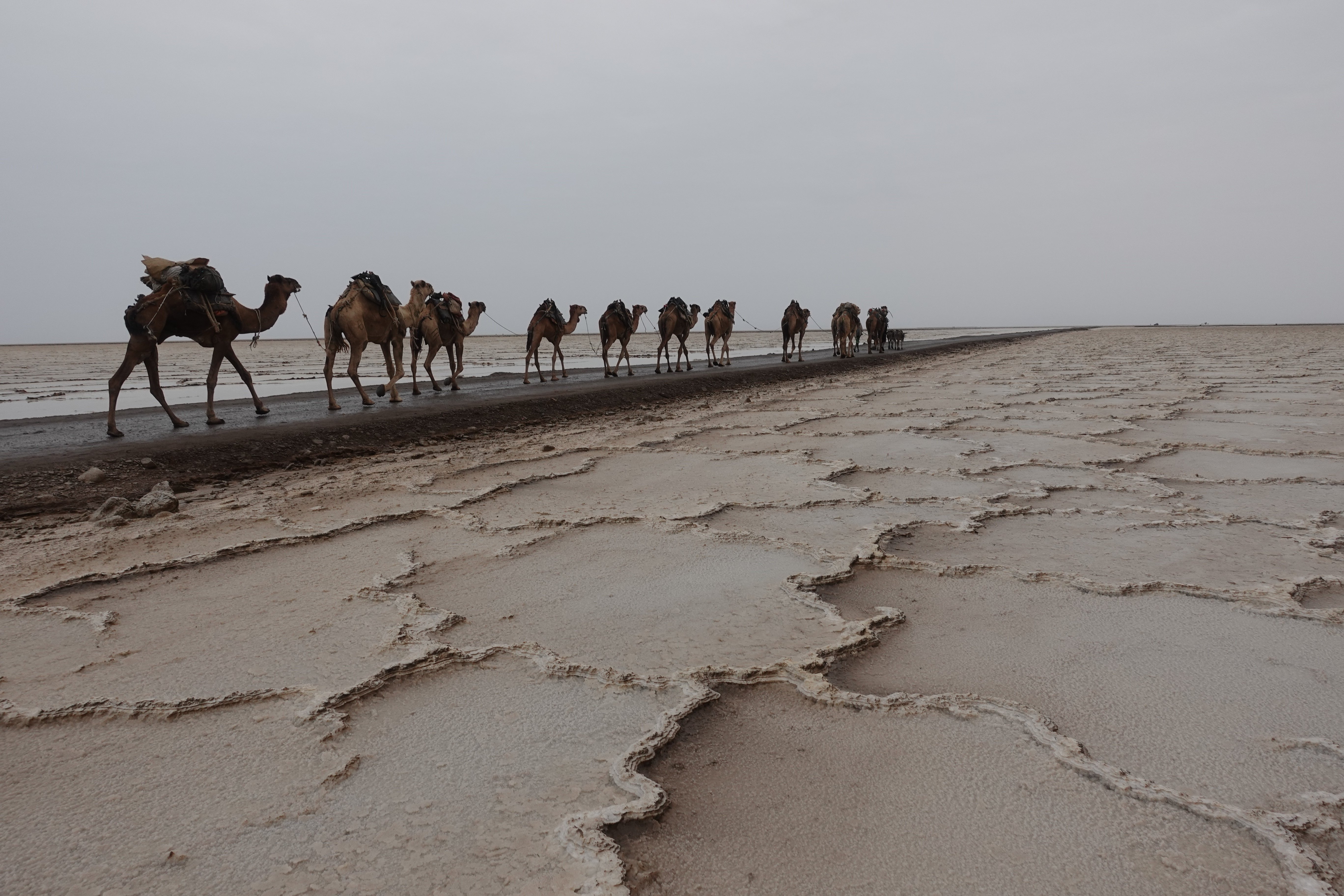
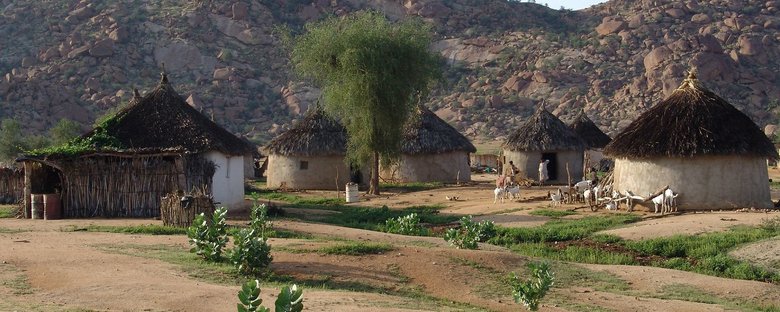
Eritrea rewards travelers who are patient, curious, and comfortable with limited infrastructure. The food is wonderful, the people are genuinely welcoming, and the landscapes -- from the highland plateau to the Danakil Depression, one of the hottest places on earth -- are extraordinary. Very few tourists come here. That is part of what makes it special.