Dahlak Islands
©
Dahlak Islands

Dahlak Islands

Red Sea archipelago off Eritrea, known for coral reefs, sandy islands, and long trading history.

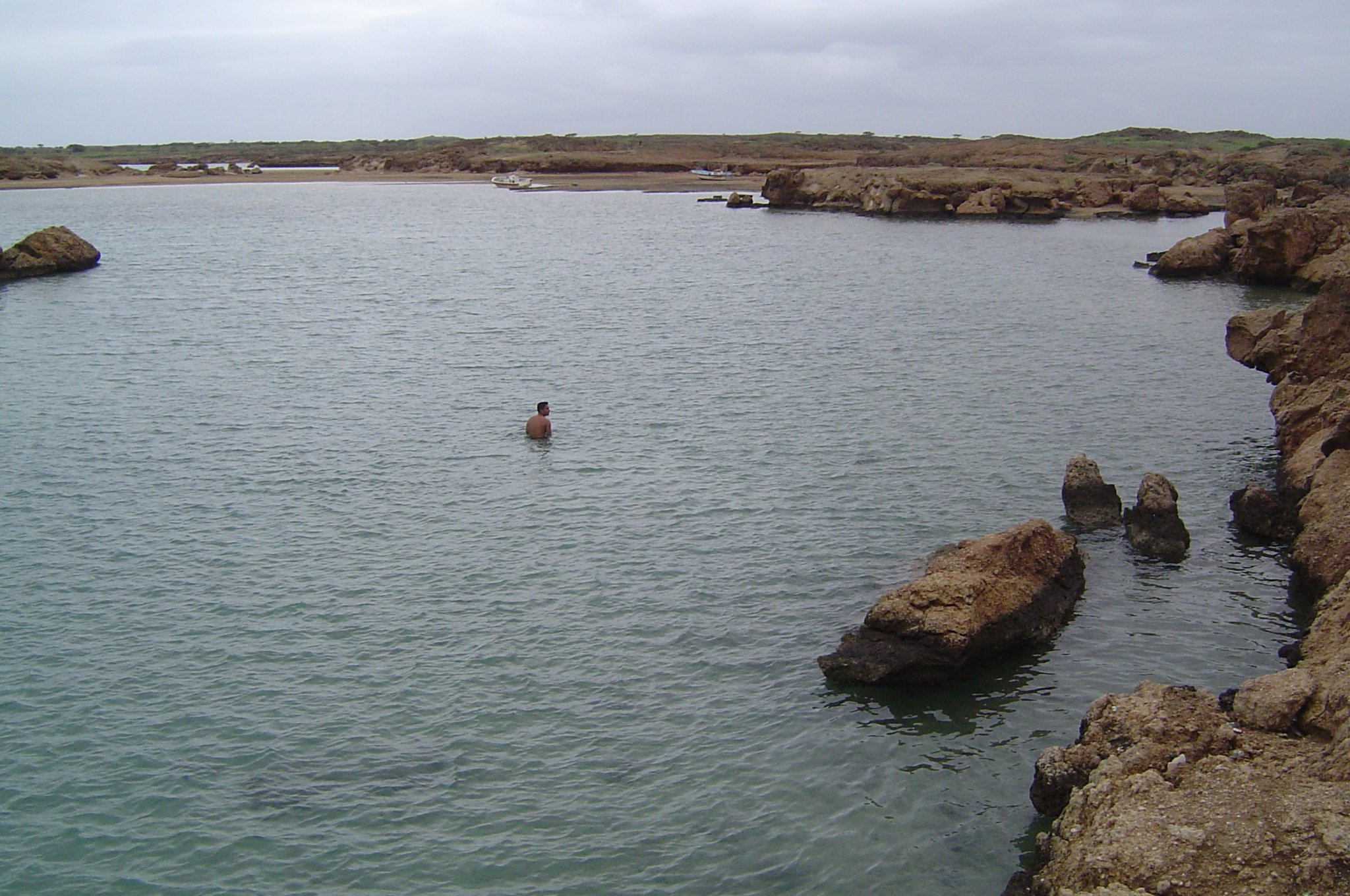
An archipelago of some 200 islands scattered across the southern Red Sea, the Dahlak Islands are one of East Africa's best-kept diving secrets. Only four are inhabited, with a total population of around 2,500 people — most of them on Dahlak el Kebir — who still live by fishing, herding goats and camels, much as their ancestors did for centuries.

The diving is the main draw. Submerged coral reefs, dramatic shoals, and shipwrecks sit beneath water that teems with dolphins, sharks, dugongs, turtles, hermit crabs, and an astonishing variety of fish. Some islands have mangrove-fringed shores or salt-bush flats; others are bare rock rising from the blue. Submarine volcanoes have left fields of pumice scattered across the seabed.

Dahlak el Kebir was historically the chief port for pearl fishing in the southern Red Sea and carries a darker past too — the islands were a major conduit for the export of enslaved people from the mainland to the Arabian peninsula. The Ethiopians used Dahlak el Kebir as a military base during their occupation of Eritrea.

The islands are a protected National Park, so independent access is not possible. You'll need to book through a tourist agency that arranges the permits. Charter yachts are available for hire in Massawa, the nearest mainland port, from where the crossing departs.

Guide

Getting There

There are no scheduled flights or ferries to the Dahlak Islands. The archipelago is a national park, and the only way in is on a chartered boat from Massawa, the Eritrean port across the strait. You cannot turn up at the harbour and hire one yourself — boats need a permit from the Ministry of Tourism, which is arranged through one of the licensed agencies in Asmara or Massawa.

The crossing to Dahlak Kebir takes three to four hours in a slow motor boat, faster on one of the dive yachts. Most trips run as live-aboards of three to seven nights, sleeping on deck or in basic cabins. Diving operations have been intermittent — Eritrea opens and closes to outsiders without warning, and the few outfits that work the islands change from year to year. Confirm before flying in.

The sea is at its calmest from October to April. Between June and September the southwest monsoon kicks up swell and visibility drops; few boats run.

Guide

Things to Do

There are no resorts, beach clubs, or marked trails out here. The archipelago is a national park reached only by chartered boat from Massawa, and the days follow the rhythm of the sea: dive in the morning, sail to the next island, swim, eat fish grilled on the deck, sleep under the stars. The reefs and the empty islands are the attraction.